
CAS Space • Kinetica 1 • LA-130
Ride-share of 8 satellites to sun-synchronous orbit, including Jilin-1 HR-07A-02. Details TBD.
Core launch context before deeper viewing, vehicle, and coverage detail.
Ride-share of 8 satellites to sun-synchronous orbit, including Jilin-1 HR-07A-02. Details TBD.
Expand for the full vehicle timeline and mission history.
Raw launch data, payload metadata, and deeper mission context.
Open the launch pad in Google Maps using the pad coordinates.
Ride-share of 8 satellites to sun-synchronous orbit, including Jilin-1 HR-07A-02. Details TBD.
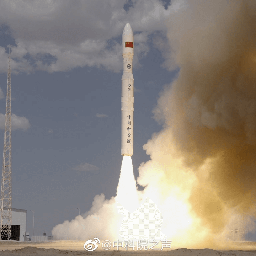
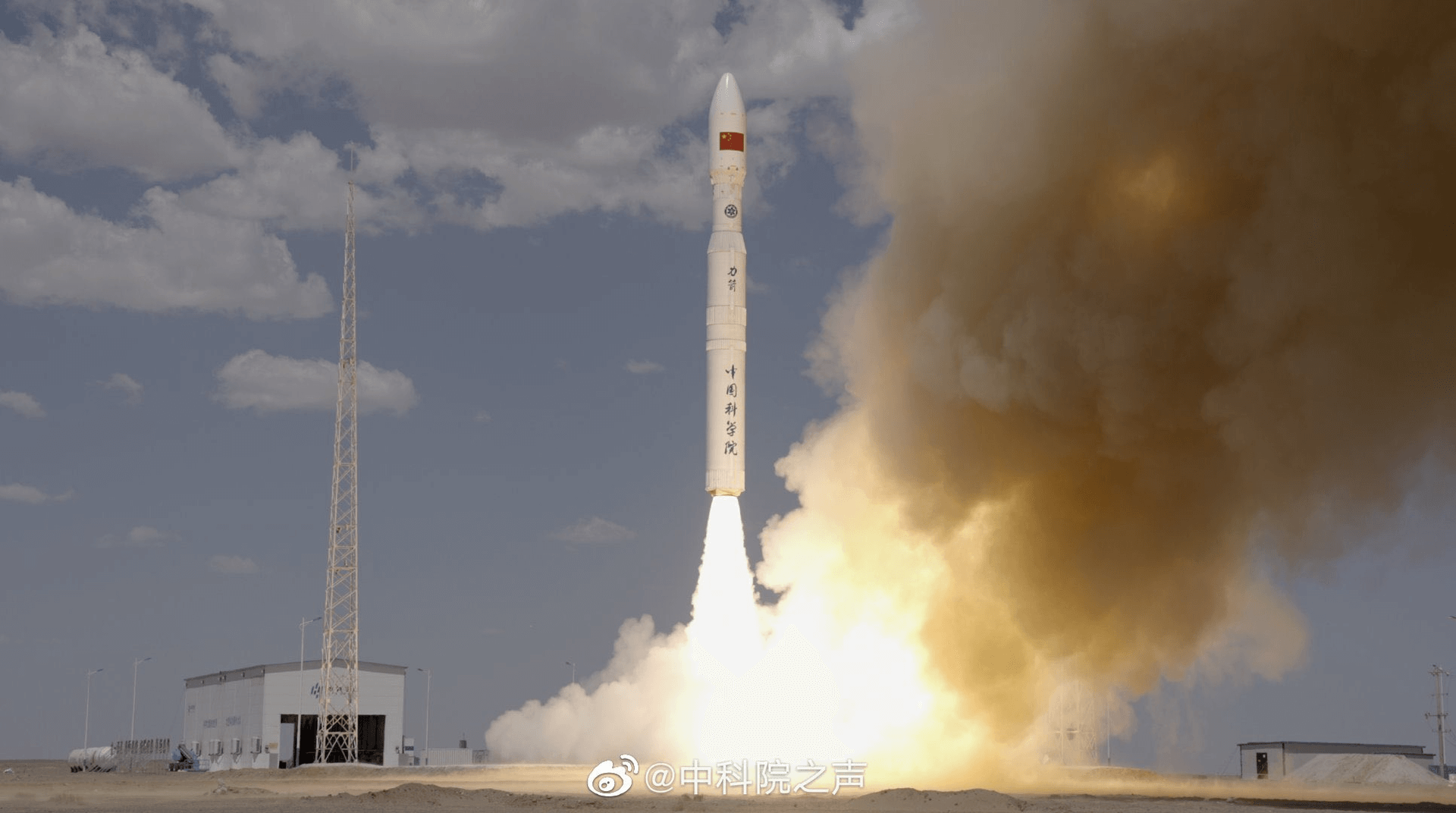
Kinetica 1 (also known as Lijian-1, Chinese: 力箭一号) is a Chinese solid-propellant light launch vehicle. It is capable of placing about 2 tons into low earth orbit and 1.5 tons into sun-synchronous orbit. It is developed by CAS Space, a subsidiary of the Chinese Academy of Sciences. Kinetica 1 is a light launcher whose first stage seems to be derived from the DF-31 long-range intercontinental ballistic missile. It is 30 m high and has a diameter of 2.65 m, with a liftoff mass of 135 t. It's the largest Chinese solid propellant launcher to date, with four stages with a thrust of 200, 100, 50 and 10 tons respectively. The fairing has a diameter of 3.35 meters.
CAS Space is a spin-off company from the Chinese Academy of Sciences (CAS) that is operating and plans to operate various launch vehicles of the Zhongke series.
Provider, rocket, pad, and booster history tied to this launch.
Linked via Spaceflight News API (SNAPI).
 Article
A pair of solid rocket launches have added to China’s satellite internet and commercial remote sensing capabilities, sending a total of nine satellites into...
 Article
Six launches are scheduled worldwide this week, with the third launch of Blue Origin’s New… The post Launch Preview: Falcon 9 to launch Starlink satellites,...
0-100 launch-area reference score from the launch pad and ascent corridor. Your personal visibility can still be impossible.
Use my location for the only answer that speaks to your actual viewing spot. Near launch site shows a reference forecast for viewers near the pad and ascent corridor.
Launch-area conditions look weak right now.
Reference only: high values mean launch-area conditions look favorable, not that it will be visible from you.
No visible jellyfish-style plume is currently expected near the launch site.
The launch-area reference setup does not currently support a visible jellyfish plume.
