
Loading
TMinusZero
Loading
Preparing the latest launch data.
TMinusZero
Loading
Preparing the latest launch data.

Cursor-paged feed of authority-ranked Artemis items from articles, NASA media assets, social posts, and structured program data.
RT @NASASpox: A historic mission behind us, with more ahead. 🌕 Artemis II crew returns home 🔧 Artemis III preparations begin ✈️ X-59 ramps…
Why shown: TIER1 media social; mission mapped to Artemis III; official social post.
One week has passed since Artemis II returned to Earth after a historic mission around the Moon. We laughed, we cried, and we pushed the boundaries of what’s possible, setting the stage for future innovation and exploration. We’re just getting started. https...
Why shown: TIER1 media social; mission mapped to Artemis II; official social post.
RT @NASAKennedy: After the successful launch of Artemis II on April 1, Exploration Ground Systems teams transported the 380-foot-tall mobil…
Why shown: TIER1 media social; mission mapped to Artemis II; official social post.
RT @JerryMoran: I hosted @NASAAdmin at @the_cosmosphere in Kansas last week as Artemis II orbited the moon and made history for traveling d…
Why shown: TIER1 media social; mission mapped to Artemis II; official social post.
The ground platform structure that launched Artemis II is completing its move back to @NASAKennedy's Vehicle Assembly Building, ahead of preparations for Artemis III. Watch the Mobile Launcher roll on our static feed: https://t.co/uUb2c9zNZ8
Why shown: TIER1 media social; mission mapped to Artemis III; official social post.
ICYMI (and seriously…how?): Artemis II just wrapped a lunar mission generations have waited for. 🌕🚀 @NASArtemis launched April 1 at 6:35pm ET, when astronauts Reid Wiseman, Victor Glover, Christina Koch, and Jeremy Hansen began their 10‑day journey aroun...
Why shown: TIER1 media social; mission mapped to Artemis II; official social post.

ICYMI (and seriously…how?): Artemis II just wrapped a lunar mission generations have waited for. 🌕🚀 @NASArtemis launched April 1 at 6:35pm ET, when astronauts Reid Wiseman, Victor Glover, Christina Koch, and Jeremy Hansen began their 10‑day journey aroun...
Why shown: TIER1 media photo; mission mapped to Artemis II; authority-tier ranked source.
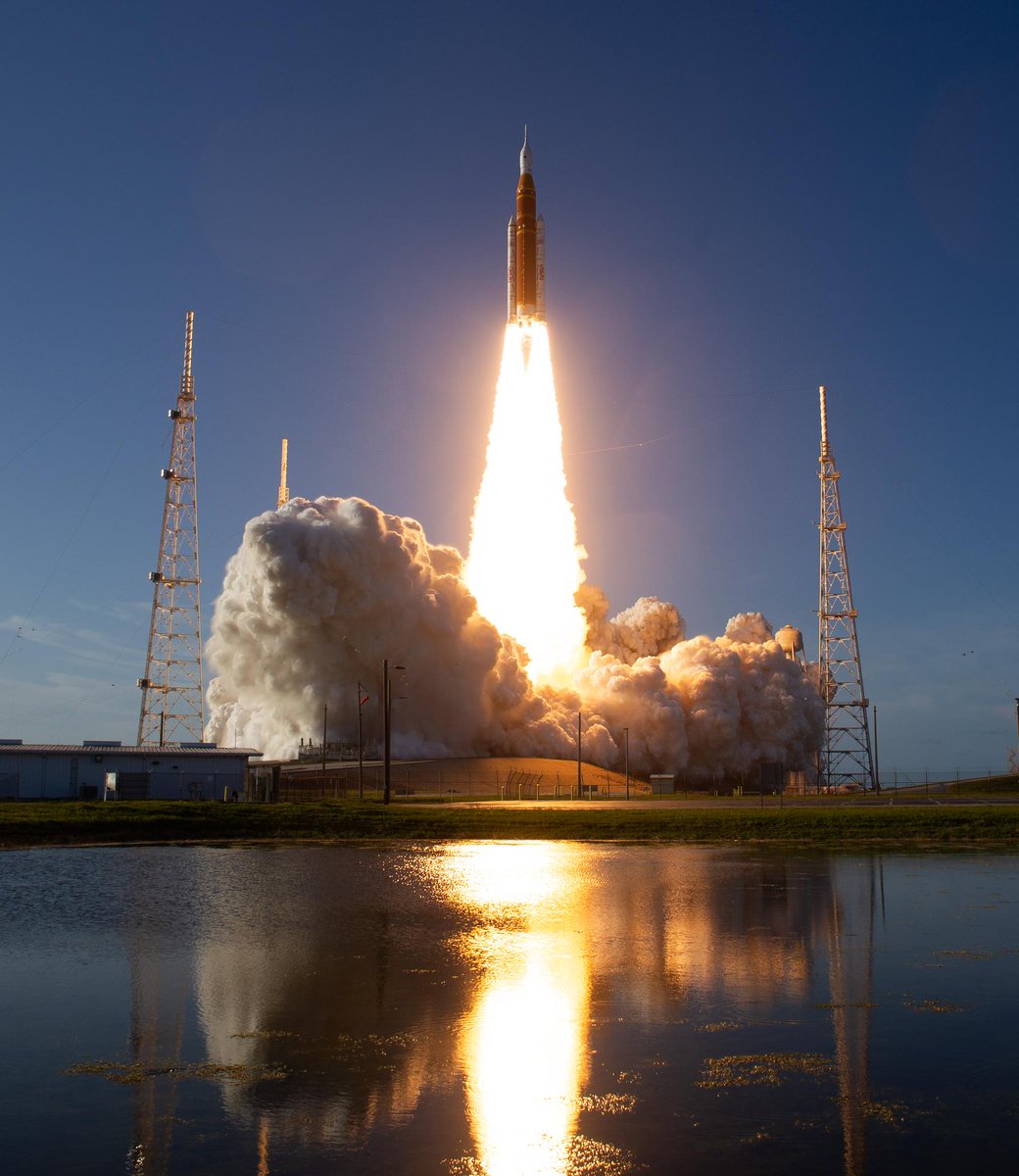
ICYMI (and seriously…how?): Artemis II just wrapped a lunar mission generations have waited for. 🌕🚀 @NASArtemis launched April 1 at 6:35pm ET, when astronauts Reid Wiseman, Victor Glover, Christina Koch, and Jeremy Hansen began their 10‑day journey aroun...
Why shown: TIER1 media photo; mission mapped to Artemis II; authority-tier ranked source.

ICYMI (and seriously…how?): Artemis II just wrapped a lunar mission generations have waited for. 🌕🚀 @NASArtemis launched April 1 at 6:35pm ET, when astronauts Reid Wiseman, Victor Glover, Christina Koch, and Jeremy Hansen began their 10‑day journey aroun...
Why shown: TIER1 media photo; mission mapped to Artemis II; authority-tier ranked source.
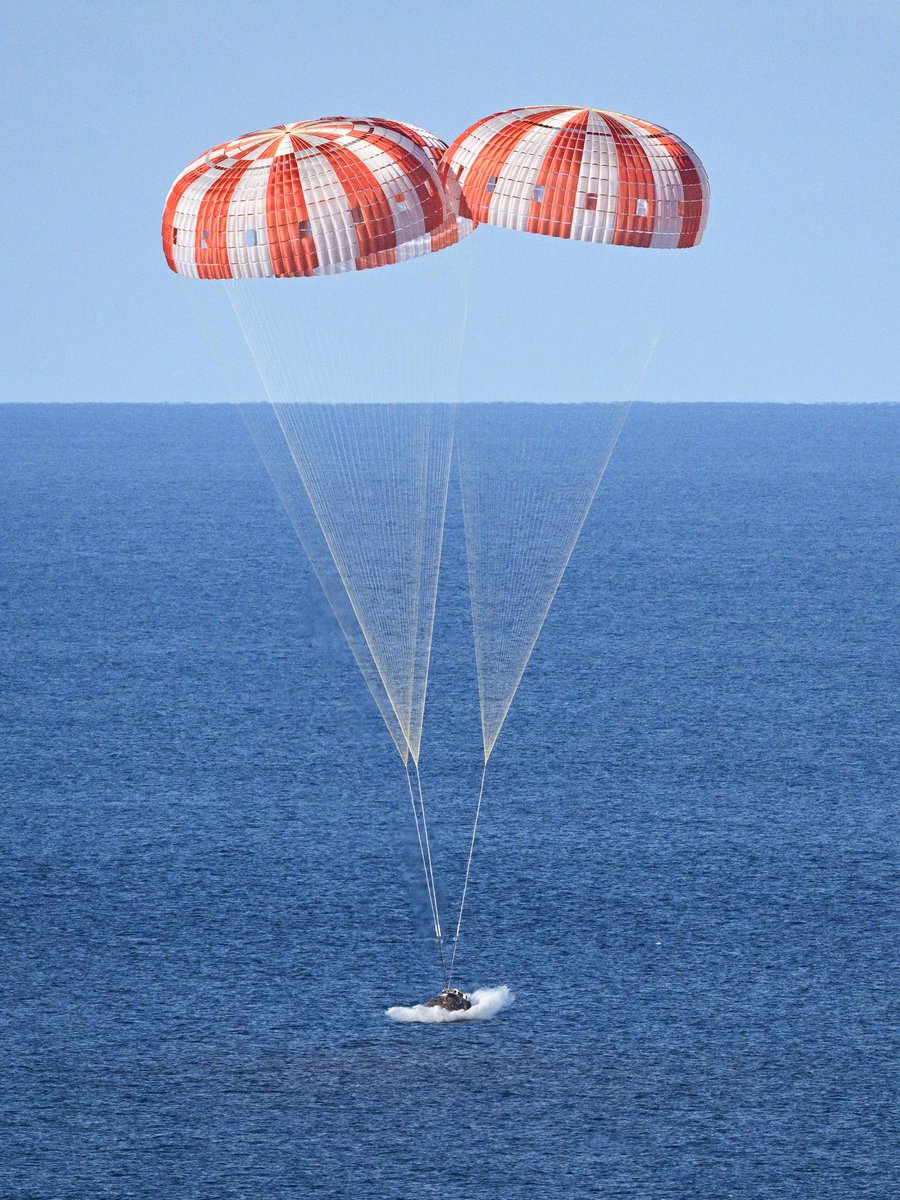
ICYMI (and seriously…how?): Artemis II just wrapped a lunar mission generations have waited for. 🌕🚀 @NASArtemis launched April 1 at 6:35pm ET, when astronauts Reid Wiseman, Victor Glover, Christina Koch, and Jeremy Hansen began their 10‑day journey aroun...
Why shown: TIER1 media photo; mission mapped to Artemis II; authority-tier ranked source.

RT @Astro_Jeremy: In the past few days, my Artemis II crewmates and I have been running simulations to figure out how to make the most of e…
Why shown: TIER1 media photo; mission mapped to Artemis II; authority-tier ranked source.
Back to the VAB to get ready for Artemis III 🇺🇸 https://t.co/vBYdnU3csp
Why shown: TIER1 media social; mission mapped to Artemis III; official social post.
RT @NASAArtemis: "It flew like a dream." Different members of the Artemis II crew comment on what it was like to manually pilot the Orion…
Why shown: TIER1 media social; mission mapped to Artemis II; official social post.
RT @NASAArtemis: "We launched as friends, and we came back as best friends." Artemis II commander Reid Wiseman takes a moment to thank t…
Why shown: TIER1 media social; mission mapped to Artemis II; official social post.
RT @NASA: LIVE: Back at home in Houston, our Artemis II astronauts are talking about their mission around the Moon. https://t.co/cPsWP4h0Fv
Why shown: TIER1 media social; mission mapped to Artemis II; official social post.
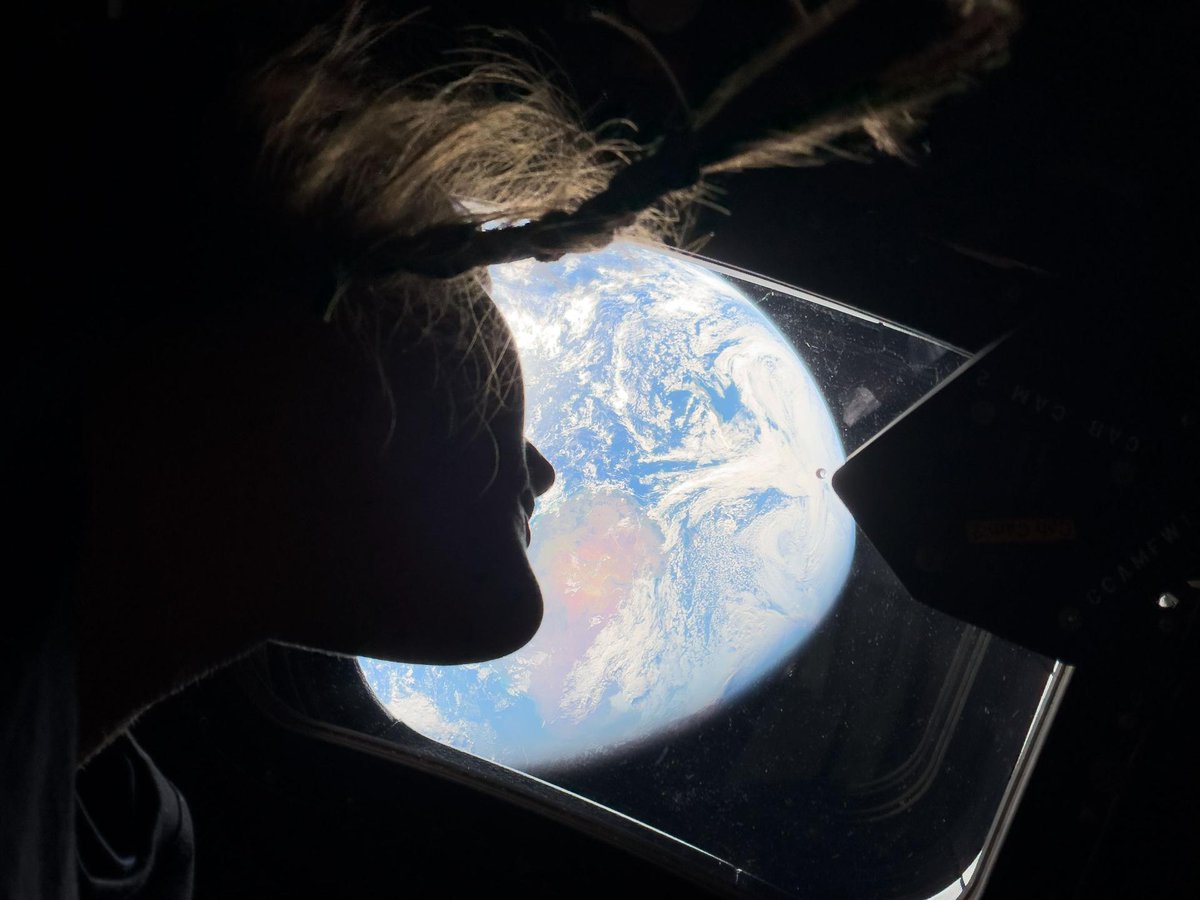
RT @NASAScience_: The Artemis II crew has safely returned to Earth. Now it’s your turn to make a splash. 🌊 April is Citizen Science Month,…
Why shown: TIER1 media photo; mission mapped to Artemis II; authority-tier ranked source.
RT @NASAScience_: The Artemis II crew has safely returned to Earth. Now it’s your turn to make a splash. 🌊 April is Citizen Science Month,…
Why shown: TIER1 media social; mission mapped to Artemis II; official social post.
RT @NASAScience_: The Artemis II crew has safely returned to Earth. Now it’s your turn to make a splash. 🌊 April is Citizen Science Month,…
Why shown: TIER1 media photo; mission mapped to Artemis II; authority-tier ranked source.
RT @NASAArtemis: Today at 2:30pm ET (1830 UTC), the Artemis II astronauts will discuss their historic mission around the Moon now that they…
Why shown: TIER1 media social; mission mapped to Artemis II; official social post.

RT @NASAArtemis: Today at 2:30pm ET (1830 UTC), the Artemis II astronauts will discuss their historic mission around the Moon now that they…
Why shown: TIER1 media photo; mission mapped to Artemis II; authority-tier ranked source.
Today at 2:30pm ET (1830 UTC), the Artemis II astronauts will discuss their historic mission around the Moon now that they have returned from their record-setting journey. https://t.co/IaetEOq99S https://t.co/4joLYue0sj
Why shown: TIER1 media photo; mission mapped to Artemis II; authority-tier ranked source.

RT @NASAKennedy: On the move! Now that NASA's Artemis II test flight launched, work focuses on Artemis III set to launch next year! The…
Why shown: TIER1 media photo; mission mapped to Artemis III; authority-tier ranked source.

The bad news? There is no more Artemis II live mission coverage for you to watch. The good news? New Artemis II imagery continues to roll in. We're continuing to unveil new images from the Artemis II mission. You can find them here: https://t.co/o2t8RrFU2g...
Why shown: TIER1 media photo; mission mapped to Artemis II; authority-tier ranked source.
The bad news? There is no more Artemis II live mission coverage for you to watch. The good news? New Artemis II imagery continues to roll in. We're continuing to unveil new images from the Artemis II mission. You can find them here: https://t.co/o2t8RrFU2g...
Why shown: TIER1 media social; mission mapped to Artemis II; official social post.