
Loading
TMinusZero
Loading
Preparing the latest launch data.
TMinusZero
Loading
Preparing the latest launch data.

Cursor-paged feed of authority-ranked Artemis items from articles, NASA media assets, social posts, and structured program data.
NASA completed the second of eight tests in the Green Run test series at the agency’s Stennis Space Center near Bay St. Louis, Mississippi, where the Space Launch System rocket’s core stage is installed in the B-2 Test Stand. The avionics power on and checkou...
Why shown: TIER1 nasa primary article; mission mapped to Artemis I; authority-tier ranked source.
Engineers have completed testing on a duplicate of Orion called the Structural Test Article (STA), needed to verify the spacecraft is ready for Artemis I — its first uncrewed test flight. NASA and its prime contractor, Lockheed Martin, built the STA to be str...
Why shown: TIER1 nasa primary article; mission mapped to Artemis I; authority-tier ranked source.
The Orion crew module and its adapter for the first crewed Artemis mission are undergoing testing and maintenance at NASA’s Kennedy Space Center. On Artemis II, Orion will launch atop the Space Launch System rocket and carry astronauts around the Moon and bac...
Why shown: TIER1 nasa primary article; mission mapped to Artemis II; authority-tier ranked source.
Inside the Booster Fabrication Facility at NASA’s Kennedy Space Center in Florida, the Artemis I aft skirts for the agency’s Space Launch System (SLS) rocket’s twin solid rocket boosters are being readied for their move to the Rotation, Processing and Surge F...
Why shown: TIER1 nasa primary article; mission mapped to Artemis I; authority-tier ranked source.
As it soars off the launch pad for the Artemis I missions, NASA’s Space Launch System (SLS) rocket is powered by two solid rocket boosters. Critical parts of the booster will soon head to NASA’s Kennedy Space Center in Florida in preparation for the Artemis I...
Why shown: TIER1 nasa primary article; mission mapped to Artemis I; authority-tier ranked source.
Parts of Orion’s Artemis III crew module that will carry the first woman and next man to land on the Moon are taking shape at AMRO Fabricating Corp. in California and Ingersoll Machine Tools Inc. in Illinois.
Why shown: TIER1 nasa primary article; mission mapped to Artemis III; authority-tier ranked source.
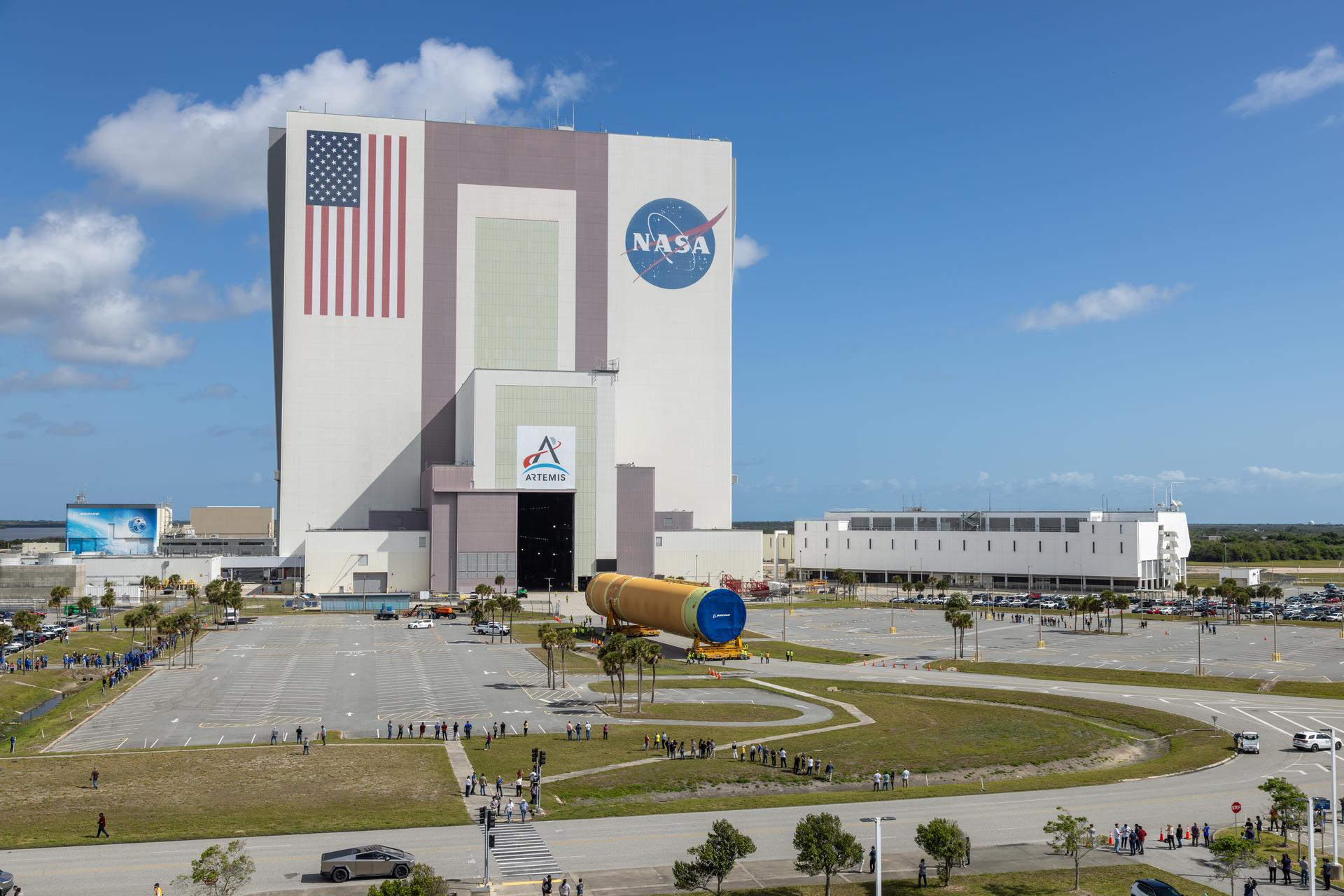
On the heels of a successful Artemis II test flight, teams at NASA’s Kennedy Space Center in Florida are pressing forward for the next Artemis mission. Technicians maneuvered NASA’s massive core stag...
Why shown: TIER1 nasa primary article; mission mapped to Artemis III; authority-tier ranked source.
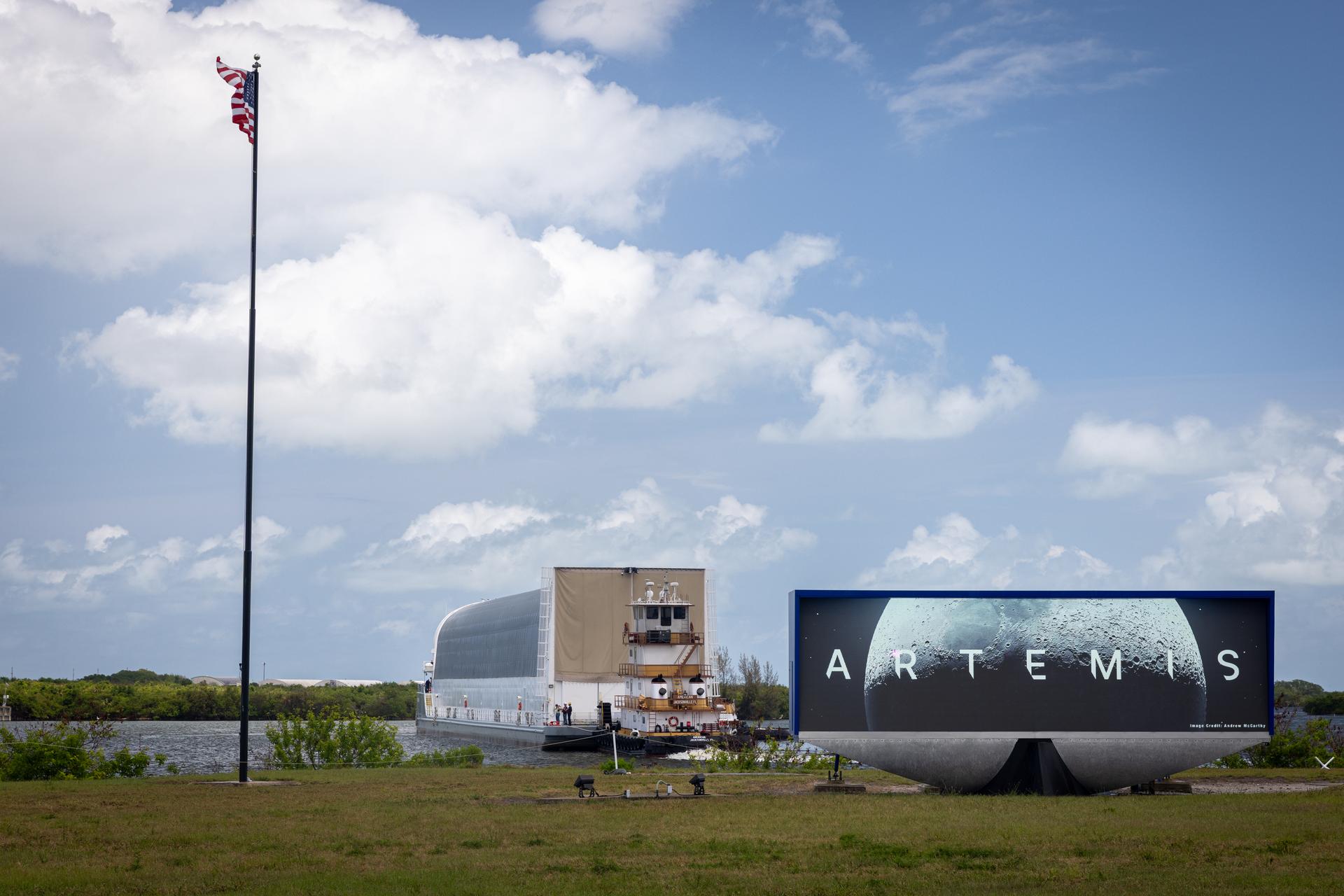
The largest rocket section for NASA’s Artemis III mission arrived at the agency’s Kennedy Space Center in Florida on April 27. The SLS (Space Launch System) core stage traveled 900 miles on the Pegasus barge from NASA’s Michoud Assembly Facility in New Orlean...
Why shown: TIER1 nasa primary article; mission mapped to Artemis III; authority-tier ranked source.
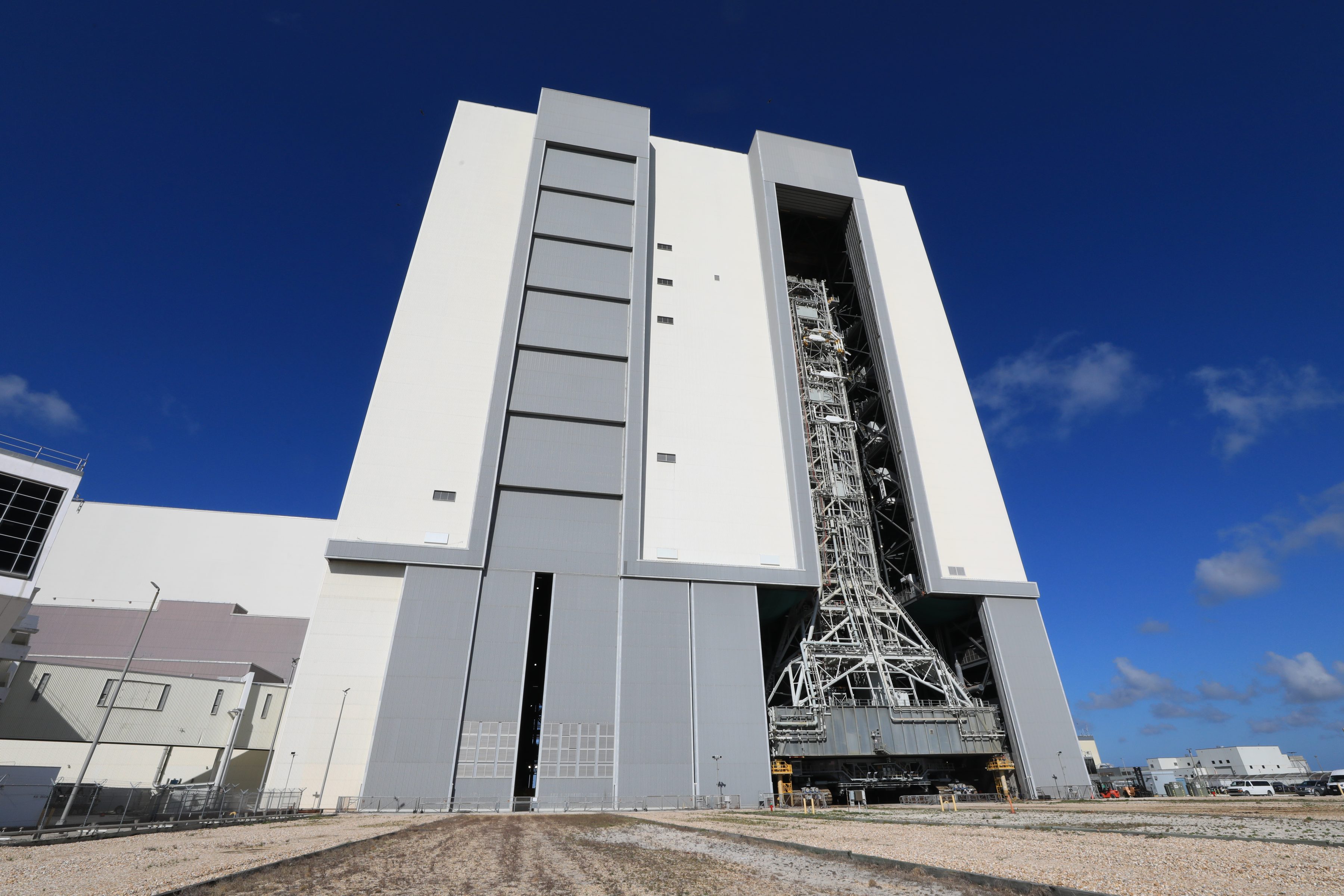
After successfully being used to launch the Artemis II lunar test flight on April 1, NASA’s mobile launcher now is inside NASA Kennedy’s Vehicle Assembly Building (VAB) in Florida in preparation for the Artemis III test flight mission rocket stacking operatio...
Why shown: TIER1 nasa primary article; mission mapped to Artemis III; authority-tier ranked source.
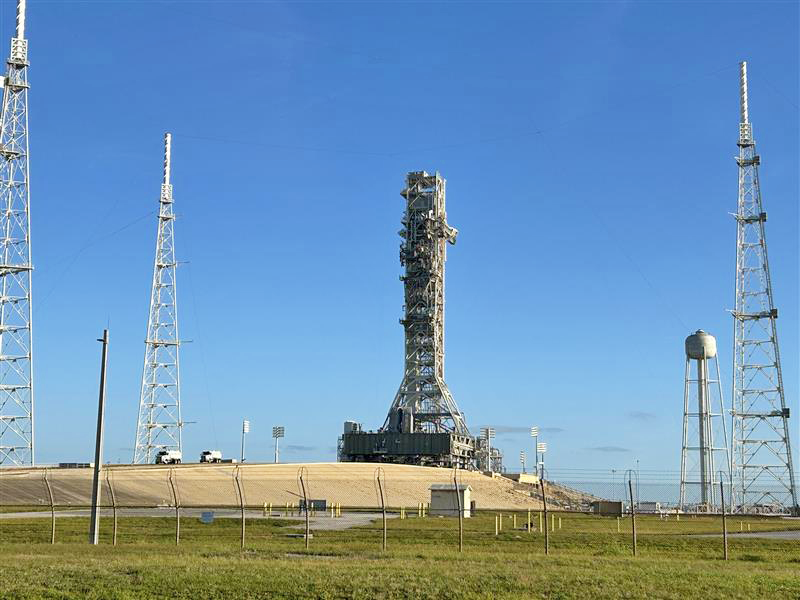
Following the conclusion of NASA’s Artemis II test flight, teams at the agency’s Kennedy Space Center in Florida are shifting focus to Artemis III, which is targeted to launch next year, by rolling the mobile launcher from Launch Complex 39B to NASA’s Kennedy...
Why shown: TIER1 nasa primary article; mission mapped to Artemis III; authority-tier ranked source.
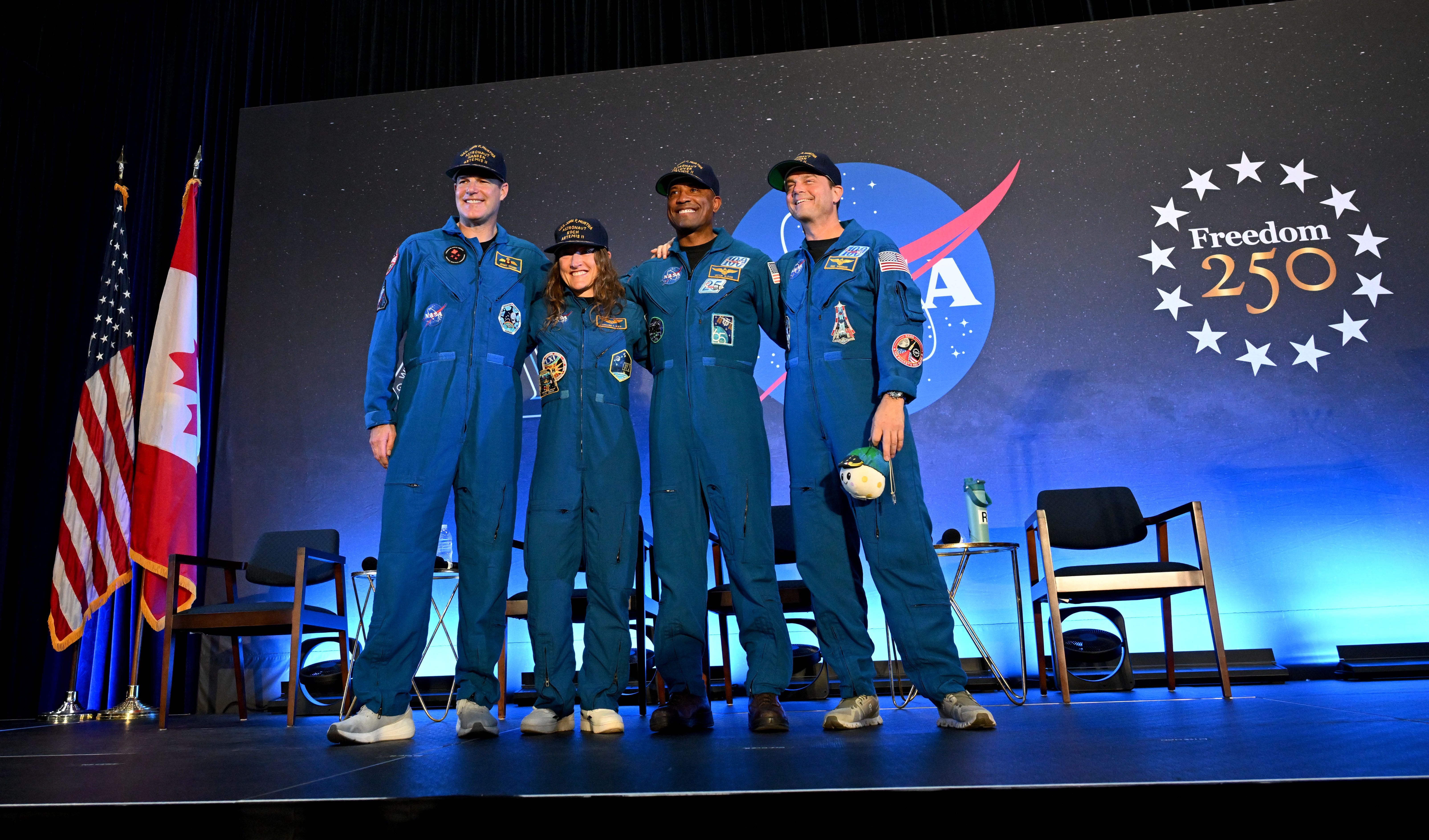
The Artemis II crew of NASA astronauts – Reid Wiseman, Victor Glover, and Christina Koch, and CSA (Canadian Space Agency) astronaut Jeremy Hansen – has returned to the agency’s Johnson Space Center i...
Why shown: TIER1 nasa primary article; mission mapped to Artemis II; authority-tier ranked source.
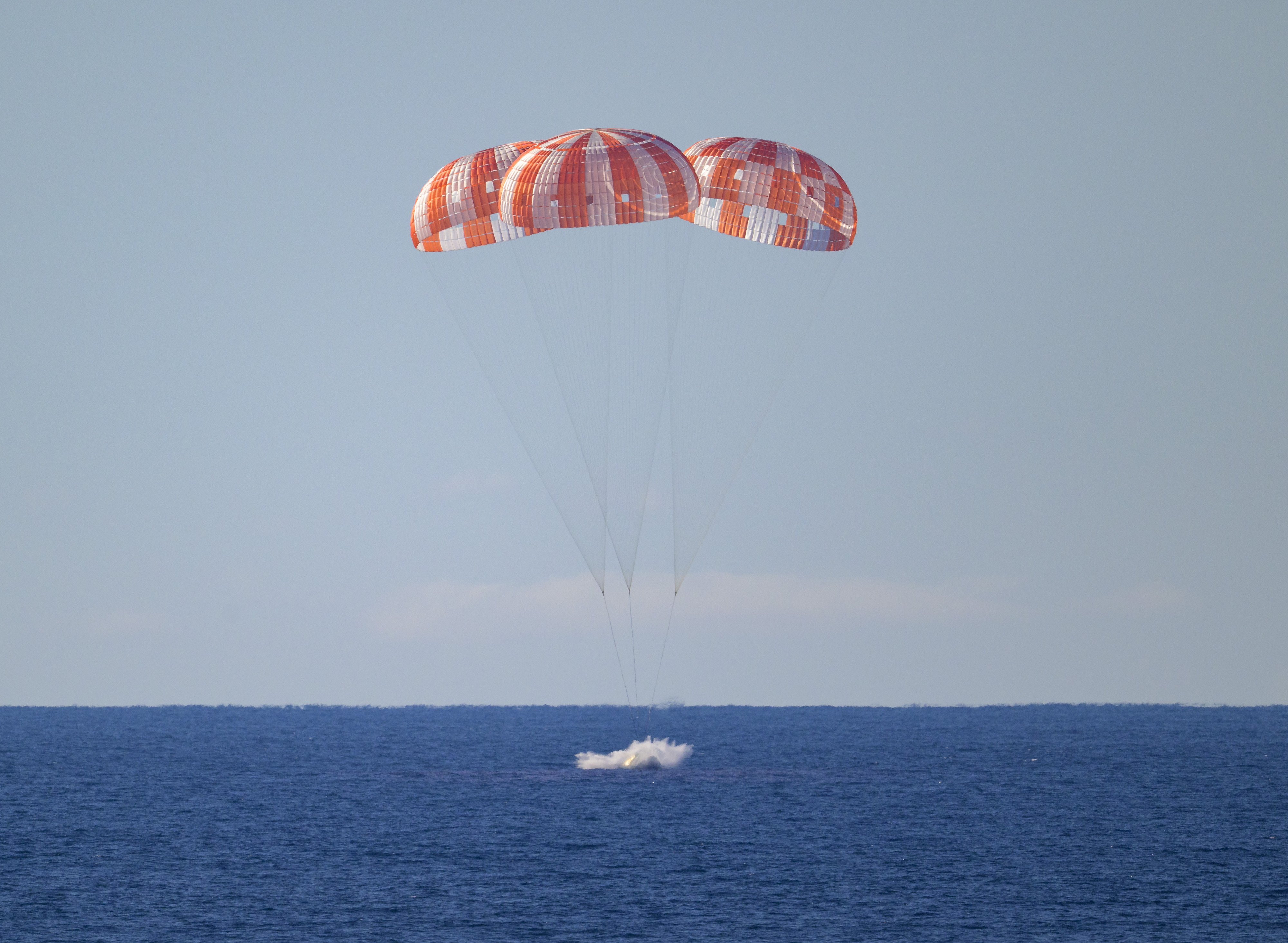
Live re-entry updates for NASA’s Artemis II mission will be published on this page. All times are Eastern. 4:27 a.m. The Orion spacecraft is secured in the well deck of USS John P. Murtha after splashing down in the Pacific Ocean and carrying NASA astron...
Why shown: TIER1 nasa primary article; mission mapped to Artemis II; authority-tier ranked source.
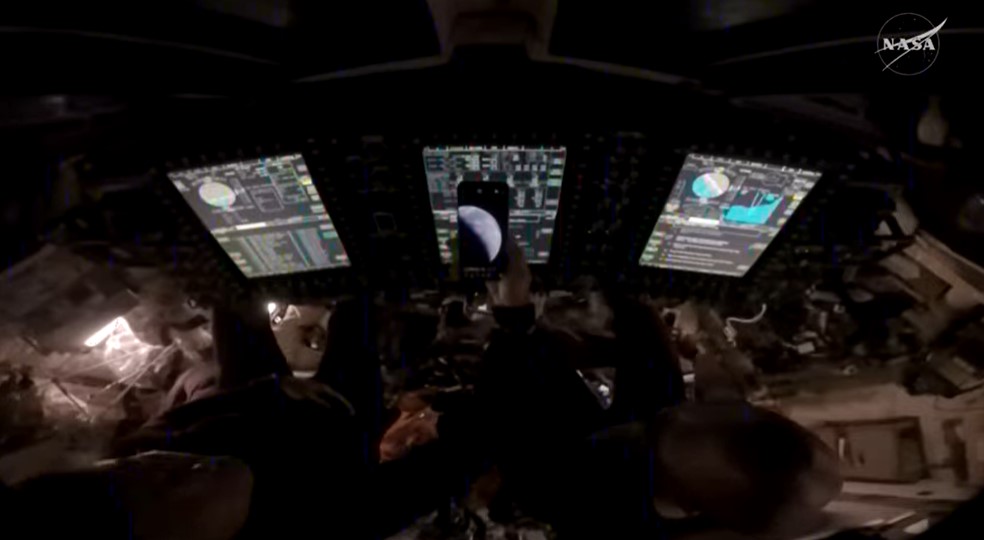
At 2:53 p.m. EDT, the Orion spacecraft ignited its thrusters for 8 seconds, producing a change in velocity of 4.2 feet-per-second and pushing Artemis II toward Earth. NASA astronauts Reid Wiseman, Victor Glover, Christina Koch and CSA (Canadian Space Agency)...
Why shown: TIER1 nasa primary article; mission mapped to Artemis II; authority-tier ranked source.

The Artemis II crew — NASA astronauts Reid Wiseman, Victor Glover, Christina Koch and CSA (Canadian Space Agency) astronaut Jeremy Hansen — began the final phase of their journey home to the songs “Run to the Water” by Live, selected by the crew, and “Free” b...
Why shown: TIER1 nasa primary article; mission mapped to Artemis II; authority-tier ranked source.
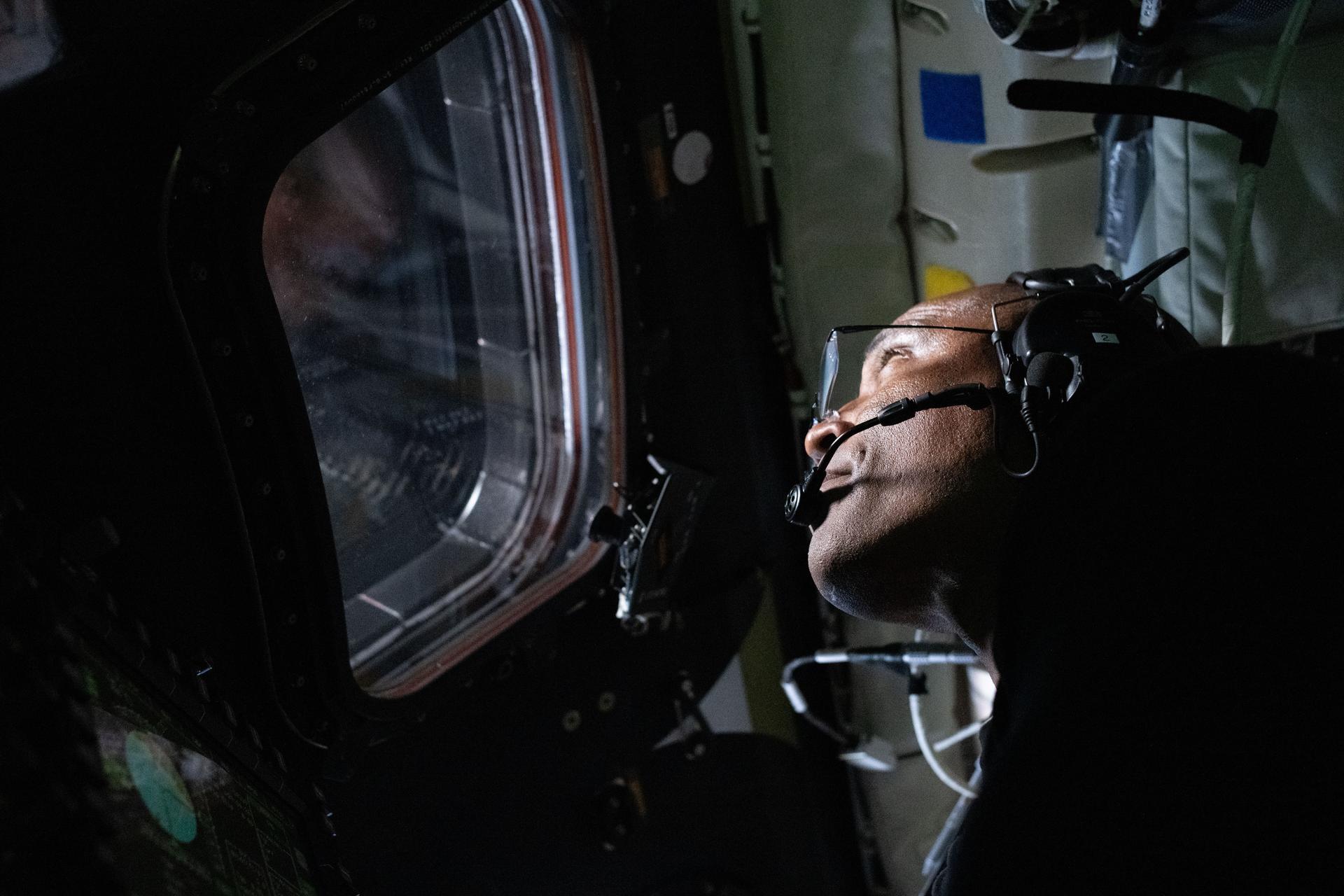
At 10:53 p.m. EDT, the Orion spacecraft ignited its thrusters for 9 seconds, producing an acceleration in velocity of 5.3 feet-per-second and pushing the Artemis II crew toward Earth. The crew is now more than halfway home.
Why shown: TIER1 nasa primary article; mission mapped to Artemis II; authority-tier ranked source.
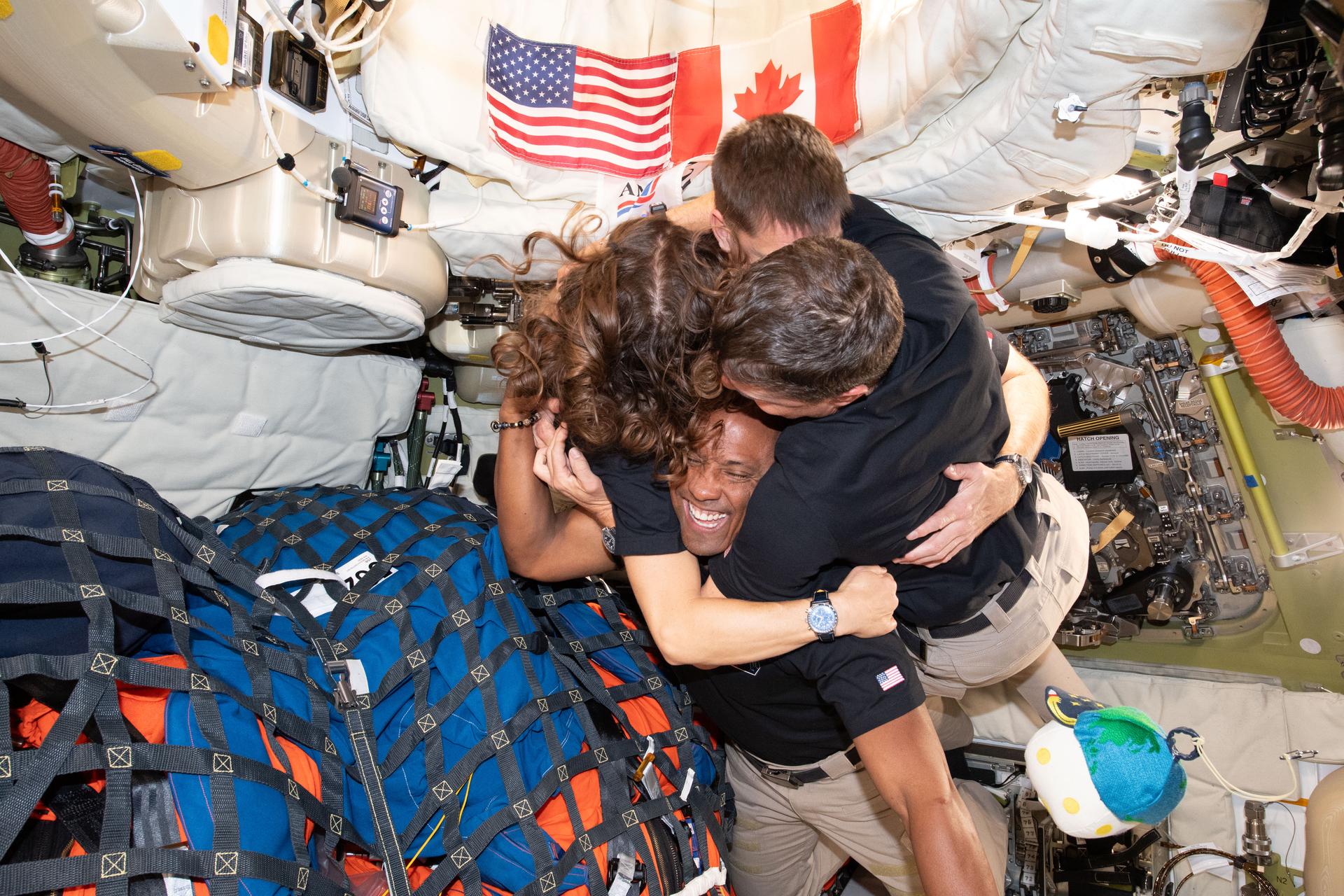
On their last full day in space, the Artemis II crew began the morning with “Lonesome Drifter” by Charley Crockett as they approached Earth at 147,337 miles.
Why shown: TIER1 nasa primary article; mission mapped to Artemis II; authority-tier ranked source.

The Republic of Latvia will sign the Artemis Accords during a ceremony at 9 a.m. EDT Monday, April 20, at NASA Headquarters in Washington. NASA Administrator Jared Isaacman will host Dace Melbārde, Latvia’s minister for education and science; Jānis Beķeris, c...
Why shown: TIER1 nasa primary article; mission mapped to Artemis Program; authority-tier ranked source.
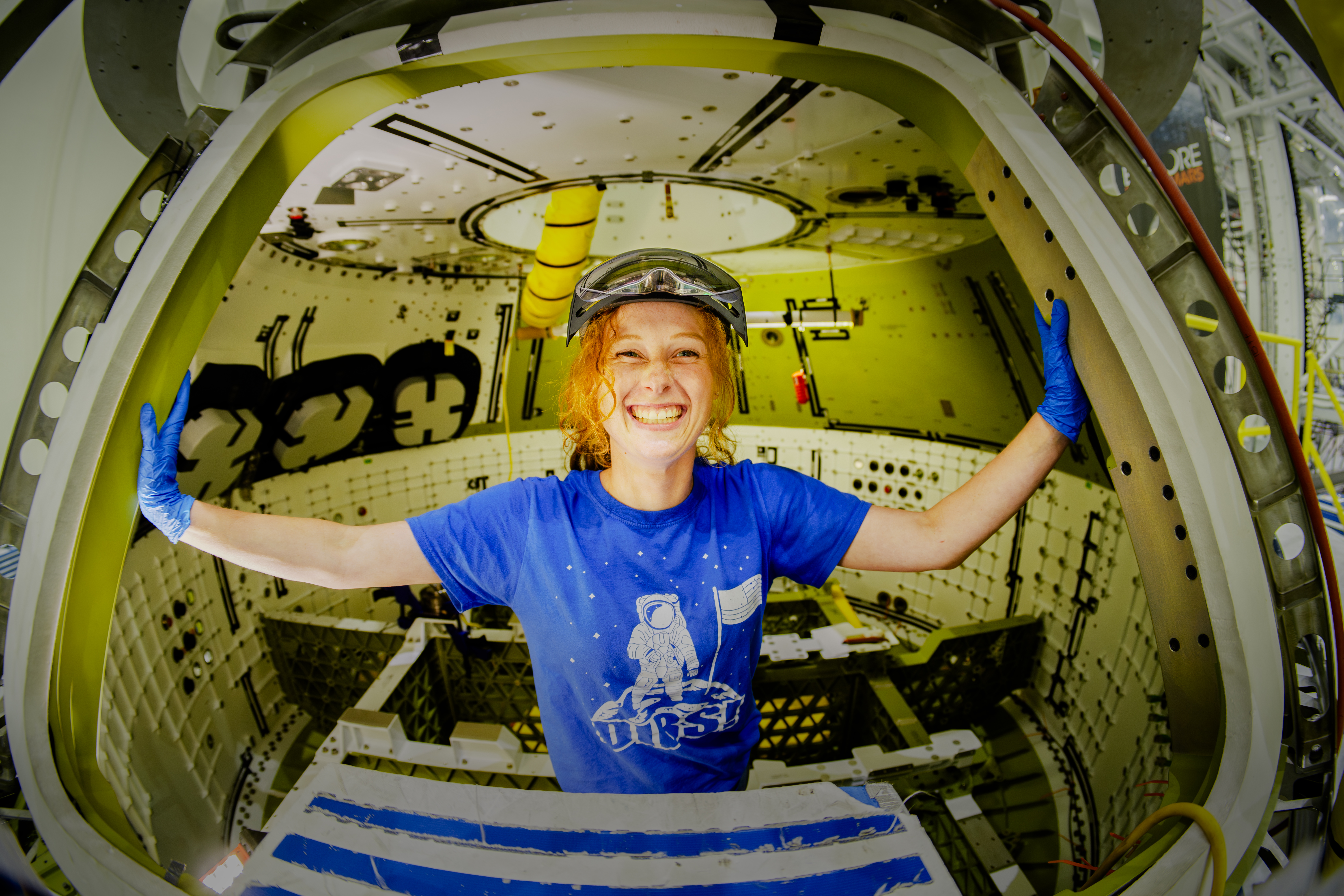
Listen to this audio excerpt from Rebekah Tolatovicz, a mechanical technician lead supporting the Orion spacecraft’s main contractor Lockheed Martin: At NASA’s Kennedy Space Center in Florida, there is a fleet of Orion spacecraft in work, and Rebekah Tolatovi...
Why shown: TIER1 nasa primary article; mission mapped to Artemis Program; authority-tier ranked source.
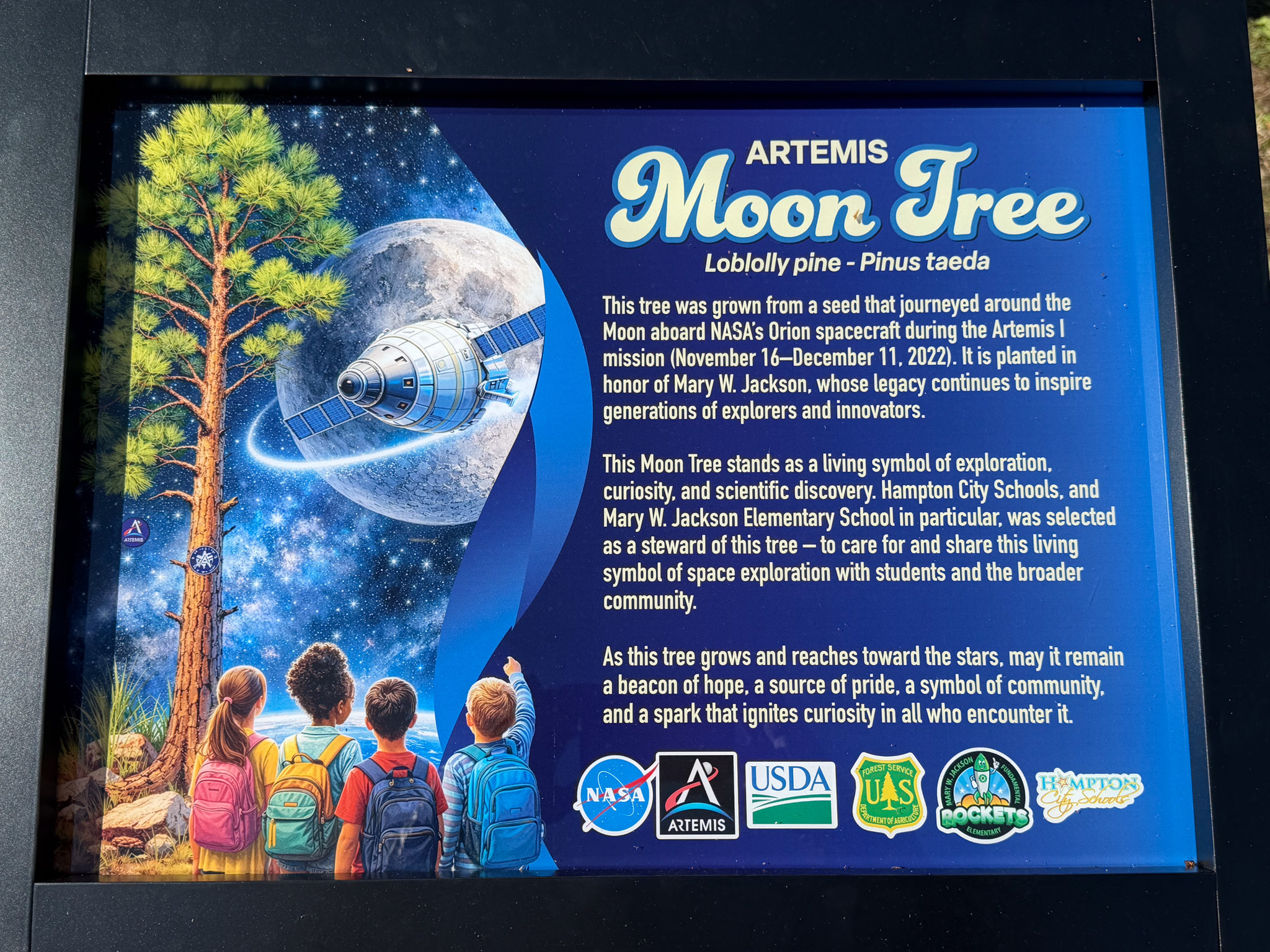
On March 18, 2026, students, staff, and members of NASA’s Langley Research Center gathered at Mary W. Jackson Elementary School in Hampton to celebrate the dedication of a remarkable addition to the campus – an Artemis Moon Tree. Although formally dedicated o...
Why shown: TIER1 nasa primary article; mission mapped to Artemis Program; authority-tier ranked source.
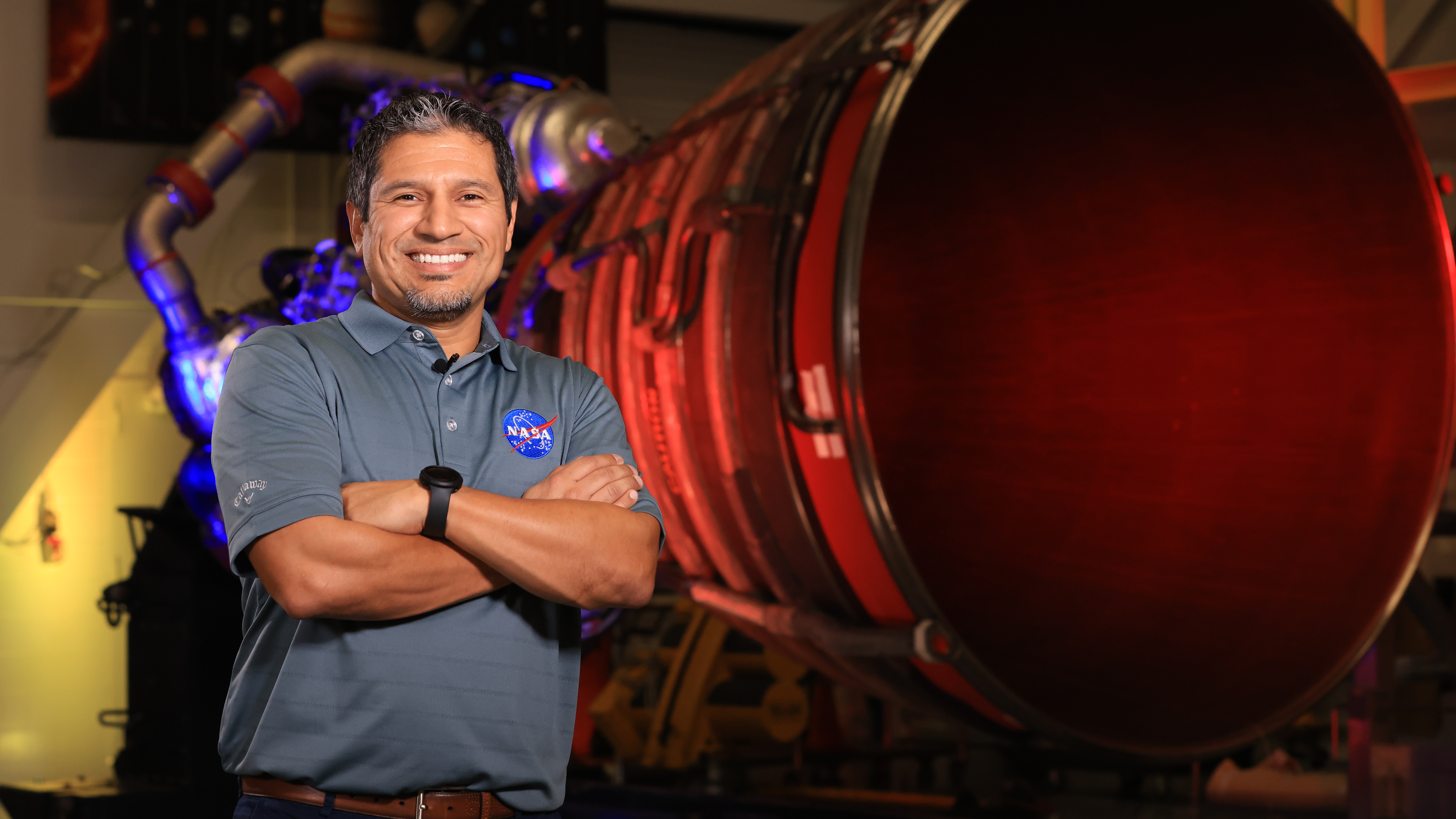
Listen to this audio excerpt from Elkin Norena, resident management officer, NASA’s Space Launch System Program: NASA’s Elkin Norena has helped the agency launch more than a dozen space shuttle missions – that’s more than a dozen crews to low Earth orbi...
Why shown: TIER1 nasa primary article; mission mapped to Artemis Program; authority-tier ranked source.
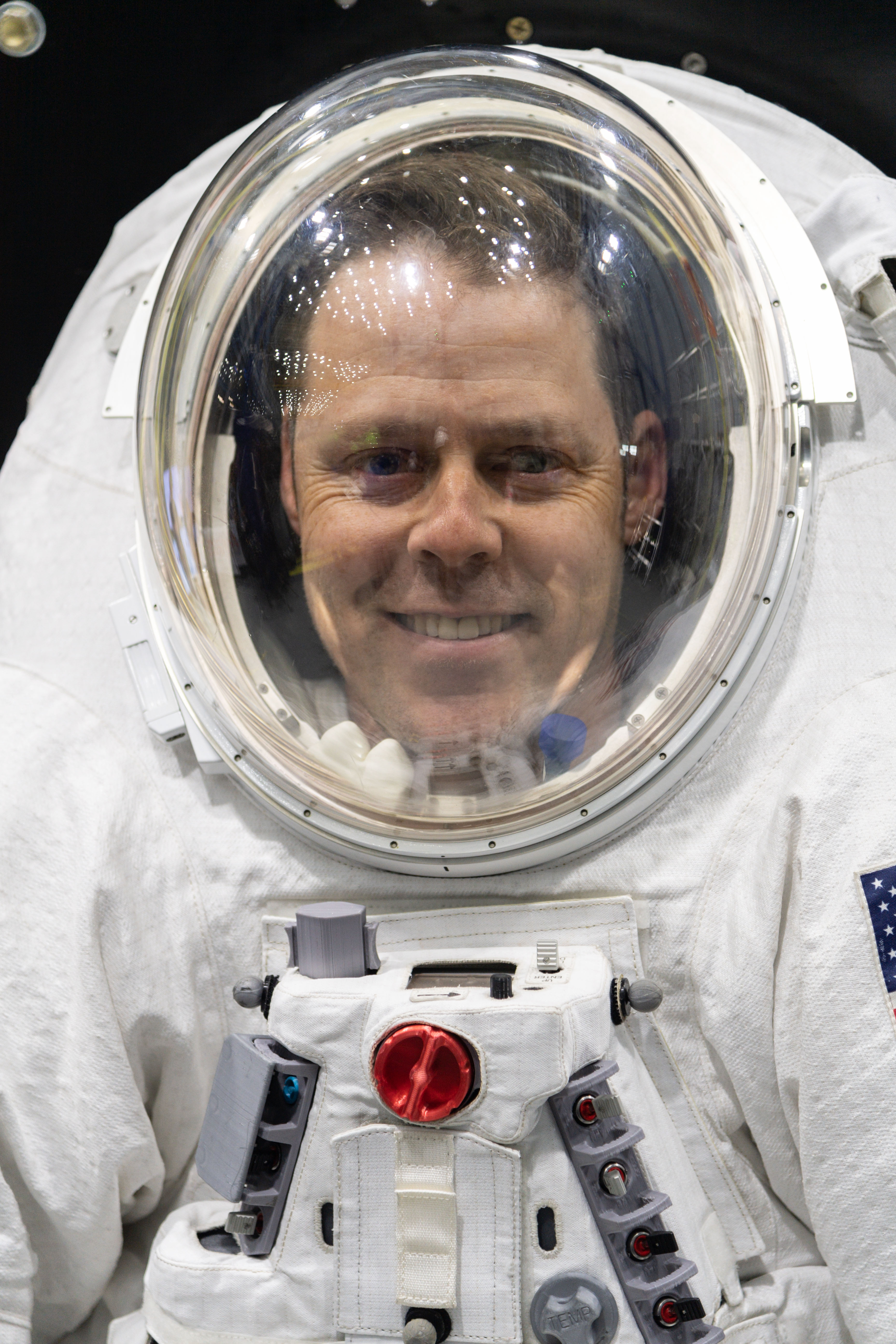
Scott Wray’s experience with spacewalks started when he was about 6 years old. A tent resembling a lunar lander provided the perfect imaginary spacecraft. “I would lie on my back with my feet propped up on a pillow as I imagined going through a launch countdo...
Why shown: TIER1 nasa primary article; mission mapped to Artemis Program; authority-tier ranked source.

Listen to this audio excerpt from Daniel Stubbs, NASA aerospace engineer: If you’ve driven through a cloud of dust and dirt that temporarily obscured your view, you’ve gotten a partial picture of a potential problem that NASA’s human landing systems for Artem...
Why shown: TIER1 nasa primary article; mission mapped to Artemis Program; authority-tier ranked source.

For Jaclyn Kagey, preparing astronauts to put boots on the Moon is part of her daily work.  As the Artemis extravehicular activity lead in NASA’s Flight Operations Directorate, Kagey plays a central role in pr...
Why shown: TIER1 nasa primary article; mission mapped to Artemis Program; authority-tier ranked source.
As NASA pushes the boundaries of exploration and innovation for the benefit of humanity, the agency is looking for partners to share mission stories covering Artemis Moon missions, nuclear propulsion, aeronautics, and more. NASA published an Announcement for...
Why shown: TIER1 nasa primary article; mission mapped to Artemis Program; authority-tier ranked source.