
Loading
TMinusZero
Loading
Preparing the latest launch data.
TMinusZero
Loading
Preparing the latest launch data.

Cursor-paged feed of authority-ranked Artemis items from articles, NASA media assets, social posts, and structured program data.

The United States participated in an Artemis Accords workshop in Lima, Peru, last week, following a new wave of nations committing to safe and responsible exploration of the Moon, Mars, and beyond. Leading up to the event, six countries, including Latvia, Jor...
Why shown: TIER1 nasa primary article; mission mapped to Artemis Program; authority-tier ranked source.
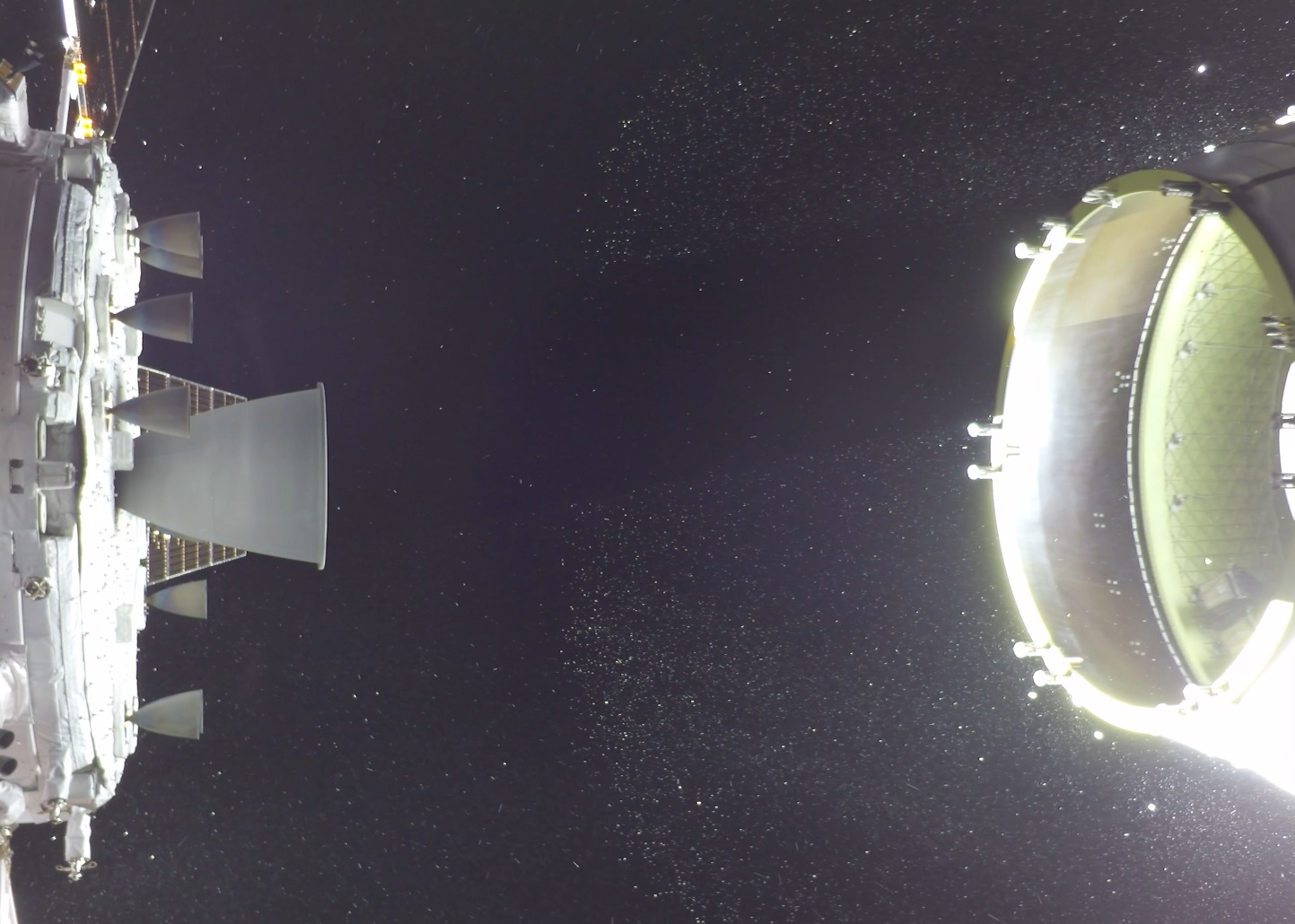
Organizations interested in launching CubeSats on future Artemis missions should respond to NASA’s request for information (RFI) by Monday, June 1, for initial consideration. “The SLS (Space Launch System) rocket and the Artemis missions provide great op...
Why shown: TIER1 nasa primary article; mission mapped to Artemis Program; authority-tier ranked source.
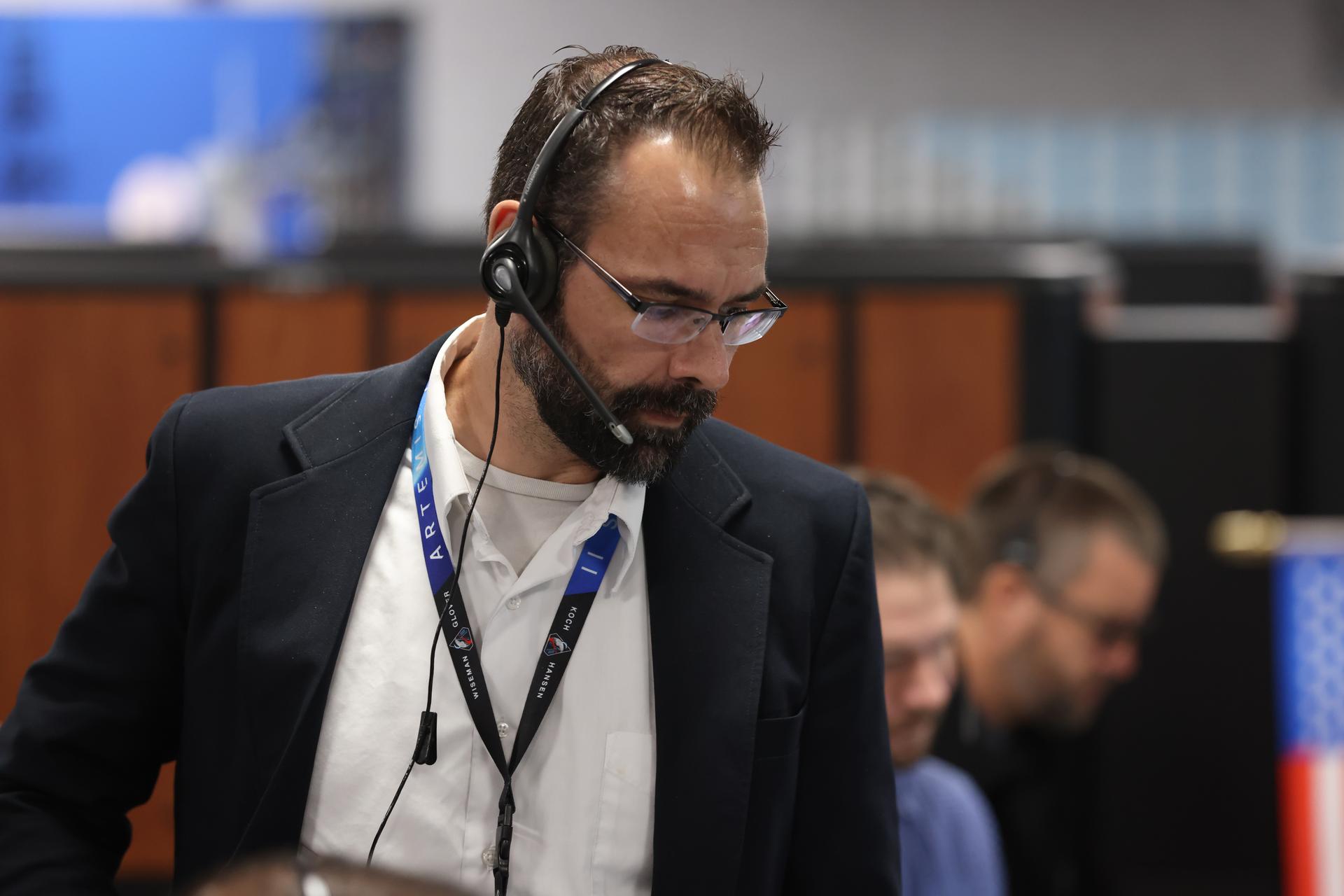
Listen to this audio excerpt from Anton Kiriwas, senior technical integration manager for NASA’s Exploration Ground Systems Program: When Anton Kiriwas first spotted an image of the Moon and Mars hanging over a job fair booth while in college, it captured his...
Why shown: TIER1 nasa primary article; mission mapped to Artemis Program; authority-tier ranked source.
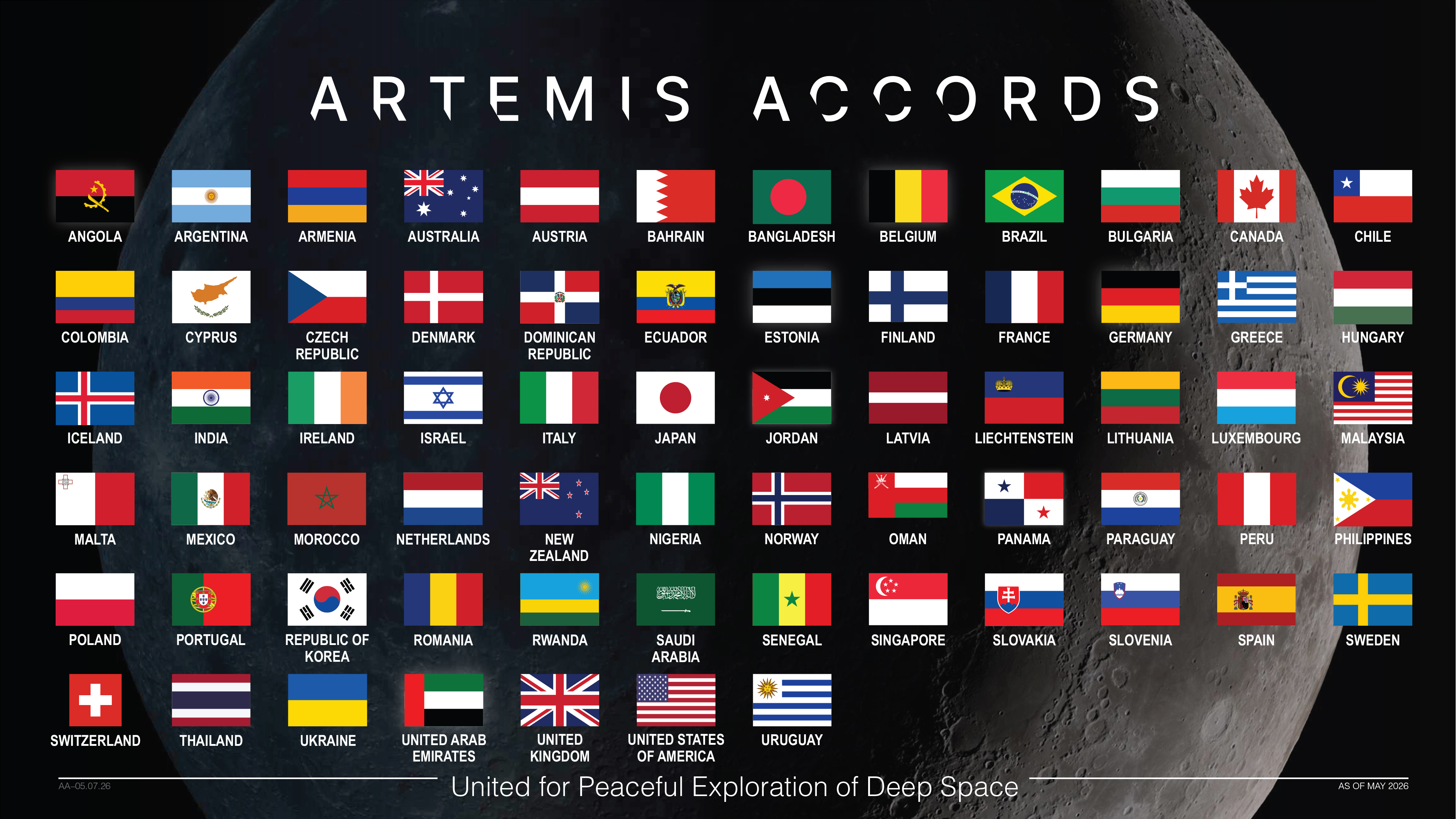
The Republic of Paraguay signed the Artemis Accords on Thursday during a ceremony in Asunción, becoming the latest nation to commit to the shared principles guiding civil space exploration. “Today, I am proud to welcome Paraguay as the 67th signatory to the A...
Why shown: TIER1 nasa primary article; mission mapped to Artemis Program; authority-tier ranked source.
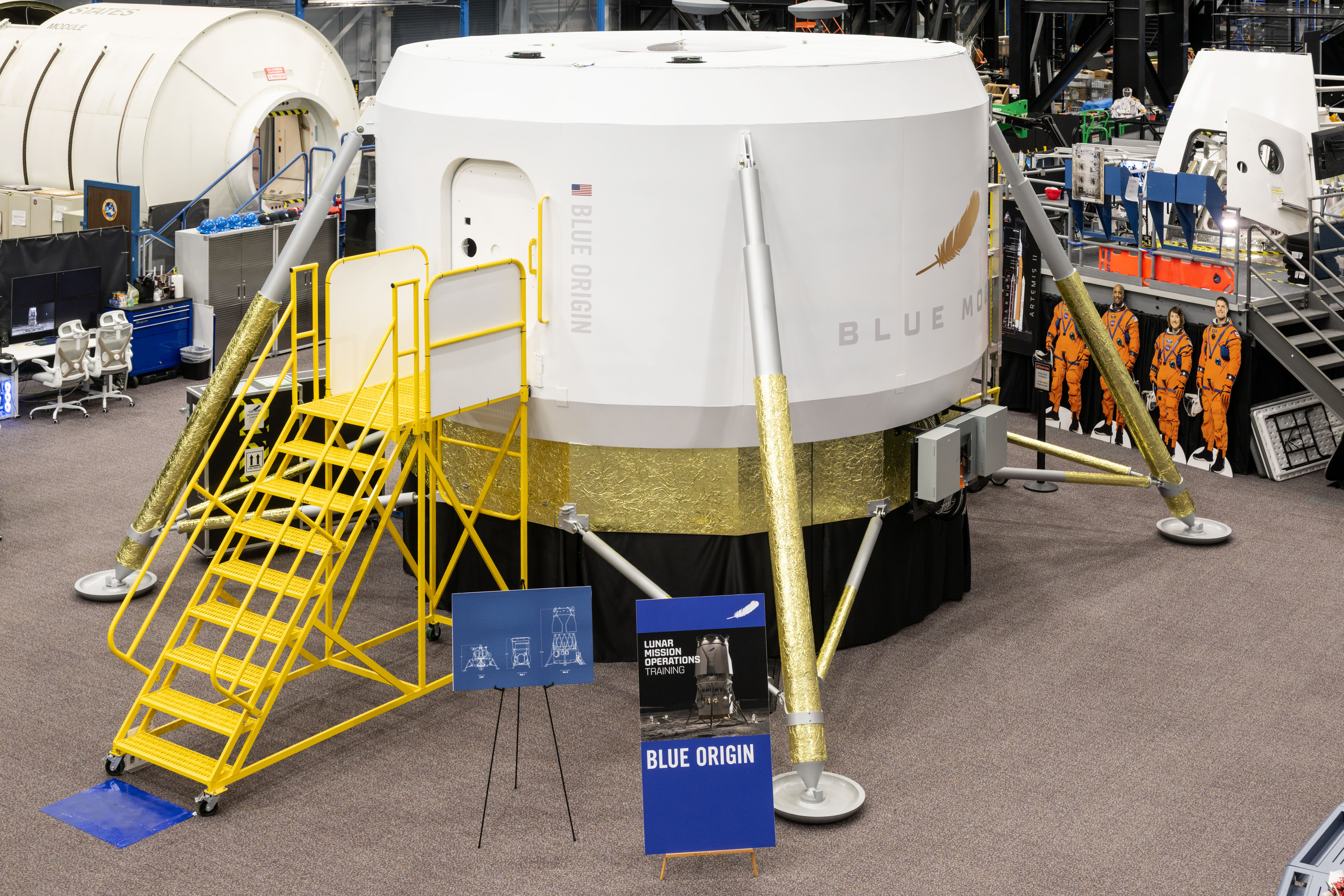
A full-scale mock-up of a crew cabin for a future industry lunar lander for NASA’s Artemis program now is operational for training and testing. The agency and its industry partners will use Blue Origin’s Blue Moon Mark 2 crew cabin for mission simulations as...
Why shown: TIER1 nasa primary article; mission mapped to Artemis Program; authority-tier ranked source.
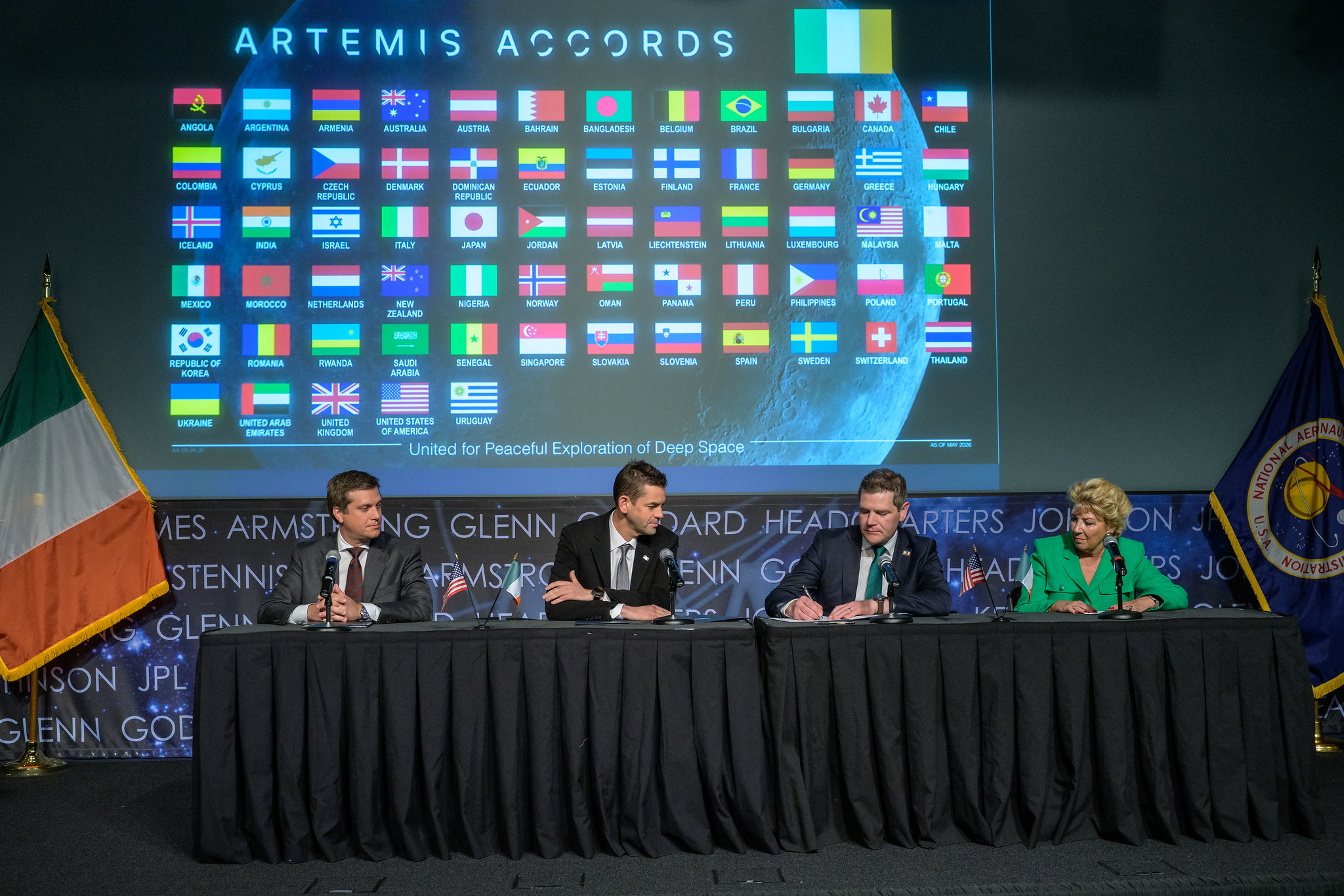
Ireland signed the Artemis Accords Monday during a signing ceremony hosted by NASA, becoming the latest nation to commit to the responsible exploration of space for all humanity. Ireland, a longstanding member of ESA (European Space Agency) and a valued inter...
Why shown: TIER1 nasa primary article; mission mapped to Artemis Program; authority-tier ranked source.
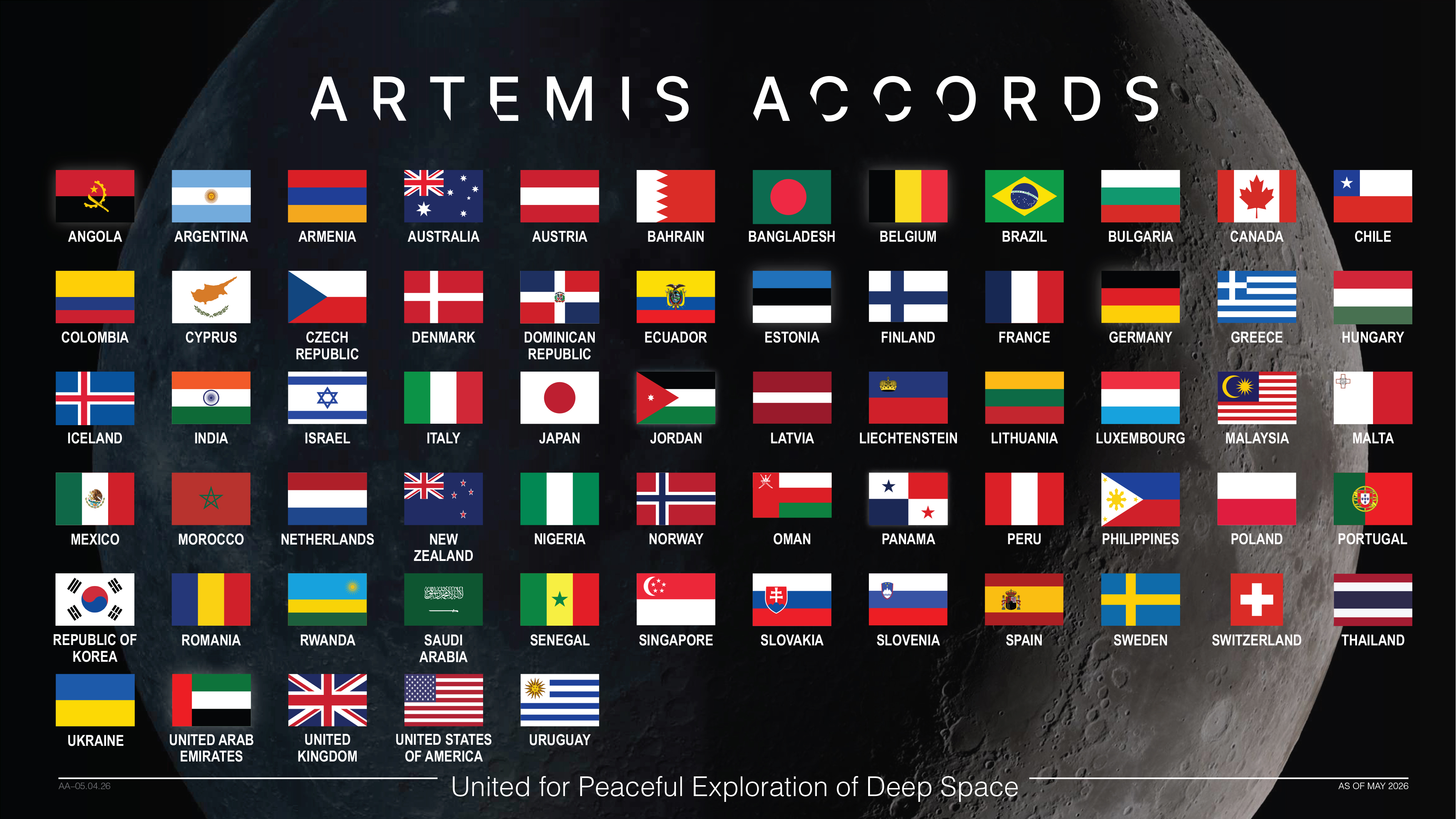
The Republic of Malta became the 65th signatory to the Artemis Accords on Monday during a ceremony in the town of Kalkara with NASA and U.S. Department of State officials present. “Today, it’s my pleasure to welcome the Republic of Malta to the Artemis Accord...
Why shown: TIER1 nasa primary article; mission mapped to Artemis Program; authority-tier ranked source.
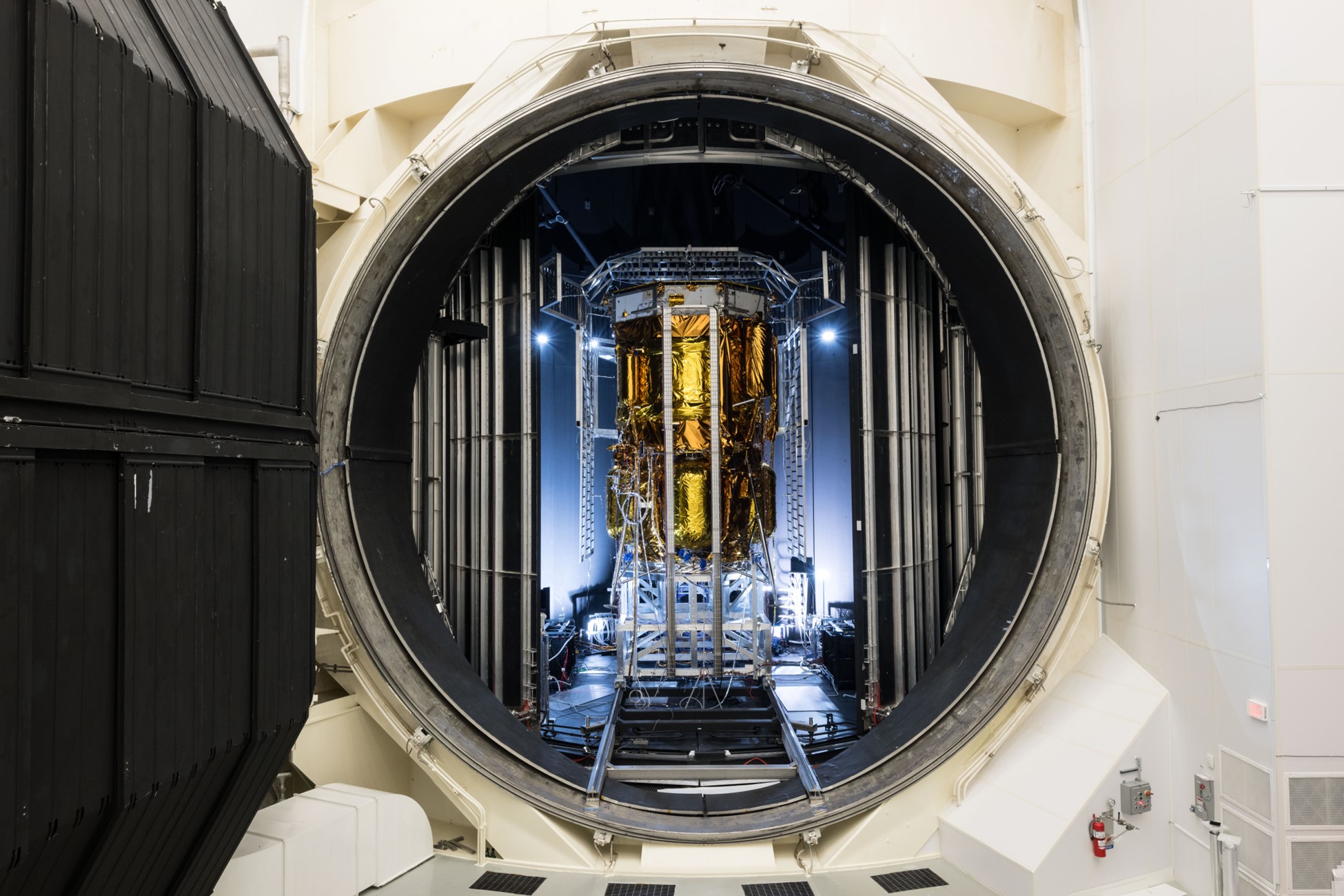
Also known as Endurance, MK1 is an uncrewed cargo lander funded by Blue Origin as a commercial demonstration mission to advance Human Landing System capabilities in support of NASA’s Artemis program. The tests in Chamber A represent a public-private partnersh...
Why shown: TIER1 nasa primary article; mission mapped to Artemis Program; authority-tier ranked source.
Ireland will sign the Artemis Accords during a ceremony at 3 p.m. EDT Monday, May 4, at NASA Headquarters in Washington. NASA Administrator Jared Isaacman will host Ambassador of Ireland to the United States of America Geraldine Byrne Nason; Minister for Ente...
Why shown: TIER1 nasa primary article; mission mapped to Artemis Program; authority-tier ranked source.
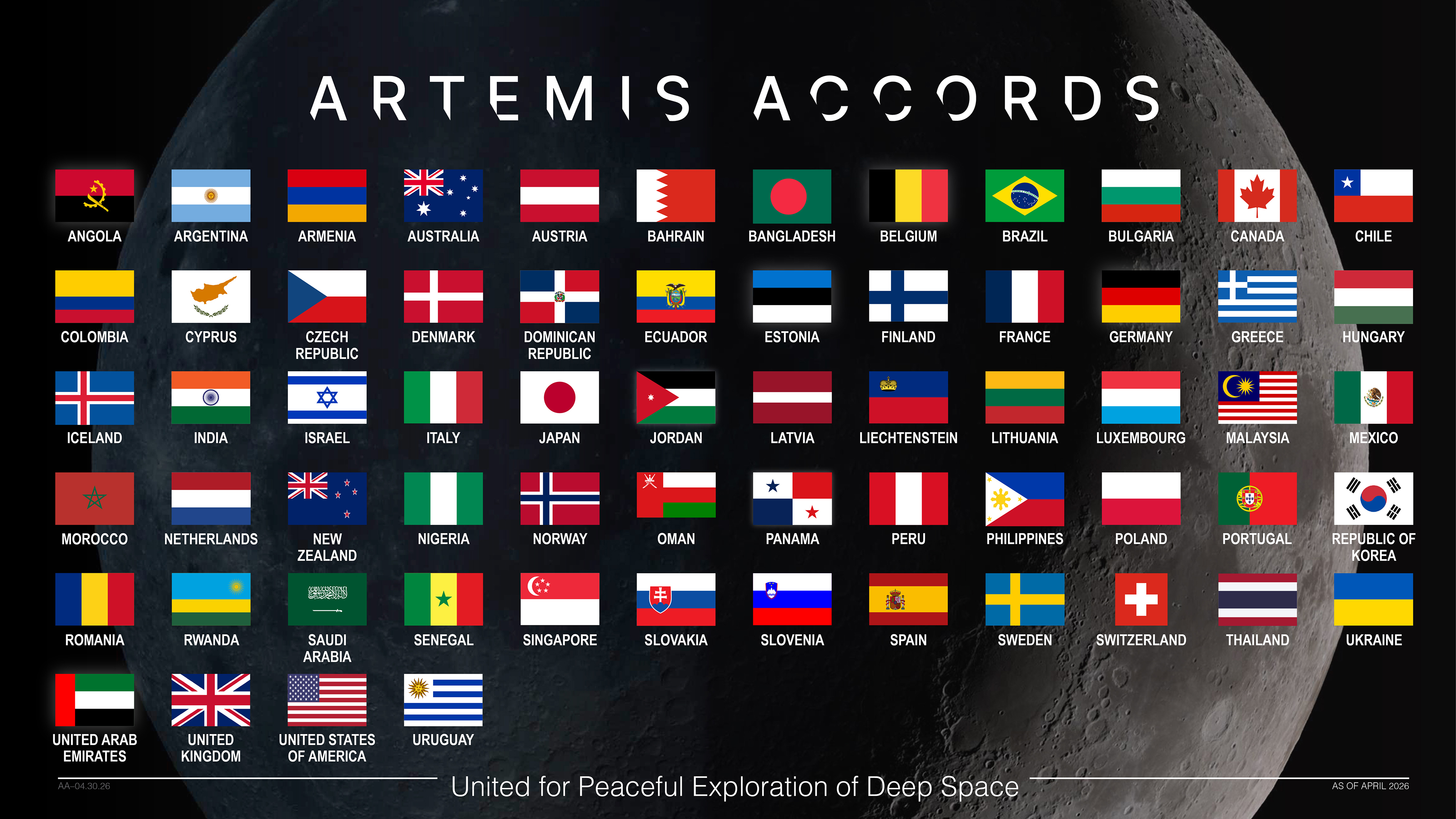
The Kingdom of Morocco signed the Artemis Accords on April 29th during a ceremony in the country’s capital, Rabat, becoming the latest nation to commit to the responsible exploration of space. “It is my privilege to welcome the Kingdom of Morocco as the newes...
Why shown: TIER1 nasa primary article; mission mapped to Artemis Program; authority-tier ranked source.
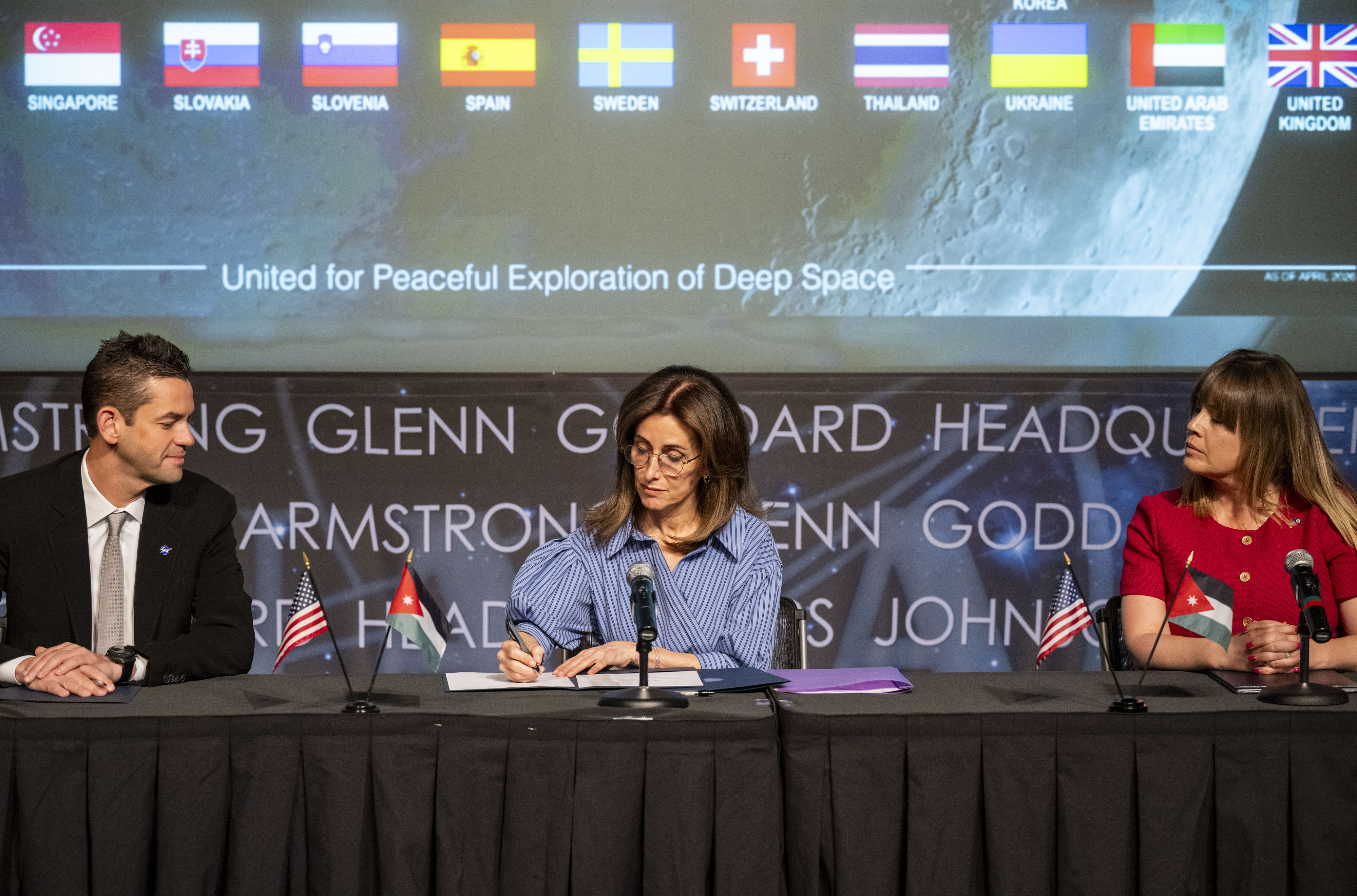
The Hashemite Kingdom of Jordan signed the Artemis Accords Thursday during a ceremony hosted by NASA at the agency’s headquarters in Washington, becoming the latest nation to commit to responsible space exploration to benefi...
Why shown: TIER1 nasa primary article; mission mapped to Artemis Program; authority-tier ranked source.

On March 21, 2026, NASA’s Johnson Space Center Director Vanessa Wyche took the stage at the Space House event at South by Southwest in Austin, Texas, to outline NASA’s next giant leap in human spaceflight — from low Earth orbit to the Moon...
Why shown: TIER1 nasa primary article; mission mapped to Artemis Program; authority-tier ranked source.
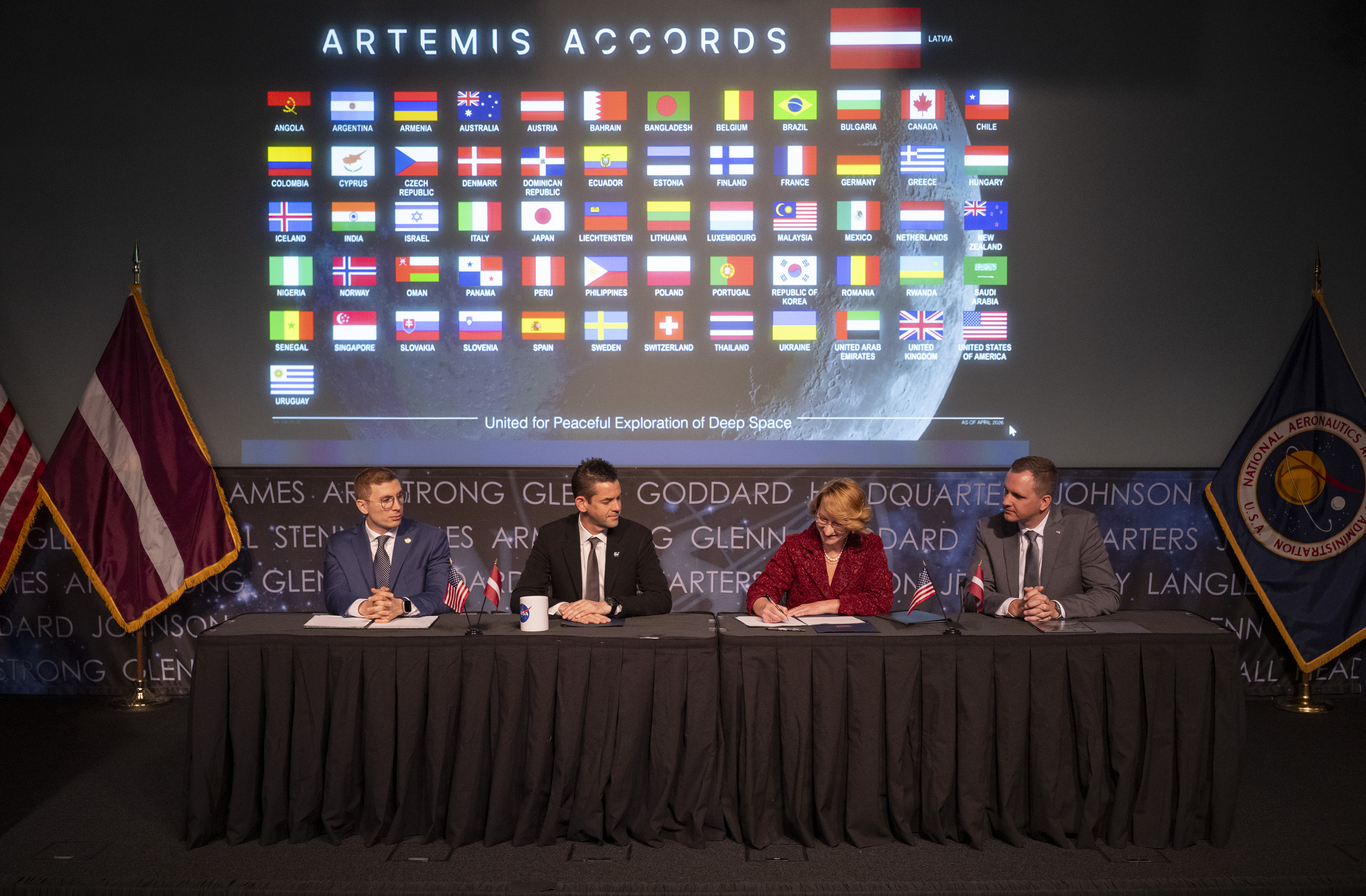
The Republic of Latvia signed the Artemis Accords Monday during a ceremony hosted by NASA at the agency’s headquarters in Washington, becoming the 62nd nation to commit to responsible space exploration for all huma...
Why shown: TIER1 nasa primary article; mission mapped to Artemis Program; authority-tier ranked source.
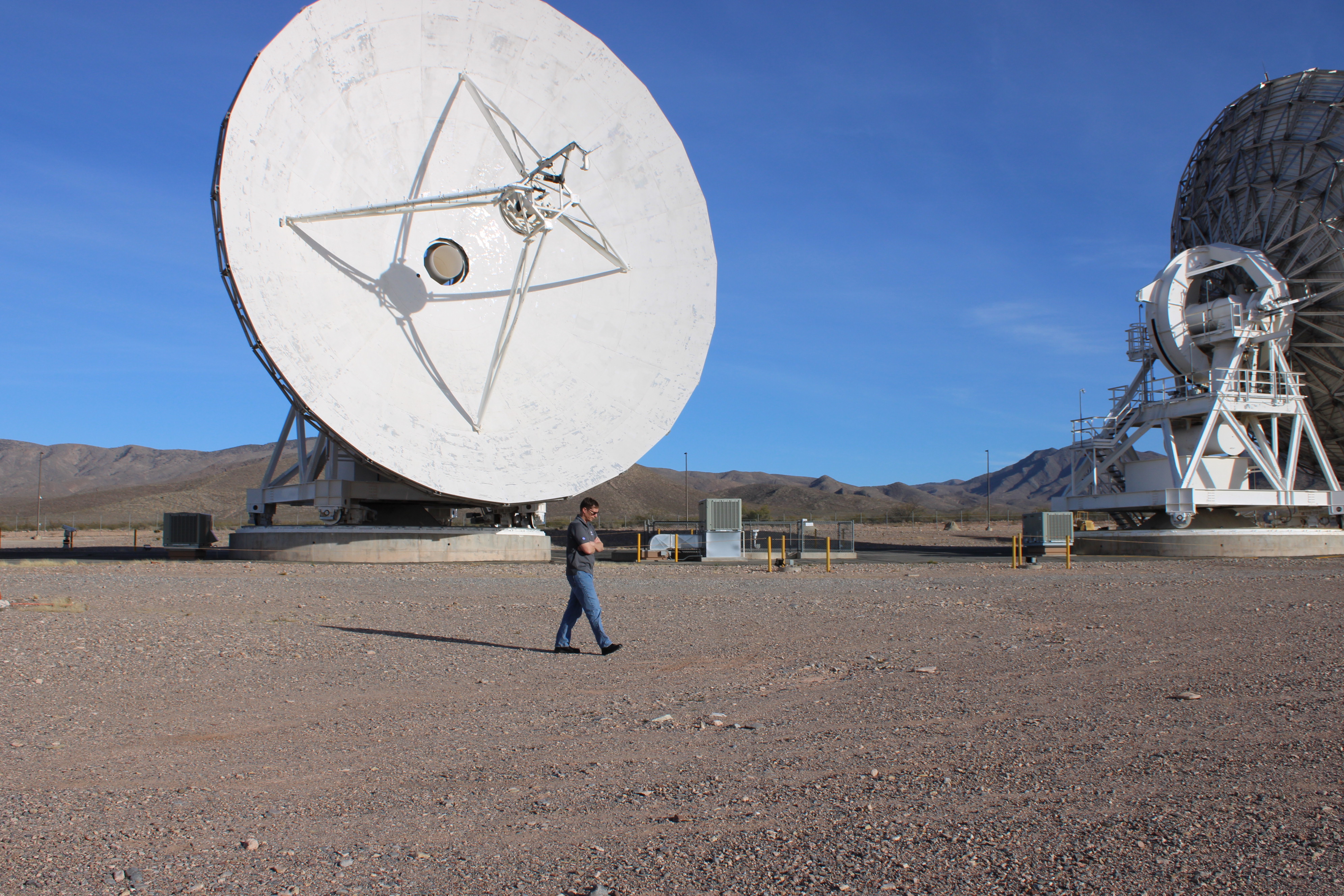
Listen to this audio excerpt from Erik Richards, Near Space Network Mission Manager: For Erik Richards, supporting NASA’s first crewed Artemis mission to the Moon and back is the culmination of a career spent helping spacecraft commun...
Why shown: TIER1 nasa primary article; mission mapped to Artemis Program; authority-tier ranked source.
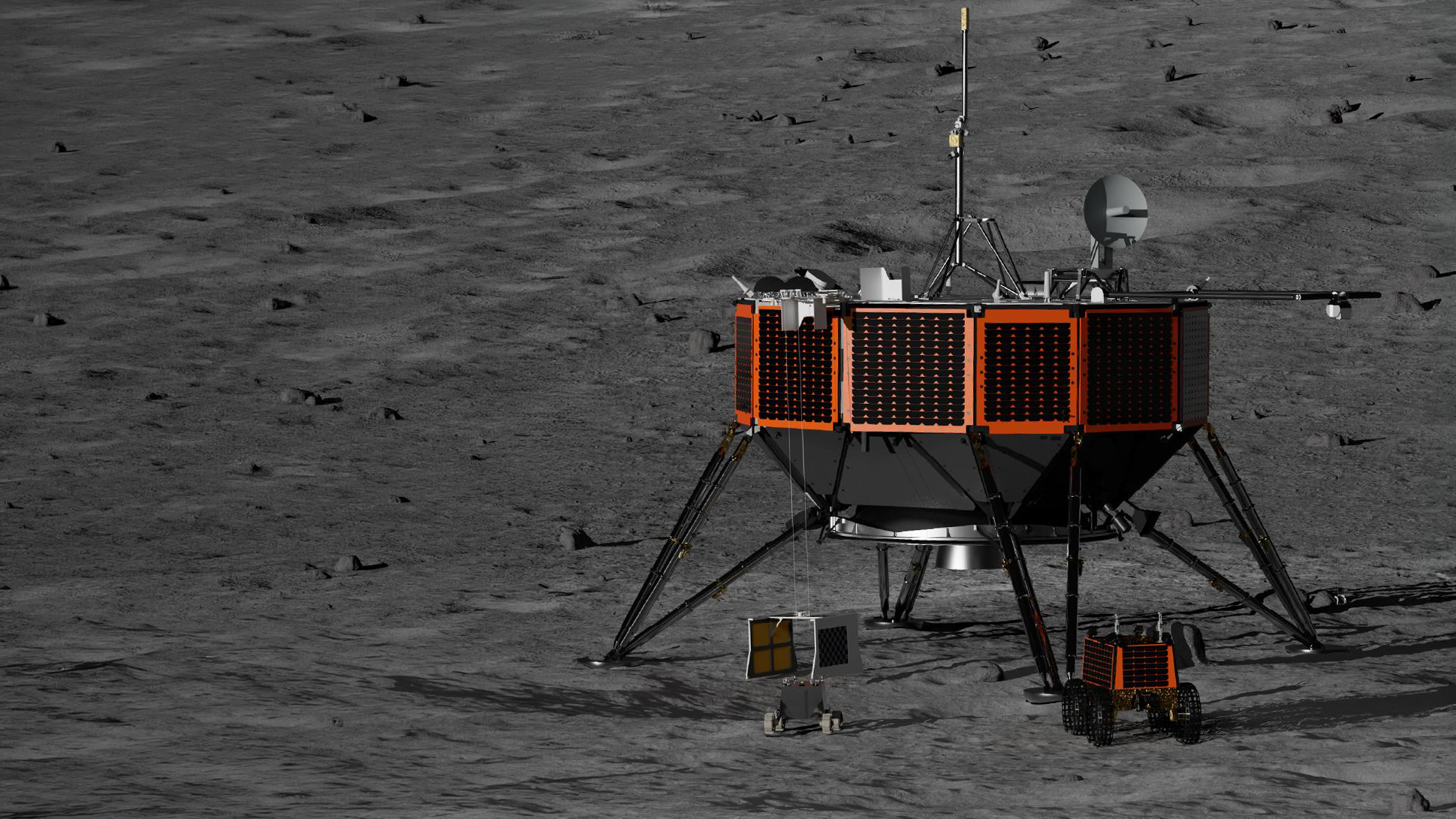
NASA has awarded Intuitive Machines of Houston, $180.4 million to deliver NASA-funded science and technology to the lunar surface as part of the agency’s CLPS (Commercial Lunar Payload Services) initiative and Artemis program. This lunar delivery, which inclu...
Why shown: TIER1 nasa primary article; mission mapped to Artemis Program; authority-tier ranked source.
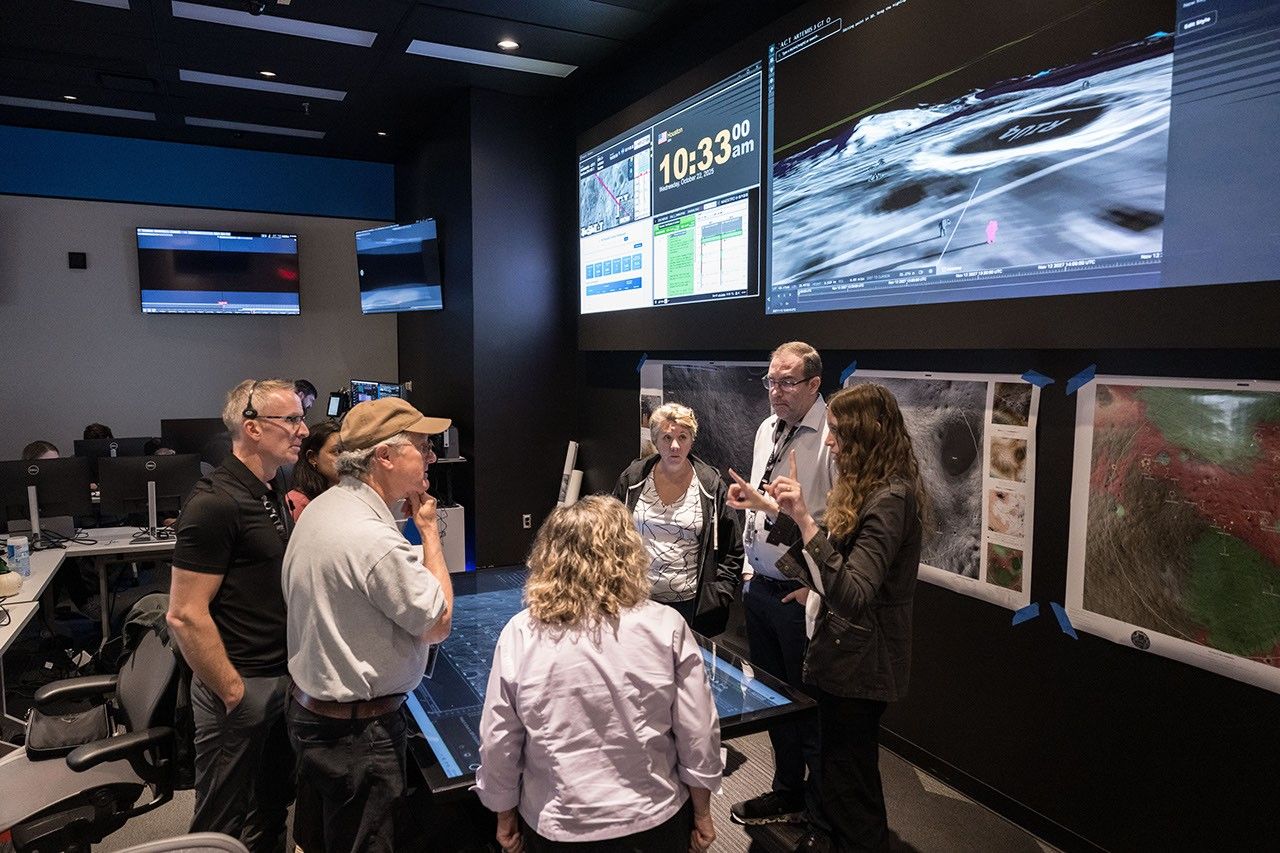
NASA has selected 10 participating scientists to help shape a science plan for astronauts to complete on the lunar surface under the Artemis program – including deploying scientific instruments, making critical observations of the landing site, and collecting...
Why shown: TIER1 nasa primary article; mission mapped to Artemis Program; authority-tier ranked source.
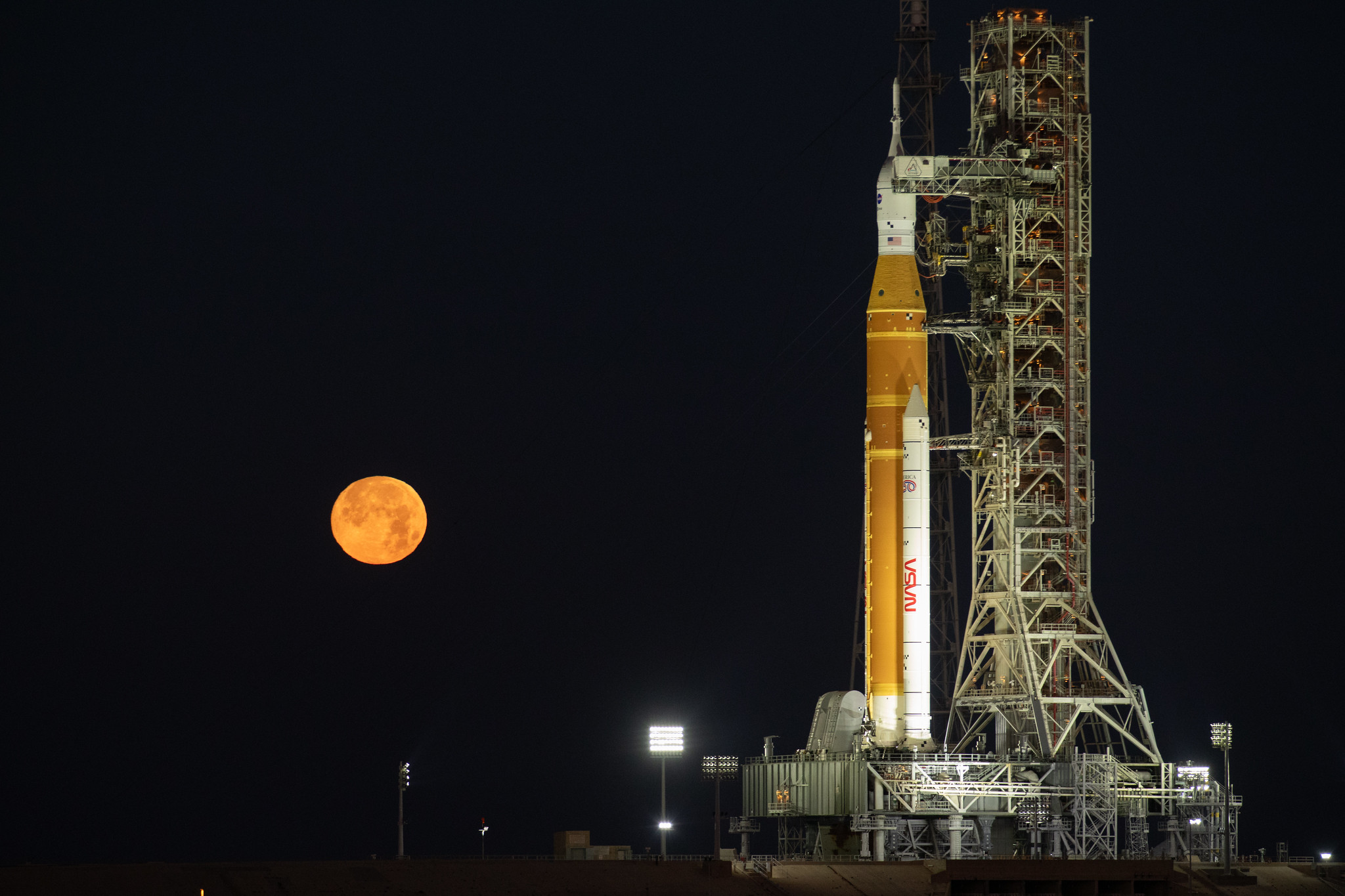
Read this story in English here. A fin de lograr el objetivo nacional de llevar astronautas estadounidenses a la superficie de la Luna y mantener la superioridad de Estados Unidos en exploración y descubrimientos, la NASA anunció el 27 de febrero que aum...
Why shown: TIER1 nasa primary article; mission mapped to Artemis Program; authority-tier ranked source.
To achieve the national goal of landing American astronauts on the surface of the Moon and maintaining U.S. superiority in exploration and discovery, NASA announced Feb. 27 it is increasing its cadence of missions under the Artemis program, standardizing the...
Why shown: TIER1 nasa primary article; mission mapped to Artemis Program; authority-tier ranked source.
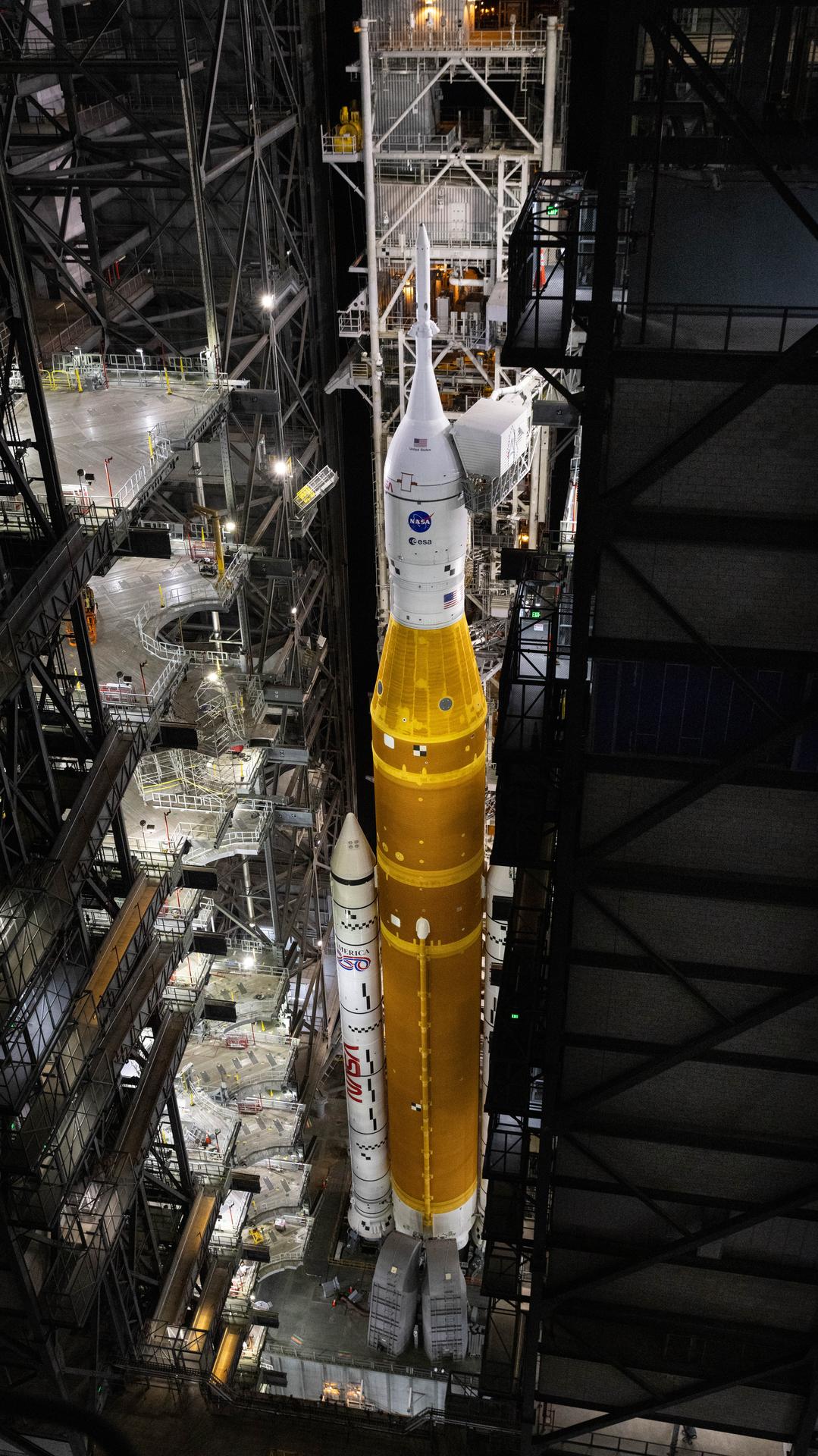
As part of a Golden Age of exploration and discovery, NASA announced Friday the agency is increasing its cadence of missions under the Artemis program to achieve the national objective of returning American astronauts to the Moon and establishing an enduring...
Why shown: TIER1 nasa primary article; mission mapped to Artemis Program; authority-tier ranked source.
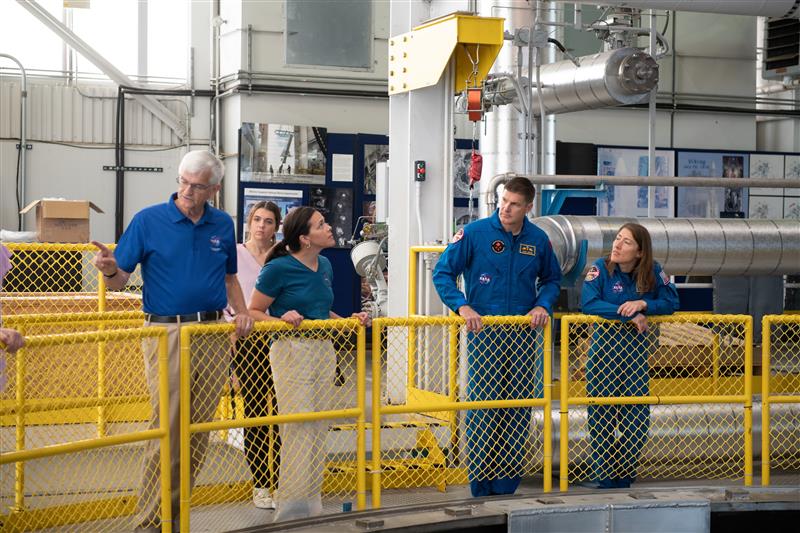
Listen to this audio excerpt from Katie Oriti, Orion European Service Module Integration Office manager: Growing up in rural America, Katie Oriti could only dream of working for NASA. Not because she wasn’t inspired by the dark, star-filled skies of her homet...
Why shown: TIER1 nasa primary article; mission mapped to Artemis Program; authority-tier ranked source.
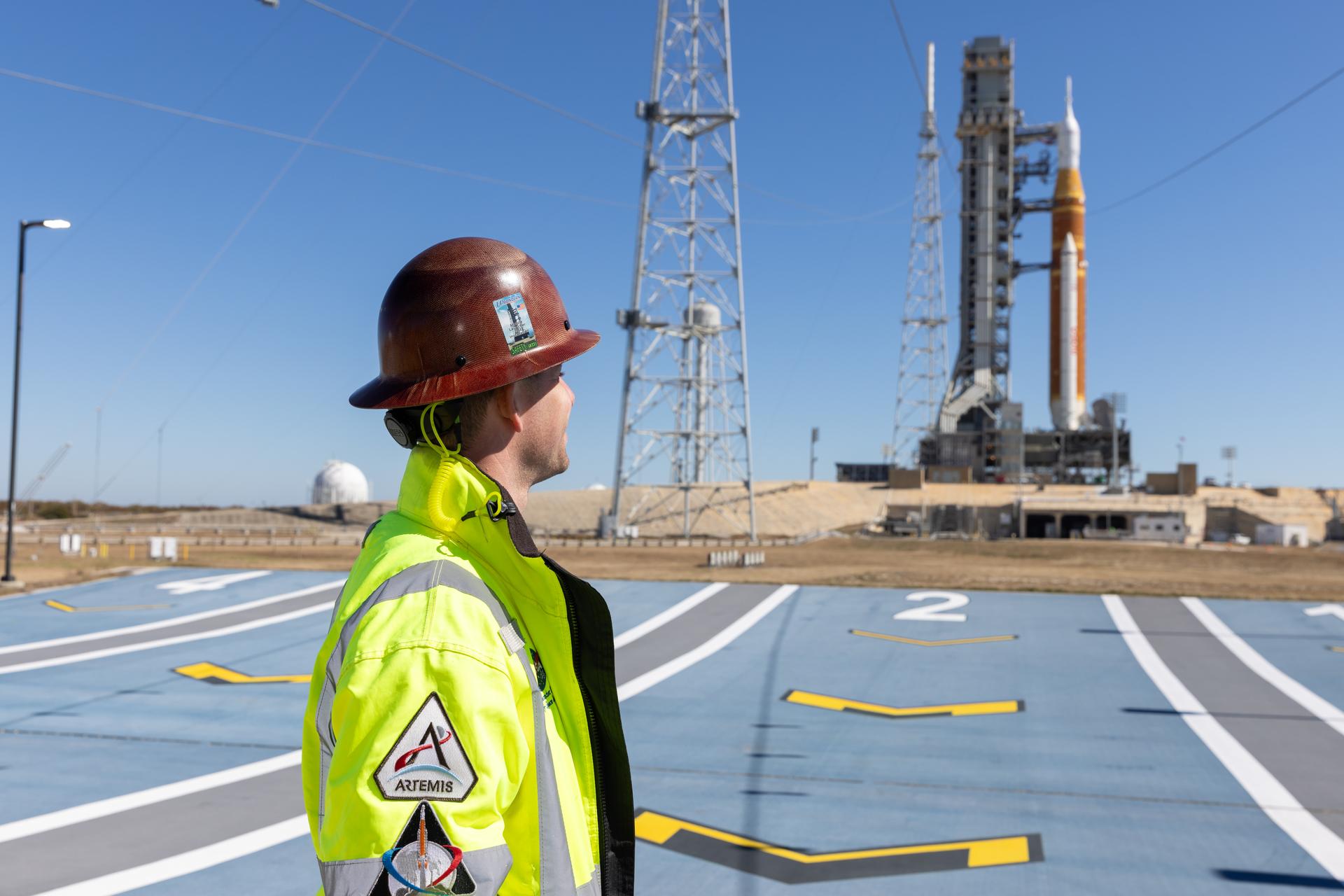
Jesse Berdis’s dream of becoming a structural engineer began with visions of skyscrapers rising above the Dallas and Oklahoma skyline. Today, that dream has soared beyond city limits, reaching towering heights at the agency’s Kennedy Space Center in Florida.
Why shown: TIER1 nasa primary article; mission mapped to Artemis Program; authority-tier ranked source.
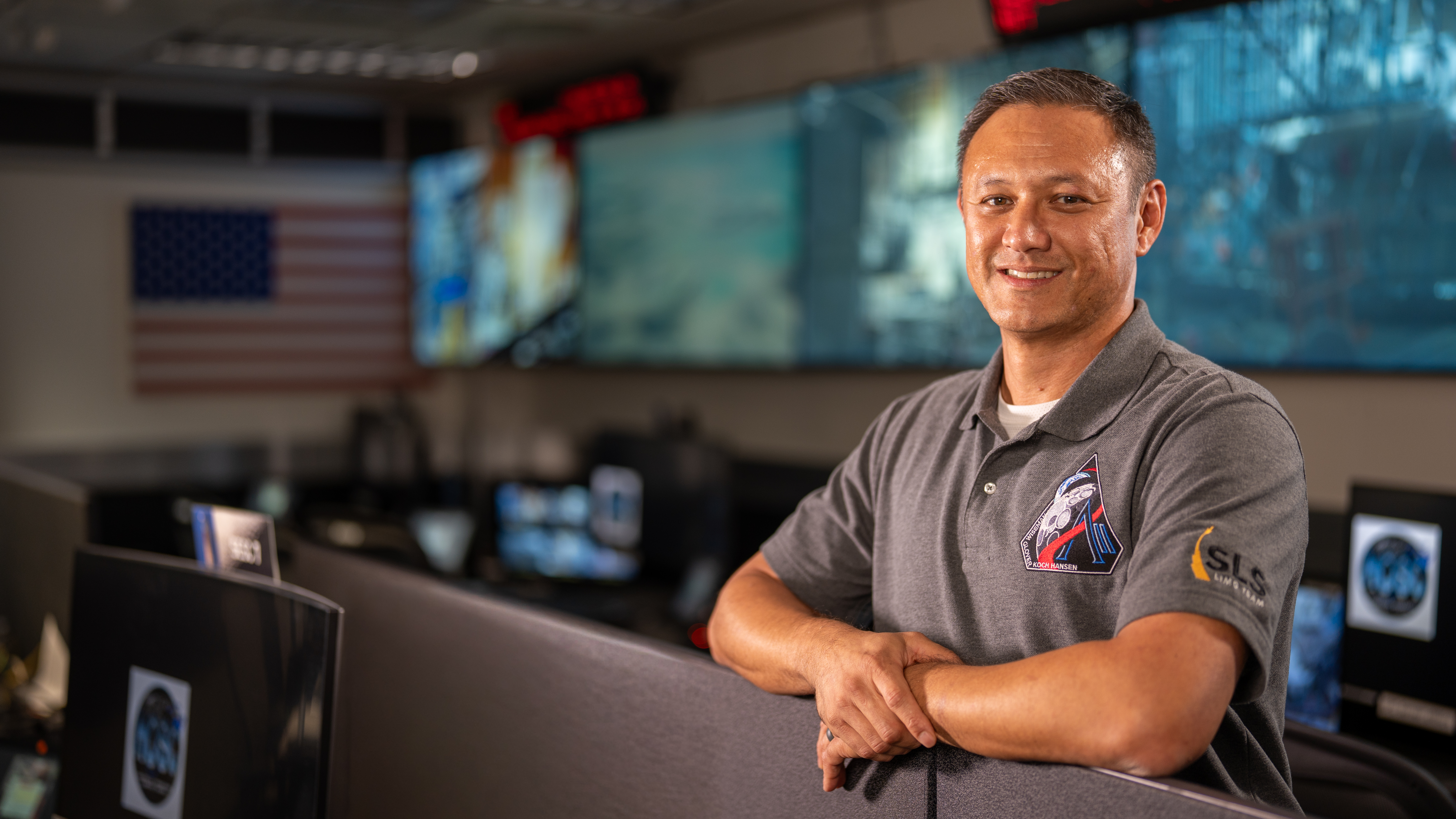
Doug Parkinson’s face lights up as he starts telling his story, how someone from  Wisconsin now plays a part in the team that will help land the first Artemis astronauts on to the Moon. Parkinson serves as NASA’s SLS (Space Launch System) rocket lead for...
Why shown: TIER1 nasa primary article; mission mapped to Artemis Program; authority-tier ranked source.
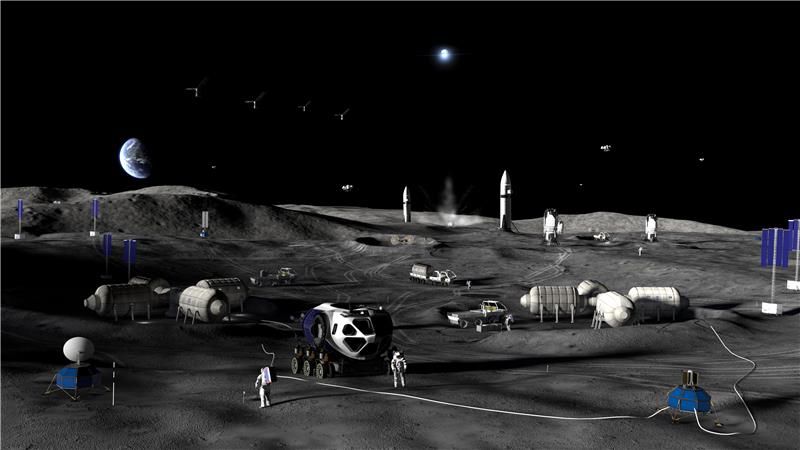
As part of its “Ignition” event on Tuesday, NASA announced a series of transformative agencywide initiatives designed to achieve President Donald J. Trump’s National Space Policy and advance American leadership in space. These actions reflect the urgency of t...
Why shown: TIER1 nasa primary article; mission mapped to Artemis Program; authority-tier ranked source.
As teams get ready for the first crewed Artemis mission, which will take a crew of four around the Moon and back in 10 days, engineers with NASA’s Exploration Ground Systems Program tested the new liquid hydrogen sphere, which holds one of the cryogenic prope...
Why shown: TIER1 nasa primary article; mission mapped to Artemis Program; authority-tier ranked source.