
Loading
TMinusZero
Loading
Preparing the latest launch data.
TMinusZero
Loading
Preparing the latest launch data.

Cursor-paged feed of authority-ranked Artemis items from articles, NASA media assets, social posts, and structured program data.
The Orion spacecraft’s thrusters ignited for the second return trajectory correction burn to fine‑tune the spacecraft’s path toward Earth. Splashdown of Artemis II is expected around 8:07pm ET on Friday, April 10 (0007 UTC on Saturday, April 11), off the co...
Why shown: TIER1 media social; mission mapped to Artemis II; official social post.
RT @NASA: Our Artemis II astronauts are headed back to Earth after their test flight around the Moon. Listen to the latest episode of our…
Why shown: TIER1 media social; mission mapped to Artemis II; official social post.
RT @NASA: They're halfway home. The Artemis II astronauts have hit the "halfway" mark between the Moon and the Earth. They will splash d…
Why shown: TIER1 media social; mission mapped to Artemis II; official social post.
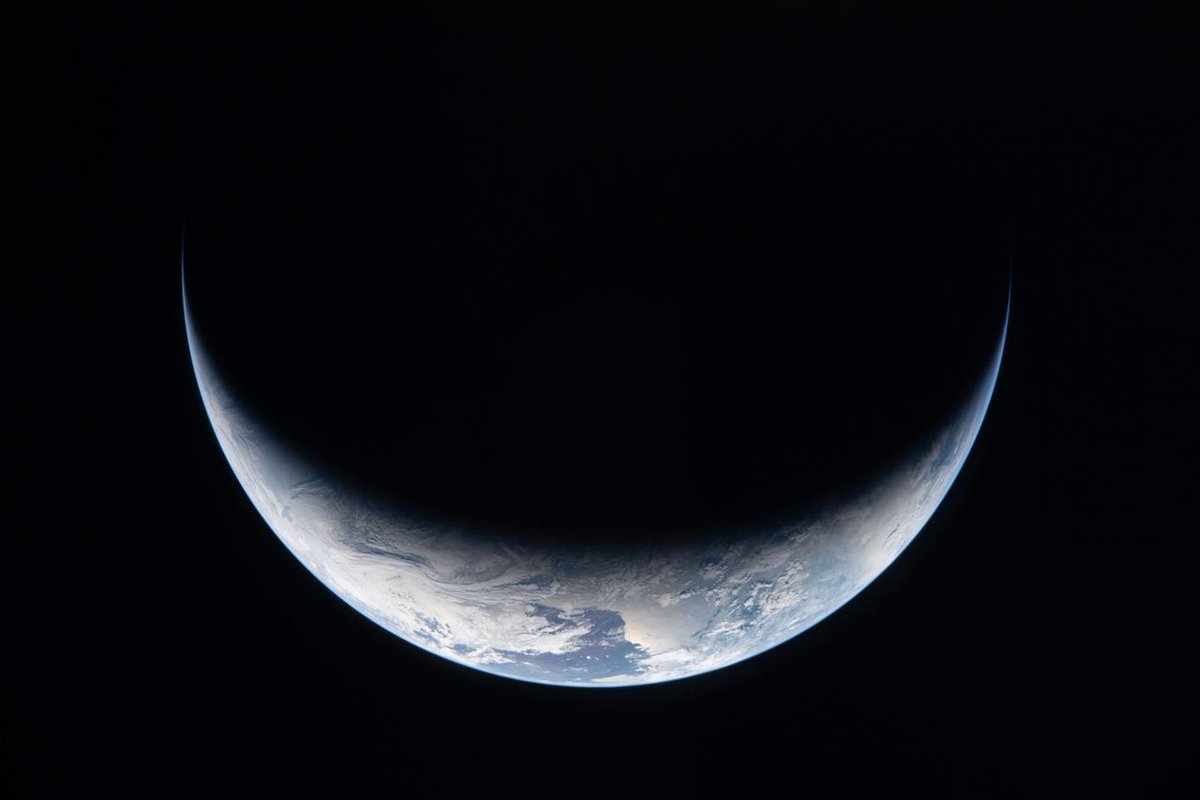
RT @NASA: They're halfway home. The Artemis II astronauts have hit the "halfway" mark between the Moon and the Earth. They will splash d…
Why shown: TIER1 media photo; mission mapped to Artemis II; authority-tier ranked source.
They're halfway home. The Artemis II astronauts have hit the "halfway" mark between the Moon and the Earth. They will splash down in the Pacific Ocean around 8:07 pm ET on Friday, April 10 (0007 UTC on Saturday, April 11), off the coast of San Diego. https...
Why shown: TIER1 media social; mission mapped to Artemis II; official social post.
They're halfway home. The Artemis II astronauts have hit the "halfway" mark between the Moon and the Earth. They will splash down in the Pacific Ocean around 8:07 pm ET on Friday, April 10 (0007 UTC on Saturday, April 11), off the coast of San Diego. https...
Why shown: TIER1 media photo; mission mapped to Artemis II; authority-tier ranked source.
"But ultimately, we will always choose Earth. We will always choose each other.” — @Astro_Christina The Artemis II crew captured this view of a crescent Earth above the horizon on the Moon’s far side on April 6, 2026. https://t.co/iEuj8JyT9h
Why shown: TIER1 media social; mission mapped to Artemis II; official social post.

"But ultimately, we will always choose Earth. We will always choose each other.” — @Astro_Christina The Artemis II crew captured this view of a crescent Earth above the horizon on the Moon’s far side on April 6, 2026. https://t.co/iEuj8JyT9h
Why shown: TIER1 media photo; mission mapped to Artemis II; authority-tier ranked source.
“This is a relay race.” Mission specialist Christina Koch describes how the Artemis II astronauts have not only been focused on their mission — but on all future Artemis missions, which will build on their lessons learned and successes. https://t.co/lXTOCk9O...
Why shown: TIER1 media social; mission mapped to Artemis II; official social post.
RT @NASAScience_: Artemis II is on its way home after traveling around the Moon! You’ve seen the incredible images, but this mission was…
Why shown: TIER1 media social; mission mapped to Artemis II; official social post.
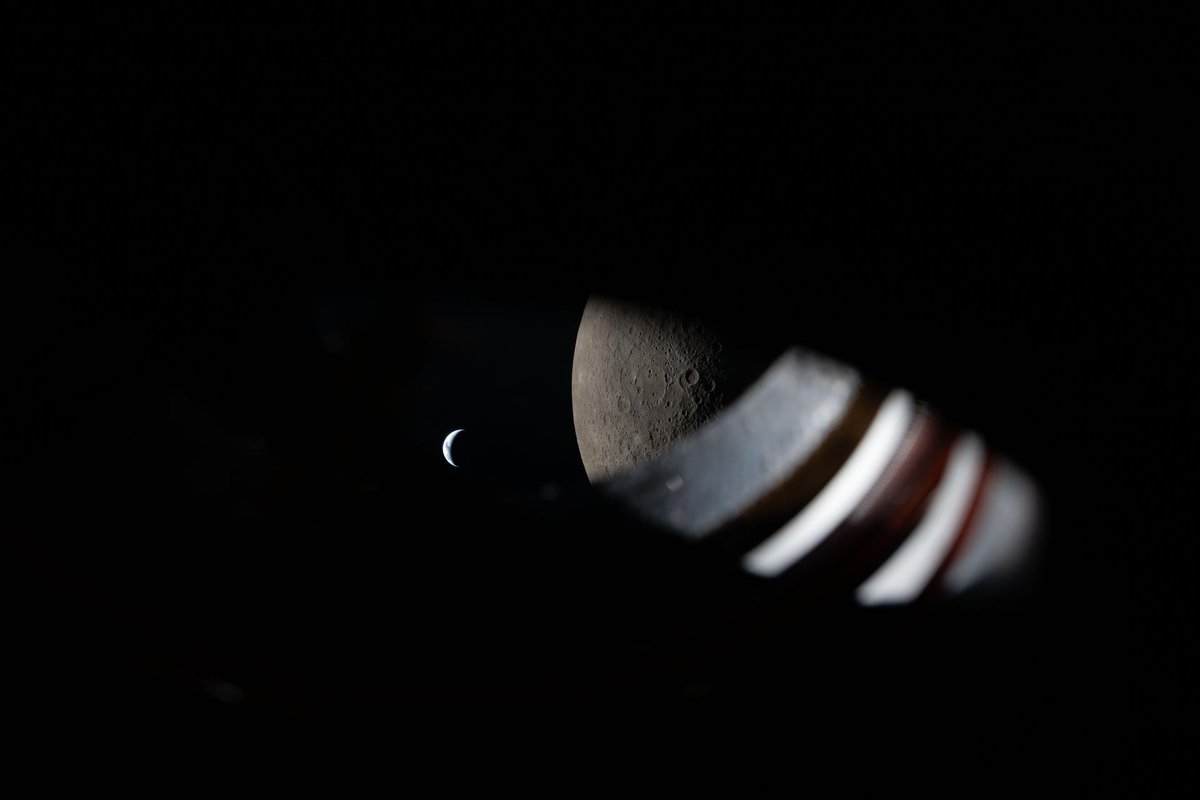
RT @NASAScience_: Artemis II is on its way home after traveling around the Moon! You’ve seen the incredible images, but this mission was…
Why shown: TIER1 media photo; mission mapped to Artemis II; authority-tier ranked source.
Our Artemis II astronauts are headed back to Earth after their test flight around the Moon. Listen to the latest episode of our Curious Universe podcast to learn how we'll bring the crew home: https://t.co/5c0wToicQW https://t.co/OKlTEeLAS1
Why shown: TIER1 media social; mission mapped to Artemis II; official social post.
RT @NASA: LIVE: Agency leaders answer media questions and provide updates on our Artemis II mission around the Moon. https://t.co/8SWdRAQlJF
Why shown: TIER1 media social; mission mapped to Artemis II; official social post.
LIVE: Agency leaders answer media questions and provide updates on our Artemis II mission around the Moon. https://t.co/8SWdRAQlJF
Why shown: TIER1 media social; mission mapped to Artemis II; official social post.
RT @NASA: The Artemis II crew had the rare chance to see a solar eclipse from space. 🚀🌘☀️ This video stitches together views from Orion's…
Why shown: TIER1 media social; mission mapped to Artemis II; official social post.
The Artemis II crew had the rare chance to see a solar eclipse from space. 🚀🌘☀️ This video stitches together views from Orion's solar array wing cameras throughout the eclipse, showing the Sun as it disappears behind the Moon, revealing a glowing halo arou...
Why shown: TIER1 media social; mission mapped to Artemis II; official social post.
The Artemis II astronauts recently showed off some of their historic cargo aboard the Orion spacecraft, including the American flag prepared for the Apollo 18 mission. The Apollo 18 and 19 missions were cancelled in September 1970 to focus on Skylab and devel...
Why shown: TIER1 media social; mission mapped to Artemis II; official social post.
New perspectives of our home planet. As Artemis II flew around the Moon on April 6, the crew captured these images of a crescent Earth from hundreds of thousands of miles away. See the latest photos and videos: https://t.co/rzM1P0QbOl https://t.co/hzxVf8Z7Rh
Why shown: TIER1 media social; mission mapped to Artemis II; official social post.

New perspectives of our home planet. As Artemis II flew around the Moon on April 6, the crew captured these images of a crescent Earth from hundreds of thousands of miles away. See the latest photos and videos: https://t.co/rzM1P0QbOl https://t.co/hzxVf8Z7Rh
Why shown: TIER1 media photo; mission mapped to Artemis II; authority-tier ranked source.
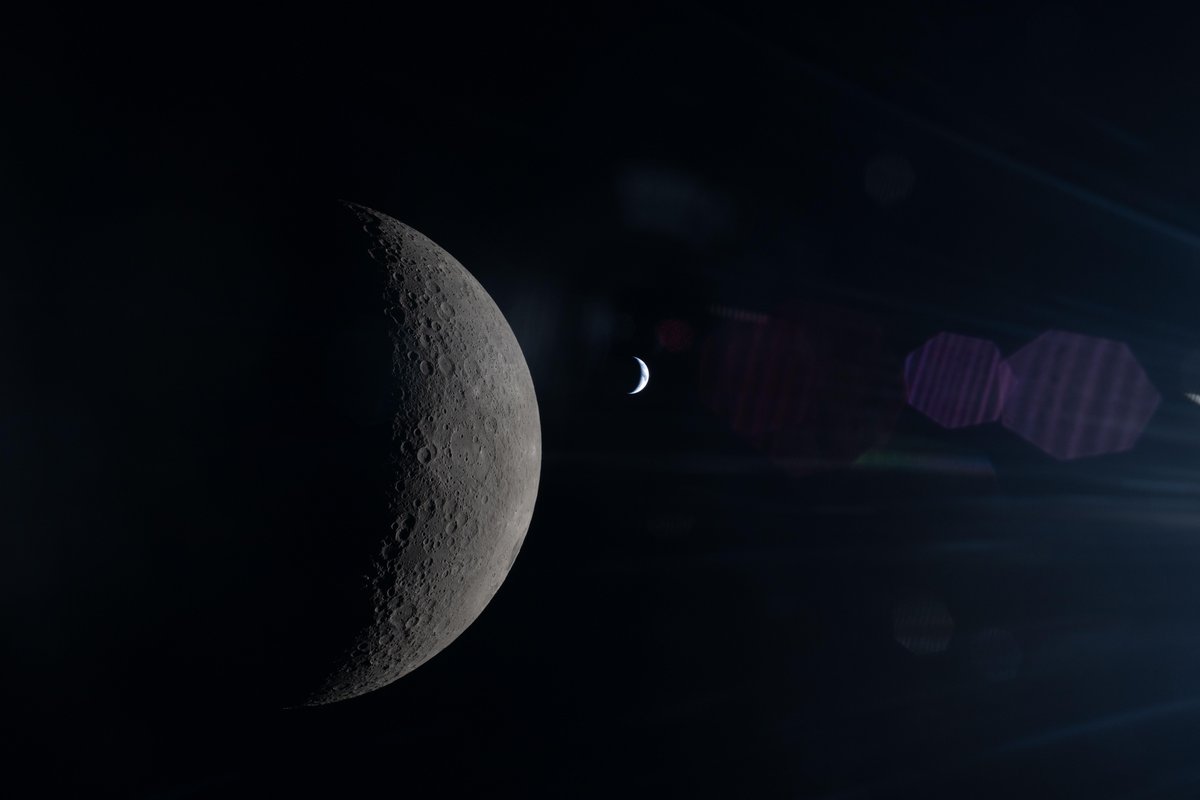
New perspectives of our home planet. As Artemis II flew around the Moon on April 6, the crew captured these images of a crescent Earth from hundreds of thousands of miles away. See the latest photos and videos: https://t.co/rzM1P0QbOl https://t.co/hzxVf8Z7Rh
Why shown: TIER1 media photo; mission mapped to Artemis II; authority-tier ranked source.
Charlie Crockett's "Lonesome Drifter" marks the beginning of flight day 9 for the Artemis II astronauts. Enjoy the Moon tunes on our Wake-Up Songs Spotify playlist: https://t.co/2fcXhC5iEN https://t.co/oRM3I9oGyq
Why shown: TIER1 media social; mission mapped to Artemis II; official social post.

RT @NASA: Artemis II is locked in 🔒 As they flew around the Moon, the Artemis II crew took turns capturing science data and taking photos…
Why shown: TIER1 media photo; mission mapped to Artemis II; authority-tier ranked source.
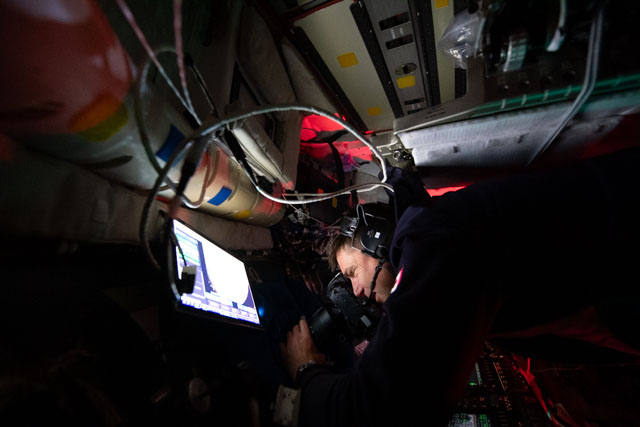
RT @NASA: Artemis II is locked in 🔒 As they flew around the Moon, the Artemis II crew took turns capturing science data and taking photos…
Why shown: TIER1 media photo; mission mapped to Artemis II; authority-tier ranked source.
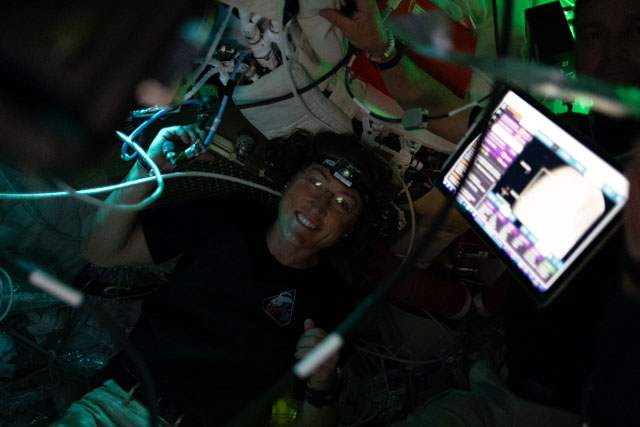
RT @NASA: Artemis II is locked in 🔒 As they flew around the Moon, the Artemis II crew took turns capturing science data and taking photos…
Why shown: TIER1 media photo; mission mapped to Artemis II; authority-tier ranked source.