
Loading
TMinusZero
Loading
Preparing the latest launch data.
TMinusZero
Loading
Preparing the latest launch data.
Event
UiT The Arctic University of Norway and Andøya Space have now completed the necessary preparations for an all-Norwegian research rocket named MaxiDusty-2. Among other things, the rocket will bring back dust and particles from the mesosphere, so that the researchers can study these carefully in their laboratories. In the period May-August, this area of altitude in the atmosphere is the coldest place on Earth with around 160 degrees below zero. In fact, it has to be that cold before the water that has bound to the dust particles freezes into ice and eventually forms large ice clouds, known as nocturnal clouds.
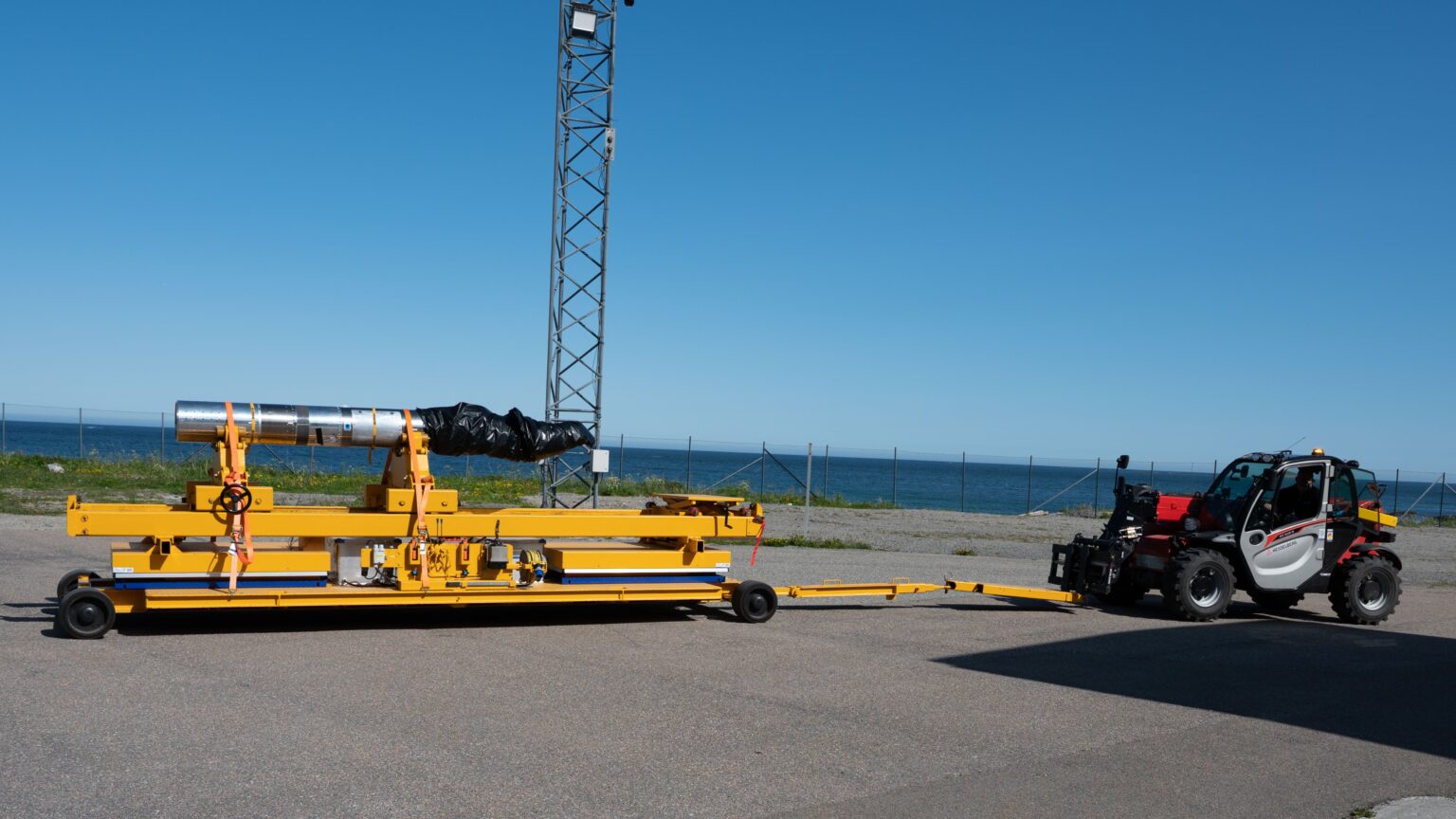
MaxiDusty-2 Sounding Rocket Launch is the event record for catalog id 1210.
UiT The Arctic University of Norway and Andøya Space have now completed the necessary preparations for an all-Norwegian research rocket named MaxiDusty-2. Among other things, the rocket will bring back dust and particles from the mesosphere, so that the researchers can study these carefully in their laboratories. In the period May-August, this area of altitude in the atmosphere is the coldest place on Earth with around 160 degrees below zero. In fact, it has to be that cold before the water that has bound to the dust particles freezes into ice and eventually forms large ice clouds, known as nocturnal clouds.
No related launch rows are currently resolved for this catalog record.
This record is built from the Launch Library 2 public catalog cache. The page keeps provider, pad, vehicle, astronaut, event, and location records separate from launch detail pages so source-backed facts stay easy to audit.
MaxiDusty-2 Sounding Rocket Launch is treated as a non-launch event record. Use it for event identity, event timing, type, external references, and any linked launch context rather than as a primary launch schedule page.
This page owns the catalog record. Collection pages own browsing, launch pages own mission timing and status, and the info hub explains the wider public-data surface.
Data provided by The Space Devs - Launch Library 2.