Catalog Collection
Rocket configurations and variants with manufacturer context.
Launch VehiclesN/A
A Russian intercontinental ballistic orbital launch vehicle. Three stage vehicle based on R-29RM SLBM
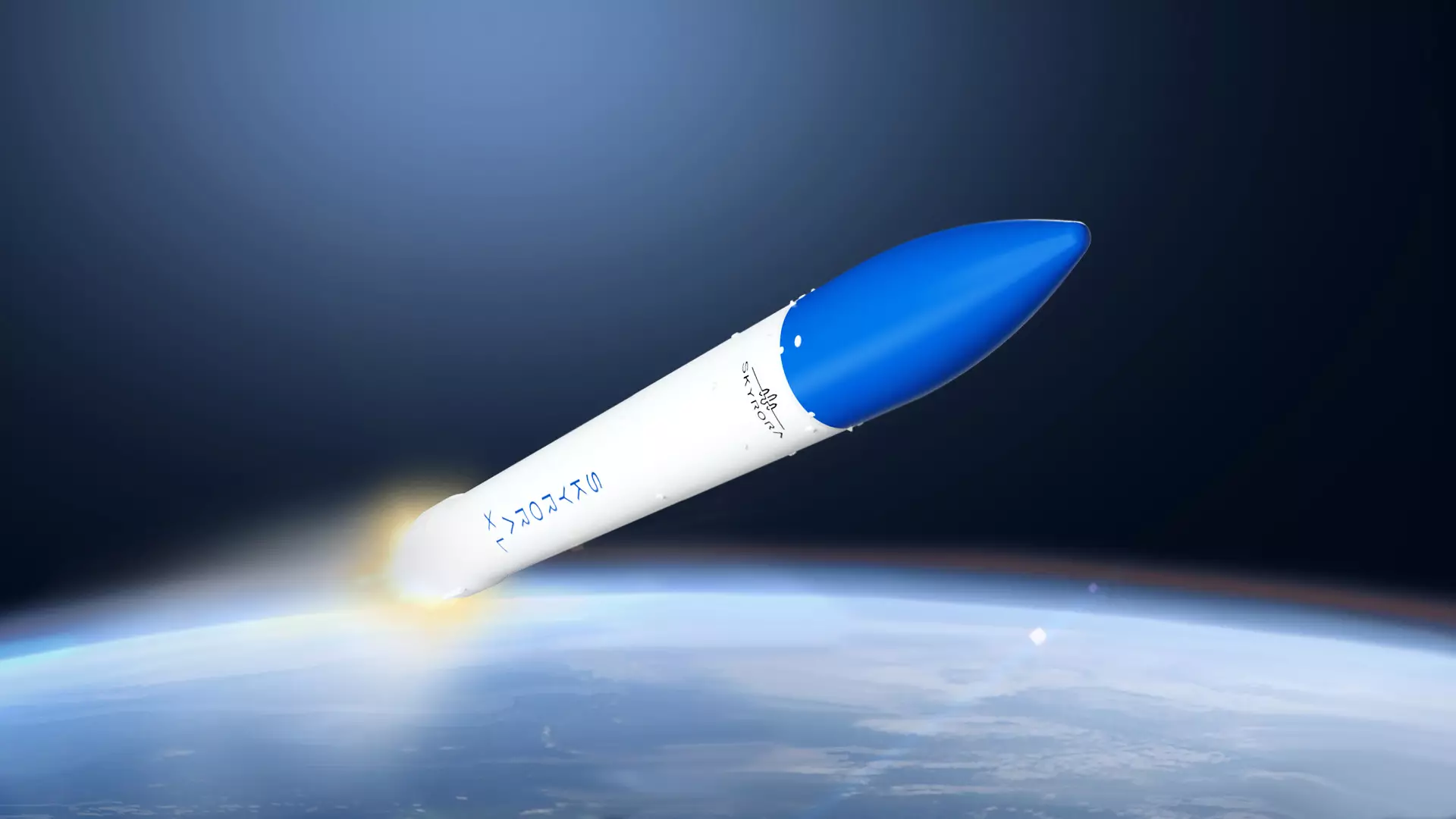
Launch VehiclesThe Skyrora XL is a three-stage orbital launch vehicle under development with nine hydrogen peroxide–kerosene engines of the same type used...
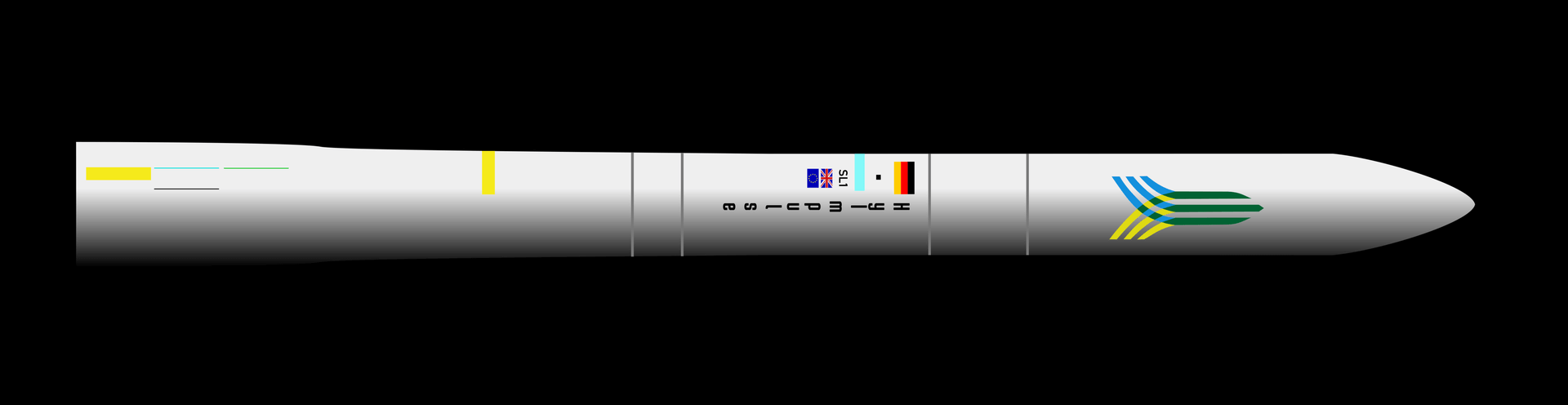
Launch Vehicles3-stage orbital launch vehicle developed by German private company HyImpulse, with capability of up to 600 kg to Low Earth Orbit. All 3 sta...
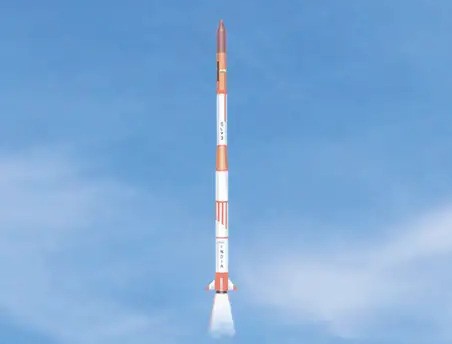
Launch VehiclesThe Satellite Launch Vehicle or SLV is a Small-lift launch vehicle, was a project started in the early 1970s by the Indian Space Research O...
The Convair SM-65B Atlas, or Atlas B, also designated X-12 was a prototype of the Atlas missile. First flown on 19 July 1958, the Atlas B w...
Launch VehiclesThe SM-65D Atlas, or Atlas D, was the first operational version of the U.S. Atlas missile. Atlas D was first used as an intercontinental ba...
The SM-65E Atlas, or Atlas-E, was an operational variant of the Atlas missile. It first flew on 11 October 1960, and was deployed as an ope...
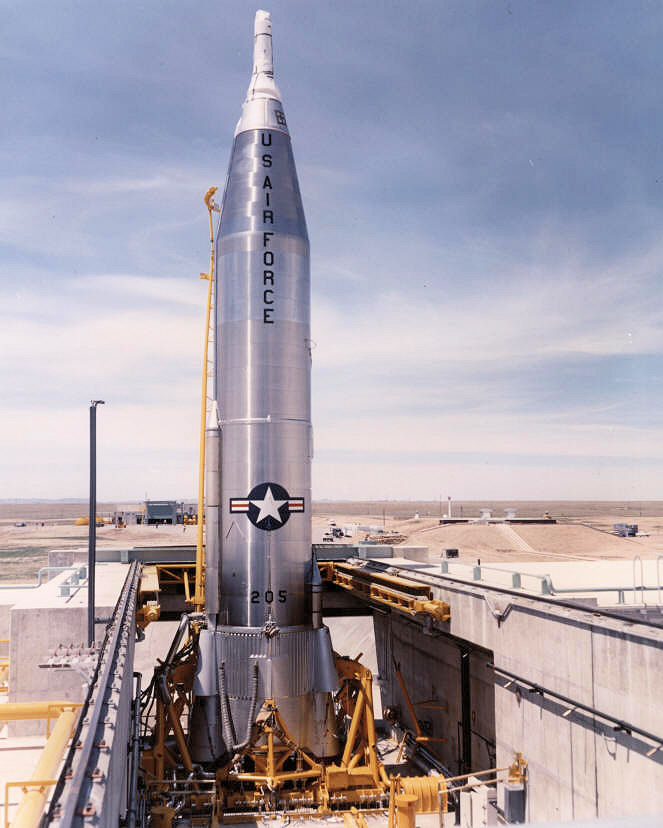
The SM-65F Atlas, or Atlas-F, was the final operational variant of the Atlas missile, only differing from the Atlas E in the launch facilit...
Smart Dragon-1 is a solid fuel orbital rocket designed by a subsidiary of the state-owned CASC group built for the commercial market.
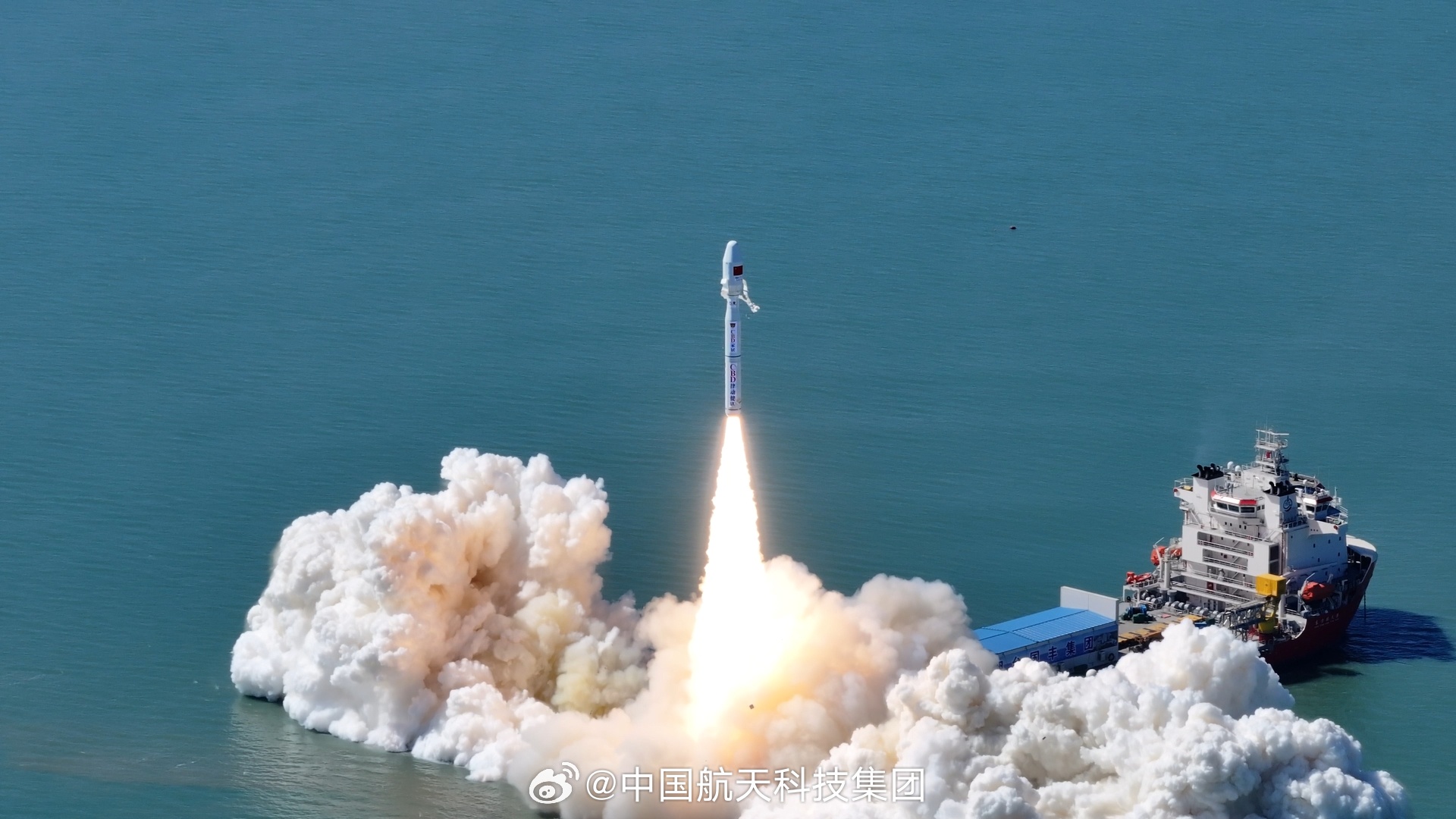
Launch VehiclesSmart Dragon-3 is a solid fuel orbital rocket designed by a subsidiary of the state-owned CASC group built for the commercial market.
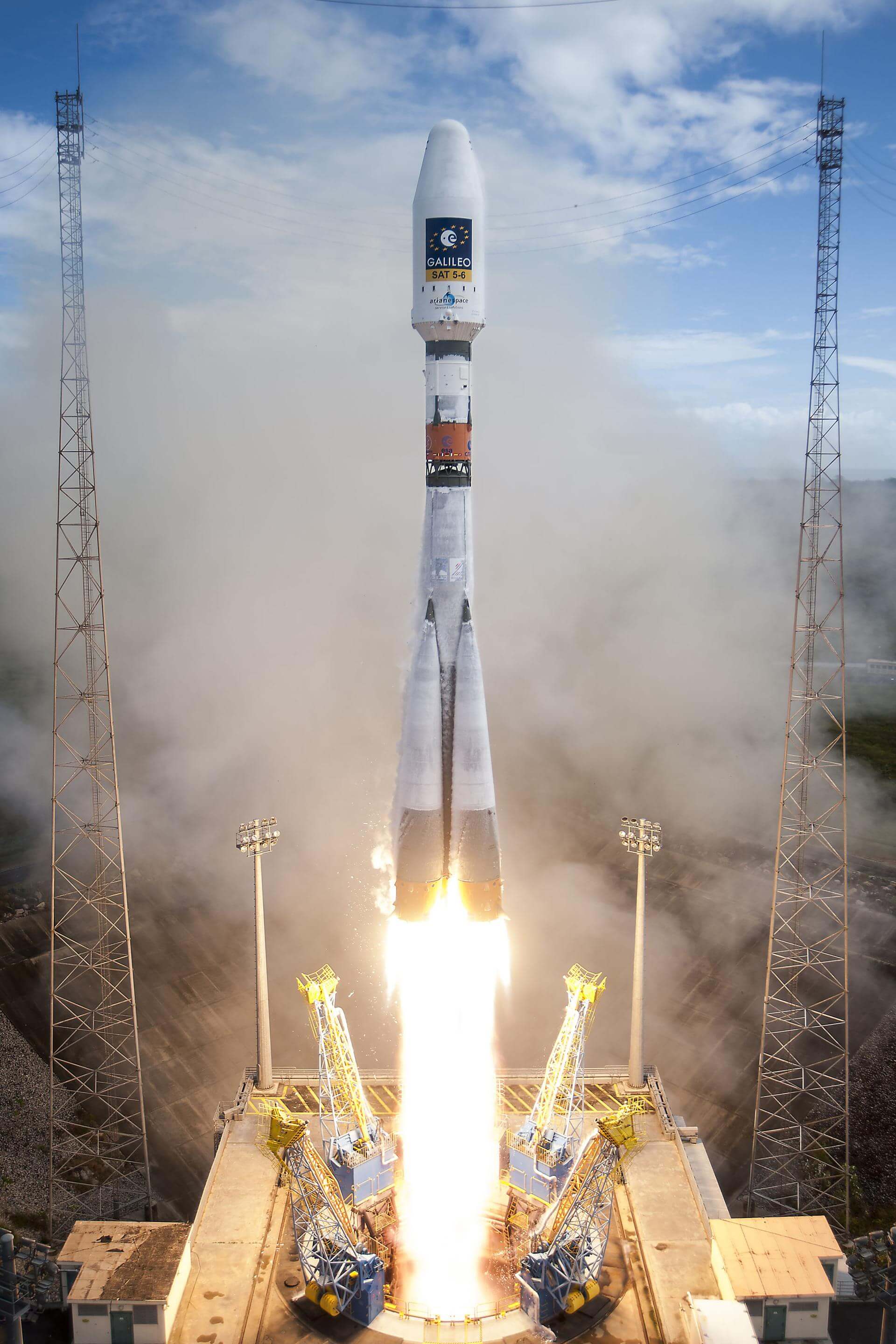
The Soyuz/Vostok, also known as just Soyuz or Vostok, or by its GRAU index, 11A510 was an interim expendable carrier rocket used by the Sov...
The Soyuz was a Soviet expendable carrier rocket designed in the 1960s by OKB-1 and manufactured by State Aviation Plant No. 1 in Kuybyshev...
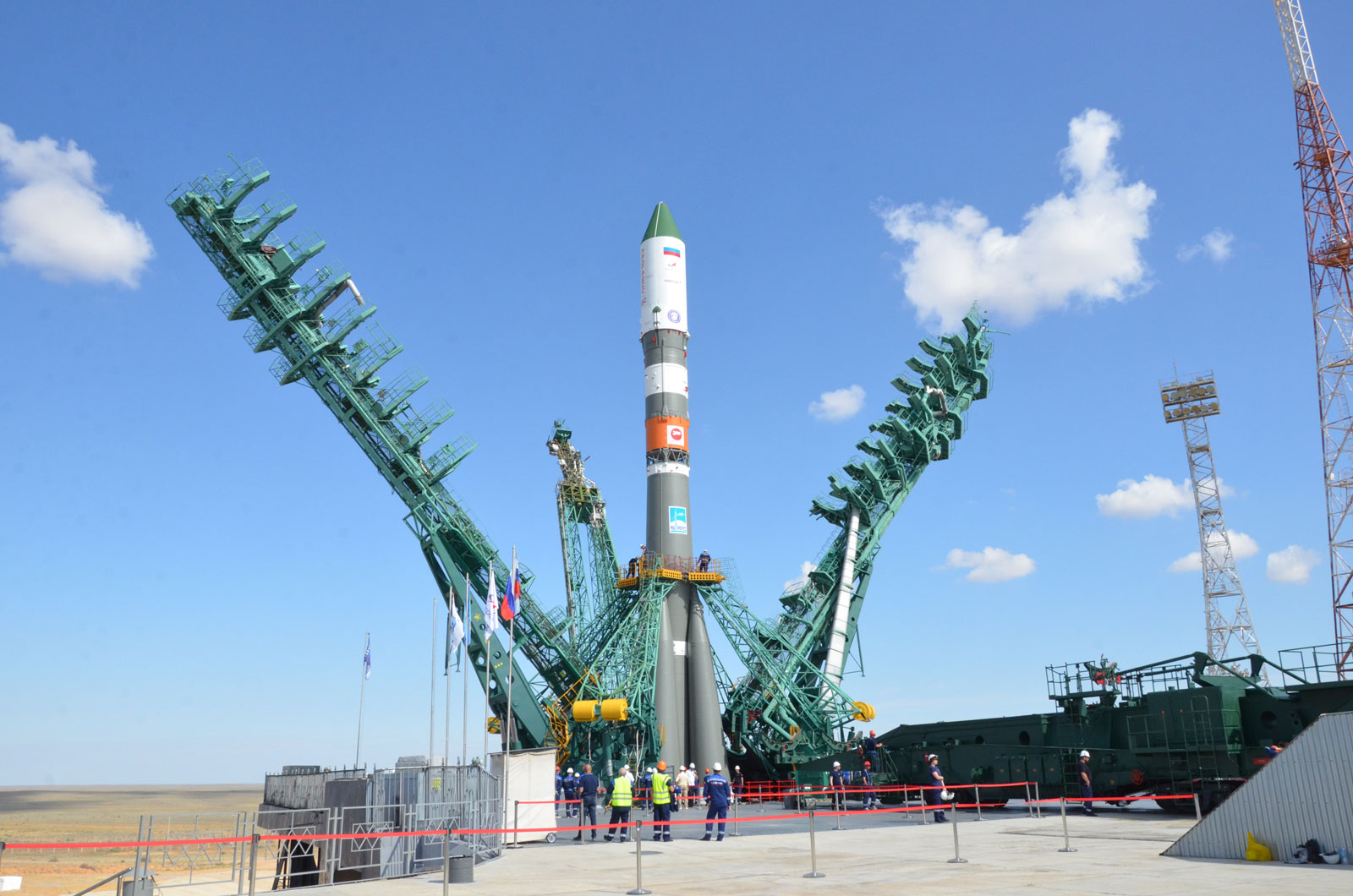
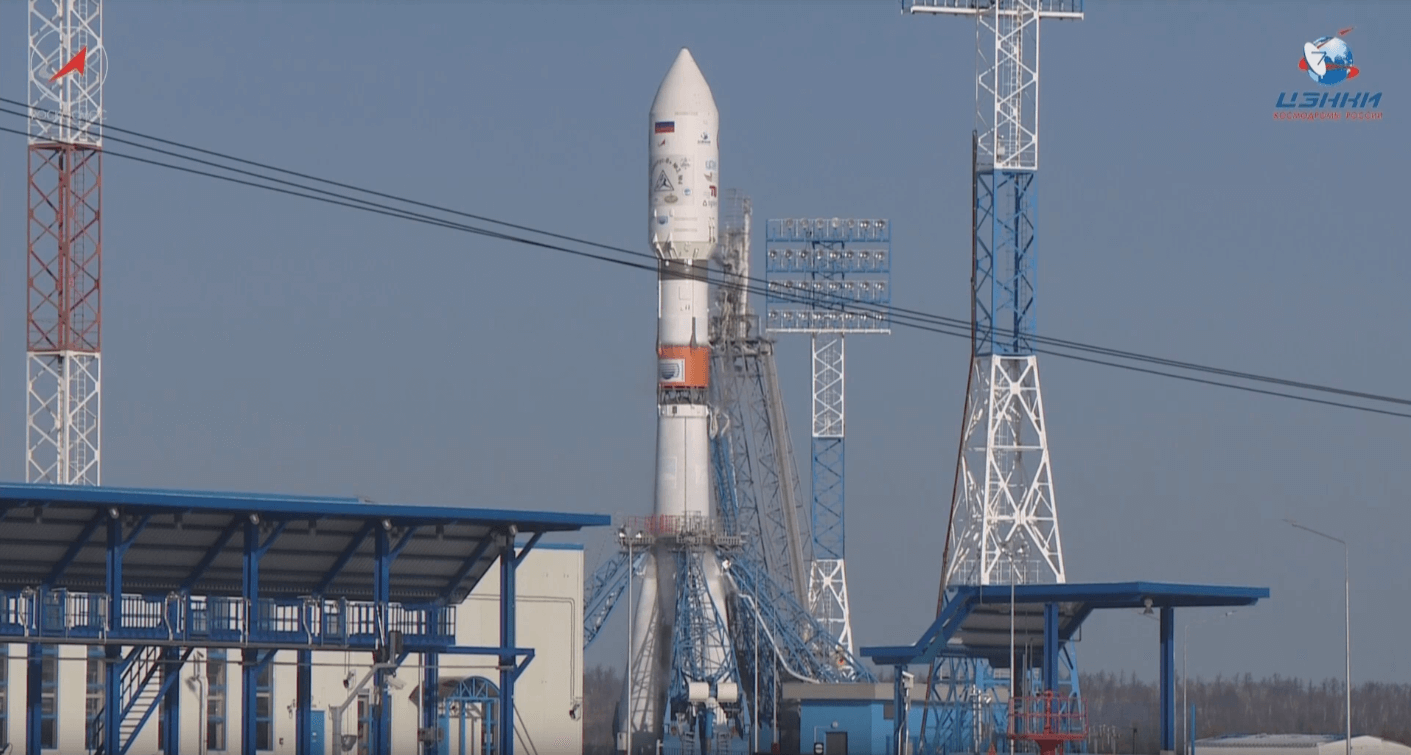
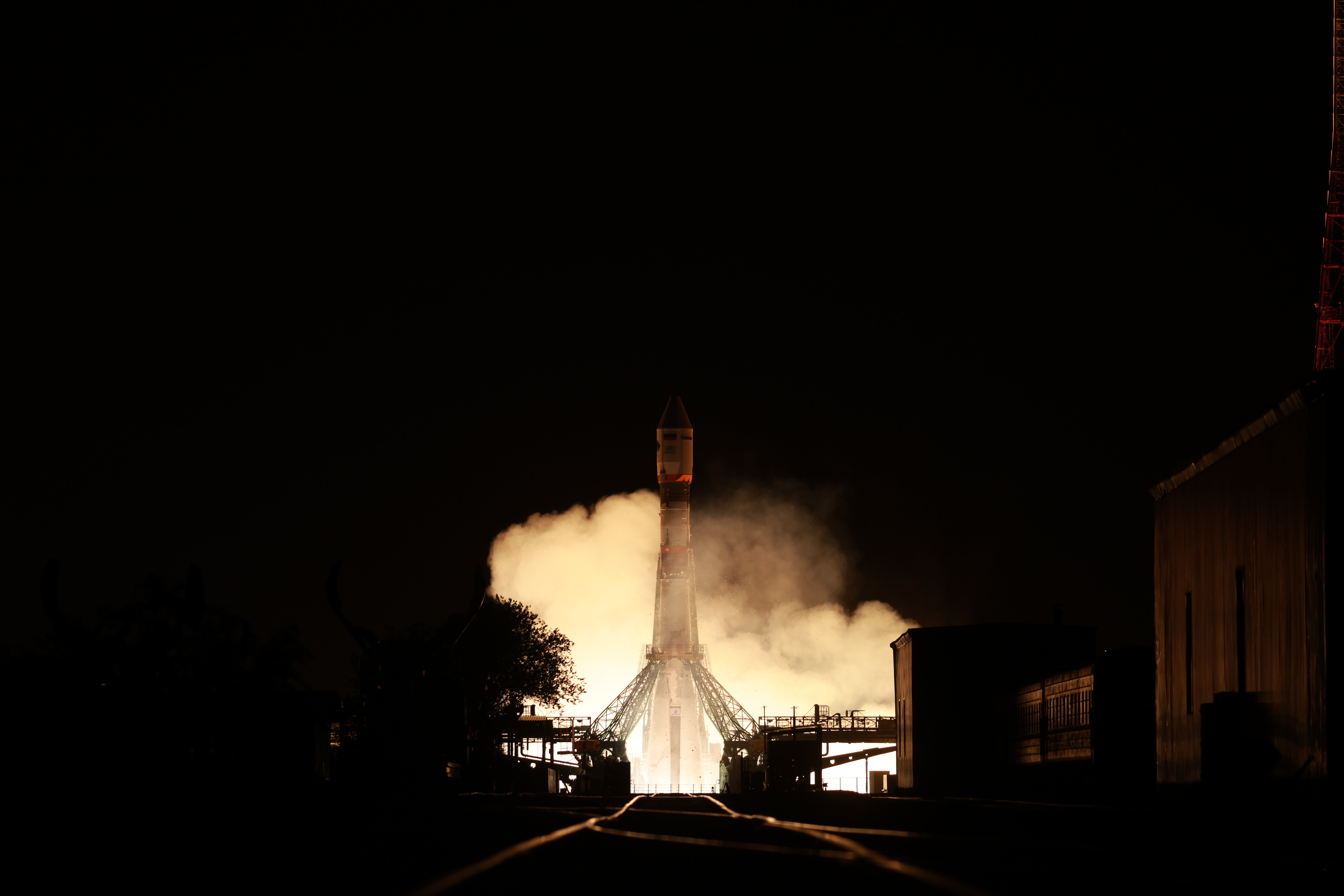
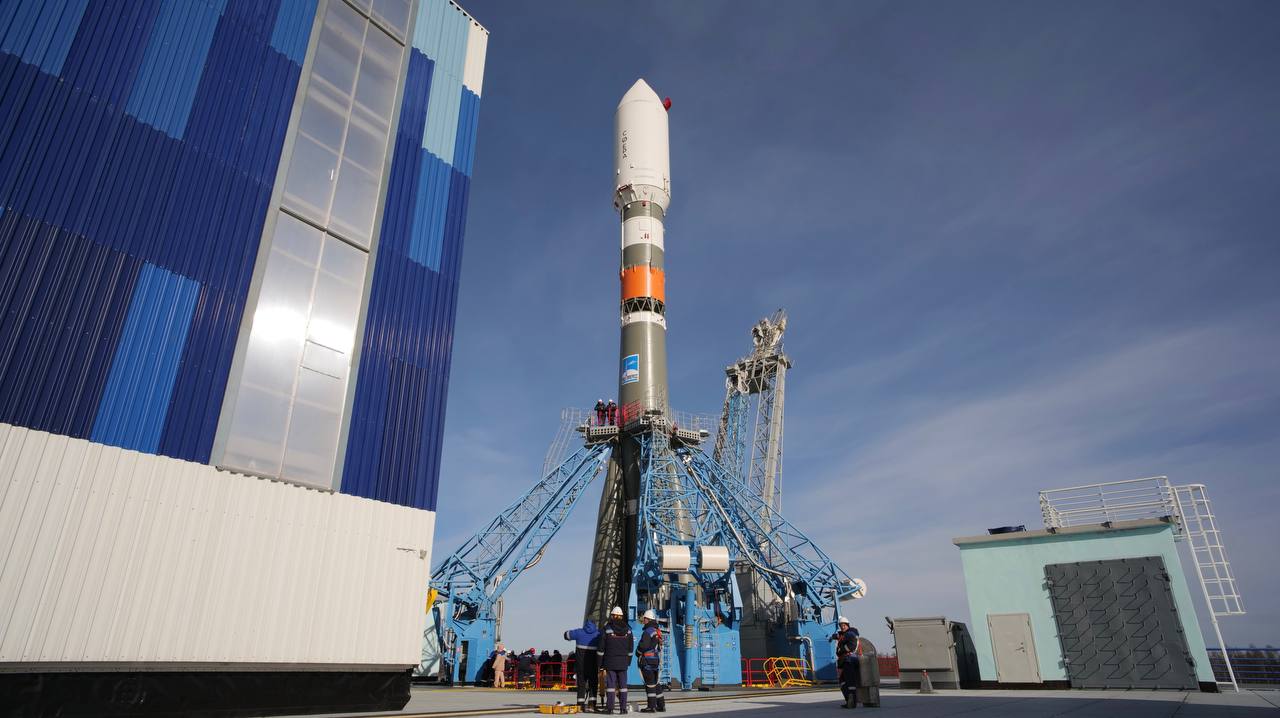
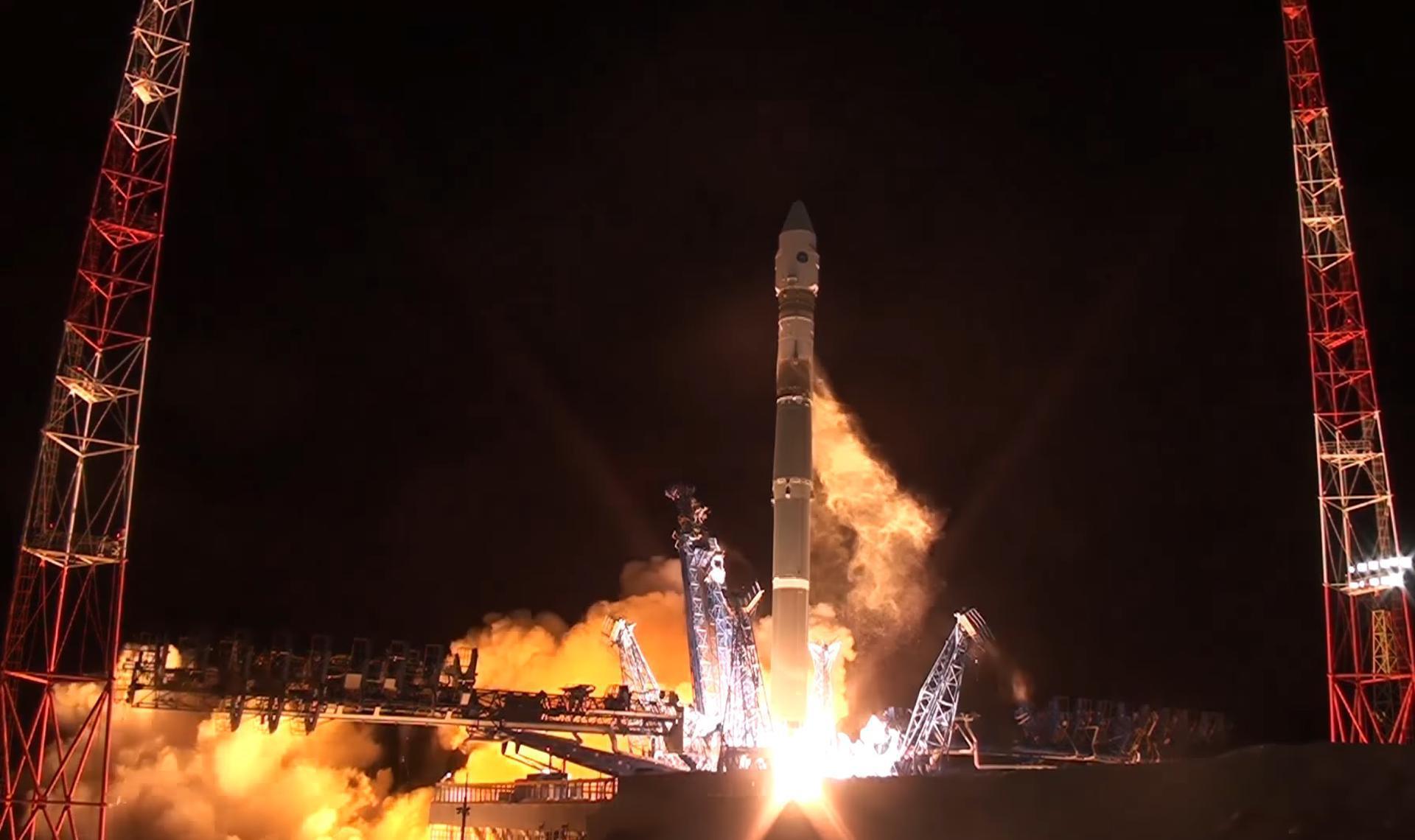
Launch VehiclesThe Soyuz 2.1A converted the flight control system from analog to digital, which allowed launch from fixed platforms. It also allowed big f...
Launch VehiclesThe 2.1a version includes conversion from analog to digital flight control system and uprated engines on the booster and the first stage wi...
In addition to the switch to digital flight control systems as part of the Soyuz 2.1A, this version utilizes the Volga upper stage.
Launch VehiclesSoyuz-2 is the 21st-century version of the Russian Soyuz rocket. In its basic form, it is a three-stage carrier rocket for placing payloads...
Launch VehiclesSoyuz-2, GRAU index 14A14, is the collective designation for the 21st-century version of the Russian Soyuz rocket. In its basic form, it is...
Launch Vehicles
Launch VehiclesThe Soyuz-2.1v is a Russian expendable carrier rocket. It was derived from the Soyuz-2.1b, and is a member of the R-7 family of rockets.
Launch VehiclesThe Soyuz FG rocket is an expendable launch vehicle most commonly known for carrying humans to the International Space Station today.
Launch VehiclesThe Soyuz-FG launch vehicle is an improved version of the Soyuz-U from the R-7 family of rockets, designed and constructed by TsSKB-Progres...
Launch VehiclesThe 2.1a version includes conversion from analog to digital flight control system and uprated engines on the booster and the first stage wi...
Launch VehiclesThe 2.1b version adds an upgraded engine (RD-0124) with improved performance to the second stage. First launch took place from Plesetsk Cos...
Launch Vehicles
Launch VehiclesSoyuz-5, also named Irtysh is a planned Russian rocket that is being developed by JSC SRC Progress, formerly within "Project Feniks." It wi...