

Loading photos...
Loading mission resources...
Loading related events...
Loading vehicle timeline...
Loading related news...
TMinusZero
Loading
Preparing the latest launch data.
Launch Detail
Loading launch detail
Pulling launch timing, vehicle context, weather signals, and mission evidence.
Launch detail
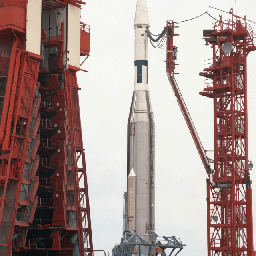
United States Air Force • Atlas LV-3 Agena B • Launch Complex 12 (FL)
Top answer
Lunar impactor which successfully reached the surface after transmitting 7,137 photographs.
Last refreshed: Jun 14, 2023, 1:40 PM EDT. T-Minus Zero keeps this as the canonical launch record and reconciles schedule, mission, payload, media, and provider signals when those records are available.
Alternate mission URLs consolidate to this canonical launch record so exact mission timing, status, media, and source context stay on one page.
Premium keeps the launch-by-launch change log visible so you can review slips, window edits, and status changes without waiting for an error-driven upgrade prompt.
Free-to-share photography matched to this launch. Tap a photo to view it at full resolution.
Linked via Spaceflight News API (SNAPI).
 Article
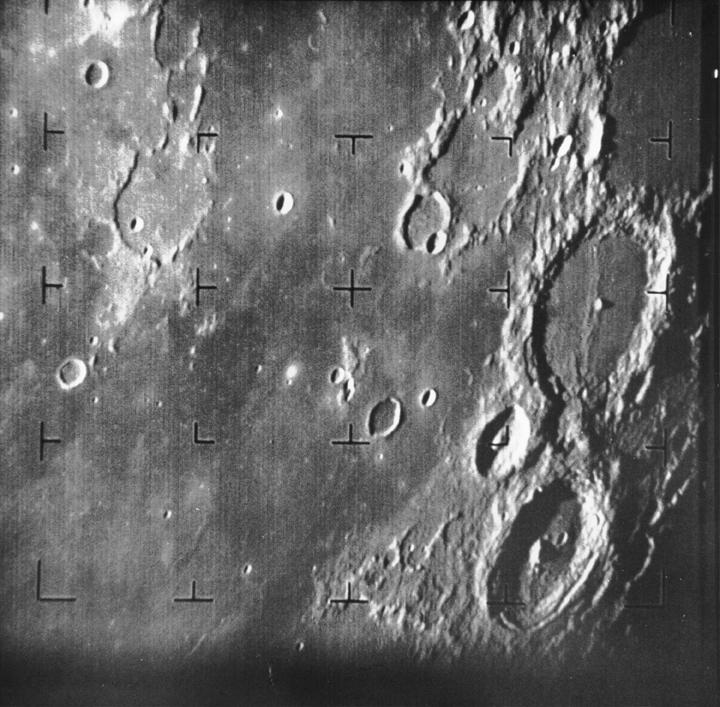
On July 31, 1964, the Ranger 7 spacecraft took this photo, the first image of the Moon taken by a United States spacecraft. 17 minutes later, it crashed into...
 Article
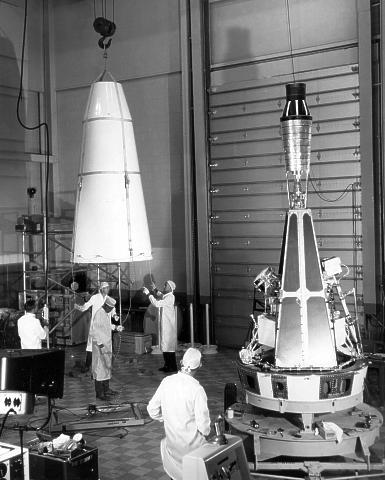
Long before Apollo astronauts set foot upon the Moon, much remained unknown about the lunar surface. While most scientists believed the Moon had a solid surf...
Enhanced forecast insights (select launches).
Premium adds the higher-signal weather shell for select Eastern Range launches, including the extra launch criteria and fast-read risk rows.
Lunar impactor which successfully reached the surface after transmitting 7,137 photographs.
Use these internal paths to move from this exact launch record into the provider, vehicle, launch-site, schedule, and mission-family pages that own broader context.
This launch currently has no dedicated mission-family hub, so provider, vehicle, site, and canonical record links are the primary internal paths.
Key structured fields for this launch record are grouped here so the page answers mission, payload, orbit, provider, source, and timing questions before the deeper tracking and media sections.
This record is preserved as historical launch context. The page emphasizes what was launched, the vehicle and pad involved, published outcome/status fields, linked programs, and source records instead of treating the mission like an upcoming countdown.
Open the launch pad in Google Maps satellite mode using the pad coordinates.
Lunar impactor which successfully reached the surface after transmitting 7,137 photographs.
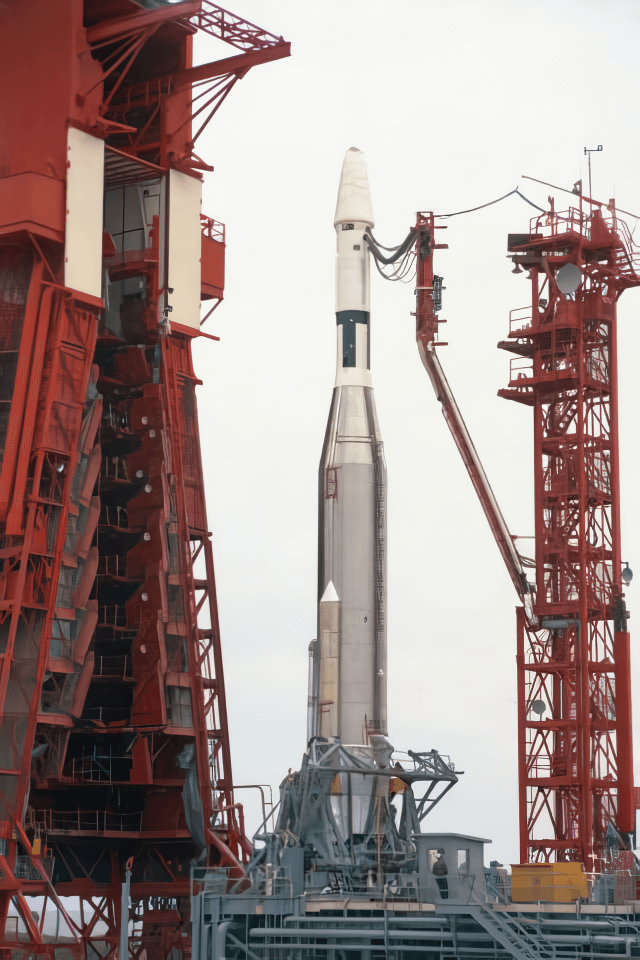
The Atlas LV-3A was a largely unsuccessful configuration until it was given an Agena B upper stage. It was responsible for the launch of Mariner II to Venus and had one of the first engines that could be restarted in orbit.
The United States Air Force (USAF) is the air service branch of the United States Armed Forces, and is one of the eight uniformed services of the United States. Originally created on 1 August 1907, as a part of the United States Army Signal Corps, the USAF was established as a separate branch of the United States Armed Forces in 1947 with the enactment of the National Security Act of 1947.
119895ec34e4fe5db2531b247b028f701a75271882f66c3a8e3690b50cf344d5Provider, rocket, pad, and booster history tied to this launch.