Launch Detail
Loading launch detail
Pulling launch timing, vehicle context, weather signals, and mission evidence.
Launch Detail
Pulling launch timing, vehicle context, weather signals, and mission evidence.
Launch detail
United Launch Alliance • Atlas V 511 • Space Launch Complex 41 (FL)

United Launch Alliance • Atlas V 511 • SLC-41
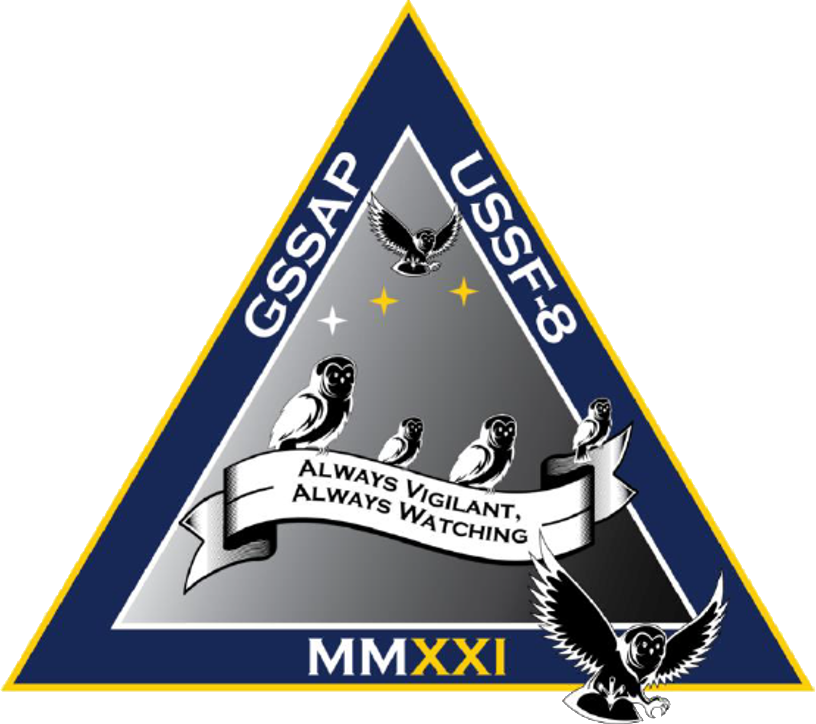
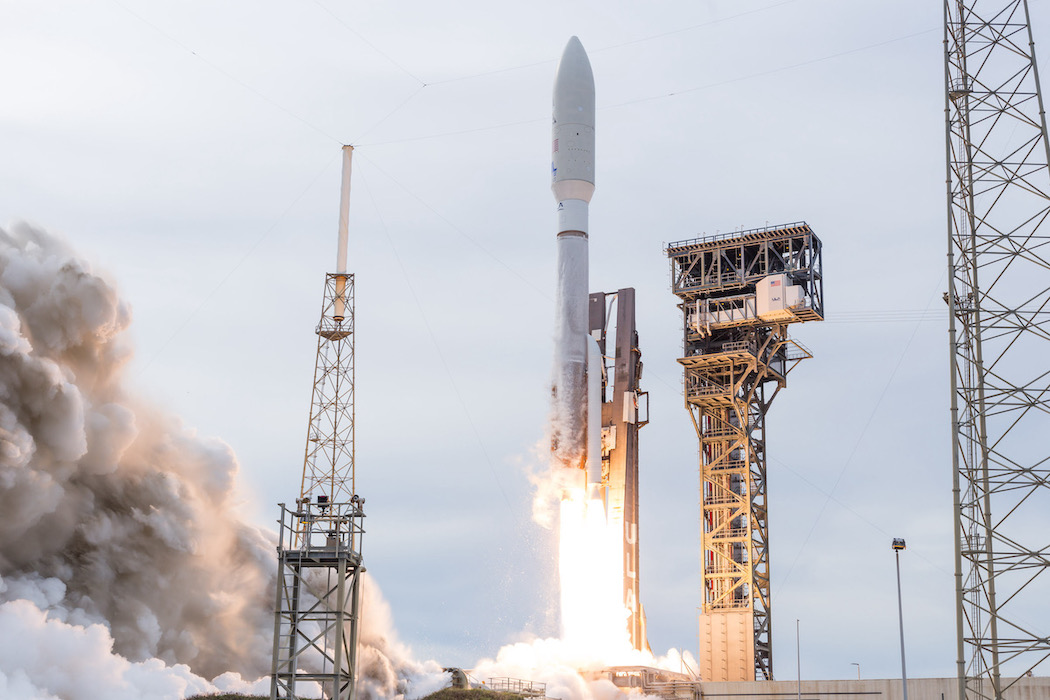
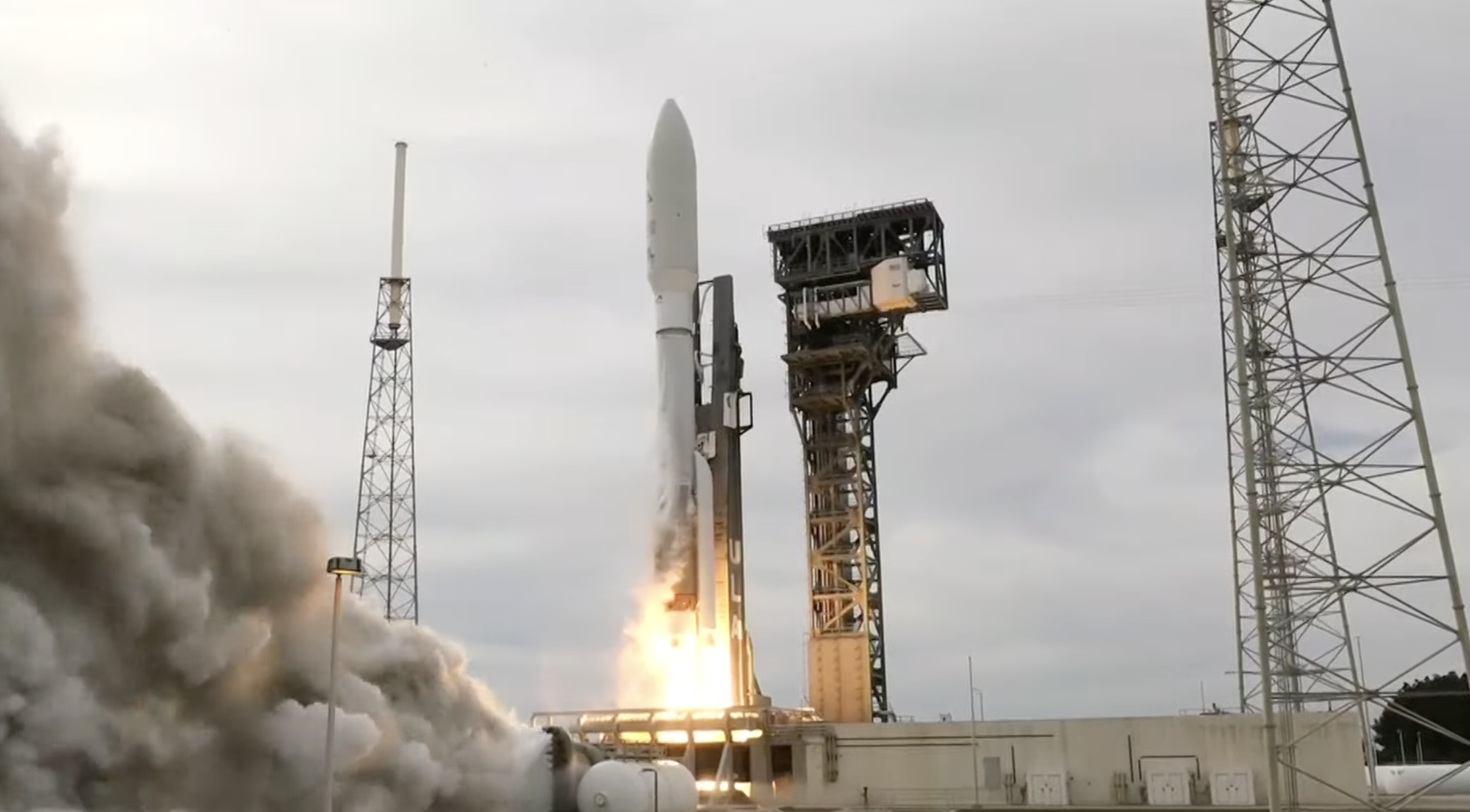
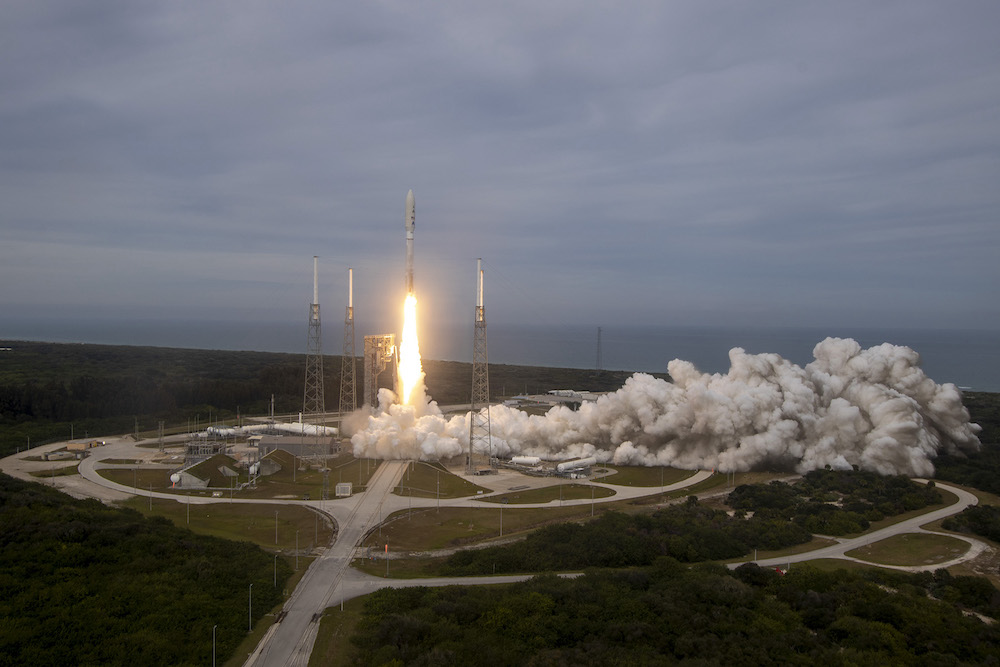
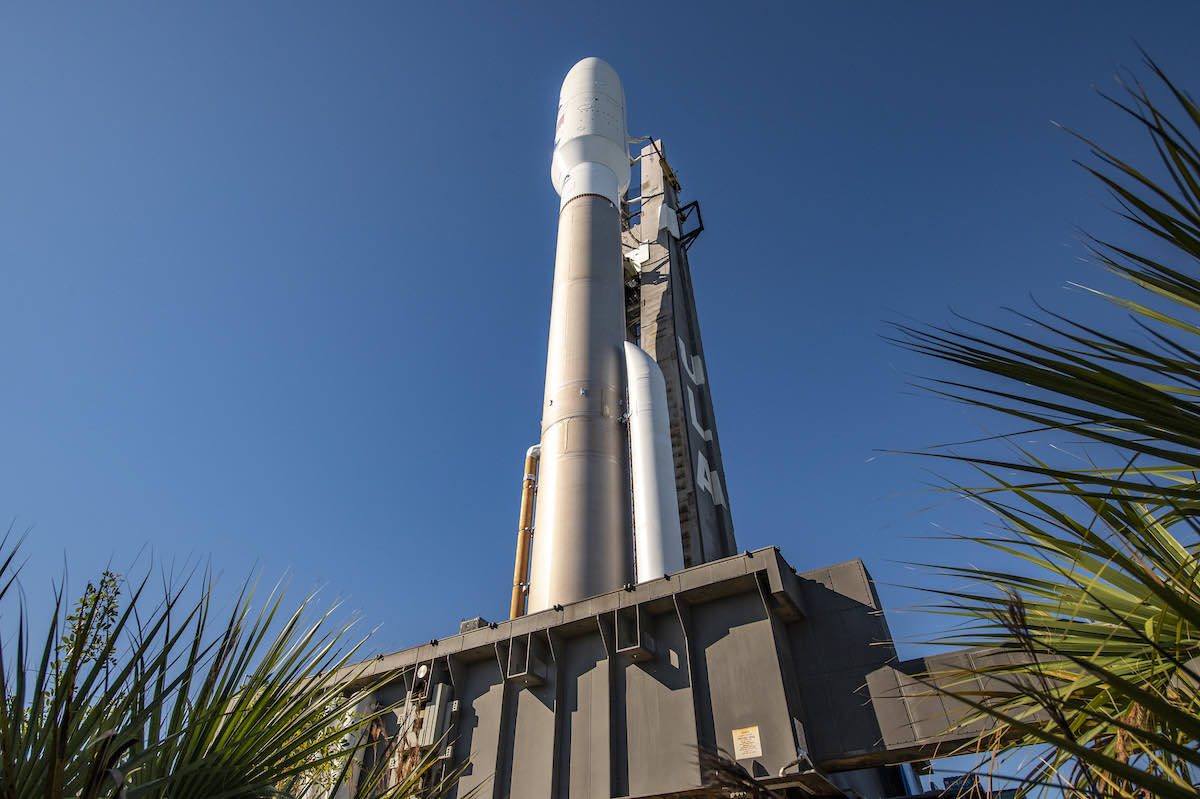
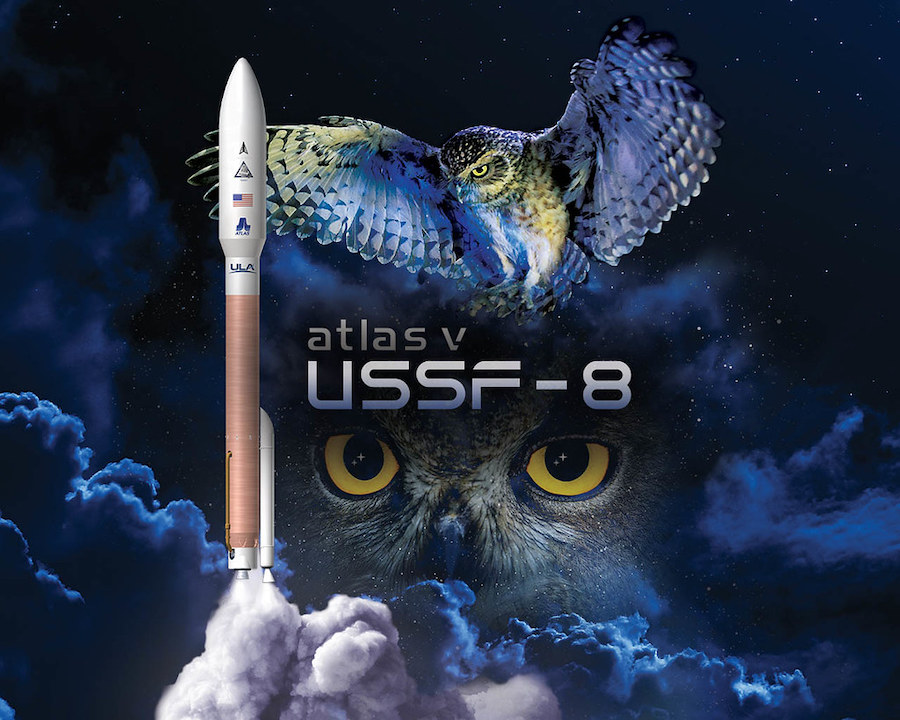
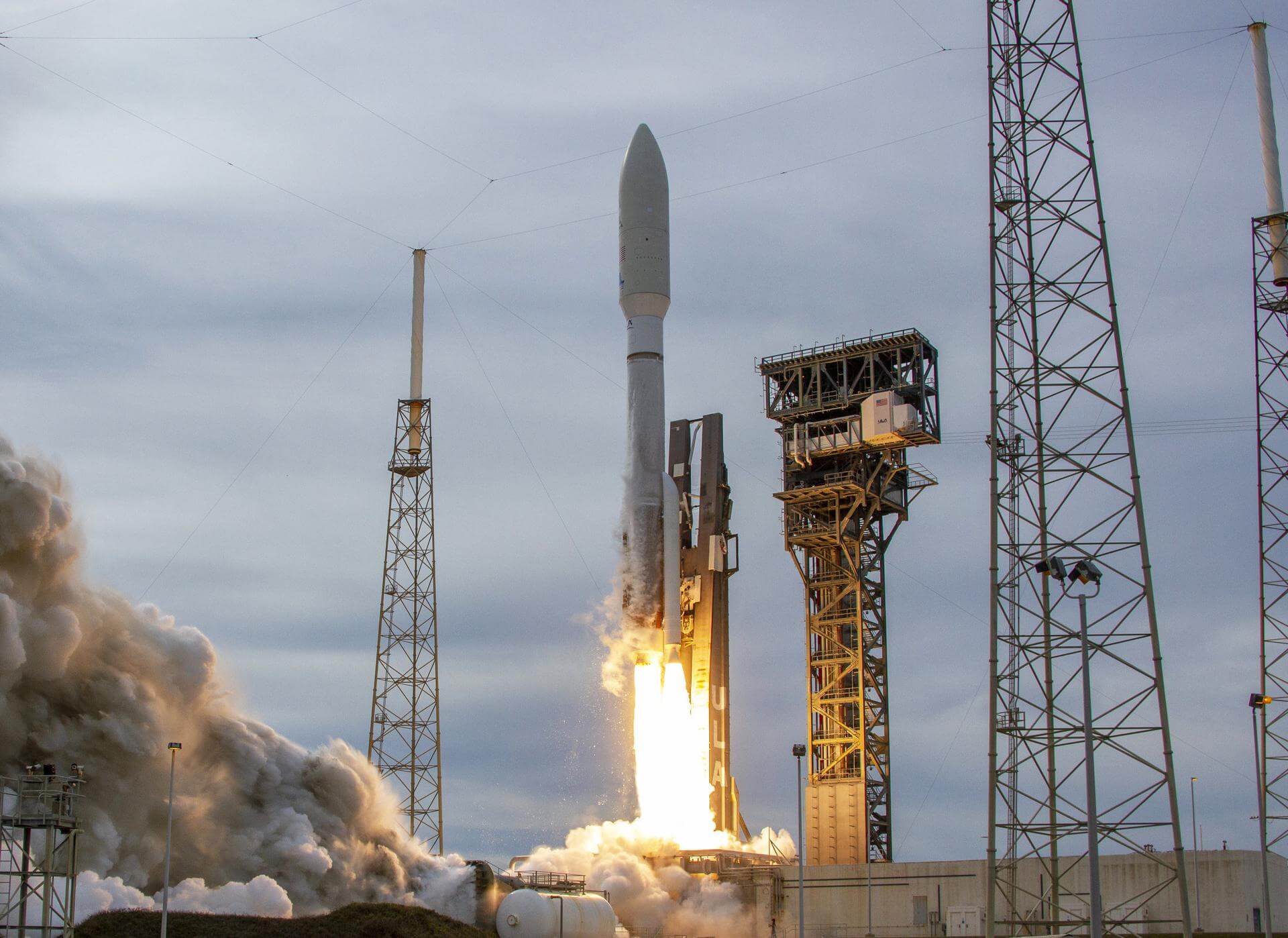
USSF-8 will launch two identical Geosynchronous Space Situational Awareness Program (GSSAP) satellites GSSAP-5 and GSSAP-6 directly to a near-geosynchronous orbit approximately 36,000 km above the equator. Data from the GSSAP will uniquely contribute to timely and accurate orbital predictions, further enabling space flight safety including satellite collision avoidance. Unique to this mission is the first and only planned flight of the Atlas V 511 configuration.

Stream links and embedded coverage.
Open the launch pad in Google Maps satellite mode using the pad coordinates.
USSF-8 will launch two identical Geosynchronous Space Situational Awareness Program (GSSAP) satellites GSSAP-5 and GSSAP-6 directly to a near-geosynchronous orbit approximately 36,000 km above the equator. Data from the GSSAP will uniquely contribute to timely and accurate orbital predictions, further enabling space flight safety including satellite collision avoidance. Unique to this mission is the first and only planned flight of the Atlas V 511 configuration.
Atlas V is an expendable launch system in the Atlas rocket family. It was formerly operated by Lockheed Martin and is now operated by United Launch Alliance (ULA), a joint venture with Boeing. Each Atlas V rocket uses a Russian-built RD-180 engine burning kerosene and liquid oxygen to power its first stage and an American-built RL10 engine burning liquid hydrogen and liquid oxygen to power its Centaur upper stage. The RD-180 engines are provided by RD Amross, while Aerojet Rocketdyne provides both the RL10 engines and the strap-on boosters used in some configurations. The 511 version uses a 5m wide fairing, 1 solid rocket booster and one engine on the Centaur stage.
United Launch Alliance (ULA) is a joint venture of Lockheed Martin Space Systems and Boeing Defense, Space & Security. ULA was formed in December 2006 by combining the teams at these companies which provide spacecraft launch services to the government of the United States. ULA launches from both coasts of the US. They launch their Atlas V vehicle from LC-41 in Cape Canaveral and LC-3E at Vandeberg. Their Delta IV launches from LC-37 at Cape Canaveral and LC-6 at Vandenberg.
7044fa3ed8bbcf38833b7081bcb63cda4a1c3748289144b1e7da4284107fffd2Provider, rocket, pad, and booster history tied to this launch.
Linked via Spaceflight News API (SNAPI).
ArticleTwo satellites for a once-classified U.S. military program to track and inspect other spacecraft in orbit — a mission the Space Force’s top general equates t...
ArticleIn its first mission of 2022, a United Launch Alliance Atlas 5 rocket on Jan. 21 launched a pair of space-monitoring satellites for the U.S. Space Force.
ArticleUnited Launch Alliance carried out an Atlas V launch Friday with the third pair of GSSAP satellites for the US Space Force. Flying in its never-before-used 5...
BlogA United Launch Alliance (ULA) Atlas V rocket carrying the USSF-8 mission for the U.S. Space Force’s Space Systems Command lifted off on Jan. 21 at 2:00 p.m....
ArticleGearing up for its first mission of the year, United Launch Alliance rolled an Atlas 5 rocket to its launch pad at Cape Canaveral Thursday, a day before lift...
ArticleUnited Launch Alliance’s Atlas 5 rocket has flown in 10 different configurations over 90 missions since 2002, each version optimized to haul satellites of a...