

Loading photos...
Loading mission resources...
Watch
Live coverage
Stream links and embedded coverage.
Loading related events...
Loading vehicle timeline...
Loading related news...
TMinusZero
Loading
Preparing the latest launch data.
Launch Detail
Loading launch detail
Pulling launch timing, vehicle context, weather signals, and mission evidence.
Launch detail
United Launch Alliance • Atlas V 551 • Space Launch Complex 41 (FL)
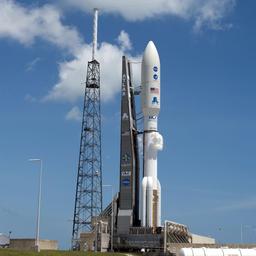
Juno is a NASA space probe orbiting the planet Jupiter. It was built by Lockheed Martin and is operated by NASA's Jet Propulsion Laboratory. The spacecraft was launched from Cape Canaveral Air Force Station as part of the New Frontiers program. Juno's mission is to measure Jupiter's composition, gravitational field, magnetic field, and polar magnetosphere.
Stream links and embedded coverage.
Premium keeps the launch-by-launch change log visible so you can review slips, window edits, and status changes without waiting for an error-driven upgrade prompt.
Free-to-share photography matched to this launch. Tap a photo to view it at full resolution.
Enhanced forecast insights (select launches).
Premium adds the higher-signal weather shell for select Eastern Range launches, including the extra launch criteria and fast-read risk rows.
Provider, rocket, pad, and booster history tied to this launch.
Juno is a NASA space probe orbiting the planet Jupiter. It was built by Lockheed Martin and is operated by NASA's Jet Propulsion Laboratory. The spacecraft was launched from Cape Canaveral Air Force Station as part of the New Frontiers program. Juno's mission is to measure Jupiter's composition, gravitational field, magnetic field, and polar magnetosphere.
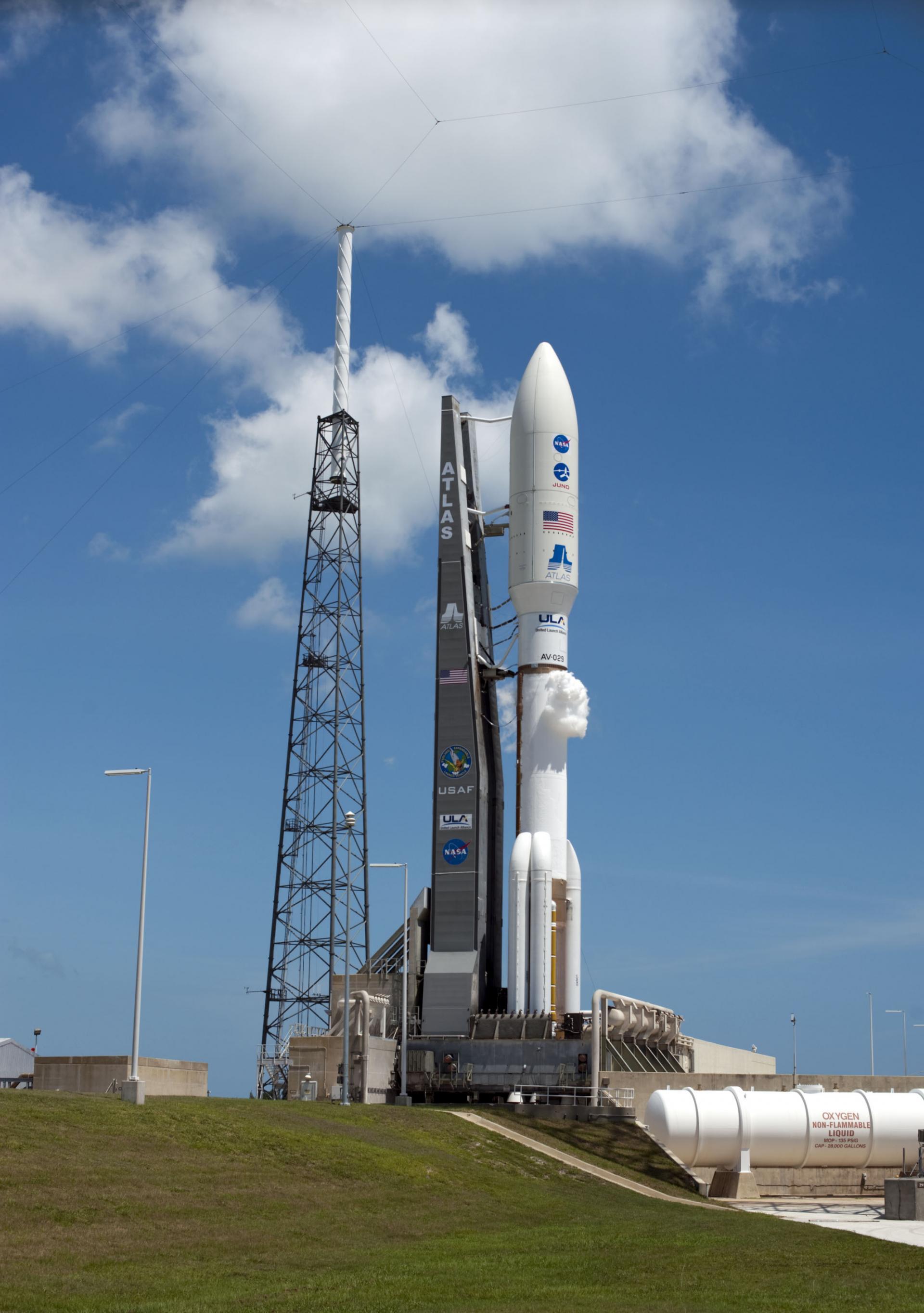
Open the launch pad in Google Maps satellite mode using the pad coordinates.
Juno is a NASA space probe orbiting the planet Jupiter. It was built by Lockheed Martin and is operated by NASA's Jet Propulsion Laboratory. The spacecraft was launched from Cape Canaveral Air Force Station as part of the New Frontiers program. Juno's mission is to measure Jupiter's composition, gravitational field, magnetic field, and polar magnetosphere.
Atlas V is an expendable launch system in the Atlas rocket family. It was formerly operated by Lockheed Martin and is now operated by United Launch Alliance (ULA), a joint venture with Boeing. Each Atlas V rocket uses a Russian-built RD-180 engine burning kerosene and liquid oxygen to power its first stage and an American-built RL10 engine burning liquid hydrogen and liquid oxygen to power its Centaur upper stage. The RD-180 engines are provided by RD Amross, while Aerojet Rocketdyne provides both the RL10 engines and the strap-on boosters used in some configurations. The standard payload fairing sizes are 4 or 5 meters in diameter and of various lengths. Fairings sizes as large as 7.2 m in diameter and up to 32.3 m in length have been considered. The rocket is assembled in Decatur, Alabama and Harlingen, Texas.
United Launch Alliance (ULA) is a joint venture of Lockheed Martin Space Systems and Boeing Defense, Space & Security. ULA was formed in December 2006 by combining the teams at these companies which provide spacecraft launch services to the government of the United States. ULA launches from both coasts of the US. They launch their Atlas V vehicle from LC-41 in Cape Canaveral and LC-3E at Vandeberg. Their Delta IV launches from LC-37 at Cape Canaveral and LC-6 at Vandenberg.
ef382a662ecfffe701c2c851a390c5054818950b5246cac6d8256d40e4660898Linked via Spaceflight News API (SNAPI).
 Article
Following two flybys of Jupiter’s innermost Galilean moon Io, teams using data from NASA’s Juno… The post Juno reveals surprising subsurface tempertures at...
 Article
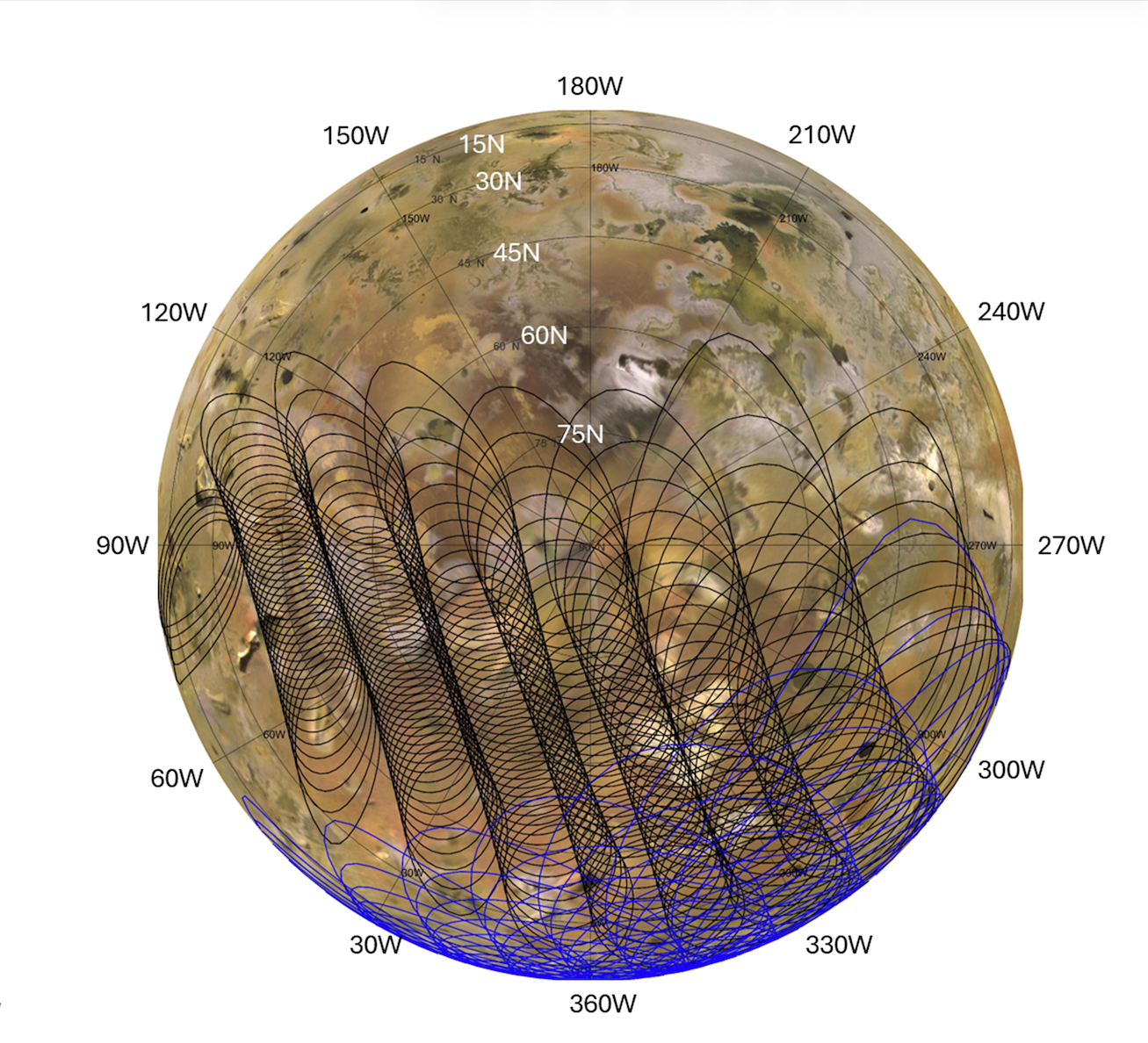
Description This graphic illustrates the areas of Jupiter’s moon Io sampled by the Microwave Radiometer (MWR) instrument aboard NASA’s Juno spacecraft during...
 Article
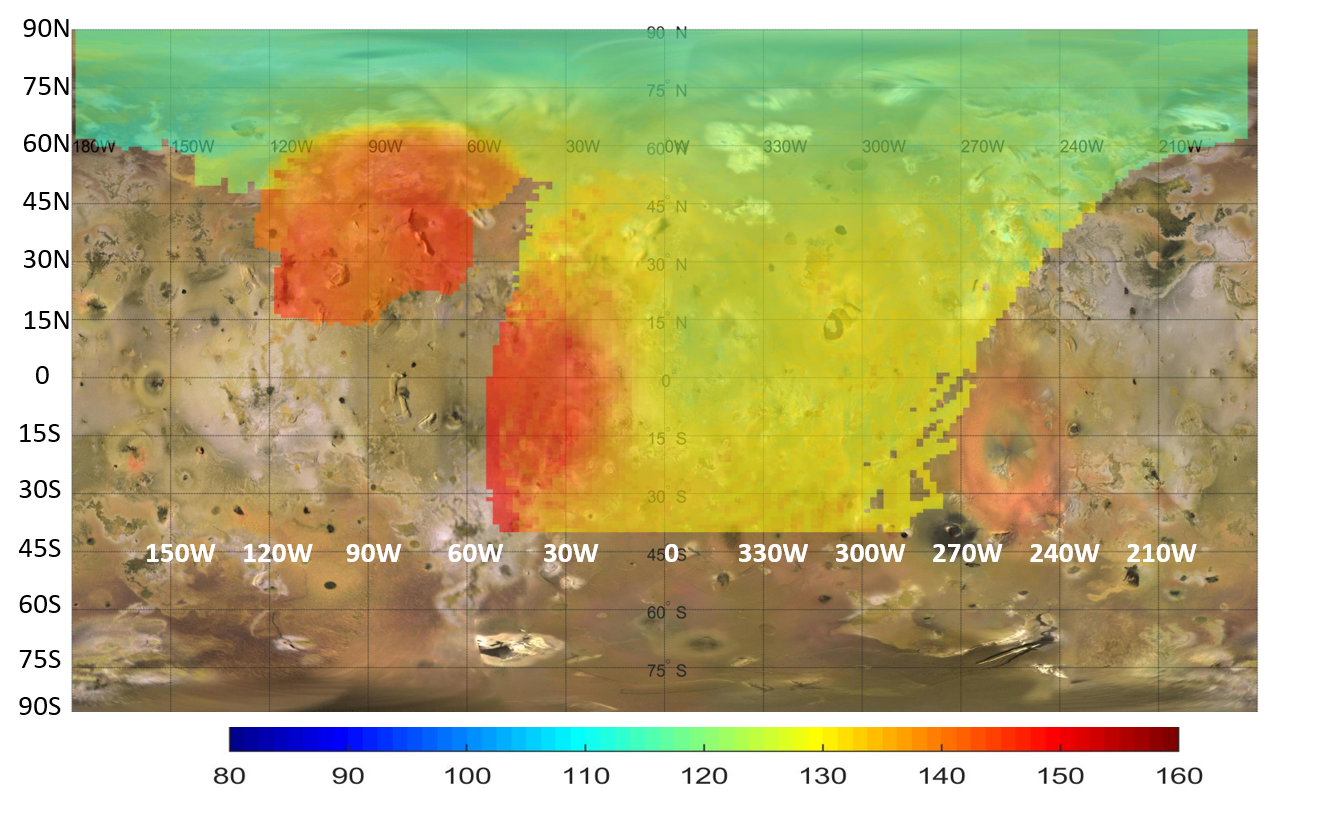
Description This map represents data captured by the Microwave Radiometer (MWR) aboard NASA’s Juno spacecraft, indicating heat rising from just beneath the s...
 Article
NASA’s Juno mission has provided the first measurements of the temperature below the surface of Jupiter’s moon Io, revealing significant heating within the s...
 Article
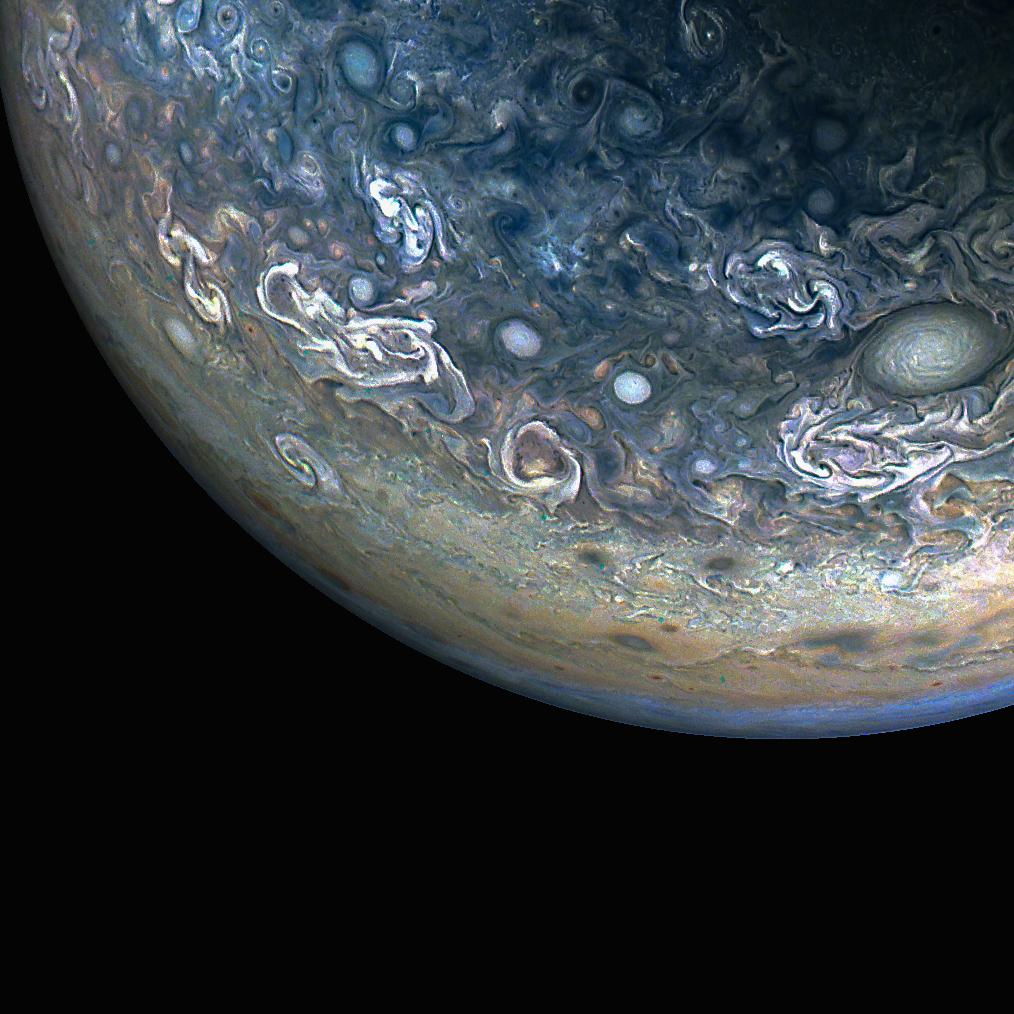
NASA’s Juno spacecraft captured this color-enhanced view of Jupiter’s northern hemisphere during its 61st close flyby of the giant planet on May 12, 2024. Ci...
 Article
Description NASA’s Juno spacecraft captured this view of Thebe, the second largest of Jupiter’s inner moons, during a close pass on May 1, 2026. The spacecra...