Live coverage
Stream links and embedded coverage.
TMinusZero
Loading
Preparing the latest launch data.
Launch Detail
Loading launch detail
Pulling launch timing, vehicle context, weather signals, and mission evidence.
Launch detail
Rocket Lab • Electron • Rocket Lab Launch Complex 1A (NZ-HKB)
The European Space Agency (ESA)'s LEO-PNT (Low Earth Orbit Positioning, Navigation and Timing) demonstrator mission will feature a 10-satellite constellation demonstration mission that will assess how a low Earth orbit fleet of satellites can work in combination with the Galileo and EGNOS constellations in higher orbits that provide Europe’s own global navigation system. This launch will lift 2 “Pathfinder A” satellites built by Thales Alenia Space and GMV to a 510 km altitude Low Earth Orbit.
Stream links and embedded coverage.
Premium keeps the launch-by-launch change log visible so you can review slips, window edits, and status changes without waiting for an error-driven upgrade prompt.
Free-to-share photography matched to this launch. Tap a photo to view it at full resolution.
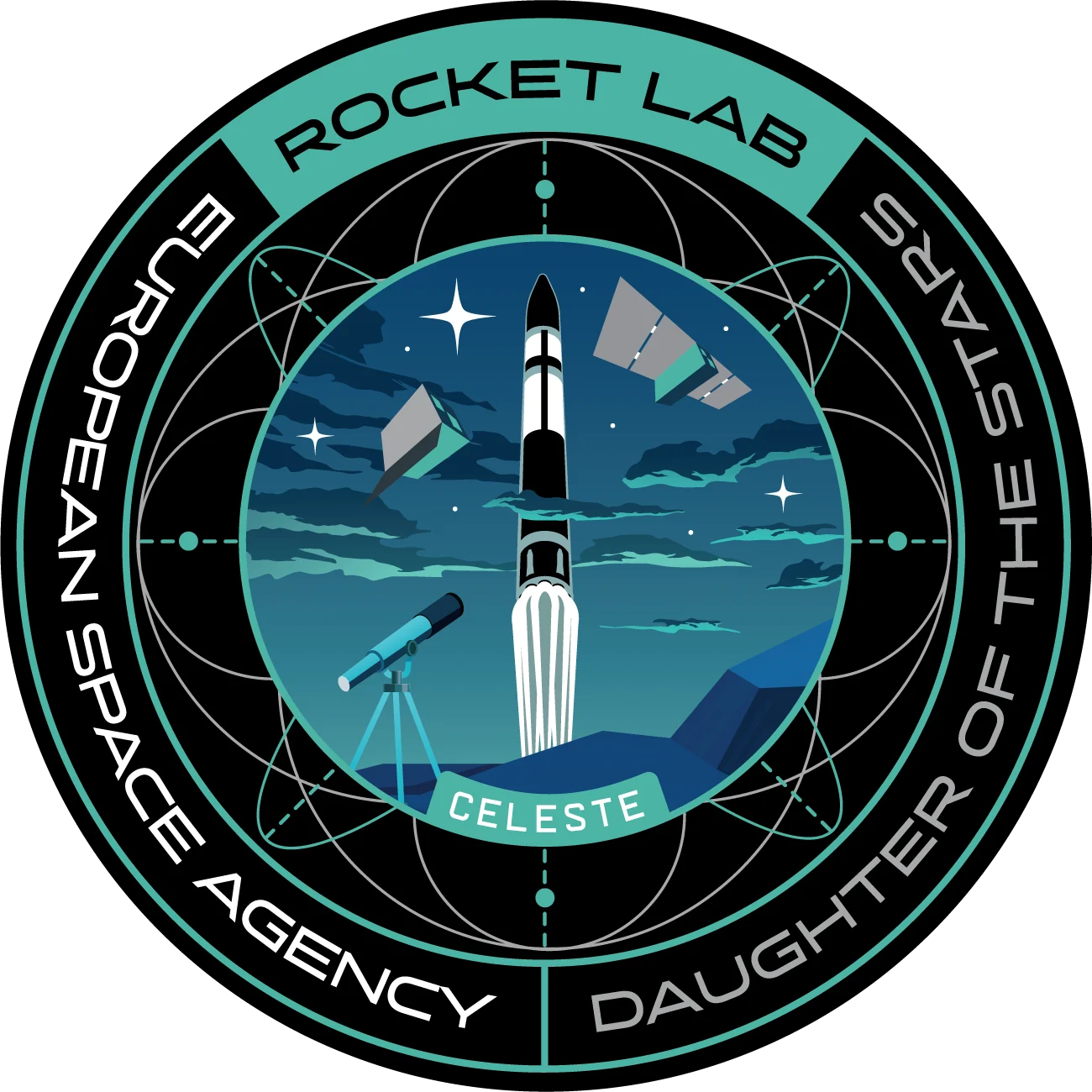
Daughter Of The Stars Patch
Celeste Mission PatchProvider, rocket, pad, and booster history tied to this launch.
A launch-area reference. Use your location for a viewpoint-specific result.
This launch is waiting for a current solar-geometry calculation. The previous result is not shown because launch timing and sunlight geometry may have changed.
If needed, your browser asks permission only after you choose this. The launch-area result is not a forecast for your viewpoint.
This launch is waiting for a current solar-geometry calculation. The previous result is not shown because launch timing and sunlight geometry may have changed.
This outlook evaluates whether a broad, sunlit ascent plume could stand out. It does not yet predict whether a specific vehicle will produce one, and a no-jellyfish call does not mean the rocket itself will be invisible.
The European Space Agency (ESA)'s LEO-PNT (Low Earth Orbit Positioning, Navigation and Timing) demonstrator mission will feature a 10-satellite constellation demonstration mission that will assess how a low Earth orbit fleet of satellites can work in combination with the Galileo and EGNOS constellations in higher orbits that provide Europe’s own global navigation system. This launch will lift 2 “Pathfinder A” satellites built by Thales Alenia Space and GMV to a 510 km altitude Low Earth Orbit.

Open the launch pad in Google Maps satellite mode using the pad coordinates.
The European Space Agency (ESA)'s LEO-PNT (Low Earth Orbit Positioning, Navigation and Timing) demonstrator mission will feature a 10-satellite constellation demonstration mission that will assess how a low Earth orbit fleet of satellites can work in combination with the Galileo and EGNOS constellations in higher orbits that provide Europe’s own global navigation system. This launch will lift 2 “Pathfinder A” satellites built by Thales Alenia Space and GMV to a 510 km altitude Low Earth Orbit.
Electron is a two-stage orbital expendable launch vehicle (with an optional third stage) developed by the American aerospace company Rocket Lab. Electron is a small-lift launch vehicle designed to launch small satellites and cubesats to sun-synchronous orbit and low earth orbit. The Electron is the first orbital class rocket to use electric-pump-fed engines, powered by the 9 Rutherford engines on the first stage. It is also used as a suborbital testbed (called HASTE) for hypersonics research.
Rocket Lab is an American aerospace manufacturer with a wholly owned New Zealand subsidiary. The company develops lightweight, cost-effective commercial rocket launch services. The Electron Program was founded on the premise that small payloads such as CubeSats require dedicated small launch vehicles and flexibility not currently offered by traditional rocket systems. Its rocket, the Electron, is a light-weight rocket and is now operating commercially. The company is also producing a variety of spacecrafts and spacecrafts components.
36183ea117ddfd3b05507dd26a03b84c09e40ac37e9fbcf3422605e55f523f8cLinked via Spaceflight News API (SNAPI).
ArticleThe European Space Agency (ESA) has successfully demonstrated the transmission and reception of 5G positioning signals from the Celeste IOD-2 satellite in lo...
ArticleFrom the ESA Blogs.
ArticleThe European Space Agency has achieved a European first with Celeste, successfully transmitting a navigation signal from low Earth orbit, following the launc...
ArticleMILAN — The European Space Agency has launched the first two satellites of the Celeste in-orbit demonstration mission from New Zealand aboard a Rocket Lab El...
ArticleOn 28 March, the European Space Agency (ESA) took a major step forward in strengthening Europe's ambition for more resilient satellite navigation, as the fir...
ArticleAt 10:14 CET on 28 March, the first two satellites of ESA’s Celeste LEO-PNT in-orbit demonstration mission lifted off aboard a Rocket Lab Electron rocket fro...