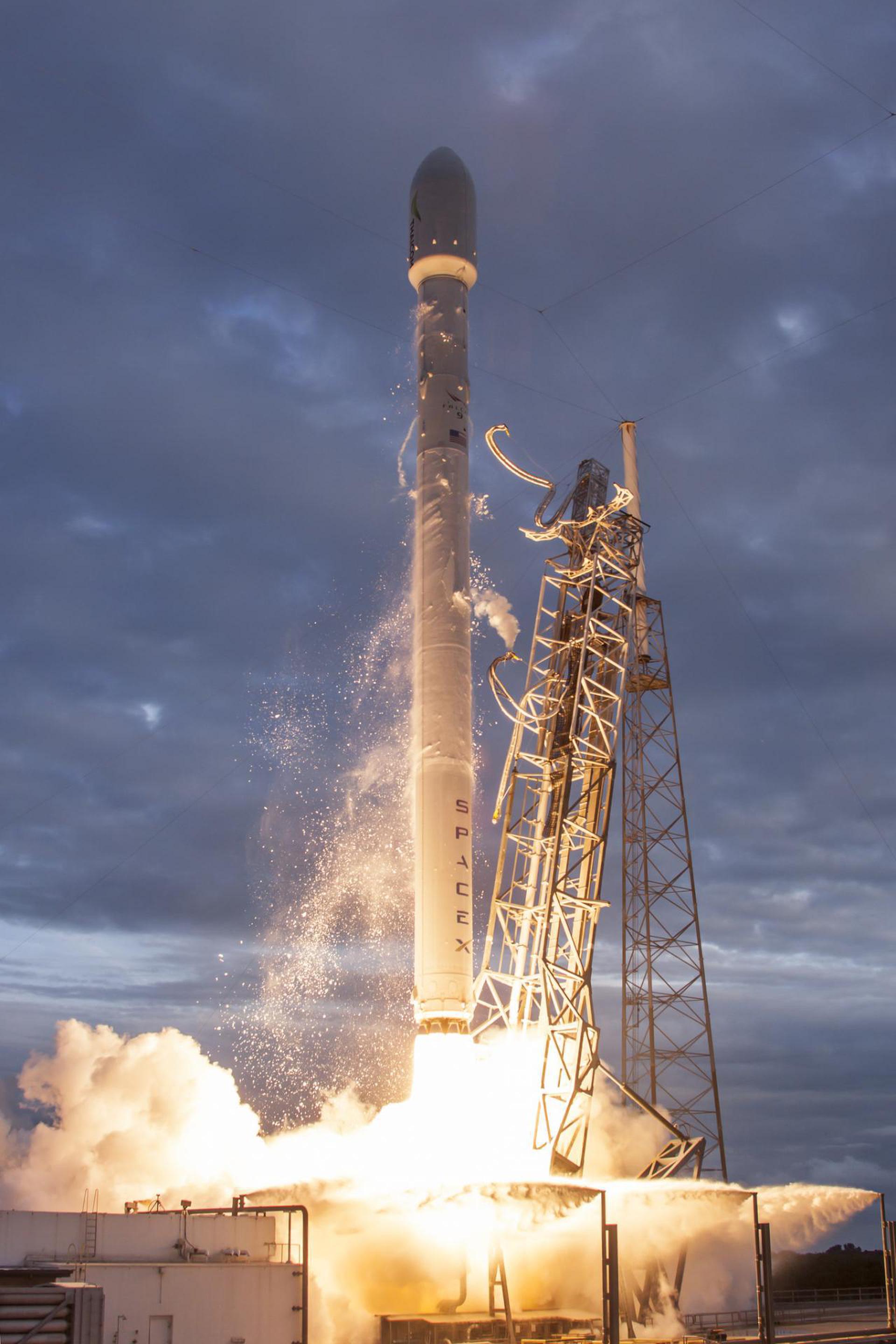
Objects from this launch
3 objects
SATCAT inventory for 2014-056
The latest catalog refresh failed. We will try again during the next background refresh.
Last checked: 2026-09-09T12:12:53.058+00:00
Last success: 2026-08-10T00:11:02.118+00:00
Last non-empty: 2026-08-10T00:11:02.118+00:00
Latest snapshot: 2026-03-11T12:11:05.514+00:00
Snapshot hash: 970594baf84d3abbdcd1ae6c9db9c0d18fd5d4888086847bb70871b8fecdc1b8
Error: celestrak_intdes_2014-056_429:<!DOCTYPE html>
<html>
<head>
<meta http-equiv="Content-Type" content="text/html; charset=iso-8859-1"/>
<title>429 - Too Many Requests</title>
<style type="text/css">
<!--
body{margin:0;font-size:.7em;font-family:
LL2 payloads: 0SATCAT payloads: 1Delta: +1RB: 0DEB: 2UNK: 0
Open SATCAT inventory
Orbit enrichment loads on demand when this section opens.
SATCAT payload objects
DRAGON CRS-4
2014-056ANORAD 40210PAYUnited States (US)Ops: D Technical details
Orbit type: LANOrbit center: EALaunch site: AFETRPeriod: 92.71 minRCS: 0.757 m²
Inc: 51.6°
403 km → 412 km
SATCAT non-payload objects
DRAGON CRS-4 DEB
2014-056BNORAD 40211DEBUnited States (US)Ops: D Technical details
Orbit type: IMPOrbit center: EALaunch site: AFETRPeriod: 88.55 minRCS: 0.351 m²
Inc: 51.6°
172 km → 234 km
DRAGON CRS-4 DEB
2014-056CNORAD 40212DEBUnited States (US)Ops: D Technical details
Orbit type: IMPOrbit center: EALaunch site: AFETRPeriod: 88.51 minRCS: 4.176 m²
Inc: 51.7°
171 km → 230 km