Vertical Landing • Shioli crater
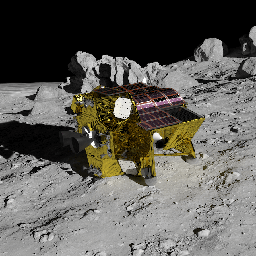
Although SLIM landed successfully, it landed on the wrong side with the solar panels oriented westwards facing opposite the Sun at the start of the lunar day, thereby failing to generate enough power.
Launch Detail
Pulling launch timing, vehicle context, weather signals, and mission evidence.
Launch detail
Japan Aerospace Exploration Agency • H-IIA 202 • Yoshinobu Launch Complex LP-1 (NA)
X-Ray Imaging and Spectroscopy Mission (XRISM), formerly the X-Ray Astronomy Recovery Mission (XARM), is a replacement for the Hitomi satellite that malfunctioned few weeks after the launch. Smart Lander for Investigating Moon (SLIM) is a lunar probe that will target a landing on a small crater in Mare Nectaris, an area located near the moon's equator on the side facing Earth.

Stream links and embedded coverage.
Official Webcast
Official Webcast
Official Webcast
Unofficial WebcastOpen the launch pad in Google Maps satellite mode using the pad coordinates.
X-Ray Imaging and Spectroscopy Mission (XRISM), formerly the X-Ray Astronomy Recovery Mission (XARM), is a replacement for the Hitomi satellite that malfunctioned few weeks after the launch. Smart Lander for Investigating Moon (SLIM) is a lunar probe that will target a landing on a small crater in Mare Nectaris, an area located near the moon's equator on the side facing Earth.
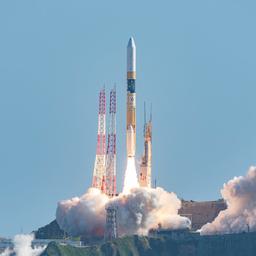
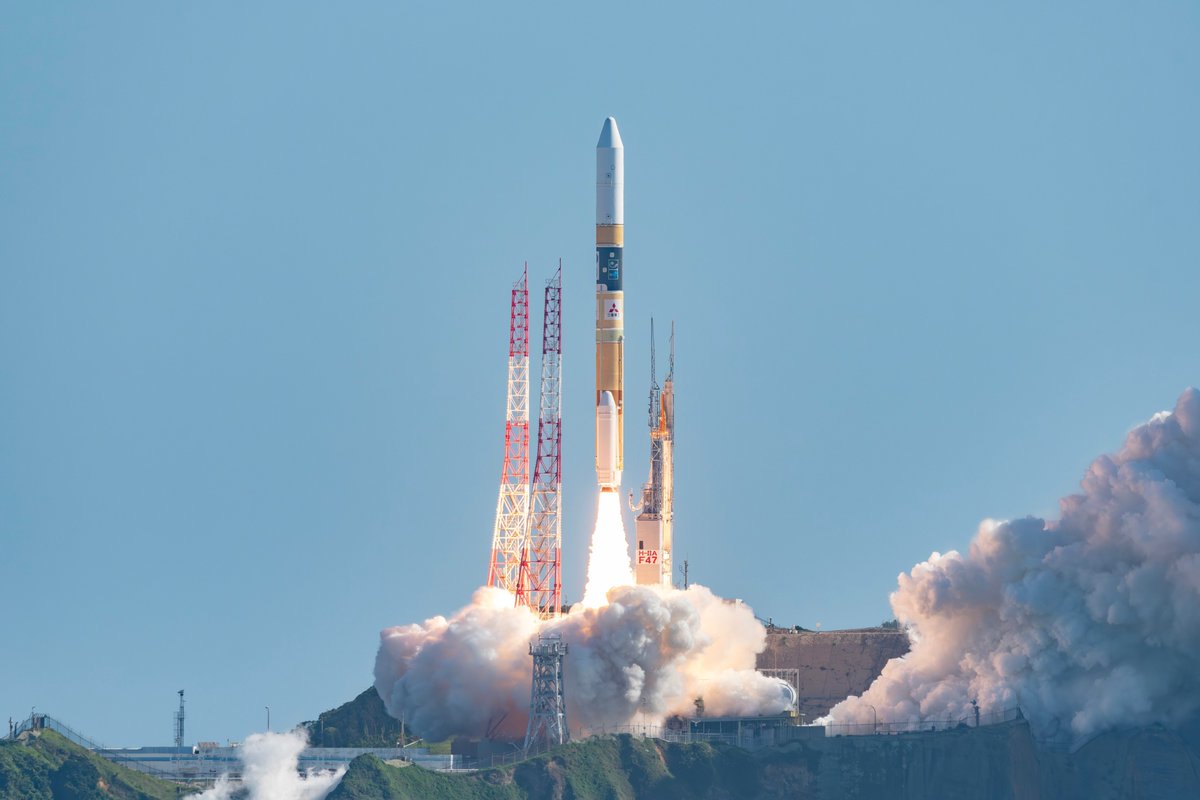
H-IIA (H2A) is an active expendable launch system operated by Mitsubishi Heavy Industries (MHI) for the Japan Aerospace Exploration Agency. The liquid-fueled H-IIA rockets have been used to launch satellites into geostationary orbit, to launch a lunar orbiting spacecraft, and to launch Akatsuki, which studied the planet Venus. Launches occur at the Tanegashima Space Center.
The Japan Aerospace Exploration Agency (JAXA) is Japan's national aero-space agency. Through the merger of three previously independent organizations, JAXA was formed on 1 October 2003. JAXA is responsible for research, technology development and the launch of satellites into orbit, and is involved in many more advanced missions, such as asteroid exploration and possible manned exploration of the Moon. JAXA launch their Epsilon vehicle from the Uchinoura Space Center and their H-II vehicles from the Tanegashima Space Center.
a80221b933091d3b28678b1d2dc0f07b763feebb057f102d260bc5089e1e8e72Premium keeps the launch-by-launch change log visible so you can review slips, window edits, and status changes without waiting for an error-driven upgrade prompt.
Provider, rocket, pad, and booster history tied to this launch.
Linked via Spaceflight News API (SNAPI).
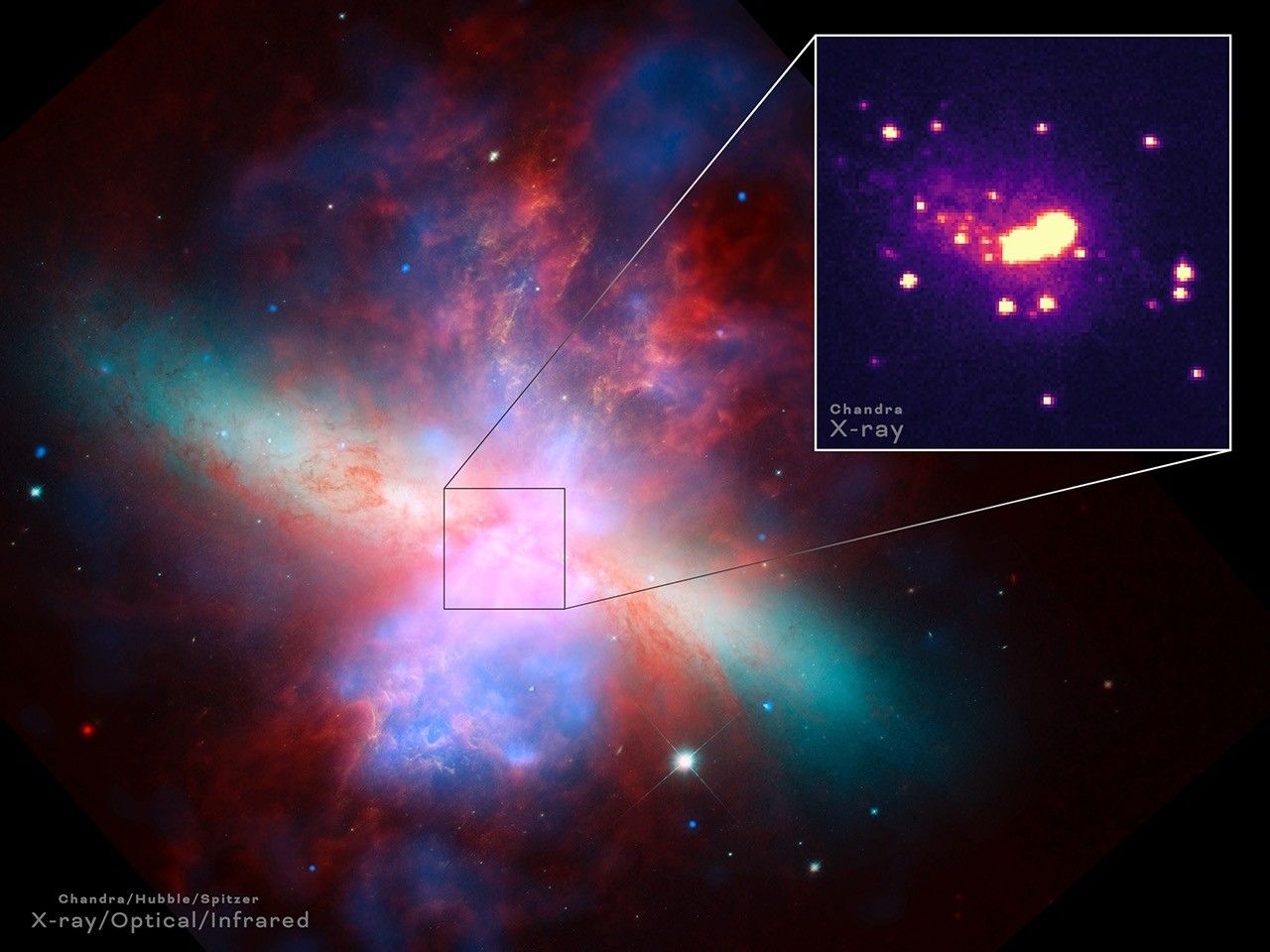
ArticleFor the first time, astronomers have directly measured the speed of superheated gas billowing from a cauldron of stellar activity at the heart of M82.
ArticleAn invisible companion consuming material from the naked-eye star gamma-Cas has been revealed as the culprit for curious X-rays coming from the stellar syste...
ArticleFrom the ESA Blogs.
ArticleLeading X-ray space telescopes XMM-Newton and XRISM have spotted an extraordinary blast from a supermassive black hole. In a matter of hours, the gravitation...
ArticleThe Cassiopeia A supernova remnant glows in X-ray, visible, and infrared light in this Jan. 8, 2024, image that combines data from NASA’s Chandra X-ray Obser...
ArticleFor the first time, scientists have made a clear X-ray detection of chlorine and potassium in the wreckage of a star using data from the Japan-led XRISM (X-r...
Launch-stage and landing context surfaced from LL2 when it exists.
Although SLIM landed successfully, it landed on the wrong side with the solar panels oriented westwards facing opposite the Sun at the start of the lunar day, thereby failing to generate enough power.