Apollo CSM-012
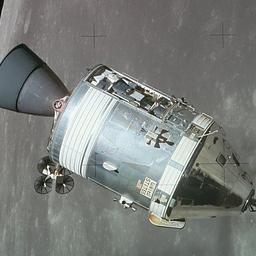
CSM-012 was an Apollo Command & Service Module that was planned to be used in the Apollo 1 mission. It was destroyed by a fatal cabin fire during a launch rehearsal on January 27, 1967.
Launch Detail
Pulling launch timing, vehicle context, weather signals, and mission evidence.
Launch detail
National Aeronautics and Space Administration • Saturn IB • Launch Complex 34 (FL)

National Aeronautics and Space Administration • Saturn IB • LC-34
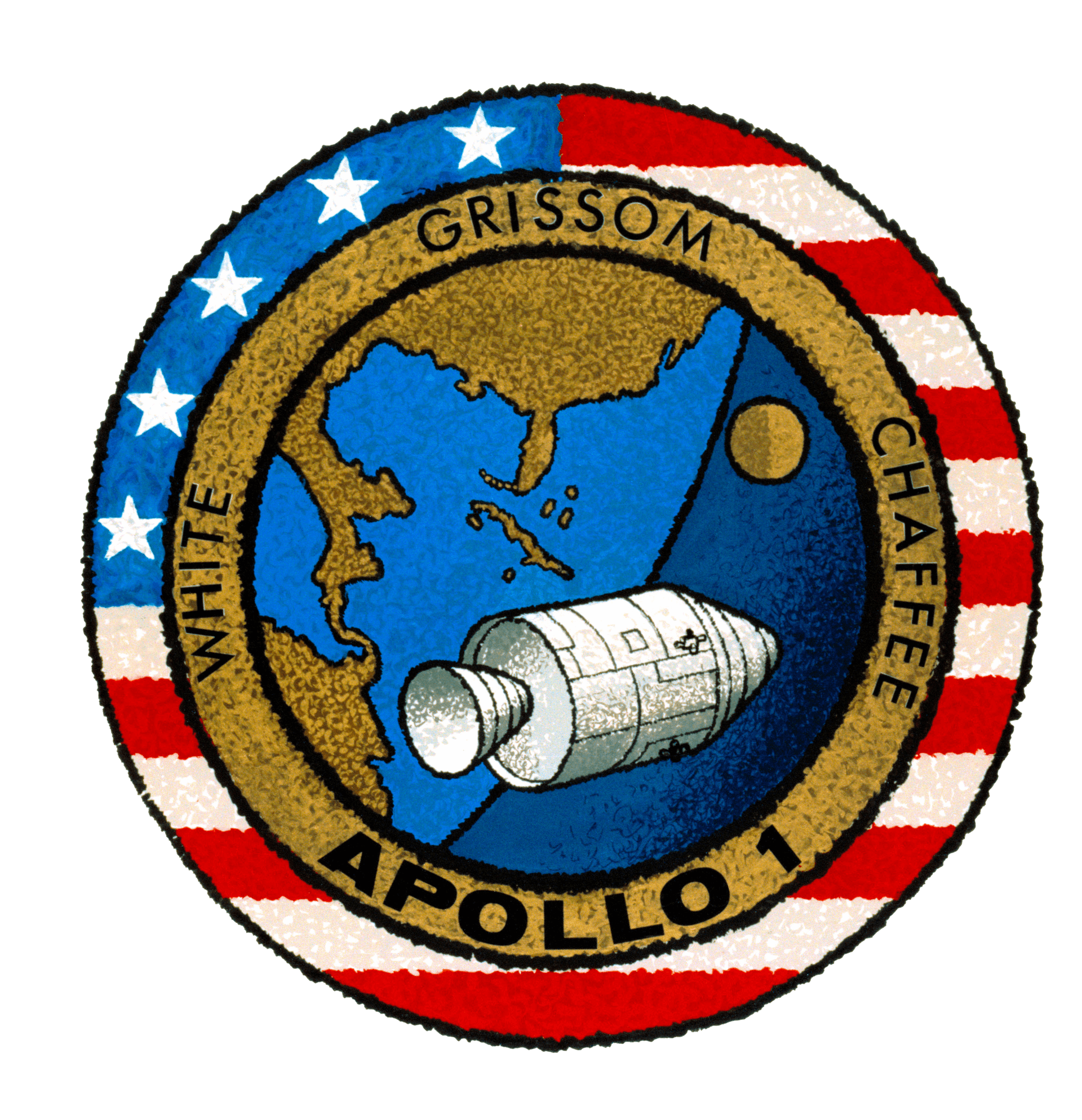
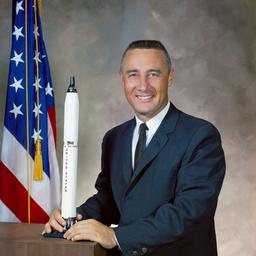
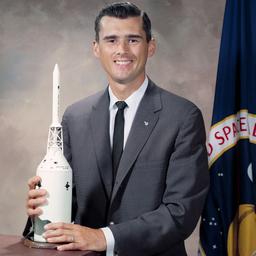
Apollo 1, initially designated AS-204, was the first crewed mission of the United States Apollo program, the undertaking to land the first man on the Moon. It was planned to launch on February 21, 1967, as the first low Earth orbital test of the Apollo command and service module. The mission never flew; a cabin fire during a launch rehearsal test at Cape Kennedy Air Force Station Launch Complex 34 on January 27 killed all three crew members—Command Pilot Gus Grissom, Senior Pilot Ed White, and Pilot Roger B. Chaffee—and destroyed the command module (CM). The name Apollo 1, chosen by the crew, was made official by NASA in their honor after the fire.

Open the launch pad in Google Maps satellite mode using the pad coordinates.
Apollo 1, initially designated AS-204, was the first crewed mission of the United States Apollo program, the undertaking to land the first man on the Moon. It was planned to launch on February 21, 1967, as the first low Earth orbital test of the Apollo command and service module. The mission never flew; a cabin fire during a launch rehearsal test at Cape Kennedy Air Force Station Launch Complex 34 on January 27 killed all three crew members—Command Pilot Gus Grissom, Senior Pilot Ed White, and Pilot Roger B. Chaffee—and destroyed the command module (CM). The name Apollo 1, chosen by the crew, was made official by NASA in their honor after the fire.
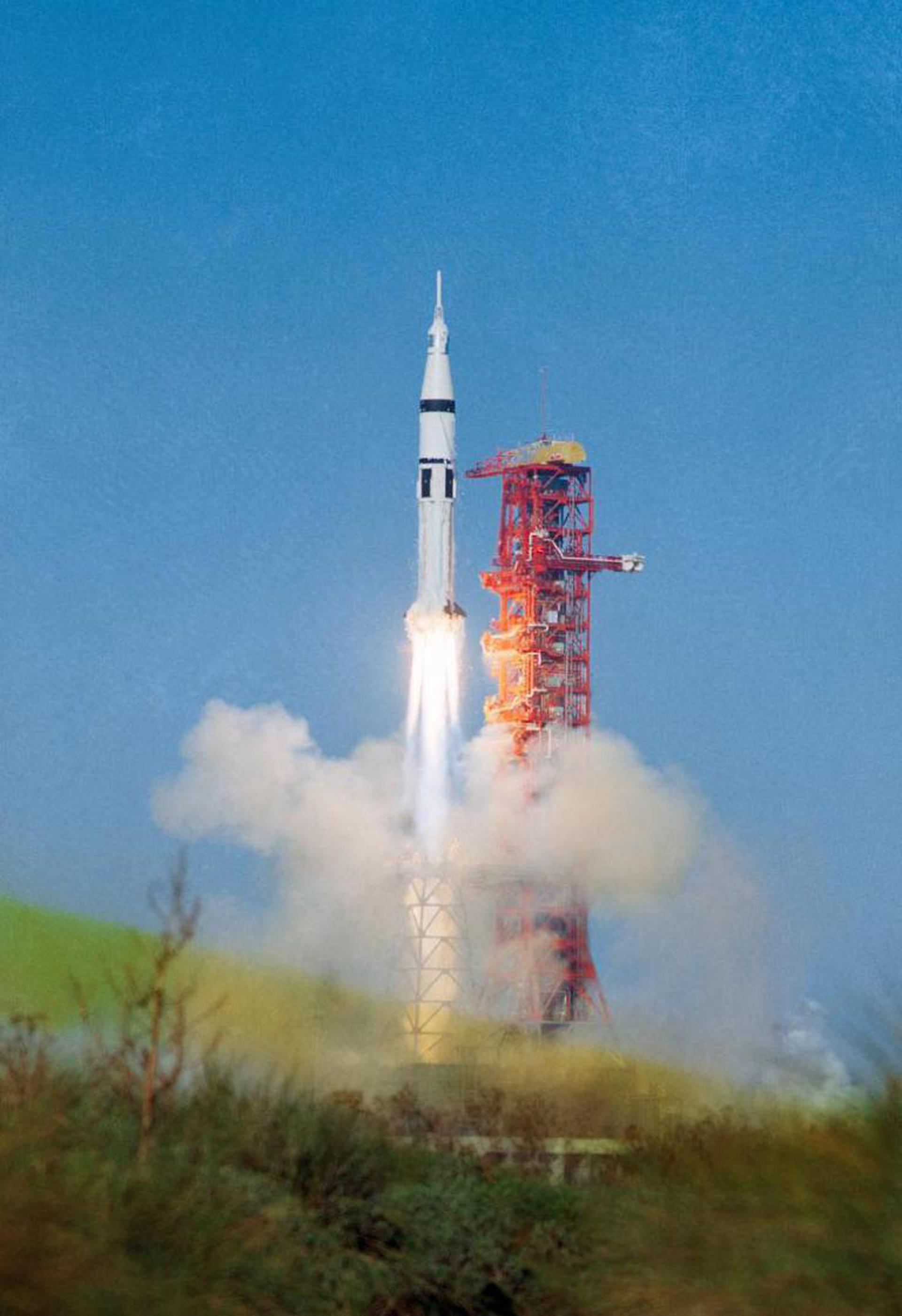
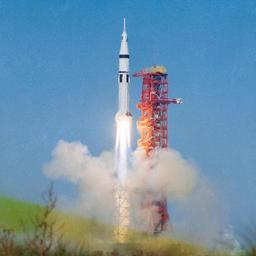
The Saturn IB (pronounced "one B", also known as the Uprated Saturn I) was an American launch vehicle commissioned by the National Aeronautics and Space Administration (NASA) for the Apollo program. It replaced the S-IV second stage of the Saturn I with the much more powerful S-IVB, able to launch a partially fueled Apollo Command/Service Module (CSM) or a fully fueled Lunar Module (LM) into low Earth orbit for early flight tests before the larger Saturn V needed for lunar flight was ready.
The National Aeronautics and Space Administration is an independent agency of the executive branch of the United States federal government responsible for the civilian space program, as well as aeronautics and aerospace research. NASA have many launch facilities but most are inactive. The most commonly used pad will be LC-39B at Kennedy Space Center in Florida.
Provider, rocket, pad, and booster history tied to this launch.
Launch-stage and landing context surfaced from LL2 when it exists.
CSM-012 was an Apollo Command & Service Module that was planned to be used in the Apollo 1 mission. It was destroyed by a fatal cabin fire during a launch rehearsal on January 27, 1967.
The Apollo 1 spacecraft was destroyed in a cabin on the ground fire during a launch dress rehearsal.