Spacecraft stage
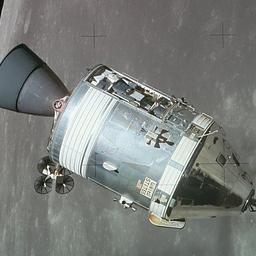
Apollo Charlie Brown CSM-106
Capsule
CSM-106 "Charlie Brown" was an Apollo Command & Service Module used in the Apollo 10 mission.
Successful landing • @ Pacific Ocean
Docking event
TMinusZero
Loading
Preparing the latest launch data.
Launch Detail
Loading launch detail
Pulling launch timing, vehicle context, weather signals, and mission evidence.
Launch detail
National Aeronautics and Space Administration • Saturn V • Launch Complex 39B (FL)
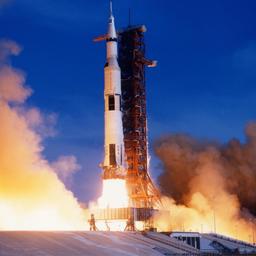
National Aeronautics and Space Administration • Saturn V • LC-39B
Top answer
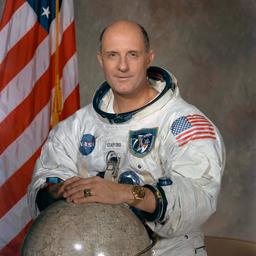
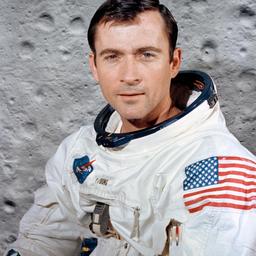
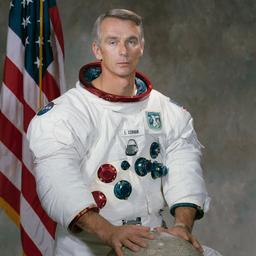
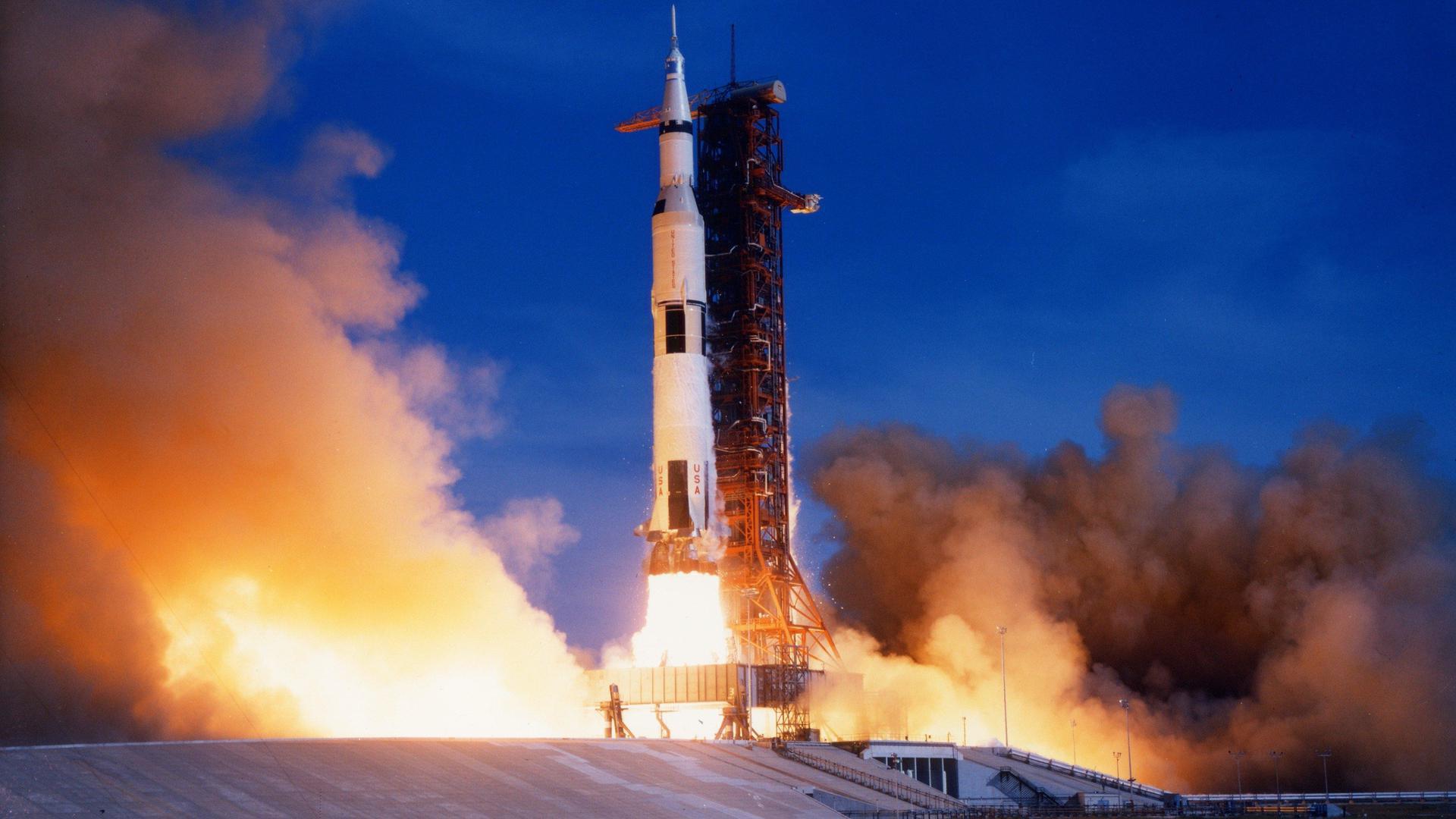
Apollo 10 was Command by Thomas P. Stafford, Command Module Pilot John W. Young, and Lunar Module Pilot Eugene A. Cernan. This mission was a F Mission which means a dress rehearsal for the upcoming Apollo 11 Mission that would be the first crewed mission to land on the moon.
Last refreshed: May 18, 2024, 10:03 AM EDT. T-Minus Zero keeps this as the canonical launch record and reconciles schedule, mission, payload, media, and provider signals when those records are available.
Stream links and embedded coverage.
Premium keeps the launch-by-launch change log visible so you can review slips, window edits, and status changes without waiting for an error-driven upgrade prompt.
Free-to-share photography matched to this launch. Tap a photo to view it at full resolution.
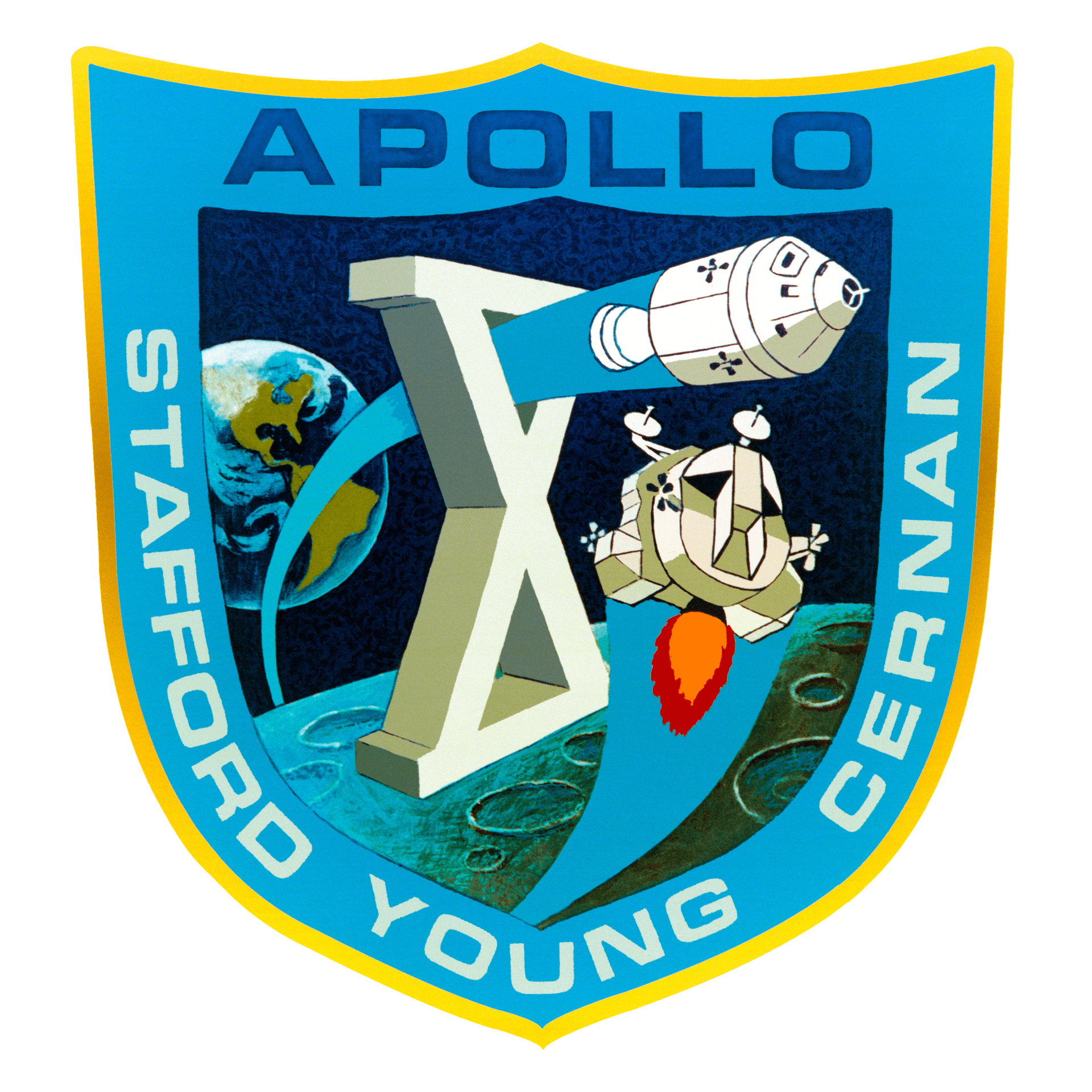 Apollo 10 Patch
Enhanced forecast insights (select launches).
Premium adds the higher-signal weather shell for select Eastern Range launches, including the extra launch criteria and fast-read risk rows.
Launch-stage and landing context surfaced from LL2 when it exists.
CSM-106 "Charlie Brown" was an Apollo Command & Service Module used in the Apollo 10 mission.
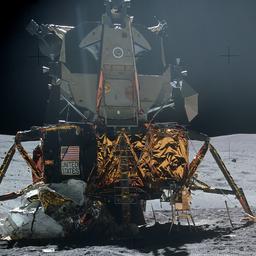
Flown on Apollo 10. Descent stage may have hit the Moon, ascent stage in heliocentric orbit. Snoopy is the only flown LM ascent stage known to have survived intact (possibly asteroid 2018 AV2).
The Apollo spacecraft successfully splashed down in the Pacific Ocean.
Apollo 10 was Command by Thomas P. Stafford, Command Module Pilot John W. Young, and Lunar Module Pilot Eugene A. Cernan. This mission was a F Mission which means a dress rehearsal for the upcoming Apollo 11 Mission that would be the first crewed mission to land on the moon.
Alternate mission URLs consolidate to this canonical launch record so exact mission timing, status, media, and source context stay on one page.
Use these internal paths to move from this exact launch record into the provider, vehicle, launch-site, schedule, and mission-family pages that own broader context.
This launch currently has no dedicated mission-family hub, so provider, vehicle, site, and canonical record links are the primary internal paths.
Some high-demand launch records carry specialized search intent. These profiles explain what can be verified from the published record without filling gaps that upstream sources have not published.
Crew and spacecraft evidence is grouped from published launch, crew, payload, program, agency, source-link, and status records so the page can answer astronaut, spacecraft, destination, provider, and schedule intent without inventing unpublished manifest details.
Key structured fields for this launch record are grouped here so the page answers mission, payload, orbit, provider, source, and timing questions before the deeper tracking and media sections.
This record is preserved as historical launch context. The page emphasizes what was launched, the vehicle and pad involved, published outcome/status fields, linked programs, and source records instead of treating the mission like an upcoming countdown.
Open the launch pad in Google Maps satellite mode using the pad coordinates.
Apollo 10 was Command by Thomas P. Stafford, Command Module Pilot John W. Young, and Lunar Module Pilot Eugene A. Cernan. This mission was a F Mission which means a dress rehearsal for the upcoming Apollo 11 Mission that would be the first crewed mission to land on the moon.
The Saturn V was a human-rated expendable rocket used by NASA between 1967 and 1973. Most notably, the Saturn V took the Apollo program to the Moon. It still remains the world's tallest, heaviest, and most powerful rocket ever brought to operational status and is the only launch vehicle to take humans beyond LEO.
The National Aeronautics and Space Administration is an independent agency of the executive branch of the United States federal government responsible for the civilian space program, as well as aeronautics and aerospace research. NASA have many launch facilities but most are inactive. The most commonly used pad will be LC-39B at Kennedy Space Center in Florida.
06432fa03fb006305506ff49a7eff313616a2827d9f0db72cbef3496a6927847Provider, rocket, pad, and booster history tied to this launch.