
Loading photos...
Loading mission resources...
Loading related events...
Loading vehicle timeline...
Loading related news...
TMinusZero
Loading
Preparing the latest launch data.
Launch Detail
Loading launch detail
Pulling launch timing, vehicle context, weather signals, and mission evidence.
Launch detail
National Aeronautics and Space Administration • Space Launch System Block 1B • Launch Complex 39B (FL)
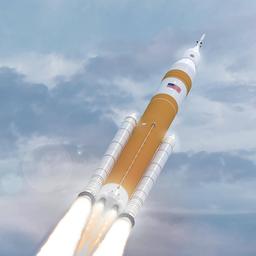
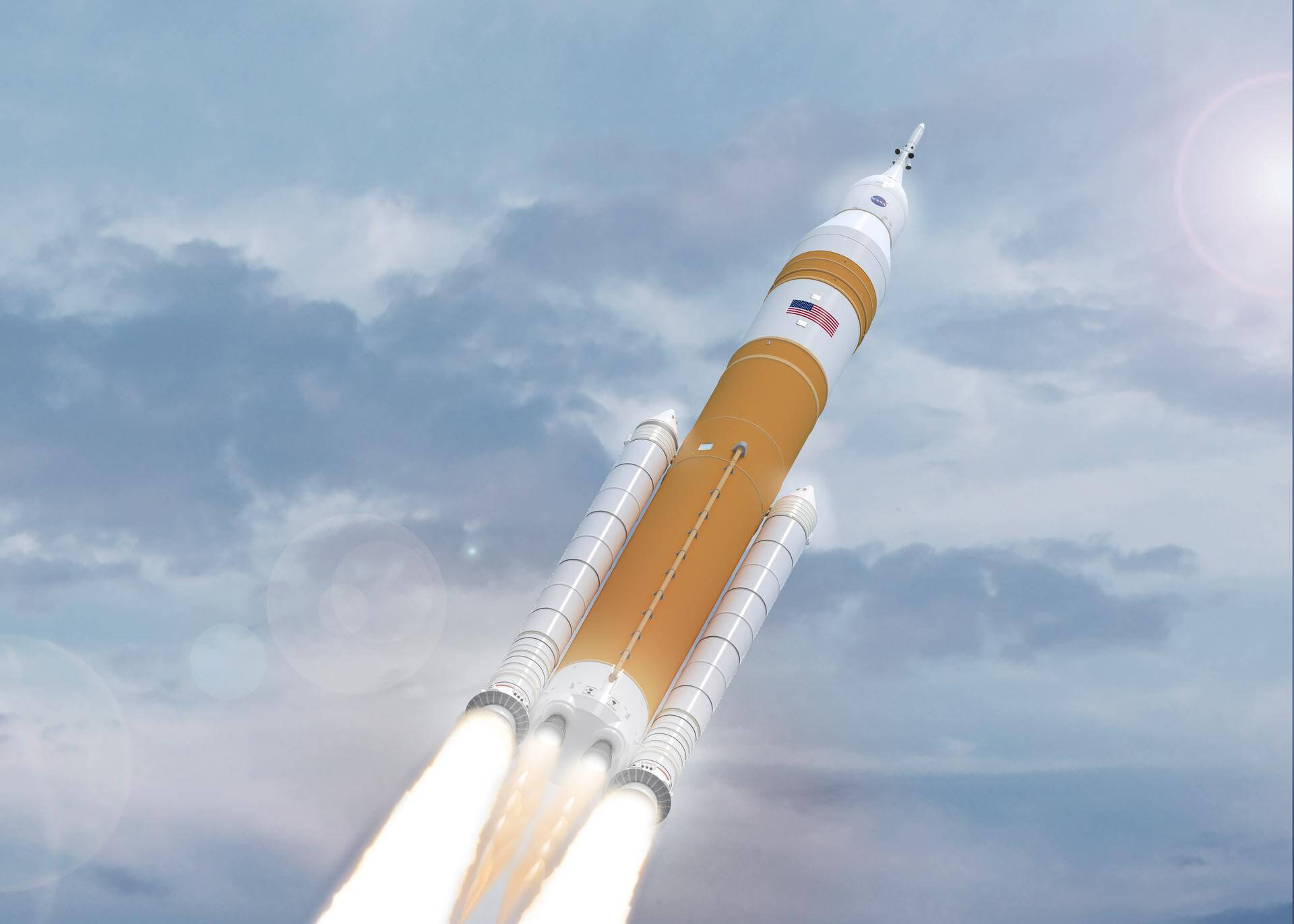
National Aeronautics and Space Administration • Space Launch System Block 1B • LC-39B
Top answer
Artemis V is planned to be the second human lunar landing mission since the Apollo Program.
Last refreshed: Feb 27, 2026, 9:36 PM EST. T-Minus Zero keeps this as the canonical launch record and reconciles schedule, mission, payload, media, and provider signals when those records are available.
Alternate mission URLs consolidate to this canonical launch record so exact mission timing, status, media, and source context stay on one page.
Premium keeps the launch-by-launch change log visible so you can review slips, window edits, and status changes without waiting for an error-driven upgrade prompt.
Free-to-share photography matched to this launch. Tap a photo to view it at full resolution.
Enhanced forecast insights (select launches).
Premium adds the higher-signal weather shell for select Eastern Range launches, including the extra launch criteria and fast-read risk rows.
Artemis V is planned to be the second human lunar landing mission since the Apollo Program.
Use these internal paths to move from this exact launch record into the provider, vehicle, launch-site, schedule, and mission-family pages that own broader context.
This launch currently has no dedicated mission-family hub, so provider, vehicle, site, and canonical record links are the primary internal paths.
Key structured fields for this launch record are grouped here so the page answers mission, payload, orbit, provider, source, and timing questions before the deeper tracking and media sections.
Open the launch pad in Google Maps satellite mode using the pad coordinates.
Artemis V is planned to be the second human lunar landing mission since the Apollo Program.
The Space Launch System (SLS) is an American Space Shuttle-derived heavy expendable launch vehicle. It is part of NASA's deep space exploration plans including as the main launch vehicle of the Artemis program. SLS follows the cancellation of the Constellation program, and is to replace the retired Space Shuttle.
The National Aeronautics and Space Administration is an independent agency of the executive branch of the United States federal government responsible for the civilian space program, as well as aeronautics and aerospace research. NASA have many launch facilities but most are inactive. The most commonly used pad will be LC-39B at Kennedy Space Center in Florida.
Payload and object details are usually published 1–2 days after launch.
Linked via Spaceflight News API (SNAPI).
 Article
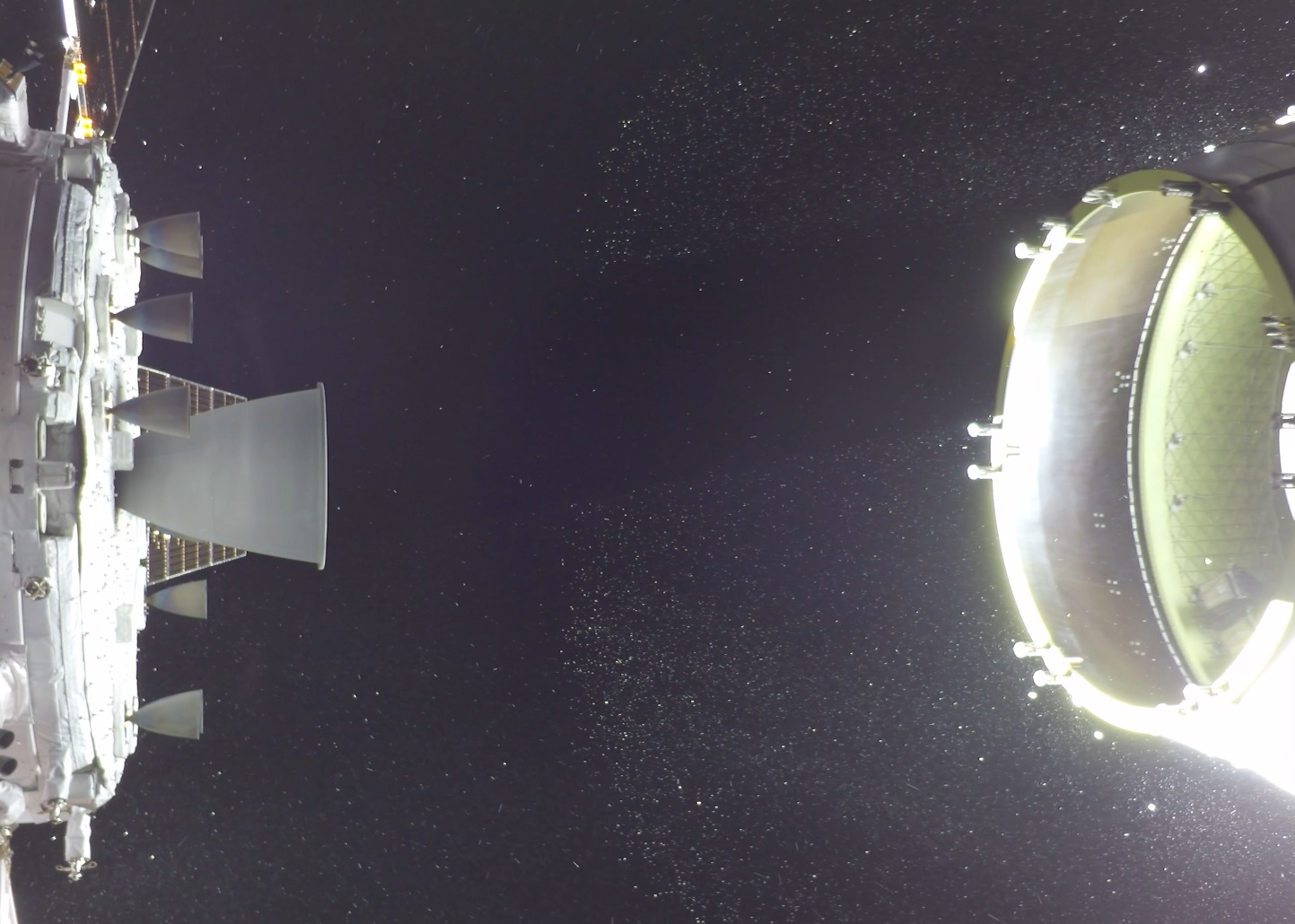
The NASA and contractor workforce continues to make progress ahead of next year’s Artemis III… The post SLS picks up the pace, four vehicles in production a...
 Article
Organizations interested in launching CubeSats on future Artemis missions should respond to NASA’s request for information (RFI) by Monday, June 1, for initi...
 Article
NASA Associate Administrator Amit Kshatriya said today that to be as agile as possible, the agency is opening up the specifications for early Artemis landing...
 Article
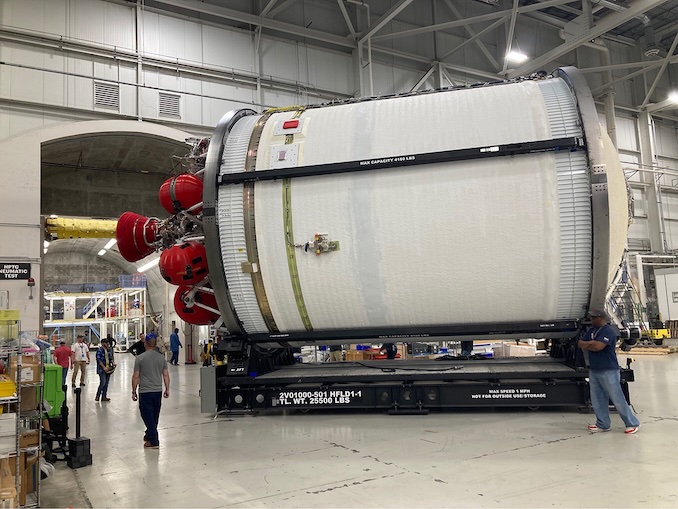
The upper stage of United launch Alliance’s Vulcan rockets performed successfully across the first four flights of the rocket since 2024. The first launch of...
 Article
NASA has selected the Centaur upper stage currently used on United Launch Alliance’s Vulcan rocket for future flights of the Space Launch System. The post N...
 Article
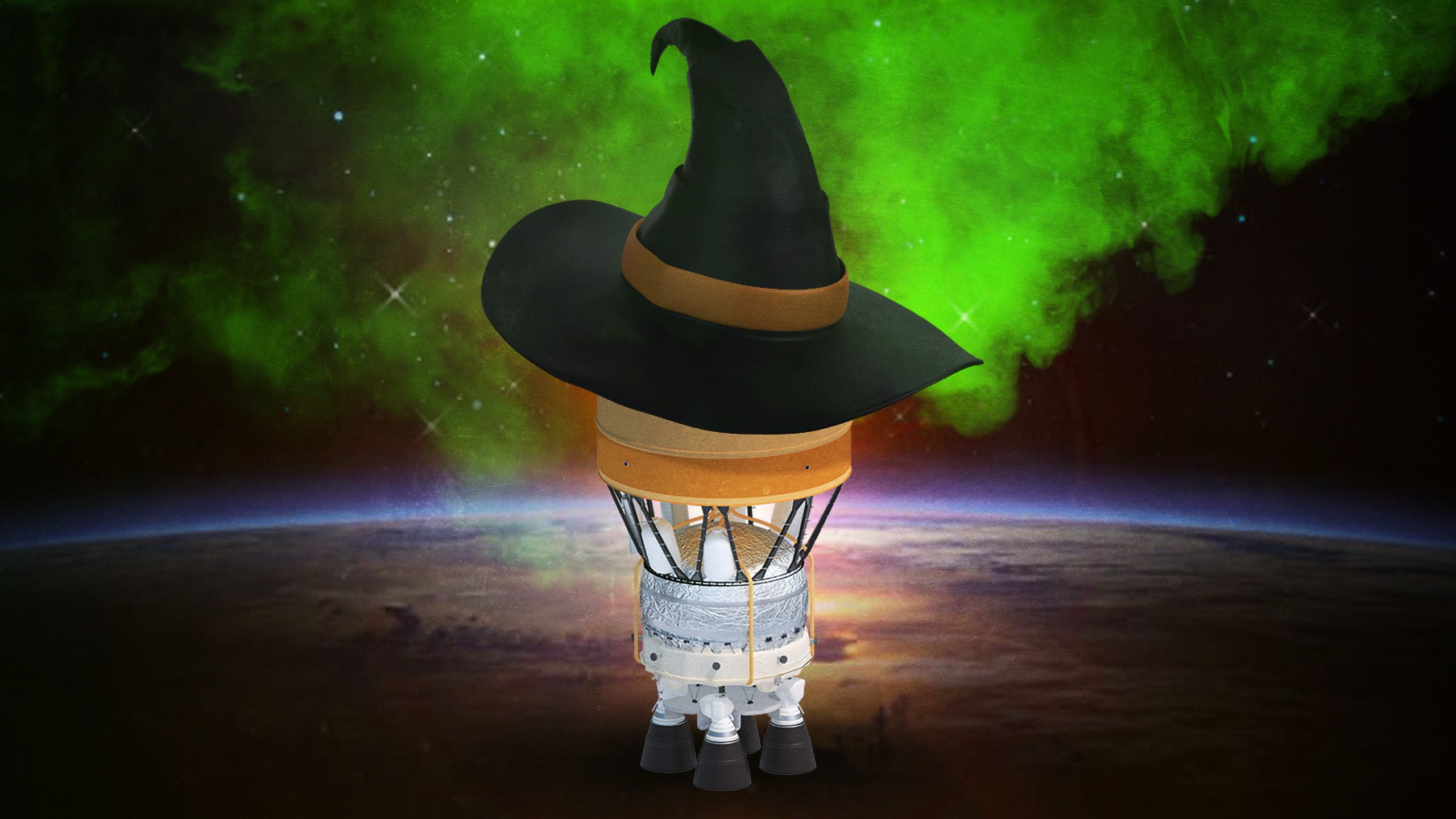
The Exploration Upper Stage did not in any way get NASA closer to landing on the Moon.
Provider, rocket, pad, and booster history tied to this launch.