

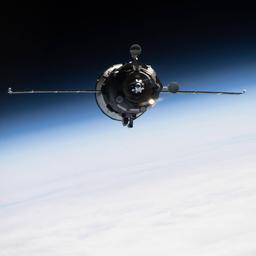
Spacecraft stage
Progress MS-30
Cargo Resupply
Progress MS-30 is a Progress spacecraft used by Roscosmos to resupply the International Space Station (ISS).
No landing attempt • @ South Pacific
Docking @ International Space Station
Launch Detail
Pulling launch timing, vehicle context, weather signals, and mission evidence.
Launch detail
Russian Federal Space Agency (ROSCOSMOS) • Soyuz 2.1a • 31/6 (NA)
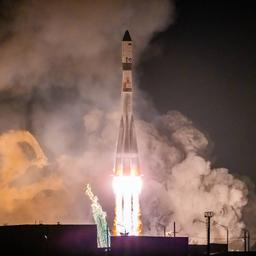

Russian Federal Space Agency (ROSCOSMOS) • Soyuz 2.1a • 31/6
Progress resupply mission to the International Space Station.
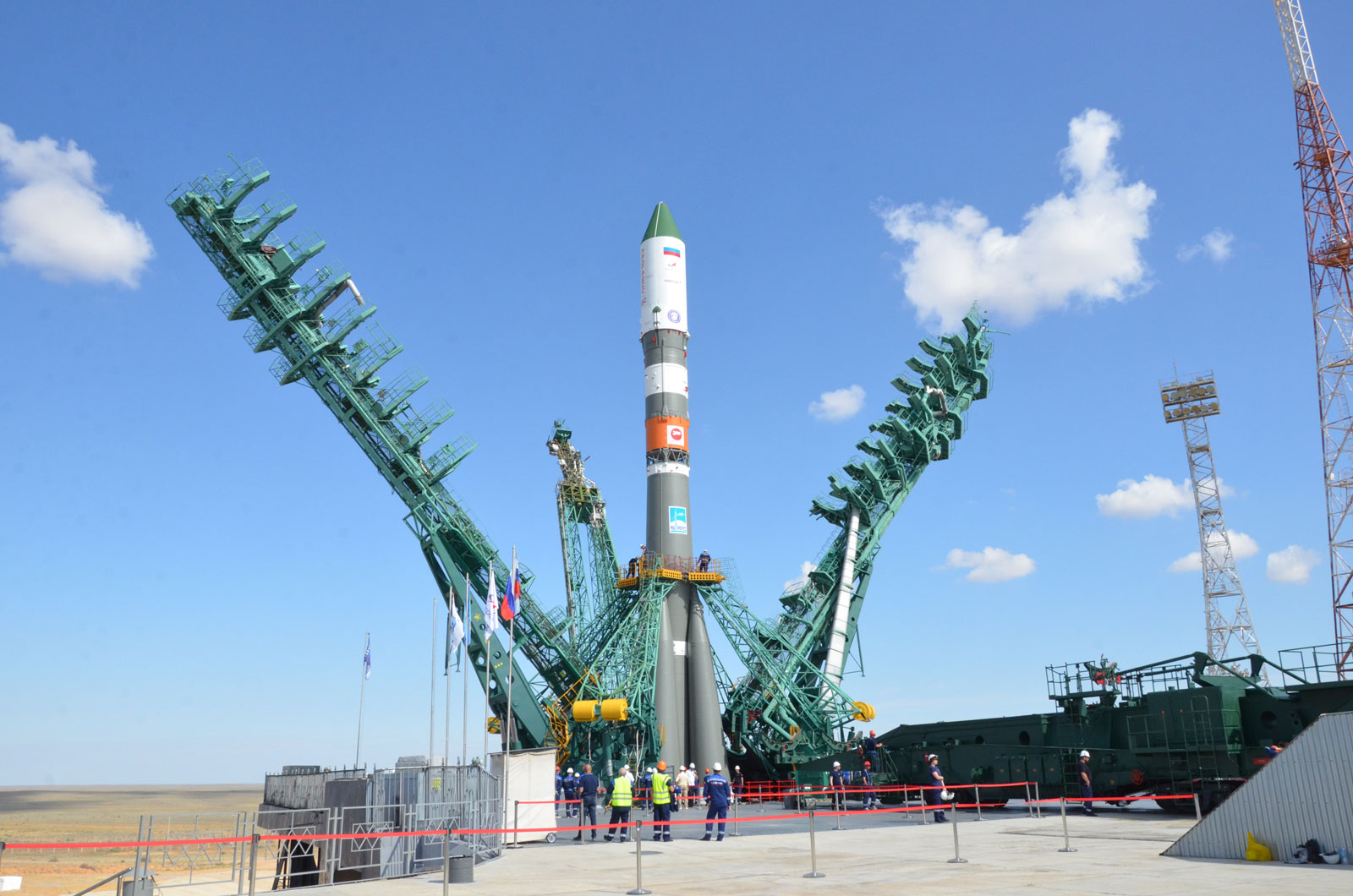
Open the launch pad in Google Maps satellite mode using the pad coordinates.
Progress resupply mission to the International Space Station.
The Soyuz 2.1A converted the flight control system from analog to digital, which allowed launch from fixed platforms. It also allowed big fairings and payloads. It is currently used for crewed Soyuz and Progress flights to the ISS.
The Roscosmos State Corporation for Space Activities, commonly known as Roscosmos, is the governmental body responsible for the space science program of the Russian Federation and general aerospace research. Soyuz has many launch locations the Russian sites are Baikonur, Plesetsk and Vostochny however Ariane also purchases the vehicle and launches it from French Guiana.
Provider, rocket, pad, and booster history tied to this launch.
6e17032cfd4ad26146e81644a945b73dc35e212c0bb839dfe7935eaea7852090Linked via Spaceflight News API (SNAPI).
 Article
The International Space Station is now in the waning days of Expedition 72 and is… The post Crew handovers and cargo ship movements highlight recent ISS act...
 Article
Several significant missions are scheduled for this week, including the third lunar lander to launch… The post Launch Roundup: Starship, lunar lander, and t...
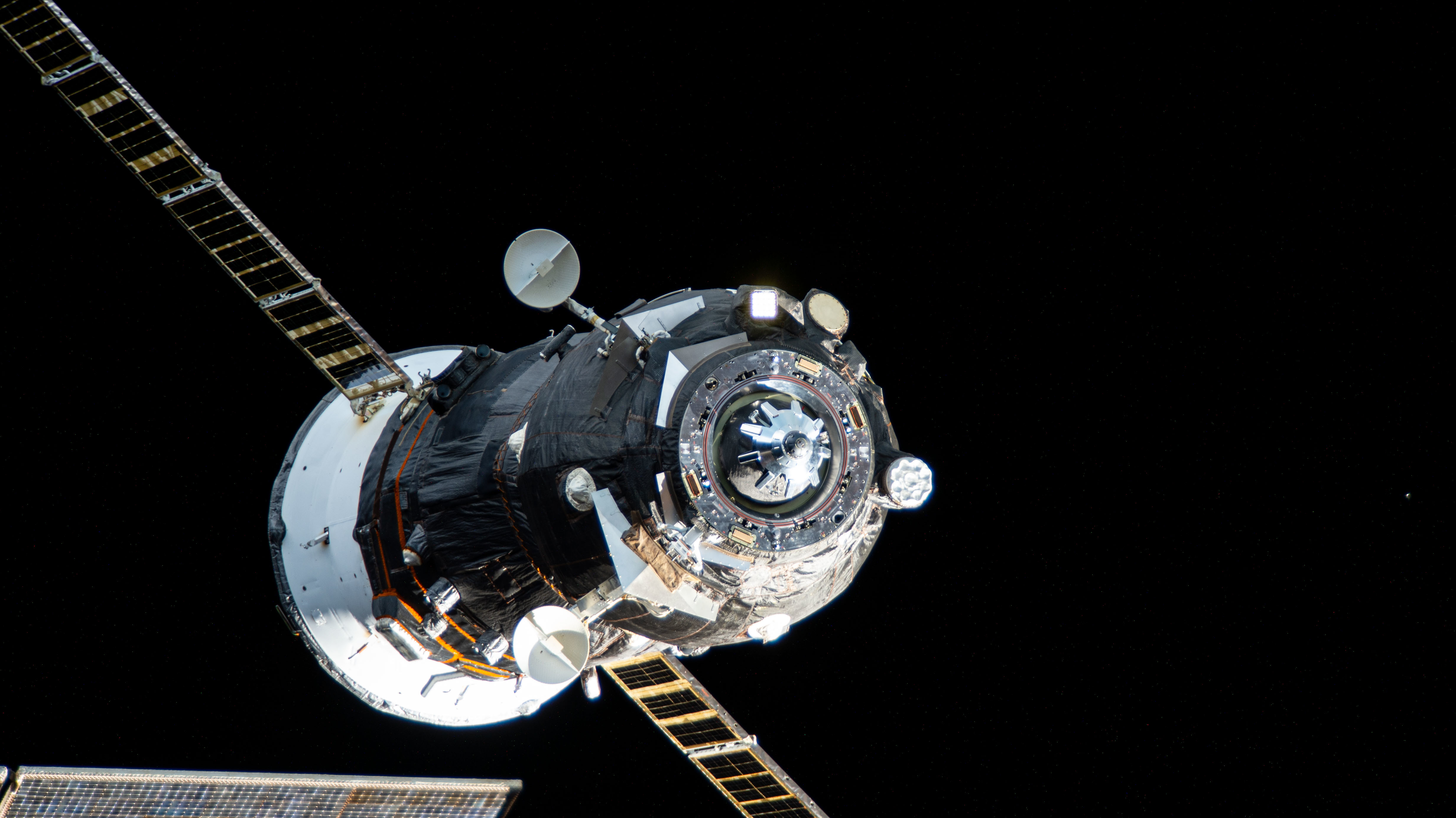 Article
NASA will provide live launch and docking coverage of a Roscosmos cargo spacecraft delivering approximately three tons of food, fuel, and supplies for the cr...
Launch-stage and landing context surfaced from LL2 when it exists.
Progress MS-30 is a Progress spacecraft used by Roscosmos to resupply the International Space Station (ISS).
Progress MS-30 will be destroyed during atmospheric reentry after completing its mission.