

Loading photos...
Loading mission resources...
Loading related events...
Loading vehicle timeline...
Loading related news...
TMinusZero
Loading
Preparing the latest launch data.
Launch Detail
Loading launch detail
Pulling launch timing, vehicle context, weather signals, and mission evidence.
Launch detail
Relativity Space • Terran R • Launch Complex 16 (FL)

Mars science and telecommunications orbiter, with a NASA-developed atmospheric instrument suite called Aeolus. It includes a Doppler wind and temperature sensor, thermal limb sounder, surface radiometric sensors and a wide-field camera.
Premium keeps the launch-by-launch change log visible so you can review slips, window edits, and status changes without waiting for an error-driven upgrade prompt.
Free-to-share photography matched to this launch. Tap a photo to view it at full resolution.
Linked via Spaceflight News API (SNAPI).
Enhanced forecast insights (select launches).
Premium adds the higher-signal weather shell for select Eastern Range launches, including the extra launch criteria and fast-read risk rows.
Provider, rocket, pad, and booster history tied to this launch.
Mars science and telecommunications orbiter, with a NASA-developed atmospheric instrument suite called Aeolus. It includes a Doppler wind and temperature sensor, thermal limb sounder, surface radiometric sensors and a wide-field camera.
Open the launch pad in Google Maps satellite mode using the pad coordinates.
Mars science and telecommunications orbiter, with a NASA-developed atmospheric instrument suite called Aeolus. It includes a Doppler wind and temperature sensor, thermal limb sounder, surface radiometric sensors and a wide-field camera.
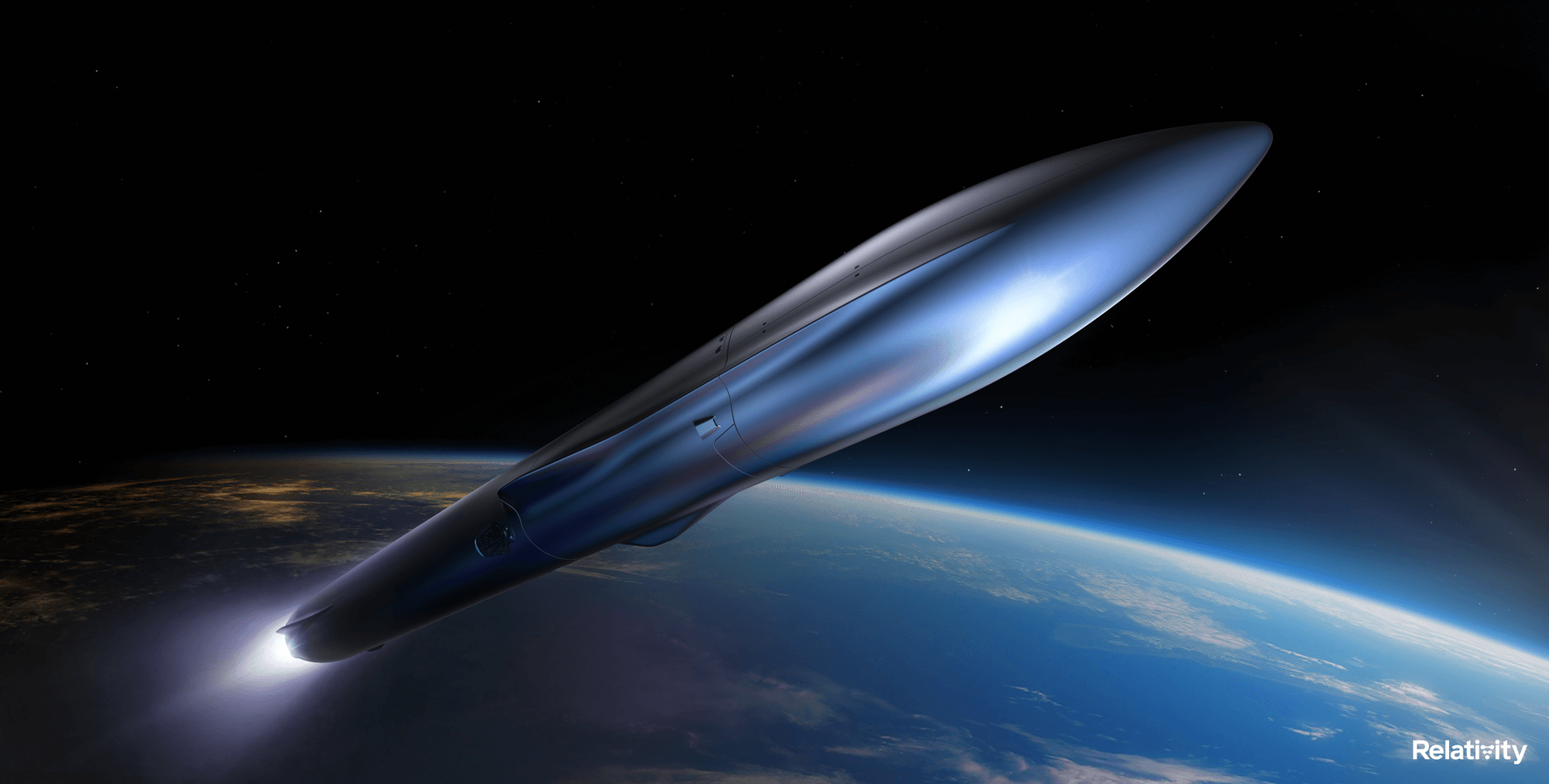
Terran R is a medium-lift 2-stage launch vehicle developed by Relativity Space is the first fully-reusable, entirely 3D printed orbital launch vehicle.
Relativity Space is an American aerospace manufacturing company headquartered in Los Angeles, California. It was founded in 2015 by Tim Ellis and Jordan Noone. Relativity Space is developing manufacturing technologies, launch vehicles and rocket engines for commercial orbital launch services.
Payload and object details are usually published 1–2 days after launch.
