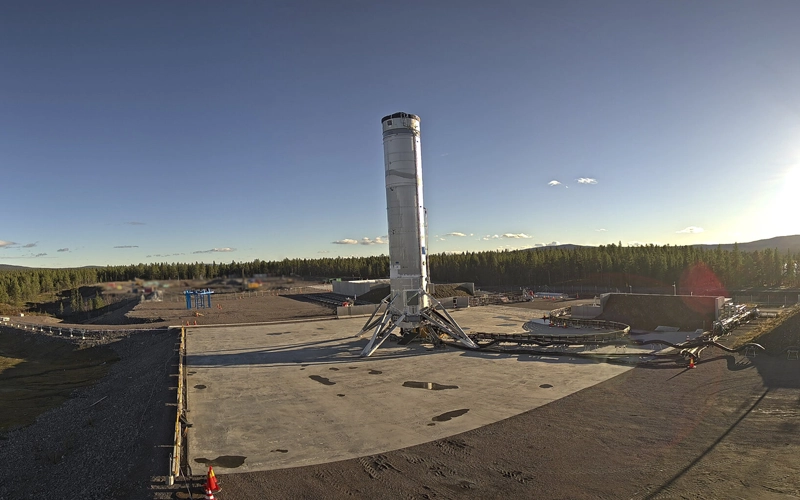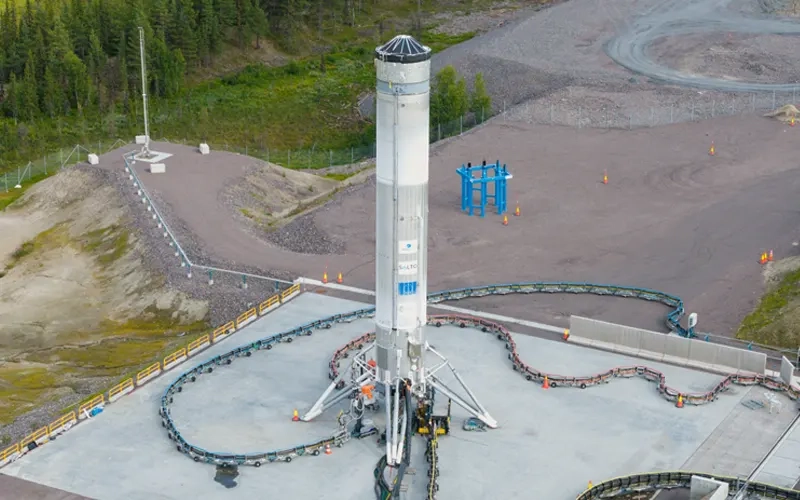
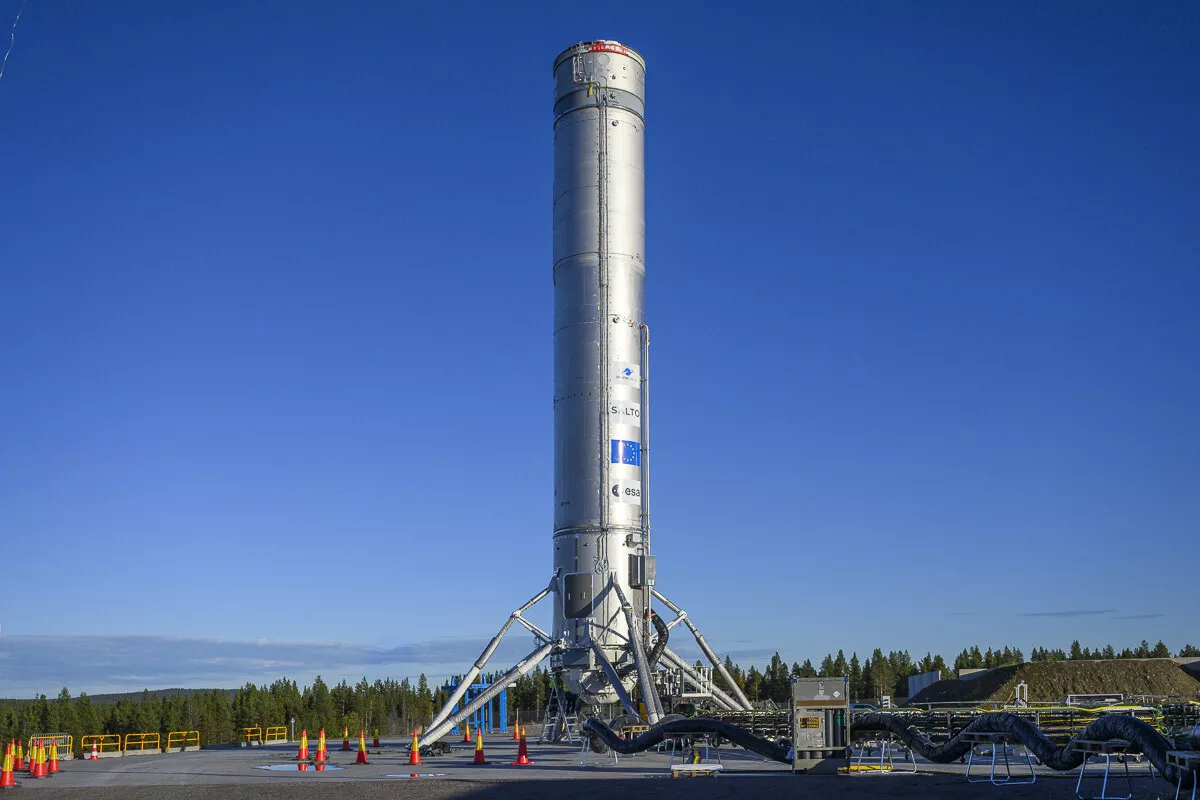
Return to Launch Site • Launch Complex 3 Landing Pad
The Themis T1H demonstrator will attempt a soft vertical landing back at its launch site.

TMinusZero
Loading
Preparing the latest launch data.
Launch Detail
Loading launch detail
Pulling launch timing, vehicle context, weather signals, and mission evidence.
Launch detail
European Space Agency • Themis Demonstrator • Launch Complex 3B (SE-BD)
First low-altitude hop test of a Themis demonstrator, with a targeted altitude up to 100 m.
Premium keeps the launch-by-launch change log visible so you can review slips, window edits, and status changes without waiting for an error-driven upgrade prompt.
Free-to-share photography matched to this launch. Tap a photo to view it at full resolution.
Launch-stage and landing context surfaced from LL2 when it exists.
The Themis T1H demonstrator will attempt a soft vertical landing back at its launch site.
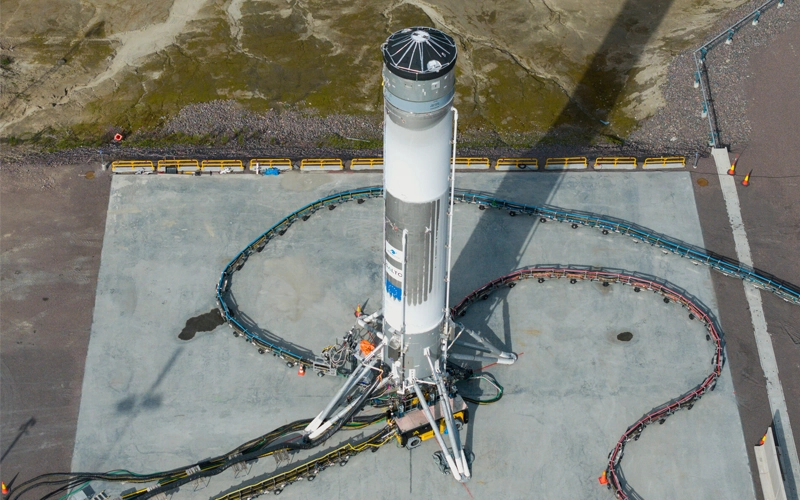
First low-altitude hop test of a Themis demonstrator, with a targeted altitude up to 100 m.

Open the launch pad in Google Maps satellite mode using the pad coordinates.
First low-altitude hop test of a Themis demonstrator, with a targeted altitude up to 100 m.
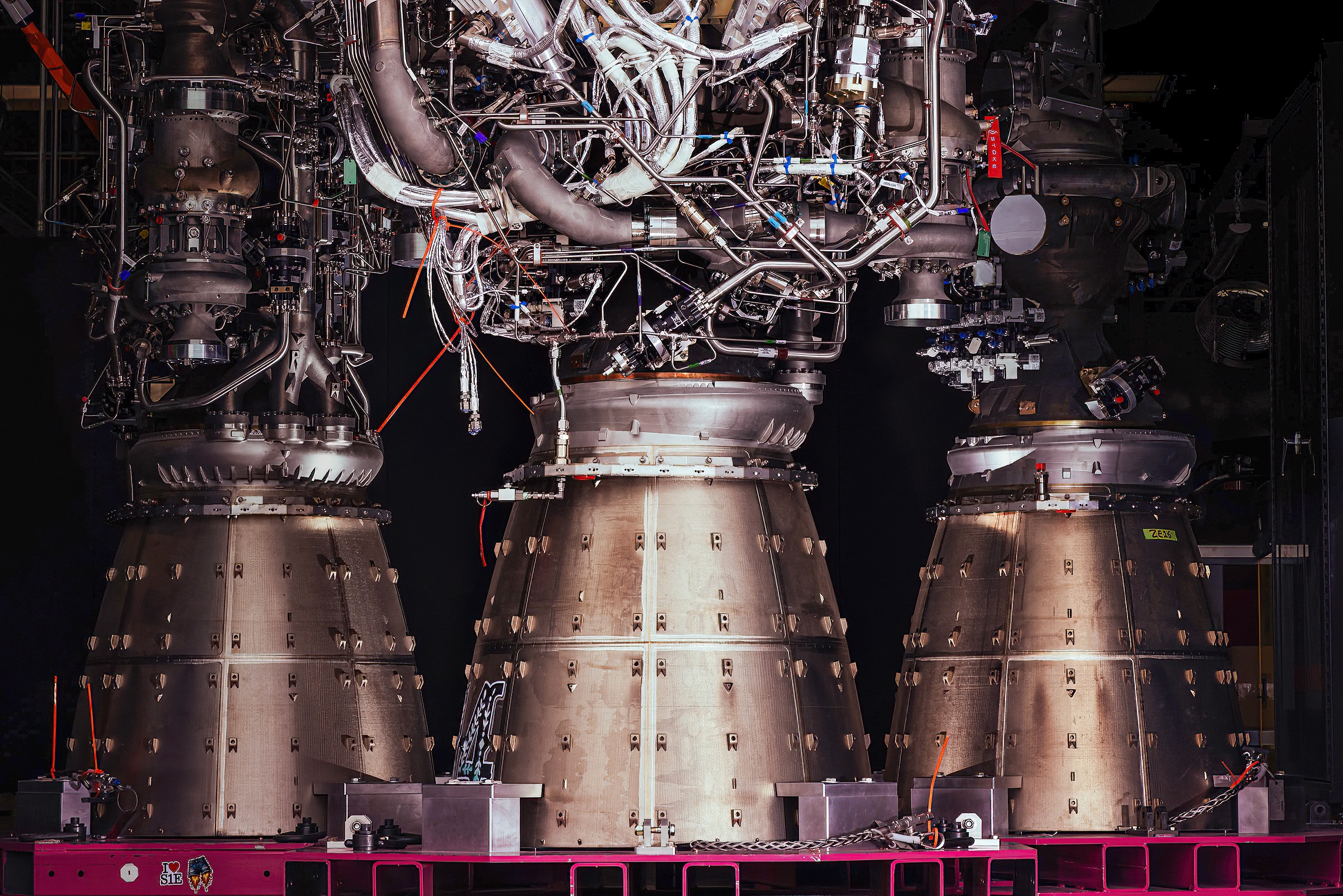
Themis is an ESA rocket prototype – a flagship European demonstrator for low-cost rocket recovery and reuse technologies. Powered by the reusable, methane-fuelled engine Prometheus, it is developed with ArianeGroup as prime contractor and building on decades of European research and experience in rocketry and space operations, Themis is designed to launch, land vertically and live on for another mission.
The European Space Agency is an intergovernmental organisation of 22 member states. Established in 1975 and headquartered in Paris, France, ESA has a worldwide staff of about 2,000 employees. ESA's space flight programme includes human spaceflight (mainly through participation in the International Space Station program); the launch and operation of unmanned exploration missions to other planets and the Moon; Earth observation, science and telecommunication; designing launch vehicles; and maintaining a major spaceport, the Guiana Space Centre at Kourou, French Guiana.
Payload and object details are usually published 1–2 days after launch.
Linked via Spaceflight News API (SNAPI).
ArticleThe European Space Agency’s (ESA) Director of Space Transportation, Géraldine Naja, said on 22 October that she was uncertain whether the agency would be abl...
Article"I can say we’re weeks away from launching on Vulcan."
ArticleThe European Space Agency announced that ArianeGroup and Swedish Space Corporation completed a second wet dress rehearsal of the Themis reusable rocket demon...
ArticleESA’s Themis reusable rocket stage demonstrator successfully completed its second ‘wet dress rehearsal’ at Esrange Space Center in Sweden on 29 September, te...
ArticleThe European Commission has extended the deadline for the SALTO reusable launcher project to the end of 2026, giving the programme another three months to co...
Article"America won the first Space Race, and we can do it again."
Provider, rocket, pad, and booster history tied to this launch.
Core-level mission cadence associated with this launch.
A jellyfish call needs a liftoff time set to the hour or minute.
This outlook evaluates whether a broad, sunlit ascent plume could stand out. It does not yet predict whether a specific vehicle will produce one, and a no-jellyfish call does not mean the rocket itself will be invisible.