
Loading photos...
Loading mission resources...
Loading related events...
Loading vehicle timeline...
Loading related news...
TMinusZero
Loading
Preparing the latest launch data.
Launch Detail
Loading launch detail
Pulling launch timing, vehicle context, weather signals, and mission evidence.
Launch detail
Lockheed Martin • Titan IIIE • Space Launch Complex 41 (FL)
Top answer
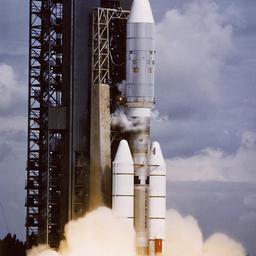
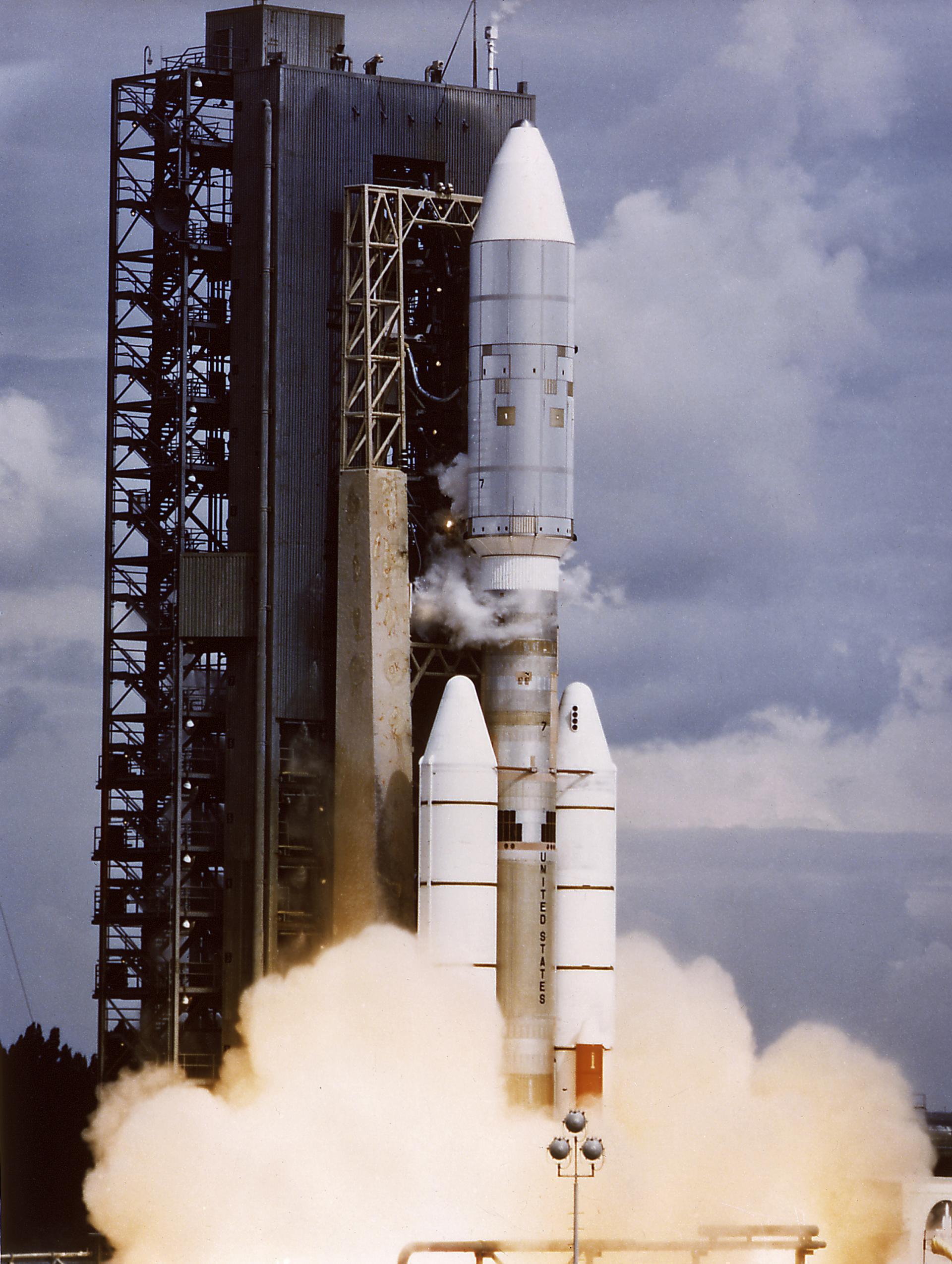
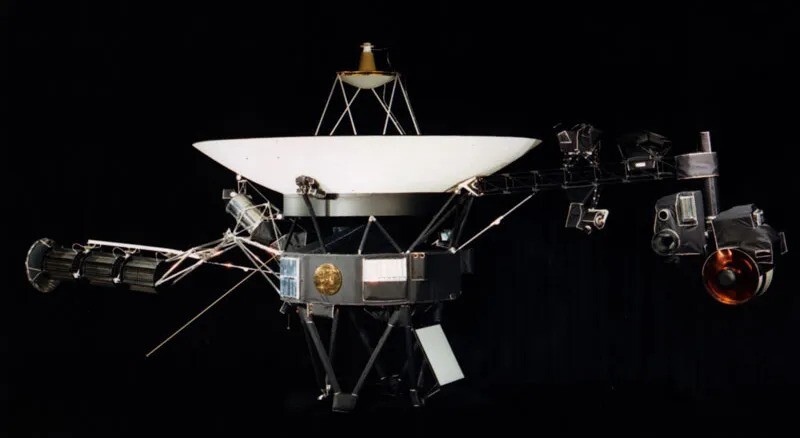
Voyager 1 is a space probe launched by NASA on September 5, 1977. Part of the Voyager program to study the outer Solar System, Voyager 1 launched 16 days after its twin, Voyager 2.
Last refreshed: Jun 15, 2024, 10:38 AM EDT. T-Minus Zero keeps this as the canonical launch record and reconciles schedule, mission, payload, media, and provider signals when those records are available.
Alternate mission URLs consolidate to this canonical launch record so exact mission timing, status, media, and source context stay on one page.
Premium keeps the launch-by-launch change log visible so you can review slips, window edits, and status changes without waiting for an error-driven upgrade prompt.
Free-to-share photography matched to this launch. Tap a photo to view it at full resolution.
Enhanced forecast insights (select launches).
Premium adds the higher-signal weather shell for select Eastern Range launches, including the extra launch criteria and fast-read risk rows.
Provider, rocket, pad, and booster history tied to this launch.
Voyager 1 is a space probe launched by NASA on September 5, 1977. Part of the Voyager program to study the outer Solar System, Voyager 1 launched 16 days after its twin, Voyager 2.
Use these internal paths to move from this exact launch record into the provider, vehicle, launch-site, schedule, and mission-family pages that own broader context.
This launch currently has no dedicated mission-family hub, so provider, vehicle, site, and canonical record links are the primary internal paths.
Key structured fields for this launch record are grouped here so the page answers mission, payload, orbit, provider, source, and timing questions before the deeper tracking and media sections.
This record is preserved as historical launch context. The page emphasizes what was launched, the vehicle and pad involved, published outcome/status fields, linked programs, and source records instead of treating the mission like an upcoming countdown.
Open the launch pad in Google Maps satellite mode using the pad coordinates.
Voyager 1 is a space probe launched by NASA on September 5, 1977. Part of the Voyager program to study the outer Solar System, Voyager 1 launched 16 days after its twin, Voyager 2.
Lockheed Martin's Space Division started in the production of missiles and later ICBM's in the 1950s. Their TITAN missile system was used for 12 Gemini spacecraft and the Voyager probes. They have worked largely in collaboration with NASA on many of their probes, landers, and spacecraft, and hope to play a key role in NASA's return to the moon in 2024.
2b68a916af4aa47c9cf162d54267252204893cb9e8ba398675b61ecd7ac0445fLinked via Spaceflight News API (SNAPI).
 Article
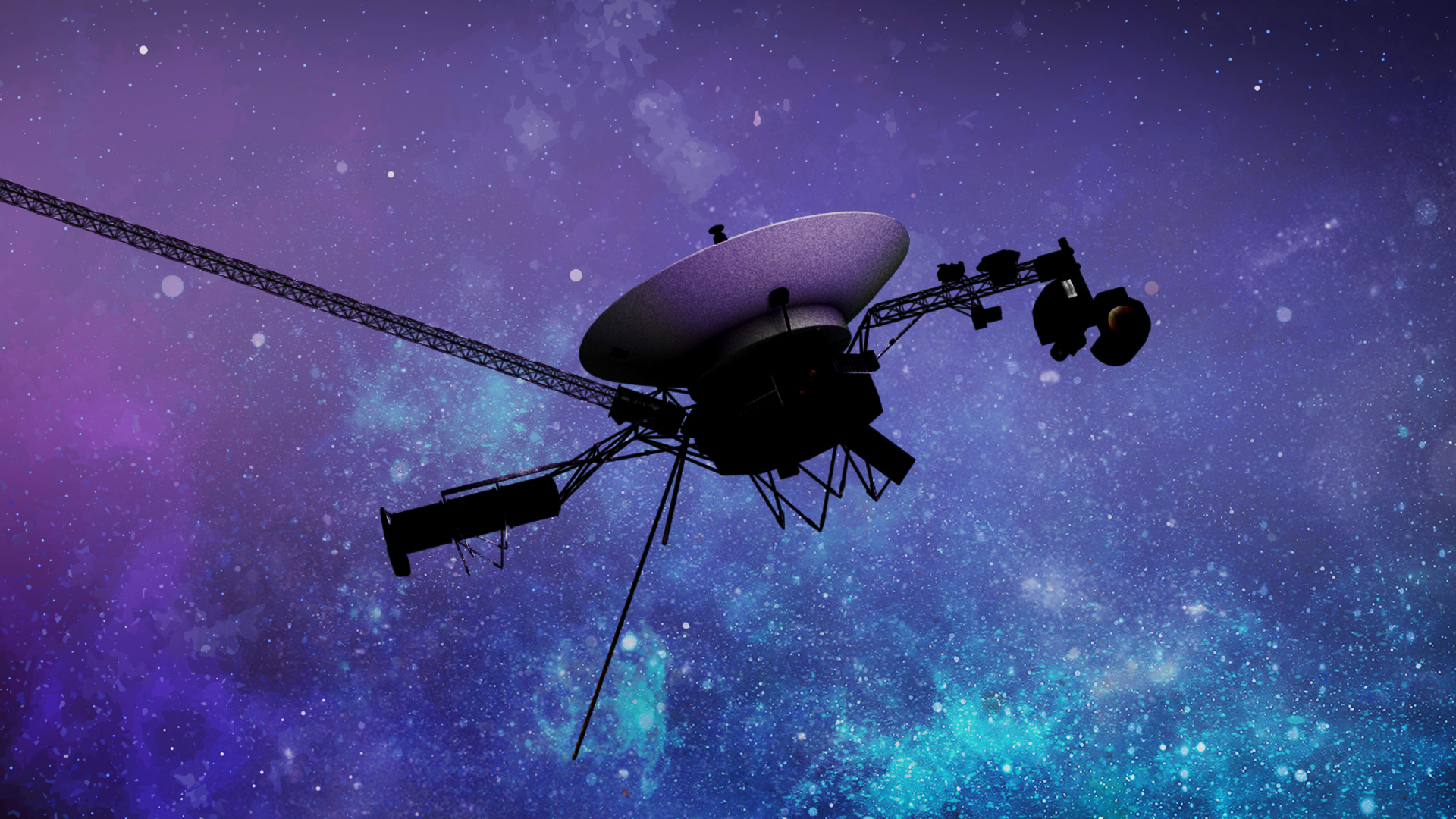
The farthest-flung human-made objects will be able to take their science-gathering even farther, thanks to these energy-conserving measures. Mission engineer...
 Article
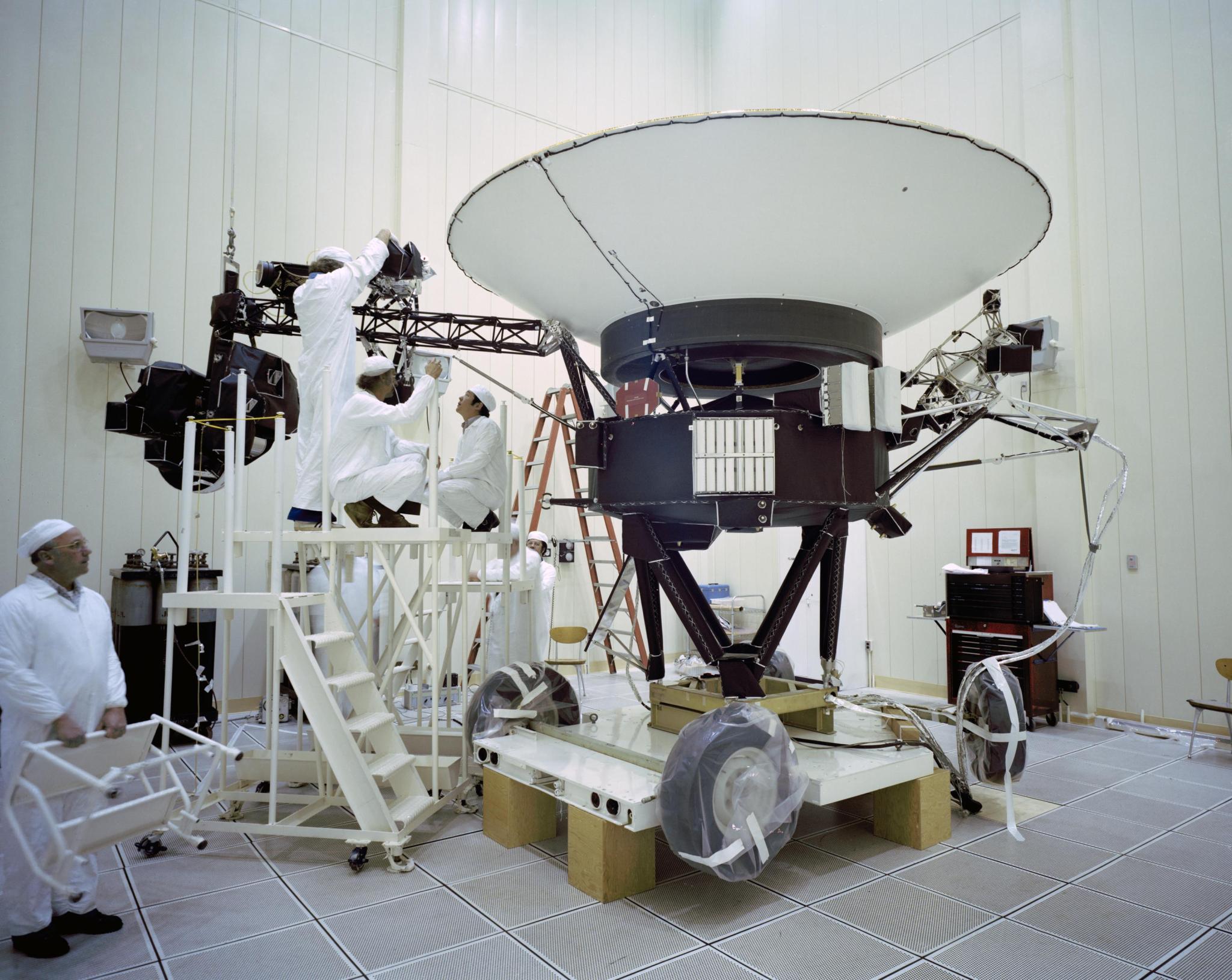
NASA’s Voyager mission launched in the 1970s. Today, it’s making history as it conducts new science. But how are two spacecraft from the ’70s not just surviv...
 Article
The spacecraft uses its thrusters to stay pointed at Earth, but after 47 years in space some of the fuel tubes have become clogged. Engineers working on NASA...
 Article
Voyager 1 Instruments Return to Service After Computer Malfunction
 Article
The four instruments on NASA’s Voyager 1 spacecraft are returning science data for the first time since a computer malfunction last November, as scientists h...
 Article
The plucky Voyager 1 spacecraft has another lease on life as it continues its voyage through interstellar space. The 46-year old spacecraft, billions of mile...