Loading photos...
Loading mission resources...
Watch
Live coverage
Stream links and embedded coverage.
Loading related events...
Loading vehicle timeline...
Loading related news...
TMinusZero
Loading
Preparing the latest launch data.
Launch Detail
Loading launch detail
Pulling launch timing, vehicle context, weather signals, and mission evidence.
Launch detail
Lockheed Martin • Titan IVB/Centaur • Space Launch Complex 40 (FL)
Lockheed Martin • Titan IVB/Centaur • SLC-40
Top answer
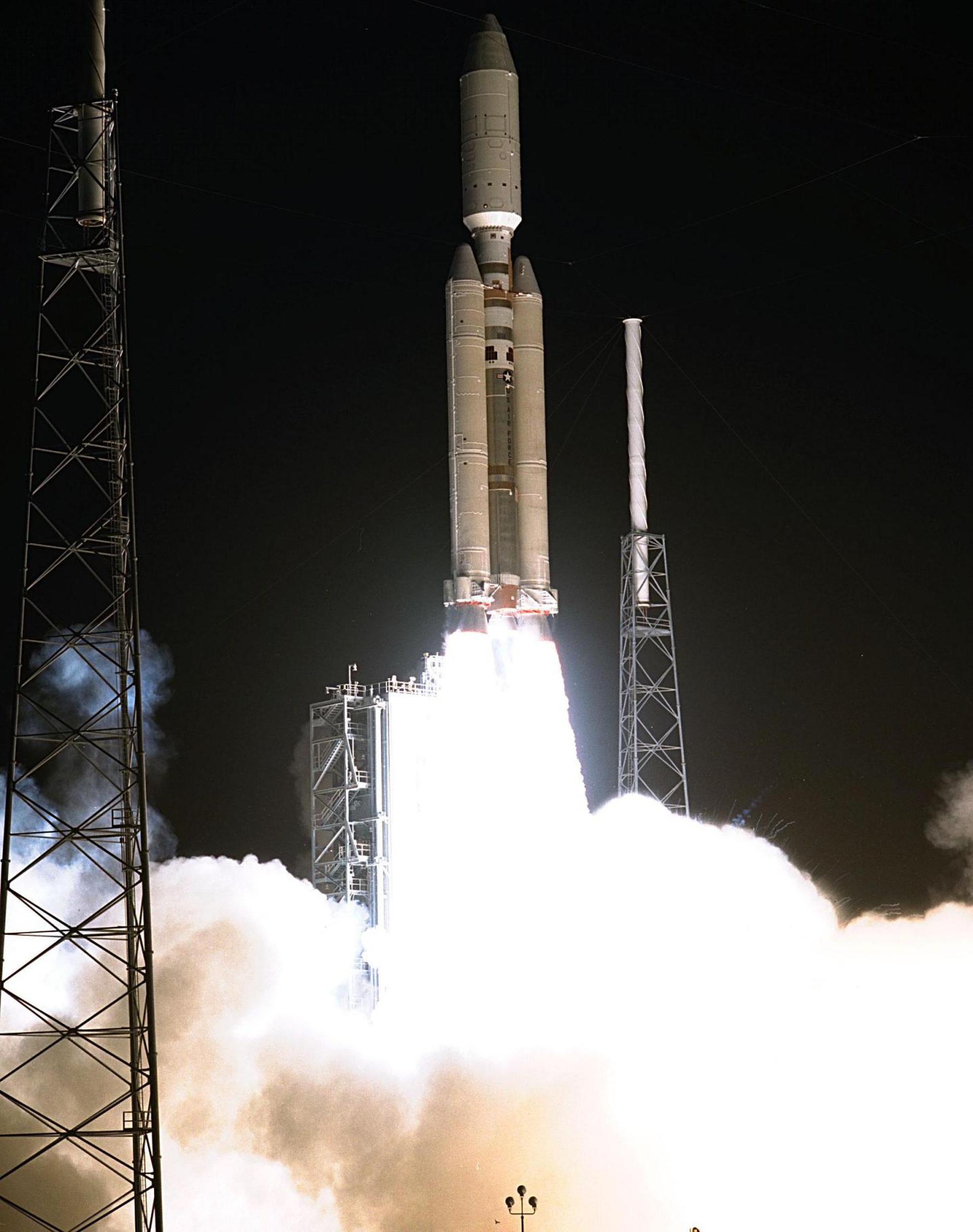
Titan IVB/Centaur | Cassini-Huygens is a Success launch record for Lockheed Martin using Titan IVB/Centaur from Space Launch Complex 40, Cape Canaveral SFS, FL, USA.
Last refreshed: Nov 27, 2025, 5:26 AM EST. T-Minus Zero keeps this as the canonical launch record and reconciles schedule, mission, payload, media, and provider signals when those records are available.
Stream links and embedded coverage.
Premium keeps the launch-by-launch change log visible so you can review slips, window edits, and status changes without waiting for an error-driven upgrade prompt.
Free-to-share photography matched to this launch. Tap a photo to view it at full resolution.
Enhanced forecast insights (select launches).
Premium adds the higher-signal weather shell for select Eastern Range launches, including the extra launch criteria and fast-read risk rows.
Alternate mission URLs consolidate to this canonical launch record so exact mission timing, status, media, and source context stay on one page.
Use these internal paths to move from this exact launch record into the provider, vehicle, launch-site, schedule, and mission-family pages that own broader context.
This launch currently has no dedicated mission-family hub, so provider, vehicle, site, and canonical record links are the primary internal paths.
Key structured fields for this launch record are grouped here so the page answers mission, payload, orbit, provider, source, and timing questions before the deeper tracking and media sections.
This record is preserved as historical launch context. The page emphasizes what was launched, the vehicle and pad involved, published outcome/status fields, linked programs, and source records instead of treating the mission like an upcoming countdown.
Open the launch pad in Google Maps satellite mode using the pad coordinates.
Lockheed Martin's Space Division started in the production of missiles and later ICBM's in the 1950s. Their TITAN missile system was used for 12 Gemini spacecraft and the Voyager probes. They have worked largely in collaboration with NASA on many of their probes, landers, and spacecraft, and hope to play a key role in NASA's return to the moon in 2024.
4bd70be890d5481c6ae7d5e1bbb7bce623056d76c0f89ed0506f168b7fd64501Linked via Spaceflight News API (SNAPI).
 Article
Los Angeles CA (SPX) Dec 18, 2025 Careful reanalysis of measurements gathered more than a decade ago indicates that Saturn's largest moon, Titan, likely...
 Article
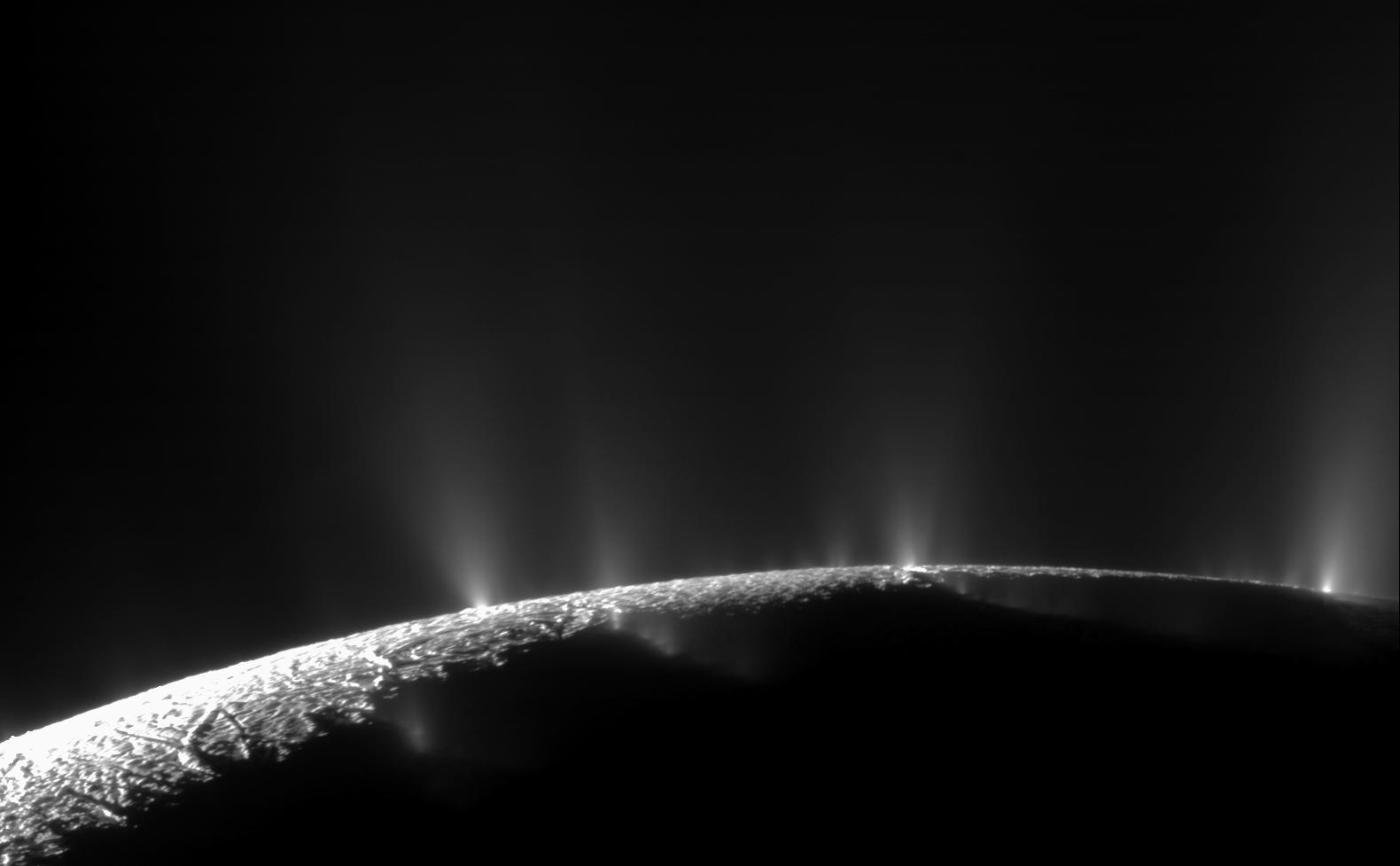
Dramatic plumes, both large and small, spray water ice out from many locations along the famed tiger stripes near the south pole of Saturn’s moon Enceladus i...
 Article
Los Angeles CA (SPX) Nov 20, 2025 Scientists analyzing NASA Cassini data have identified previously unknown organic compounds in ice particles emitted f...
 Article
Researchers dove deep into information gathered from the ice grains that were collected during a close and super-fast flyby through a plume of Saturn’s icy m...
 Article
Located around Saturn is the icy moon Enceladus — one of the most interesting and… The post Scientists use Cassini data to discover new molecules in Encelad...
 Article
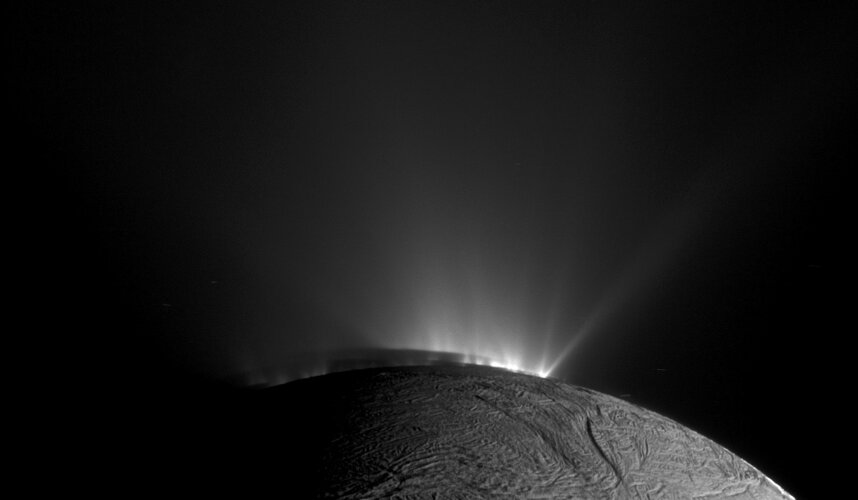
Scientists digging through data collected by the Cassini spacecraft have found new complex organic molecules spewing from Saturn’s moon Enceladus. This is a...
Provider, rocket, pad, and booster history tied to this launch.