
Loading photos...
Loading mission resources...
Watch
Live coverage
Stream links and embedded coverage.
Loading related events...
Loading vehicle timeline...
Loading related news...
TMinusZero
Loading
Preparing the latest launch data.
Launch Detail
Loading launch detail
Pulling launch timing, vehicle context, weather signals, and mission evidence.
Launch detail
Arianespace • Vega-C • Ariane Launch Area 1 (ELV) (FR-GF)
Top answer
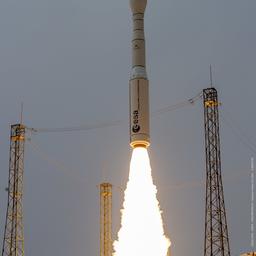
Pléiades Neo 5 and 6 are the last two in a constellation of four optical high-resolution Earth observation satellites built and operated by Airbus. It is a dual purpose constellation, serving both civilian and military purposes.
Last refreshed: Jan 27, 2026, 5:15 AM GMT-3. T-Minus Zero keeps this as the canonical launch record and reconciles schedule, mission, payload, media, and provider signals when those records are available.
Stream links and embedded coverage.
Premium keeps the launch-by-launch change log visible so you can review slips, window edits, and status changes without waiting for an error-driven upgrade prompt.
Free-to-share photography matched to this launch. Tap a photo to view it at full resolution.
 Pléiades Neo
Linked via Spaceflight News API (SNAPI).
 Article
The Ukrainian government claims that European investigators were “premature” in concluding that a component from a Ukrainian company was the blame for the fa...
 Article
Europe plans to return the Vega C rocket to flight by the end of the year after concluding an eroded nozzle component caused the failure of its previous laun...
 Article
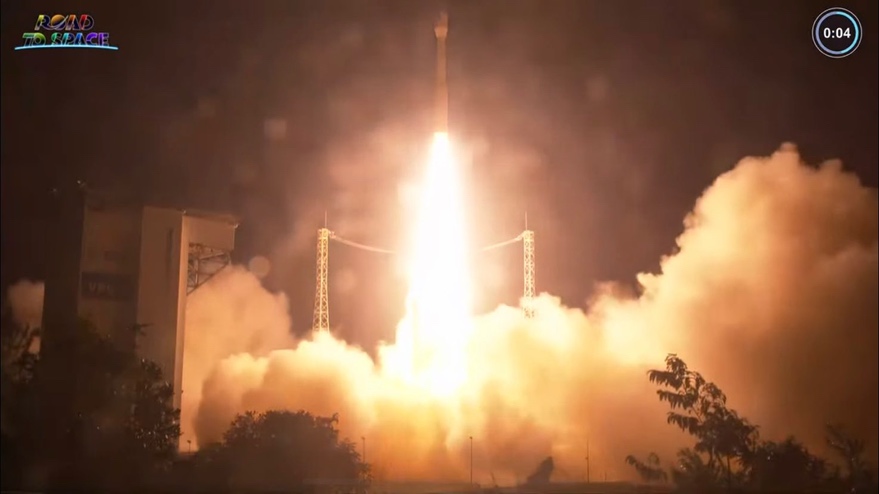
Arianespace and the European Space Agency will establish an independent commission to investigate the Vega C launch failure Dec. 20 that resulted in the loss...
 Article
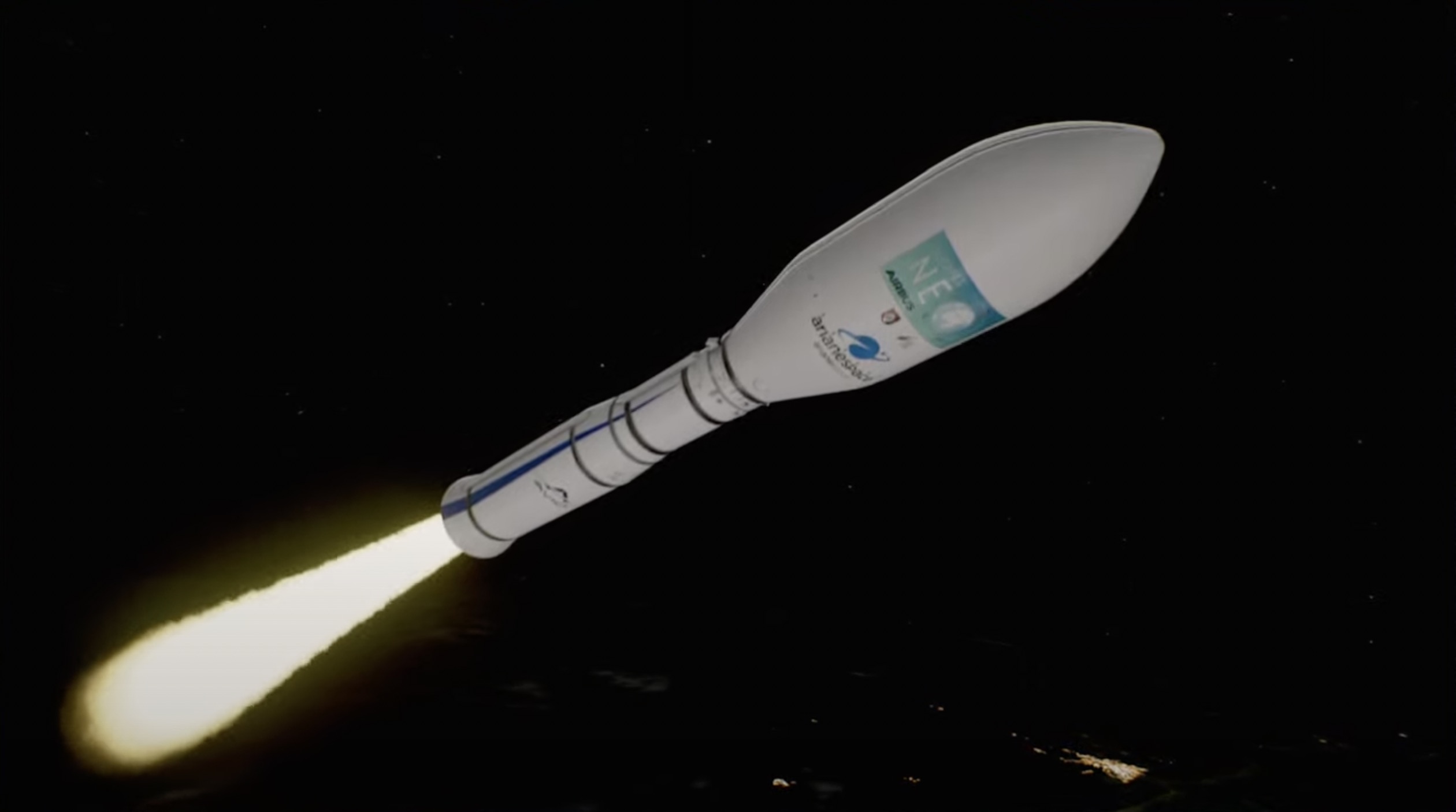
The final two spacecraft in Airbus’s four-satellite, 600 million-euro commercial Pléiades Neo Earth observation fleet crashed into the Atlantic Ocean shortly...
 Article
Arianespace has suffered a failure during Vega-Consolidation’s (Vega-C) first operational launch, which was set to carry the Pléiades Neo 5 and 6 Earth-obser...
ArticleThe second flight of Arianespace’s Vega C failed to reach orbit Dec. 20 after its second stage malfunctioned, destroying two Pléiades Neo imaging satellites.
Pléiades Neo 5 and 6 are the last two in a constellation of four optical high-resolution Earth observation satellites built and operated by Airbus. It is a dual purpose constellation, serving both civilian and military purposes.
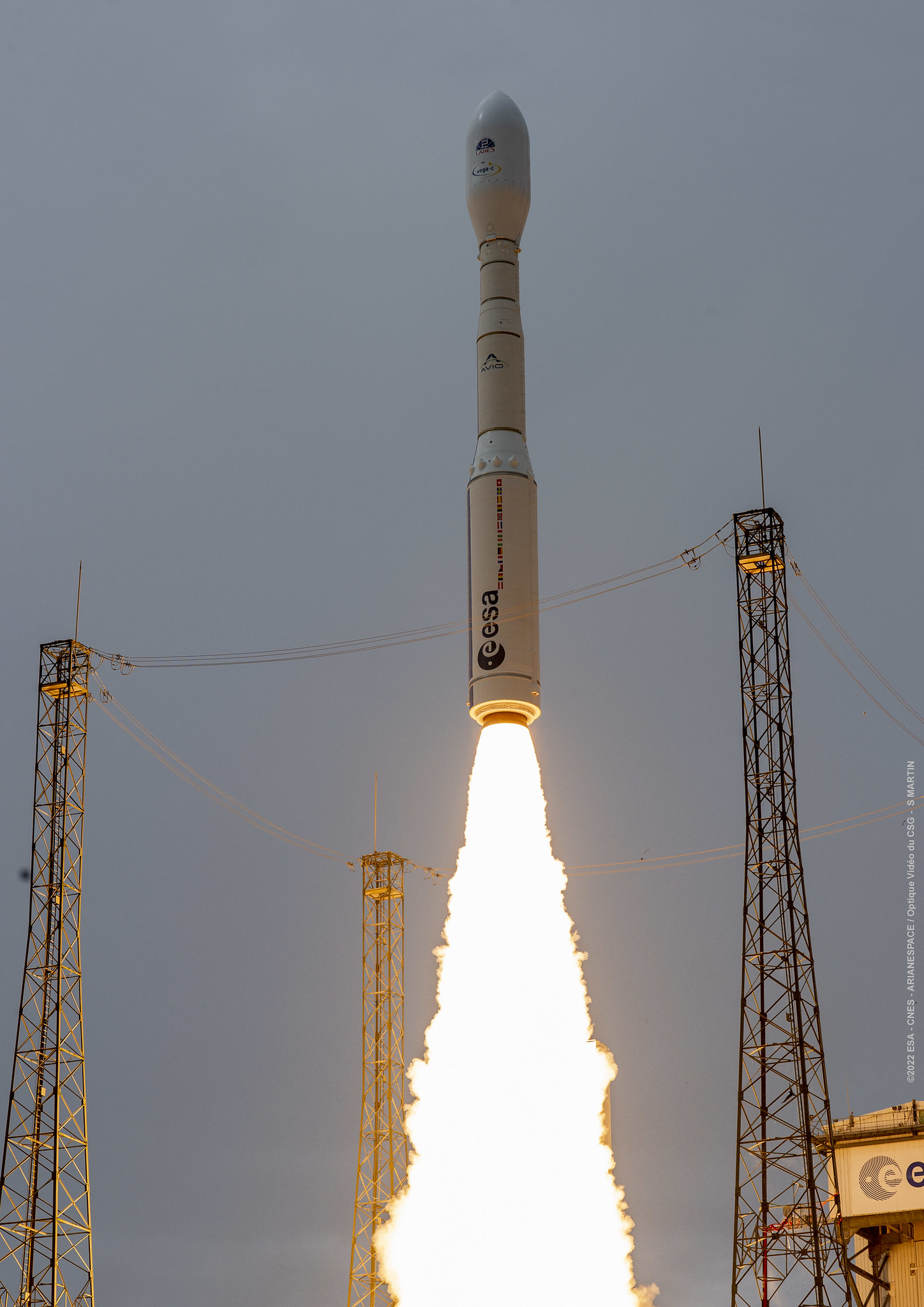
Alternate mission URLs consolidate to this canonical launch record so exact mission timing, status, media, and source context stay on one page.
Use these internal paths to move from this exact launch record into the provider, vehicle, launch-site, schedule, and mission-family pages that own broader context.
This launch currently has no dedicated mission-family hub, so provider, vehicle, site, and canonical record links are the primary internal paths.
Key structured fields for this launch record are grouped here so the page answers mission, payload, orbit, provider, source, and timing questions before the deeper tracking and media sections.
This record is preserved as historical launch context. The page emphasizes what was launched, the vehicle and pad involved, published outcome/status fields, linked programs, and source records instead of treating the mission like an upcoming countdown.
Open the launch pad in Google Maps satellite mode using the pad coordinates.
Pléiades Neo 5 and 6 are the last two in a constellation of four optical high-resolution Earth observation satellites built and operated by Airbus. It is a dual purpose constellation, serving both civilian and military purposes.
Vega-C is a single-body rocket nearly 35 m high with that weighs 210 tonnes on the launch pad. As with Vega, its main elements are three solid-propellant stages, an upper stage powered by a reignitable liquid-propellant engine and a payload fairing. Vega-C's P120C first stage replaces Vega’s smaller P80 to provide a significant increase in thrust at liftoff. It is also used as boosters (2 or 4) for the Ariane 6 rocket.
Arianespace SA is a multinational company founded in 1980 as the world's first commercial launch service provider. It undertakes the production, operation, and marketing of the Ariane programme. Their vehicles launch exclusively from French Guiana in South America.
Provider, rocket, pad, and booster history tied to this launch.