
Loading photos...
Loading mission resources...
Loading related events...
Loading vehicle timeline...
Loading related news...
TMinusZero
Loading
Preparing the latest launch data.
Launch Detail
Loading launch detail
Pulling launch timing, vehicle context, weather signals, and mission evidence.
Launch detail
Russian Space Forces • Angara 1.2 • 35/1 (RU-ARK)
Top answer
Unknown classified satellite(s) for the Russian military.
Last refreshed: Aug 28, 2026, 8:40 PM GMT+3. T-Minus Zero keeps this as the canonical launch record and reconciles schedule, mission, payload, media, and provider signals when those records are available.
Alternate mission URLs consolidate to this canonical launch record so exact mission timing, status, media, and source context stay on one page.
Premium keeps the launch-by-launch change log visible so you can review slips, window edits, and status changes without waiting for an error-driven upgrade prompt.
Free-to-share photography matched to this launch. Tap a photo to view it at full resolution.
Unknown classified satellite(s) for the Russian military.
Use these internal paths to move from this exact launch record into the provider, vehicle, launch-site, schedule, and mission-family pages that own broader context.
This launch currently has no dedicated mission-family hub, so provider, vehicle, site, and canonical record links are the primary internal paths.
Key structured fields for this launch record are grouped here so the page answers mission, payload, orbit, provider, source, and timing questions before the deeper tracking and media sections.
Open the launch pad in Google Maps satellite mode using the pad coordinates.
Unknown classified satellite(s) for the Russian military.
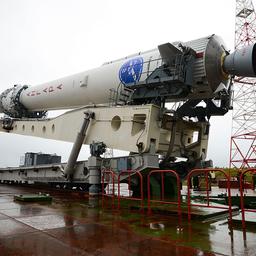
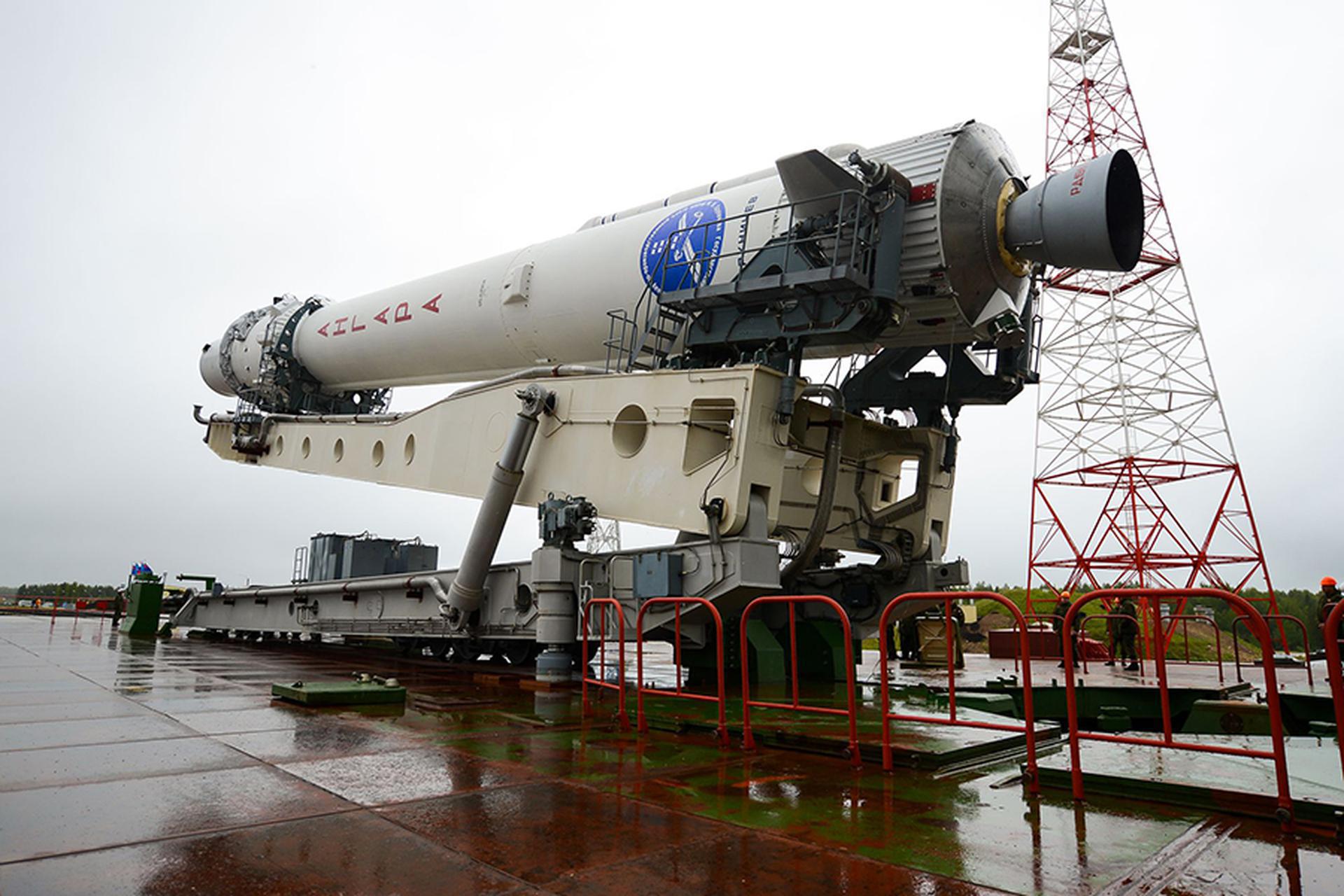
The Angara 1.2 is the base launcher for the Angara launch family that uses a modular approach to create multiple launch vehicle configurations for various mission requirements. The Angara 1.2 consists of a standard Universal Rocket Module for the core stage and either a modified Block I Upper Stage or a Briz-KM upper stage.
The Russian Space Forces are a branch of the Russian Aerospace Forces, that provides aerospace warning, air sovereignty, and protection for Russia. Having been reestablished following August 1, 2015 merger between the Russian Air Force and the Russian Aerospace Defence Forces after a 2011 dissolving of the branch. The Russian Space Forces were originally formed on August 10, 1992 and the creation of the Russian Armed Forces.
Payload and object details are usually published 1–2 days after launch.
Provider, rocket, pad, and booster history tied to this launch.
A launch-area reference planning index. Use your location for a viewpoint-specific result.
This viewing setup is refreshing because its saved inputs are no longer current. Check back shortly for the updated score.
This is a planning index, not a percent chance. Higher means the modeled viewing setup is stronger.
If needed, your browser asks permission only after you choose this. The launch-area result is not a forecast for your viewpoint.
This viewing setup is refreshing because its saved inputs are no longer current. Check back shortly for the updated score.
This outlook evaluates whether a broad, sunlit ascent plume could stand out. It does not yet predict whether a specific vehicle will produce one, and an unfavorable plume outlook does not mean the rocket itself will be invisible.