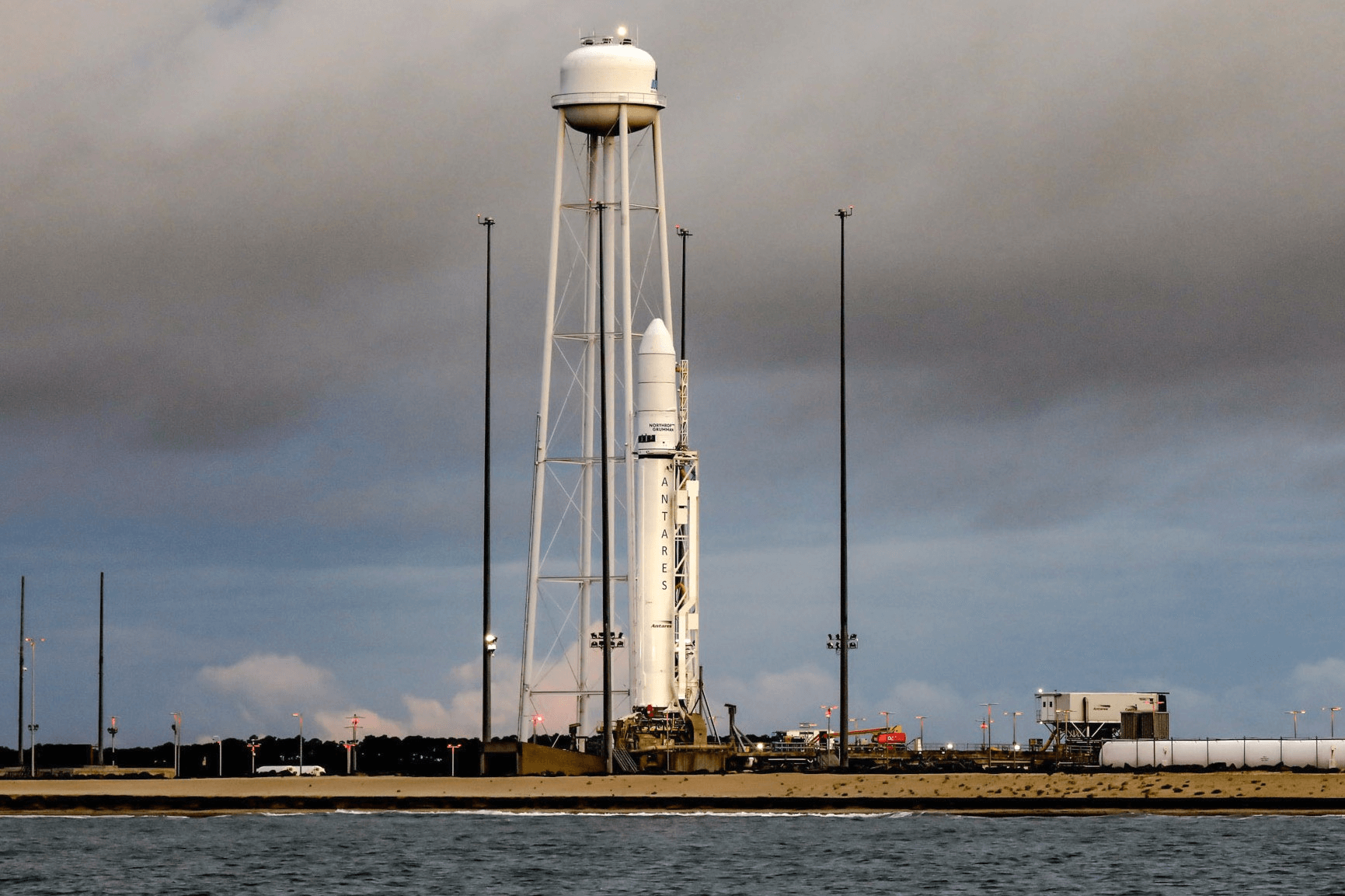
Cygnus CRS NG-15 (S.S. Katherine Johnson)
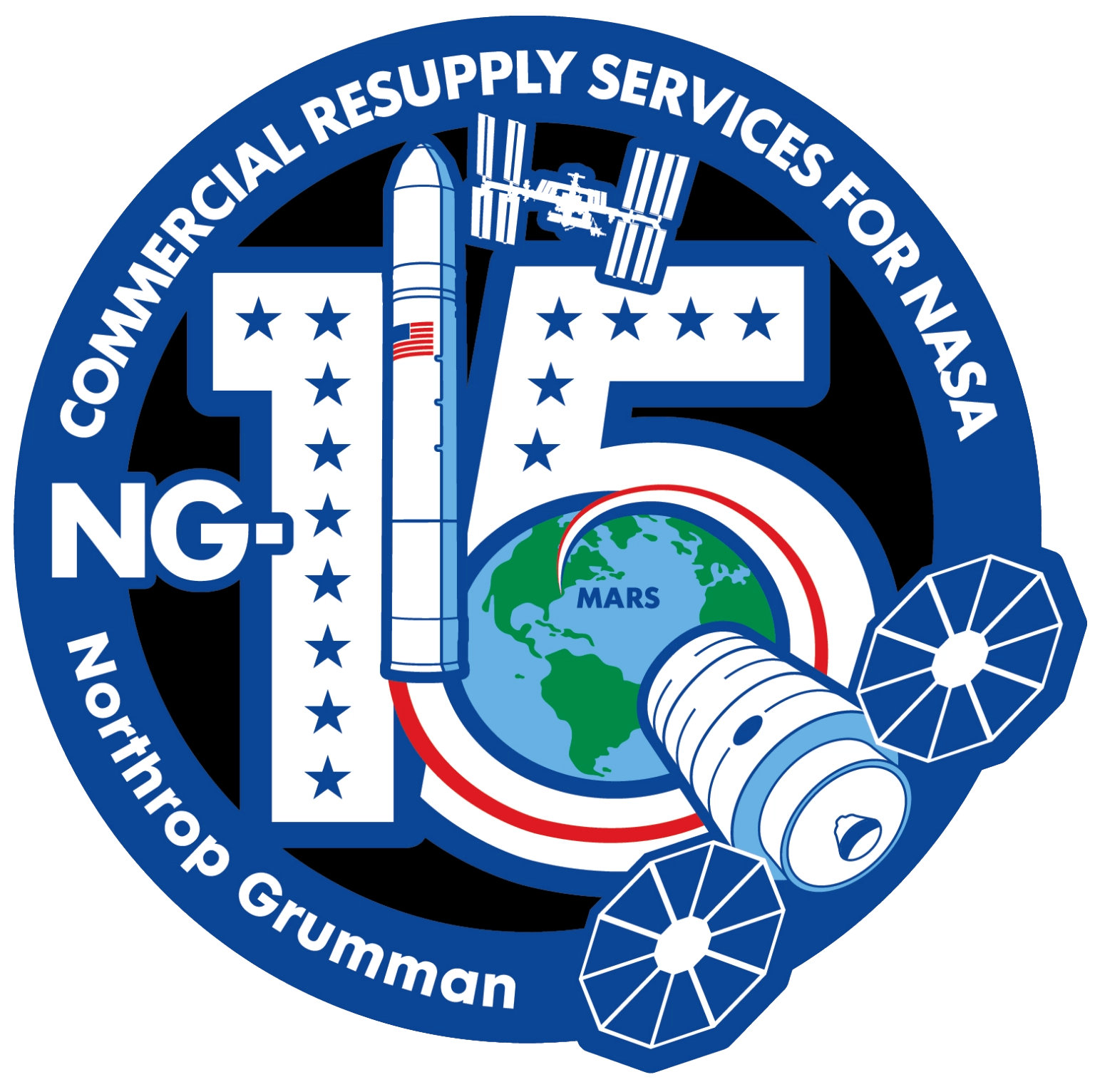
This is the fifteenth flight to the ISS by the Cygnus spacecraft under the CRS program and their fourth under the CRS-2 program. This is also the 11th use of the enhanced size Cygnus.
Launch Detail
Loading launch detail
Pulling launch timing, vehicle context, weather signals, and mission evidence.
Launch detail
Northrop Grumman Space Systems • Antares 230+ • Launch Area 0 A (NA)
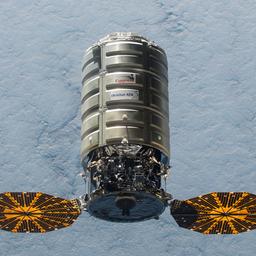
This is the 15th planned flight of the Orbital ATK's uncrewed resupply spacecraft Cygnus and its 14th flight to the International Space Station under the Commercial Resupply Services contract with NASA. This Cygnus spacecraft carries the name of American mathematician Katherine Johnson, whose calculations of orbital mechanics as a NASA employee were critical to the success of the first and subsequent U.S. crewed spaceflights.

Stream links and embedded coverage.
Open the launch pad in Google Maps satellite mode using the pad coordinates.
This is the 15th planned flight of the Orbital ATK's uncrewed resupply spacecraft Cygnus and its 14th flight to the International Space Station under the Commercial Resupply Services contract with NASA. This Cygnus spacecraft carries the name of American mathematician Katherine Johnson, whose calculations of orbital mechanics as a NASA employee were critical to the success of the first and subsequent U.S. crewed spaceflights.
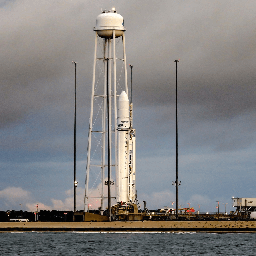
Antares known during early development as Taurus II, is an expendable launch system developed by Orbital Sciences Corporation (now part of Northrop Grumman Innovation Systems after Northrop Grumman acquired Orbital ATK) and the Yuzhnoye Design Bureau to launch the Cygnus spacecraft to the International Space Station as part of NASA's COTS and CRS programs. Able to launch payloads heavier than 5,000 kg (11,000 lb) into low-Earth orbit, Antares is the largest rocket operated by Orbital ATK. Antares launches from the Mid-Atlantic Regional Spaceport and made its inaugural flight on April 21, 2013.
Northrup Grumman Space Systems designs, builds and delivers space, defence and aviation-related systems to customers around the world. They aquired Orbital ATK in 2018 along with its launchers and ongoing missions.
Premium keeps the launch-by-launch change log visible so you can review slips, window edits, and status changes without waiting for an error-driven upgrade prompt.
Provider, rocket, pad, and booster history tied to this launch.
Linked via Spaceflight News API (SNAPI).
ArticleA Cygnus spacecraft owned by Northrop Grumman departed the International Space Station Tuesday, concluding a four-month mission that delivered more than 8,00...
ArticleA Northrop Grumman Antares rocket powered off its launch pad at Wallops Island, Virginia, on Feb. 20 with a Cygnus supply ship heading for the International...
ArticleA Northrop Grumman Cygnus supply ship arrived at the International Space Station on Monday with more than 8,000 pounds of cargo, including new astronaut slee...
A Northrop Grumman Cygnus resupply spacecraft is en route to the International Space Station with approximately 8,000 pounds of science investigations and ca...
ArticleAn Antares launcher rocketed into orbit Saturday from the Eastern Shore of Virginia, deploying a Northrop Grumman Cygnus supply ship carrying nearly 8,400 po...
ArticleA Northrop Grumman Antares rocket launched a Cygnus spacecraft carrying supplies and experiments for the International Space Station Feb. 20.
50806d1e0fab3f64be1865aecb417f723f408778b47bb3f3454a90a096b5817fLaunch-stage and landing context surfaced from LL2 when it exists.
This is the fifteenth flight to the ISS by the Cygnus spacecraft under the CRS program and their fourth under the CRS-2 program. This is also the 11th use of the enhanced size Cygnus.
The Cygnus spacecraft burned up as planned upon entering Earth's atmosphere.