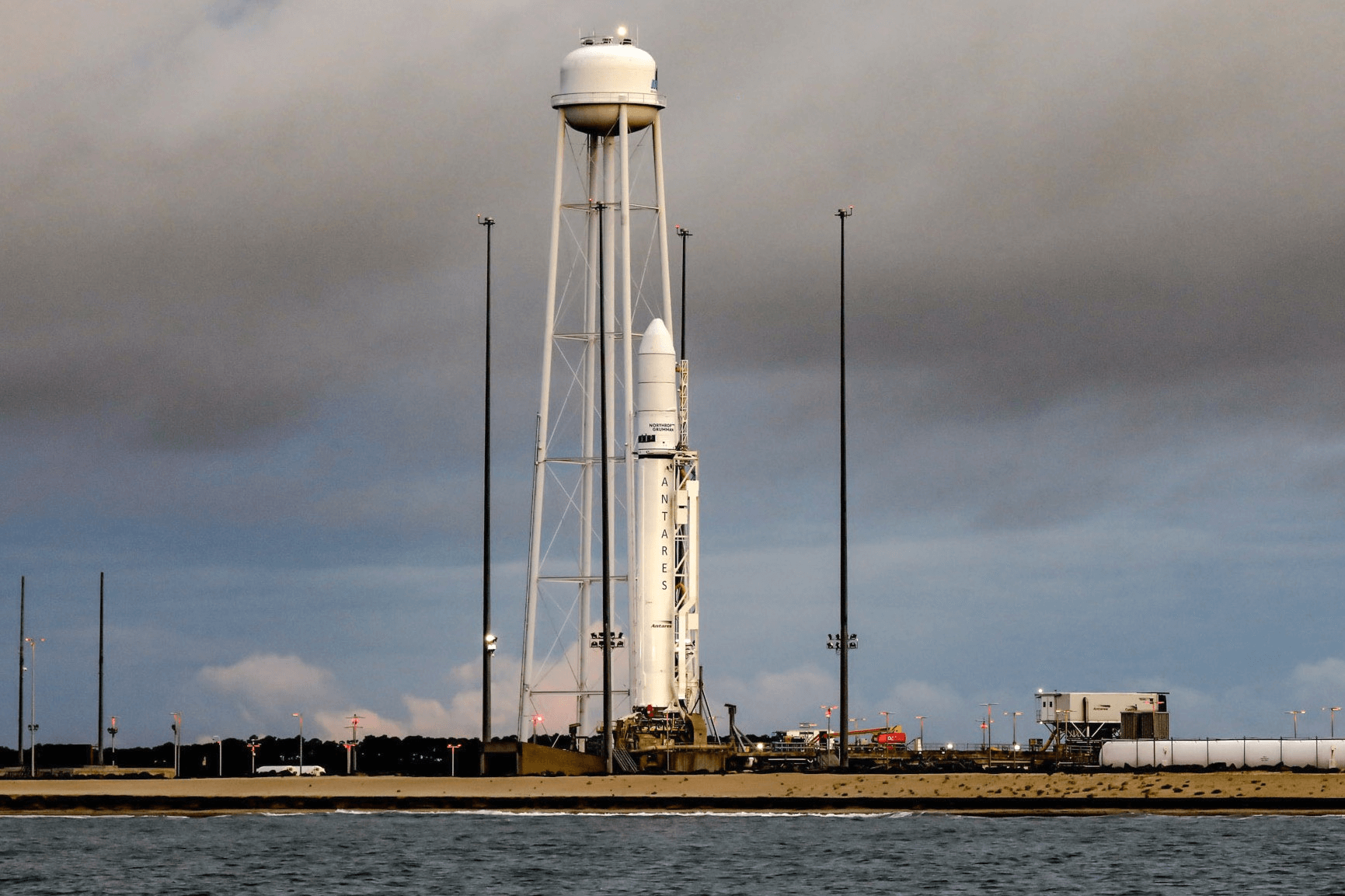
Cygnus CRS NG-19 (S.S. Laurel Clark)
This is the nineteenth flight to the ISS by the Cygnus spacecraft under the CRS program and their eighth under the CRS-2 program. This is also the 15th use of the enhanced size Cygnus.
TMinusZero
Loading
Preparing the latest launch data.
Launch Detail
Loading launch detail
Pulling launch timing, vehicle context, weather signals, and mission evidence.
Launch detail
Northrop Grumman Space Systems • Antares 230+ • Launch Area 0 A (VA)
Top answer
This is the 19th flight of the Orbital ATK's uncrewed resupply spacecraft Cygnus and its 18th flight to the International Space Station under the Commercial Resupply Services contract with NASA.
Last refreshed: Mar 05, 2024, 12:41 PM EST. T-Minus Zero keeps this as the canonical launch record and reconciles schedule, mission, payload, media, and provider signals when those records are available.
Stream links and embedded coverage.
Premium keeps the launch-by-launch change log visible so you can review slips, window edits, and status changes without waiting for an error-driven upgrade prompt.
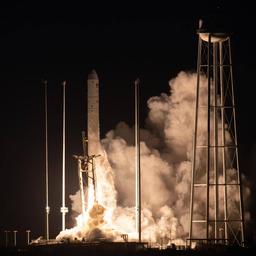
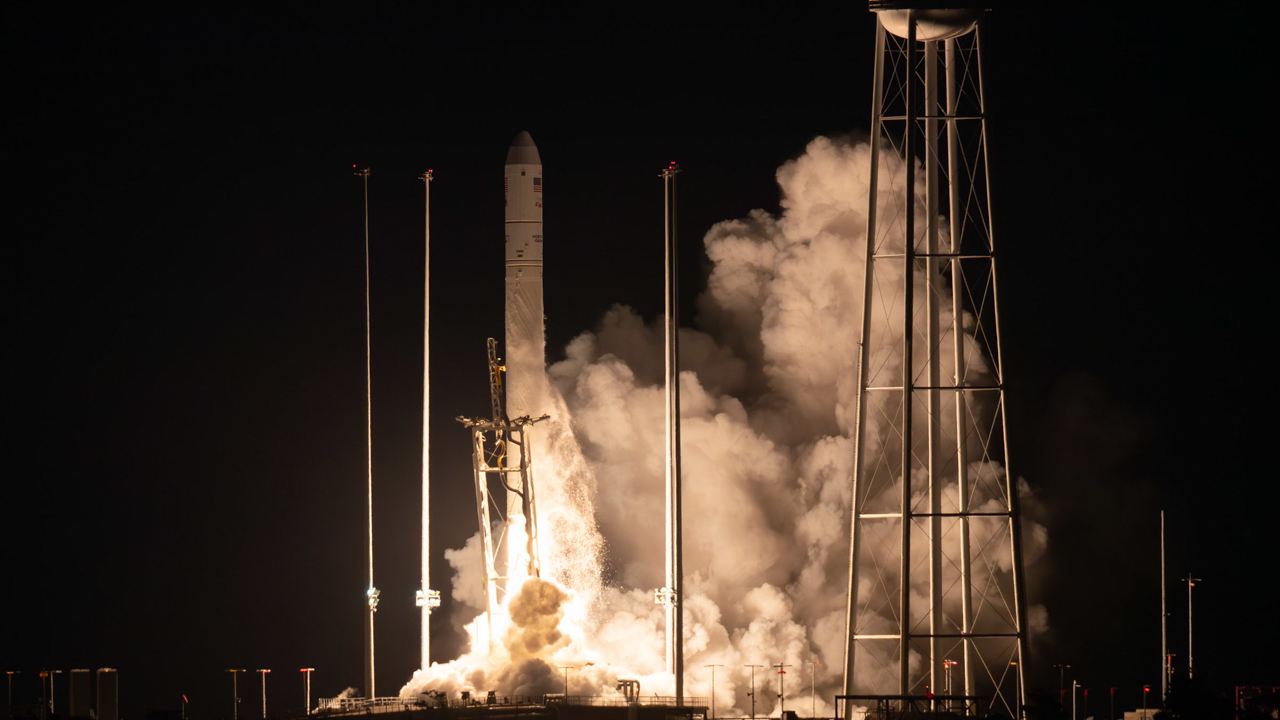
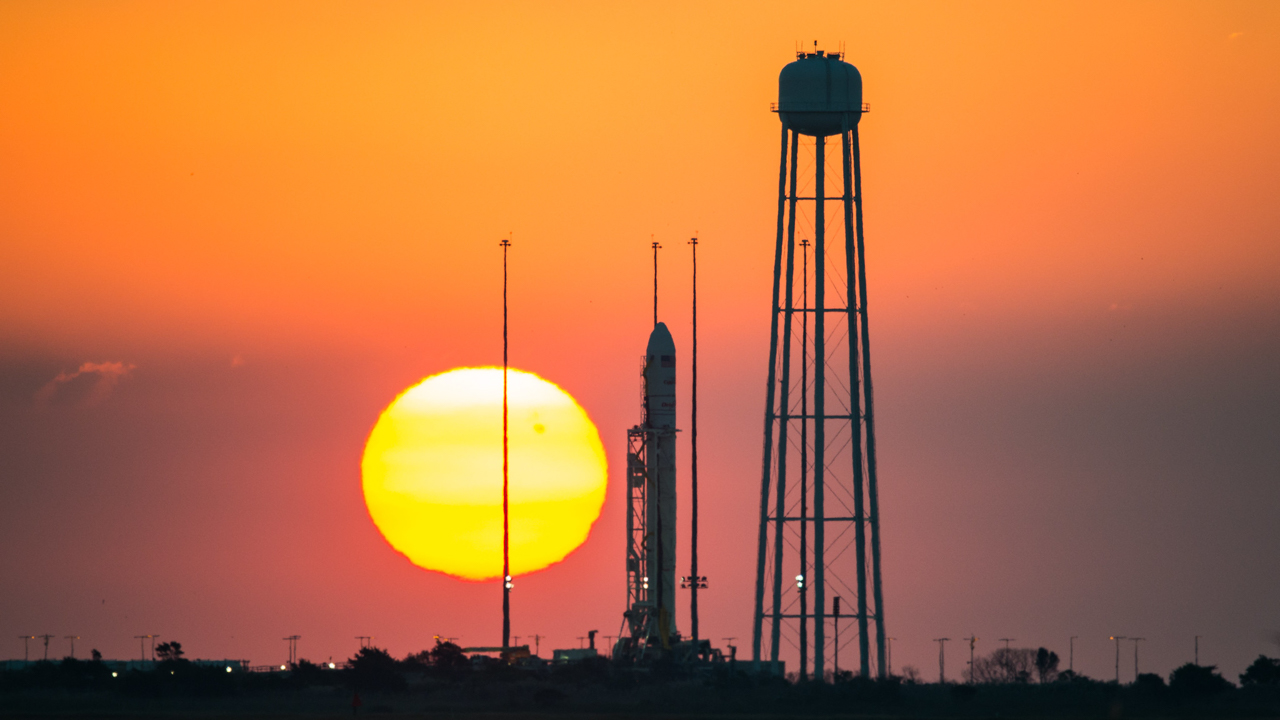
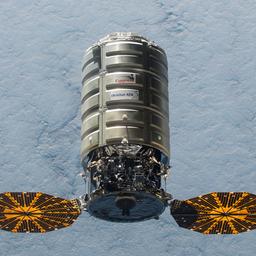
Free-to-share photography matched to this launch. Tap a photo to view it at full resolution.
NG CRS-19Linked via Spaceflight News API (SNAPI).
ArticleAntares’ final mission was a 100 percent success as the rocket sent the Cygnus cargo spacecraft to the International Space Station. The...
On Tuesday evening at 8:31:14 PM EDT (00:31:14 UTC), Northrop Grumman ended an era of US space history with the final launch of the Antares 230+ launch vehic...
ArticleA Cygnus cargo spacecraft is on its way to the International Space Station after an Aug. 1 launch as part of NASA’s commitment to “full throttle” use of the...
ArticleLater this evening at 8:31 p.m. ET (00:31 UTC on the 2nd), the Northrup Grumman Antares 230+ rocket is scheduled to launch...
ArticleThe final flight of the Antares 230+ launch vehicle, marking the end of the career of Northrop Grumman’s Antares 200 series of rockets, lifted off Tuesday wi...
ArticleNorthdrop Grumman set to launch final Antares 230+ containing Russian parts from Wallops.
Launch-stage and landing context surfaced from LL2 when it exists.
This is the nineteenth flight to the ISS by the Cygnus spacecraft under the CRS program and their eighth under the CRS-2 program. This is also the 15th use of the enhanced size Cygnus.
The Cygnus spacecraft burned up upon entering Earth's atmosphere.
This is the 19th flight of the Orbital ATK's uncrewed resupply spacecraft Cygnus and its 18th flight to the International Space Station under the Commercial Resupply Services contract with NASA.

Alternate mission URLs consolidate to this canonical launch record so exact mission timing, status, media, and source context stay on one page.
Use these internal paths to move from this exact launch record into the provider, vehicle, launch-site, schedule, and mission-family pages that own broader context.
This launch currently has no dedicated mission-family hub, so provider, vehicle, site, and canonical record links are the primary internal paths.
Some high-demand launch records carry specialized search intent. These profiles explain what can be verified from the published record without filling gaps that upstream sources have not published.
Payload and orbit evidence is shown from published launch, payload, mission, and source-link records so the page can answer spacecraft, customer, orbit, provider, and schedule intent.
Cargo and station evidence is grouped from published launch, payload, program, agency, source-link, and status records so the page can answer resupply intent without inventing unpublished manifest details.
Key structured fields for this launch record are grouped here so the page answers mission, payload, orbit, provider, source, and timing questions before the deeper tracking and media sections.
This record is preserved as historical launch context. The page emphasizes what was launched, the vehicle and pad involved, published outcome/status fields, linked programs, and source records instead of treating the mission like an upcoming countdown.
Open the launch pad in Google Maps satellite mode using the pad coordinates.
This is the 19th flight of the Orbital ATK's uncrewed resupply spacecraft Cygnus and its 18th flight to the International Space Station under the Commercial Resupply Services contract with NASA.
Antares known during early development as Taurus II, is an expendable launch system developed by Orbital Sciences Corporation (now part of Northrop Grumman Innovation Systems after Northrop Grumman acquired Orbital ATK) and the Yuzhnoye Design Bureau to launch the Cygnus spacecraft to the International Space Station as part of NASA's COTS and CRS programs. Able to launch payloads heavier than 5,000 kg (11,000 lb) into low-Earth orbit, Antares is the largest rocket operated by Orbital ATK. Antares launches from the Mid-Atlantic Regional Spaceport and made its inaugural flight on April 21, 2013.
Northrup Grumman Space Systems designs, builds and delivers space, defence and aviation-related systems to customers around the world. They aquired Orbital ATK in 2018 along with its launchers and ongoing missions.
5827041d3768d25e24bb0fa35dc26c5e82b7db9abd023e661ce851faad6874b1Provider, rocket, pad, and booster history tied to this launch.