

Loading photos...
Loading mission resources...
Loading related events...
Loading vehicle timeline...
Loading related news...
TMinusZero
Loading
Preparing the latest launch data.
Launch Detail
Loading launch detail
Pulling launch timing, vehicle context, weather signals, and mission evidence.
Launch detail
Arianespace • Ariane 44P • Ariane Launch Area 2 (NA)
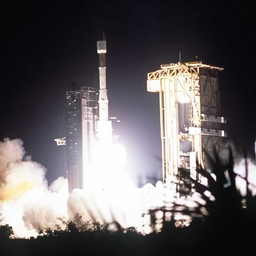
Top answer
Originally ordered by Orion Network Systems as Orion 2, the contract was later terminated. It was then bought by Eutelsat as spare satellite, called RESSAT, which was later renamed Eutelsat W1 as a replacement satellite compatible with their previously-launched W2 and W3 spacecraft. Eutelsat subsequently decided to launch W1 in September 2000. Located at the 10 degrees East position, the satellite serves a full ra...
Last refreshed: Jun 14, 2023, 1:22 AM GMT-3. T-Minus Zero keeps this as the canonical launch record and reconciles schedule, mission, payload, media, and provider signals when those records are available.
Alternate mission URLs consolidate to this canonical launch record so exact mission timing, status, media, and source context stay on one page.
Premium keeps the launch-by-launch change log visible so you can review slips, window edits, and status changes without waiting for an error-driven upgrade prompt.
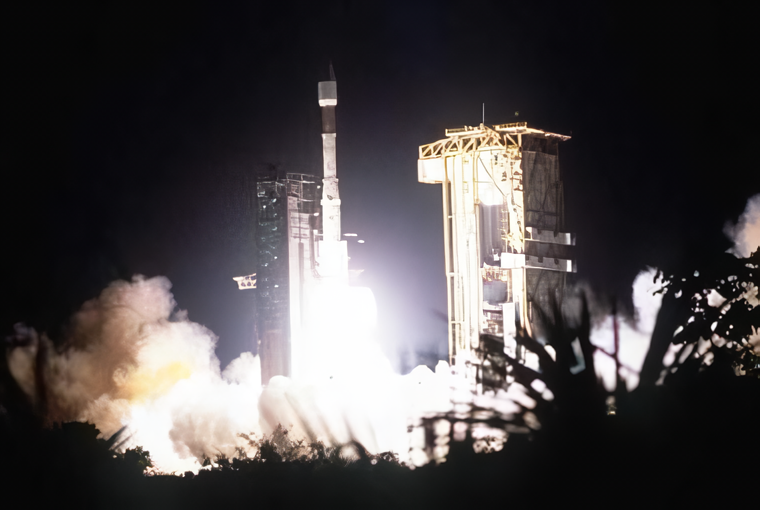
Free-to-share photography matched to this launch. Tap a photo to view it at full resolution.
Originally ordered by Orion Network Systems as Orion 2, the contract was later terminated. It was then bought by Eutelsat as spare satellite, called RESSAT, which was later renamed Eutelsat W1 as a replacement satellite compatible with their previously-launched W2 and W3 spacecraft. Eutelsat subsequently decided to launch W1 in September 2000. Located at the 10 degrees East position, the satellite serves a full range of applications that include that include business communications, Internet-based services and television transmission. It has 28 channels, 20 of which provide coverage of Europe, North Africa, the Middle East and central Asia via a fixed widebeam, with the remaining eight connected to a steerable spotbeam, to address new markets in geographical areas outside the widebeam coverage area (notably southern Africa). Services can be simultaneously provided within both coverages.
Use these internal paths to move from this exact launch record into the provider, vehicle, launch-site, schedule, and mission-family pages that own broader context.
This launch currently has no dedicated mission-family hub, so provider, vehicle, site, and canonical record links are the primary internal paths.
Some high-demand launch records carry specialized search intent. These profiles explain what can be verified from the published record without filling gaps that upstream sources have not published.
Payload and orbit evidence is shown from published launch, payload, mission, and source-link records so the page can answer spacecraft, customer, orbit, provider, and schedule intent.
Key structured fields for this launch record are grouped here so the page answers mission, payload, orbit, provider, source, and timing questions before the deeper tracking and media sections.
This record is preserved as historical launch context. The page emphasizes what was launched, the vehicle and pad involved, published outcome/status fields, linked programs, and source records instead of treating the mission like an upcoming countdown.
Open the launch pad in Google Maps satellite mode using the pad coordinates.
Originally ordered by Orion Network Systems as Orion 2, the contract was later terminated. It was then bought by Eutelsat as spare satellite, called RESSAT, which was later renamed Eutelsat W1 as a replacement satellite compatible with their previously-launched W2 and W3 spacecraft. Eutelsat subsequently decided to launch W1 in September 2000. Located at the 10 degrees East position, the satellite serves a full range of applications that include that include business communications, Internet-based services and television transmission. It has 28 channels, 20 of which provide coverage of Europe, North Africa, the Middle East and central Asia via a fixed widebeam, with the remaining eight connected to a steerable spotbeam, to address new markets in geographical areas outside the widebeam coverage area (notably southern Africa). Services can be simultaneously provided within both coverages.
The Ariane 4 was an expendable space launch system, developed by the Centre national d'études spatiales (CNES), the French space agency, for the European Space Agency (ESA). It was manufactured by ArianeGroup and marketed by Arianespace. Since its first flight on 15 June 1988 until the final flight on 15 February 2003, it attained 113 successful launches out of 116 total launches.
Arianespace SA is a multinational company founded in 1980 as the world's first commercial launch service provider. It undertakes the production, operation, and marketing of the Ariane programme. Their vehicles launch exclusively from French Guiana in South America.
fd42ac10da5efa41ce44cb563daac3027e4ac6a672d75fb2cd2ef2a3d7976bb3Provider, rocket, pad, and booster history tied to this launch.