Loading photos...
Loading mission resources...
Loading related events...
Loading vehicle timeline...
Loading related news...
TMinusZero
Loading
Preparing the latest launch data.
Launch Detail
Loading launch detail
Pulling launch timing, vehicle context, weather signals, and mission evidence.
Launch detail
Galactic Energy • Ceres-1 • Launch Area 95A (CN-NM)
Top answer
Tianqi (also transcribed Tiange) is a series of small Chinese experimental LEO comsats by Guodian Gaoke for IoT (Internet of Things) communications, which are also carrying a camera for educational purposes. Guodian Gaoke plans to operate an IoT constellation. The "Apocalypse Constellation" provides users with much-needed data collection and transmission services for terrestrial network coverage blind areas, which...
Last refreshed: Jul 08, 2023, 4:42 PM GMT+8. T-Minus Zero keeps this as the canonical launch record and reconciles schedule, mission, payload, media, and provider signals when those records are available.
Alternate mission URLs consolidate to this canonical launch record so exact mission timing, status, media, and source context stay on one page.
Premium keeps the launch-by-launch change log visible so you can review slips, window edits, and status changes without waiting for an error-driven upgrade prompt.
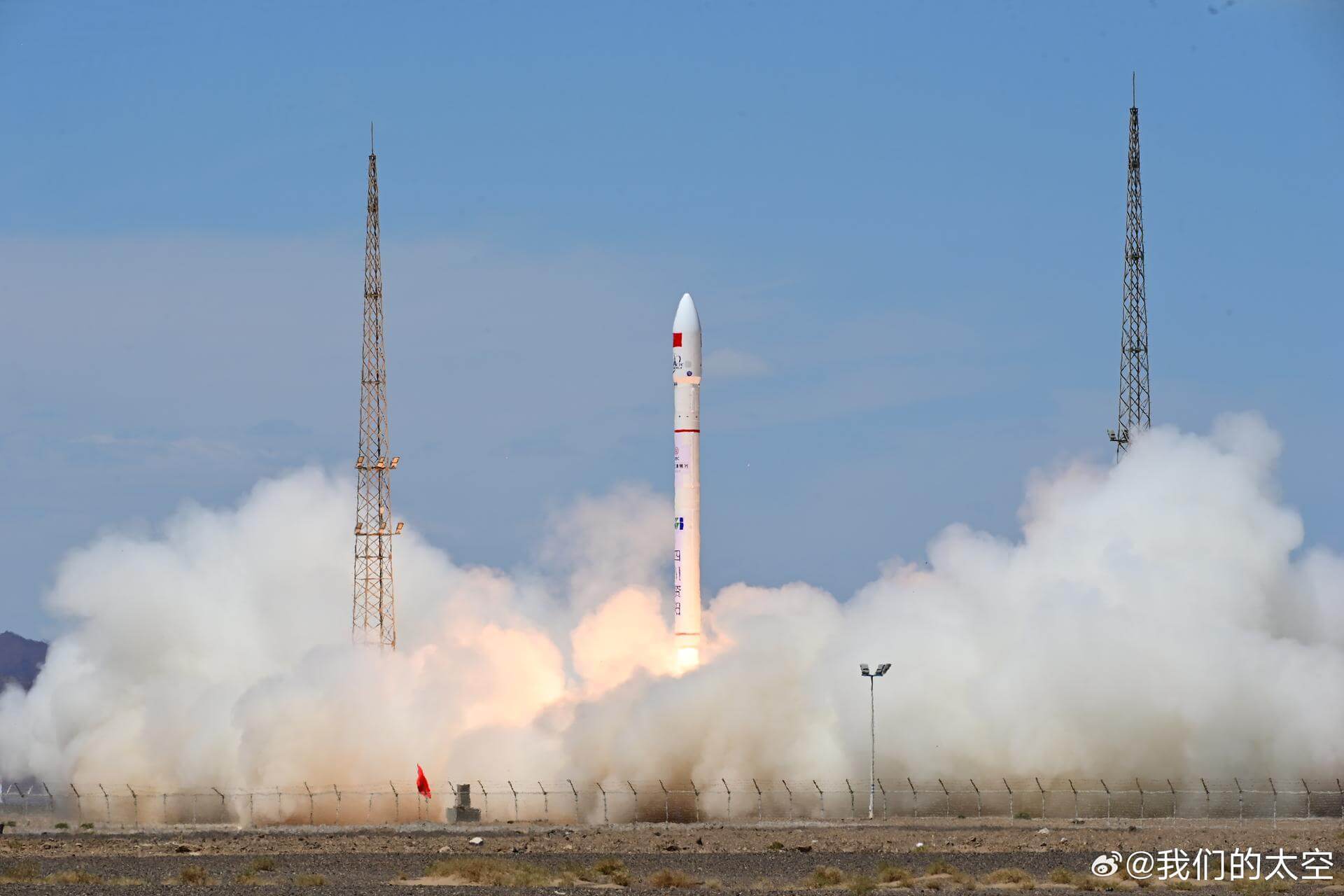
Free-to-share photography matched to this launch. Tap a photo to view it at full resolution.
Linked via Spaceflight News API (SNAPI).
 Article
"The market needs to evolve. It's a tough business."
 Article
China’s latest commercial rocket, the Ceres-1 (Gushenxing-1) launch vehicle, has conducted its maiden launch this weekend, orbiting the Tianqi-11 satellite.
 Article
A new four-stage rocket operated by the Chinese launch company Galactic Energy succeeded on its inaugural flight Saturday, delivering a data relay microsatel...
 Article
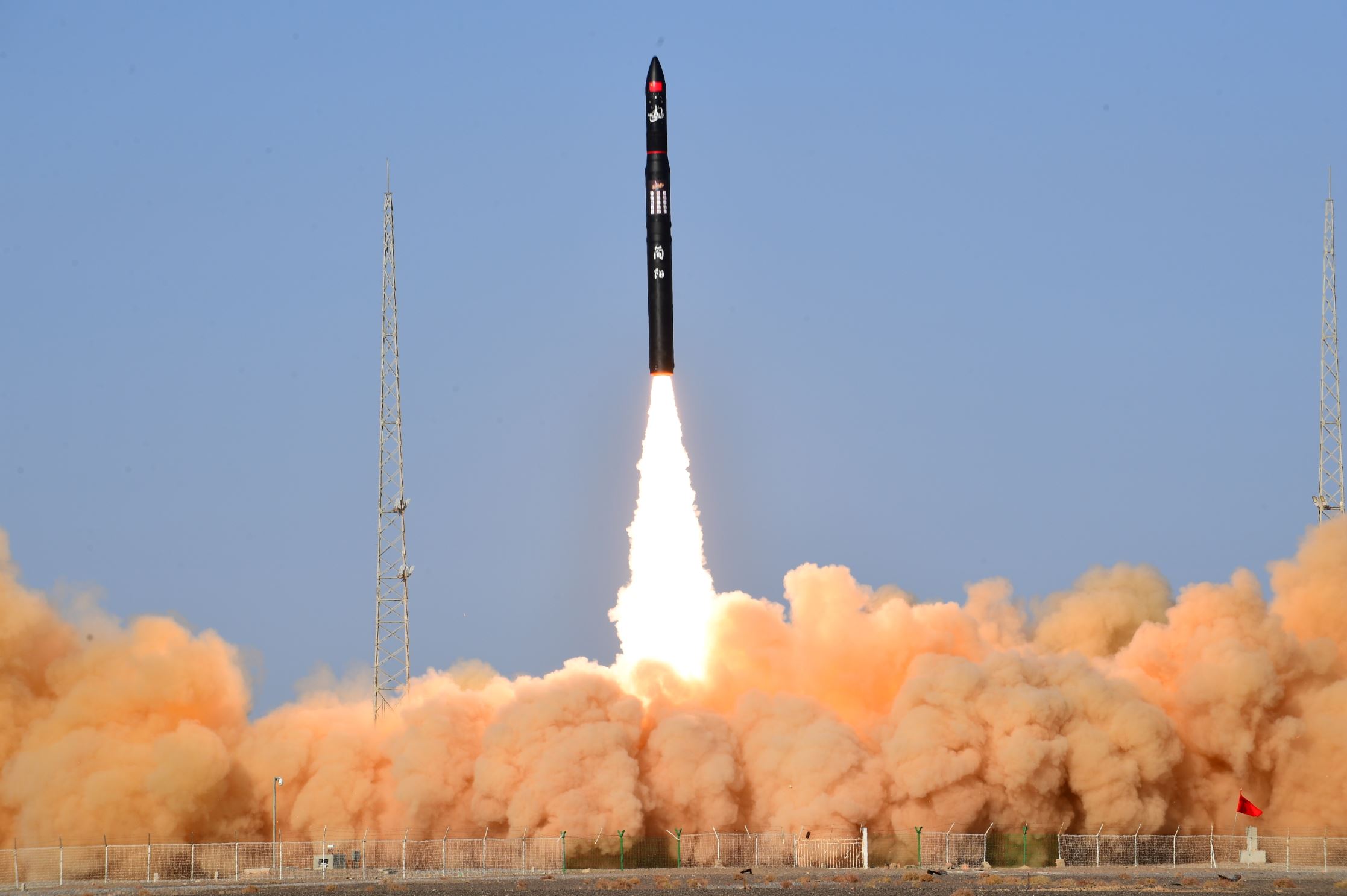
Chinese rocket firm Galactic Energy successfully sent a small satellite into orbit Saturday with the first launch of its Ceres-1 launch vehicle.
Tianqi (also transcribed Tiange) is a series of small Chinese experimental LEO comsats by Guodian Gaoke for IoT (Internet of Things) communications, which are also carrying a camera for educational purposes. Guodian Gaoke plans to operate an IoT constellation. The "Apocalypse Constellation" provides users with much-needed data collection and transmission services for terrestrial network coverage blind areas, which are widely used in marine, environmental protection, meteorological, forestry, geological, emergency, rescue and smart city industries to enhance China's global data network coverage and application capabilities are of strategic importance.
Use these internal paths to move from this exact launch record into the provider, vehicle, launch-site, schedule, and mission-family pages that own broader context.
This launch currently has no dedicated mission-family hub, so provider, vehicle, site, and canonical record links are the primary internal paths.
Some high-demand launch records carry specialized search intent. These profiles explain what can be verified from the published record without filling gaps that upstream sources have not published.
Payload and orbit evidence is shown from published launch, payload, mission, and source-link records so the page can answer spacecraft, customer, orbit, provider, and schedule intent.
Key structured fields for this launch record are grouped here so the page answers mission, payload, orbit, provider, source, and timing questions before the deeper tracking and media sections.
This record is preserved as historical launch context. The page emphasizes what was launched, the vehicle and pad involved, published outcome/status fields, linked programs, and source records instead of treating the mission like an upcoming countdown.
Open the launch pad in Google Maps satellite mode using the pad coordinates.
Tianqi (also transcribed Tiange) is a series of small Chinese experimental LEO comsats by Guodian Gaoke for IoT (Internet of Things) communications, which are also carrying a camera for educational purposes. Guodian Gaoke plans to operate an IoT constellation. The "Apocalypse Constellation" provides users with much-needed data collection and transmission services for terrestrial network coverage blind areas, which are widely used in marine, environmental protection, meteorological, forestry, geological, emergency, rescue and smart city industries to enhance China's global data network coverage and application capabilities are of strategic importance.
Ceres-1 is the first solid propellant launch vehicle of Galactic Energy.
Galactic Energy is a private aerospace company headquartered in Beijing, China. Established by senior engineers in 2018, Galactic Energy engages in low-cost commercial space launch business.
647abaa6b40e21e8c004afd708ee0a9effb522f508577ecf7c3baa7cda42812eProvider, rocket, pad, and booster history tied to this launch.