

Cape Canaveral, FL, Thursday, August 6, 2026 Local
Expiredambiguousconfidence 50%6/1439
1 shape
FL
Window
Aug 06, 2026, 12:00 PM GMT+12 to Aug 07, 2026, 12:00 PM GMT+12
Details
ZMA • SPACE OPERATIONS
TMinusZero
Loading
Preparing the latest launch data.
Launch Detail
Loading launch detail
Pulling launch timing, vehicle context, weather signals, and mission evidence.
Launch detail
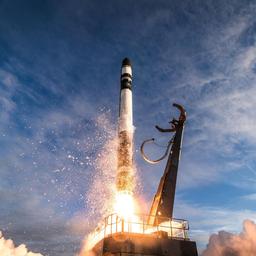
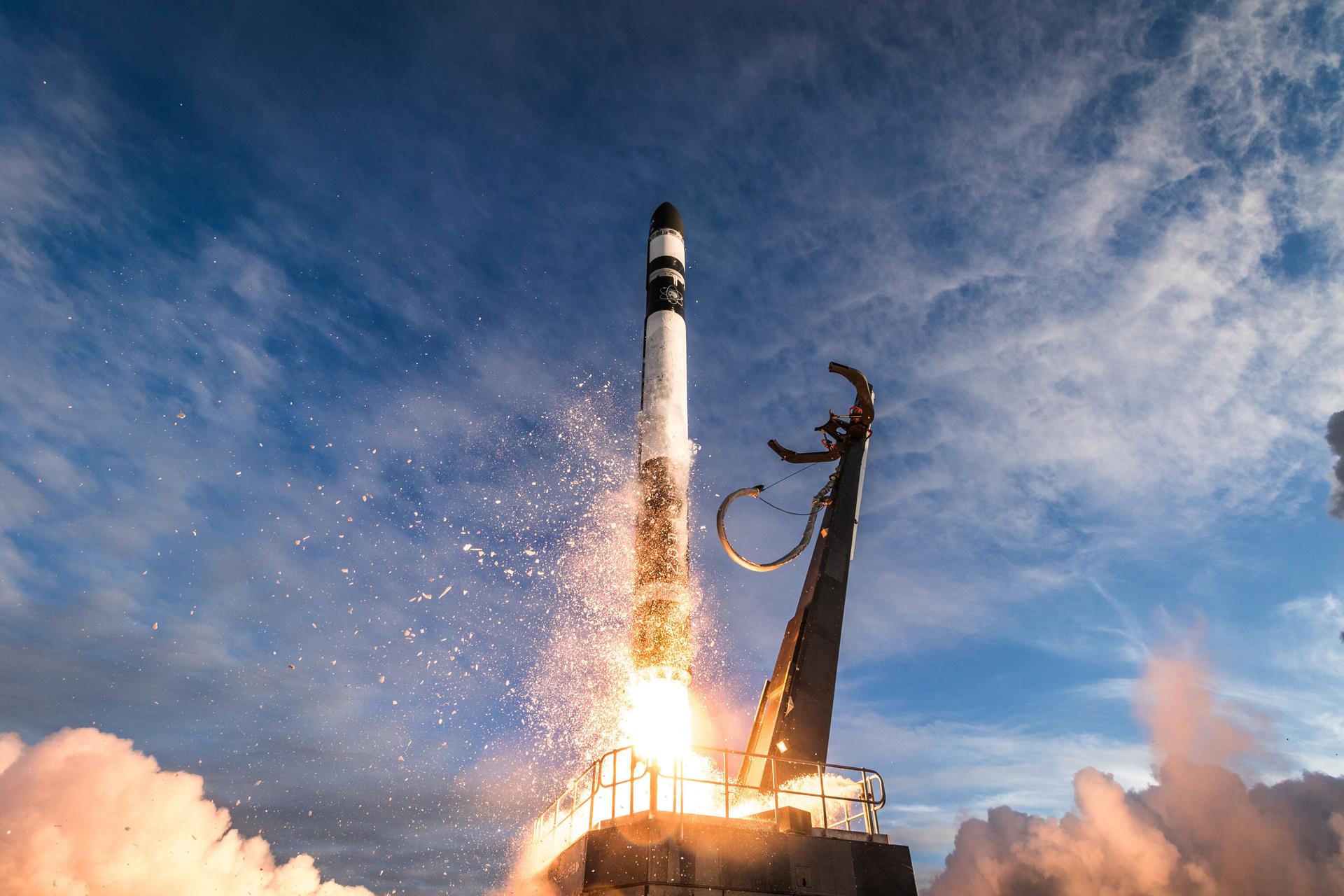
Rocket Lab • Electron • Rocket Lab Launch Complex 1A (NZ-HKB)
Top answer
Synthetic aperture radar Earth observation satellite for Japanese Earth imaging company iQPS.
Last refreshed: Sep 13, 2026, 11:13 AM GMT+12. T-Minus Zero keeps this as the canonical launch record and reconciles schedule, mission, payload, media, and provider signals when those records are available.
Alternate mission URLs consolidate to this canonical launch record so exact mission timing, status, media, and source context stay on one page.
Live targets are highlighted across the sequence.
Stream links and embedded coverage.
Premium keeps the launch-by-launch change log visible so you can review slips, window edits, and status changes without waiting for an error-driven upgrade prompt.
Free-to-share photography matched to this launch. Tap a photo to view it at full resolution.
 The Grain Goddess Provides Patch
Linked via Spaceflight News API (SNAPI).
 Article
Rocket Lab launched a Japanese radar-imaging satellite Aug. 6, more than a month after the previous launch attempt was aborted. The post Rocket Lab launches...
 Article
Several orbital launches are scheduled worldwide this week. A mission to rescue the Swift observatory… The post Launch Preview: Swift rescue mission, final...
 Article
ST. LOUIS — Japan’s Institute for Q-shu Pioneers of Space, iQPS, plans to launch eight additional synthetic aperture radar (SAR) satellites through the end o...
Synthetic aperture radar Earth observation satellite for Japanese Earth imaging company iQPS.
Use these internal paths to move from this exact launch record into the provider, vehicle, launch-site, schedule, and mission-family pages that own broader context.
This launch currently has no dedicated mission-family hub, so provider, vehicle, site, and canonical record links are the primary internal paths.
Key structured fields for this launch record are grouped here so the page answers mission, payload, orbit, provider, source, and timing questions before the deeper tracking and media sections.
This record is preserved as historical launch context. The page emphasizes what was launched, the vehicle and pad involved, published outcome/status fields, linked programs, and source records instead of treating the mission like an upcoming countdown.
Open the launch pad in Google Maps satellite mode using the pad coordinates.
Synthetic aperture radar Earth observation satellite for Japanese Earth imaging company iQPS.
Electron is a two-stage orbital expendable launch vehicle (with an optional third stage) developed by the American aerospace company Rocket Lab. Electron is a small-lift launch vehicle designed to launch small satellites and cubesats to sun-synchronous orbit and low earth orbit. The Electron is the first orbital class rocket to use electric-pump-fed engines, powered by the 9 Rutherford engines on the first stage. It is also used as a suborbital testbed (called HASTE) for hypersonics research.
Rocket Lab is an American aerospace manufacturer with a wholly owned New Zealand subsidiary. The company develops lightweight, cost-effective commercial rocket launch services. The Electron Program was founded on the premise that small payloads such as CubeSats require dedicated small launch vehicles and flexibility not currently offered by traditional rocket systems. Its rocket, the Electron, is a light-weight rocket and is now operating commercially. The company is also producing a variety of spacecrafts and spacecrafts components.
A launch-area reference planning index. Use your location for a viewpoint-specific result.
A broad, sunlit jellyfish-style plume is unlikely at the launch area under the current model. The rocket may still be visible as a point.
This is a planning index, not a percent chance. Higher means the modeled viewing setup is stronger.
If needed, your browser asks permission only after you choose this. The launch-area result is not a forecast for your viewpoint.
This score uses a modeled ascent corridor rather than an exact mission path. The overall viewing setup remains useful; direction and timing are approximate. A current weather assessment was unavailable, so neutral weather is used and confidence is reduced.
No broad, sunlit jellyfish plume is currently expected at the modeled viewpoint.
This outlook evaluates whether a broad, sunlit ascent plume could stand out. It does not yet predict whether a specific vehicle will produce one, and an unfavorable plume outlook does not mean the rocket itself will be invisible.
Read the jellyfish effect and JEP FAQ
Did you see a jellyfish-style plume from this viewpoint?
Temporary flight restrictions and NOTAM matches tied to this launch.
Advisory data is informational. Confirm operational constraints with official FAA publications.
Provider, rocket, pad, and booster history tied to this launch.