
Media resources
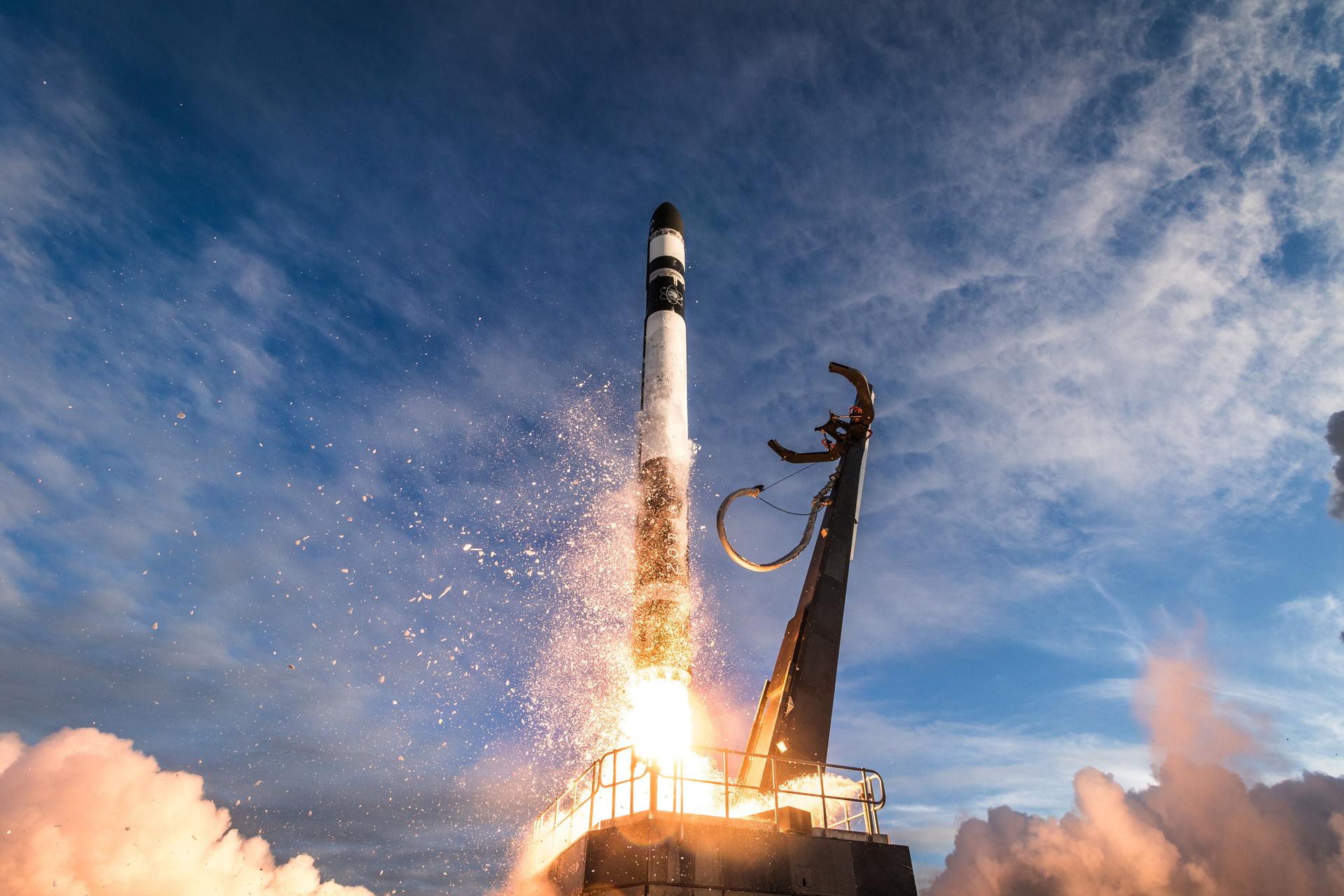
Official Rocket Lab launch images and footage are expected after the mission.
TMinusZero
Loading
Preparing the latest launch data.
Launch Detail
Loading launch detail
Pulling launch timing, vehicle context, weather signals, and mission evidence.
Launch detail
Rocket Lab • Electron • Unknown Pad (NZ-HKB)
Synthetic aperture radar Earth observation satellite for Japanese Earth imaging company iQPS.
Official Rocket Lab launch images and footage are expected after the mission.
Premium keeps the launch-by-launch change log visible so you can review slips, window edits, and status changes without waiting for an error-driven upgrade prompt.
Free-to-share photography matched to this launch. Tap a photo to view it at full resolution.
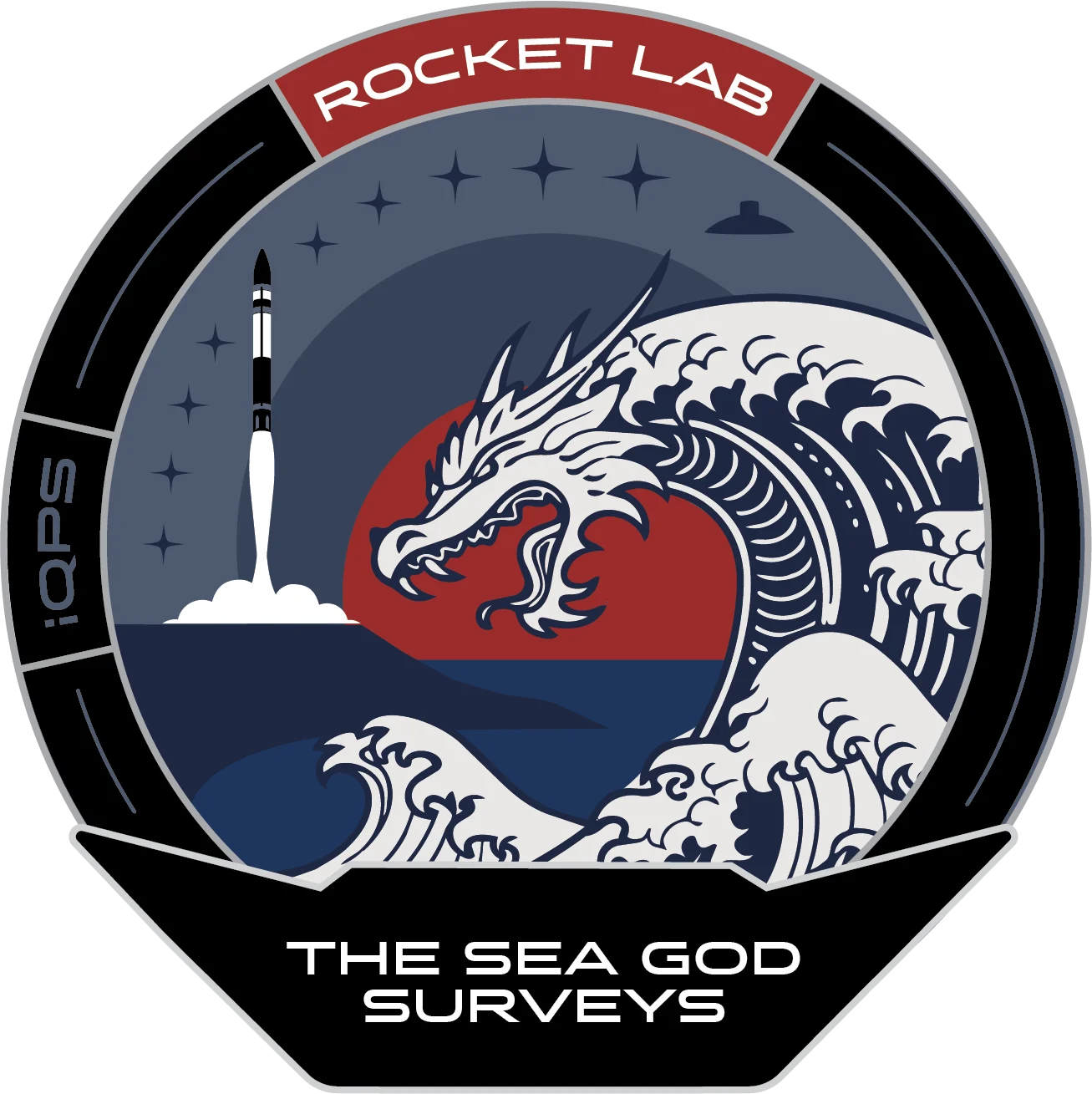
The Sea God Surveys PatchMatched SpaceX launch-page assets and outbound media links for this launch.
Provider, rocket, pad, and booster history tied to this launch.
Synthetic aperture radar Earth observation satellite for Japanese Earth imaging company iQPS.

Open the launch pad in Google Maps satellite mode using the pad coordinates.
Synthetic aperture radar Earth observation satellite for Japanese Earth imaging company iQPS.
Electron is a two-stage orbital expendable launch vehicle (with an optional third stage) developed by the American aerospace company Rocket Lab. Electron is a small-lift launch vehicle designed to launch small satellites and cubesats to sun-synchronous orbit and low earth orbit. The Electron is the first orbital class rocket to use electric-pump-fed engines, powered by the 9 Rutherford engines on the first stage. It is also used as a suborbital testbed (called HASTE) for hypersonics research.
Rocket Lab is an American aerospace manufacturer with a wholly owned New Zealand subsidiary. The company develops lightweight, cost-effective commercial rocket launch services. The Electron Program was founded on the premise that small payloads such as CubeSats require dedicated small launch vehicles and flexibility not currently offered by traditional rocket systems. Its rocket, the Electron, is a light-weight rocket and is now operating commercially. The company is also producing a variety of spacecrafts and spacecrafts components.
Payload and object details are usually published 1–2 days after launch.
A launch-area reference. Use your location for a viewpoint-specific result.
Too low on the horizon at the launch site
No jellyfish is expected overall, but some plausible route-and-time scenarios come out jellyfish possible. This measures model sensitivity; it is not a probability or percent chance.
A planning call from the viewing model, not a percent chance or a guarantee.
If needed, your browser asks permission only after you choose this. The launch-area result is not a forecast for your viewpoint.
This call uses a modeled ascent corridor rather than an exact mission path. The overall call remains useful; direction and timing are approximate.
No jellyfish is expected overall, but some plausible route-and-time scenarios come out jellyfish possible. This measures model sensitivity; it is not a probability or percent chance.
This outlook evaluates whether a broad, sunlit ascent plume could stand out. It does not yet predict whether a specific vehicle will produce one, and a no-jellyfish call does not mean the rocket itself will be invisible.