Autonomous Spaceport Drone Ship • A Shortfall of Gravitas
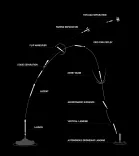
The Falcon 9 first stage will land on ASDS ASOG after its flight.
TMinusZero
Loading
Preparing the latest launch data.
Launch Detail
Loading launch detail
Pulling launch timing, vehicle context, weather signals, and mission evidence.
Launch detail
SpaceX • Falcon 9 Block 5 • Space Launch Complex 40 (FL)
Top answer
AST SpaceMobile’s Block 2 BlueBird satellites are designed to deliver up to 10 times the bandwidth capacity of the BlueBird Block 1 satellites, required to achieve 24/7 continuous cellular broadband service coverage in the United States, with beams designed to support a capacity of up to 40 MHz, enabling peak data transmission speeds up to 120 Mbps, supporting voice, full data and video applications. The Block 2 B...
Last refreshed: Jul 30, 2026, 1:41 AM EDT. T-Minus Zero keeps this as the canonical launch record and reconciles schedule, mission, payload, media, and provider signals when those records are available.
Planned targets around liftoff.
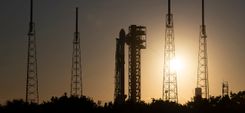
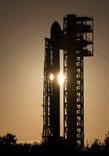
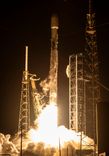
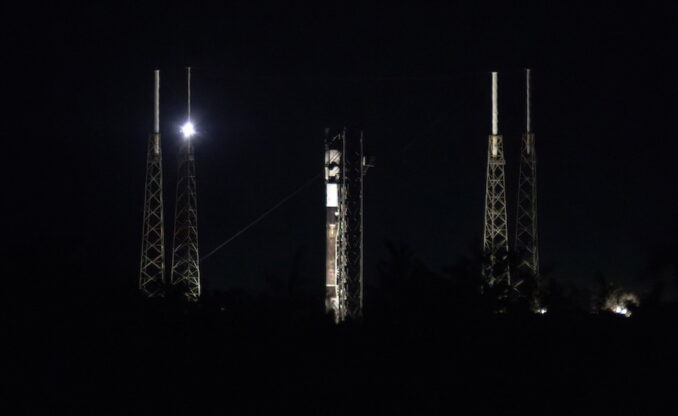
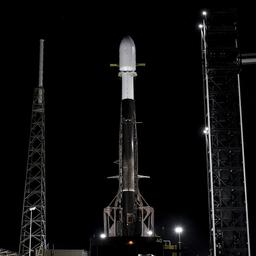
SpaceX is targeting Wednesday, August 5 for launch of AST SpaceMobile’s BlueBird 11-13 mission to orbit from Space Launch Complex 40 (SLC-40) at Cape Canaveral Space Force Station in Florida. Liftoff is targeted for 3:42 a.m. ET with additional opportunities available until 5:18 a.m. ET. If needed, a backup launch opportunity is available on Thursday, August 6 during a launch window that opens at 3:21 a.m. ET.
A live webcast of this mission will begin about 15 minutes prior to liftoff, which you can watch here and on X @SpaceX .
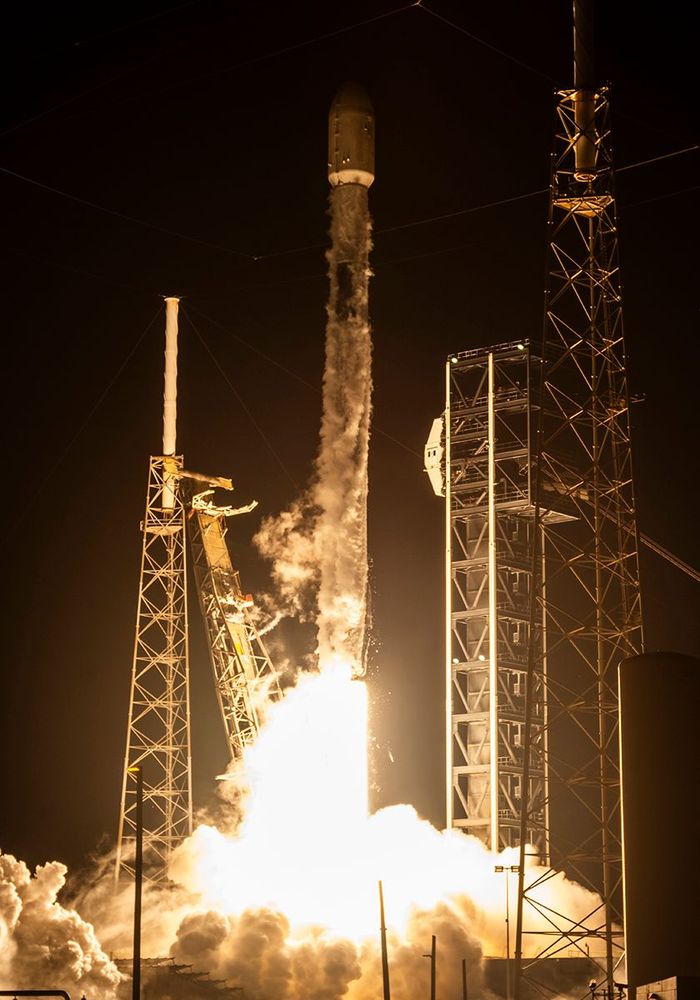
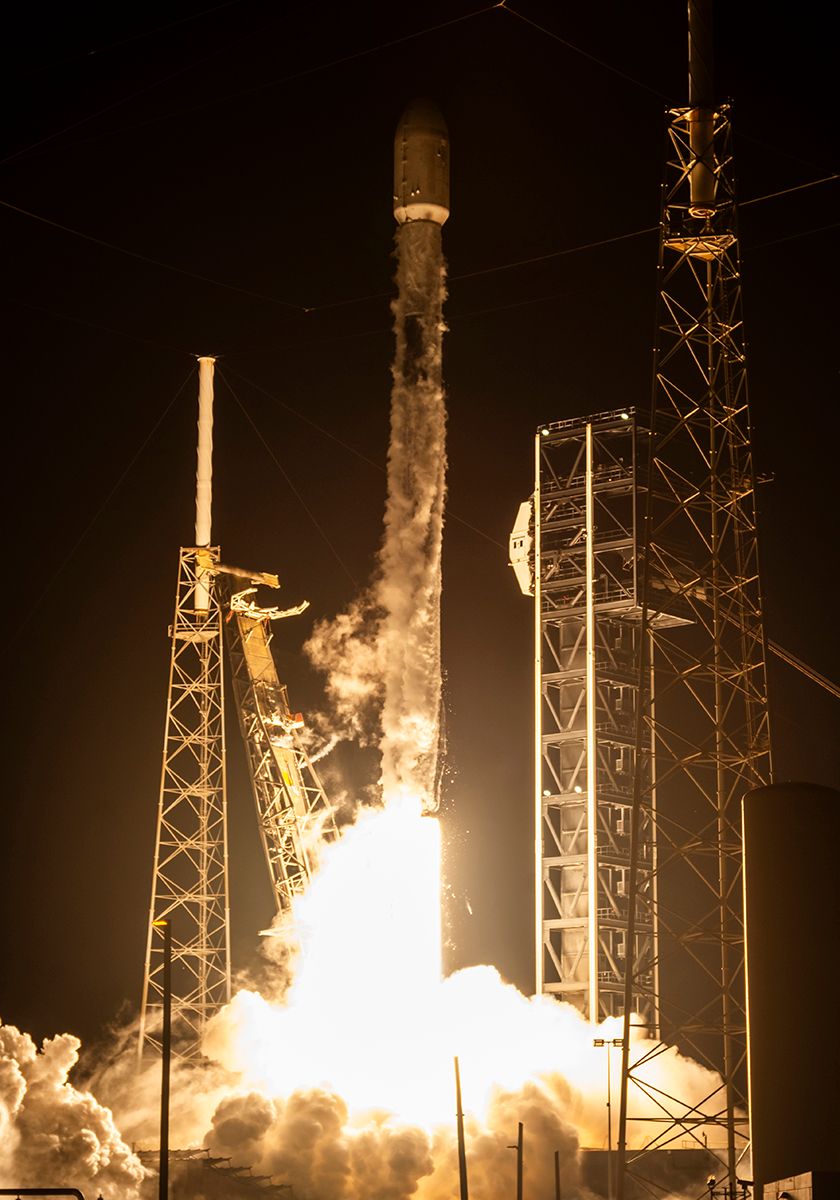
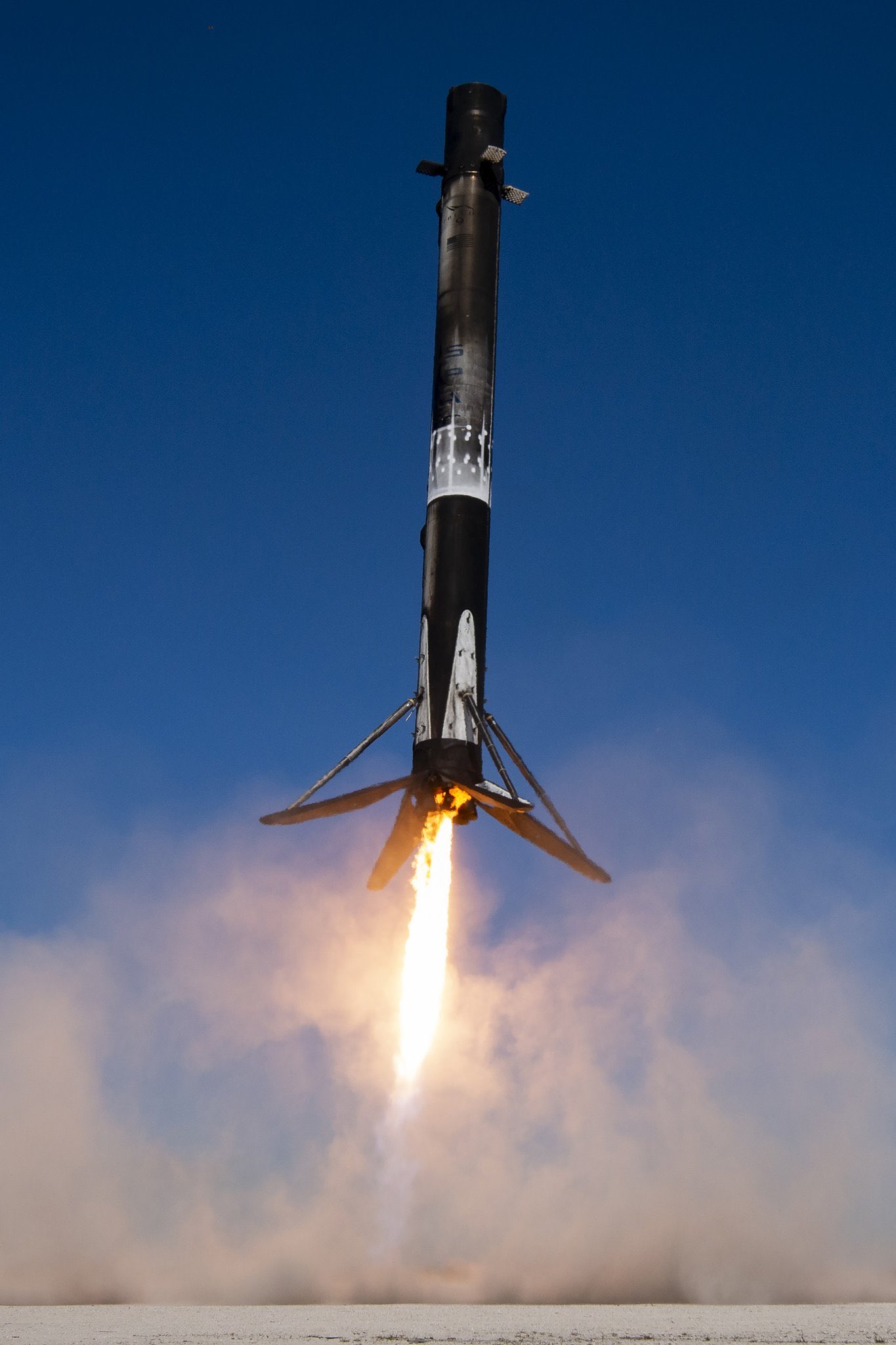
This will be the 30th flight for the Falcon 9 first stage booster supporting this mission, which previously launched Crew-5, GPS III Space Vehicle 06, Inmarsat I-6 F2, CRS-28, Intelsat G-37, NG-20, TD7, BlueBird 8-10, and 21 Starlink missions. After stage separation, the first stage will land on the A Shortfall of Gravitas droneship which will be stationed in the Atlantic Ocean.
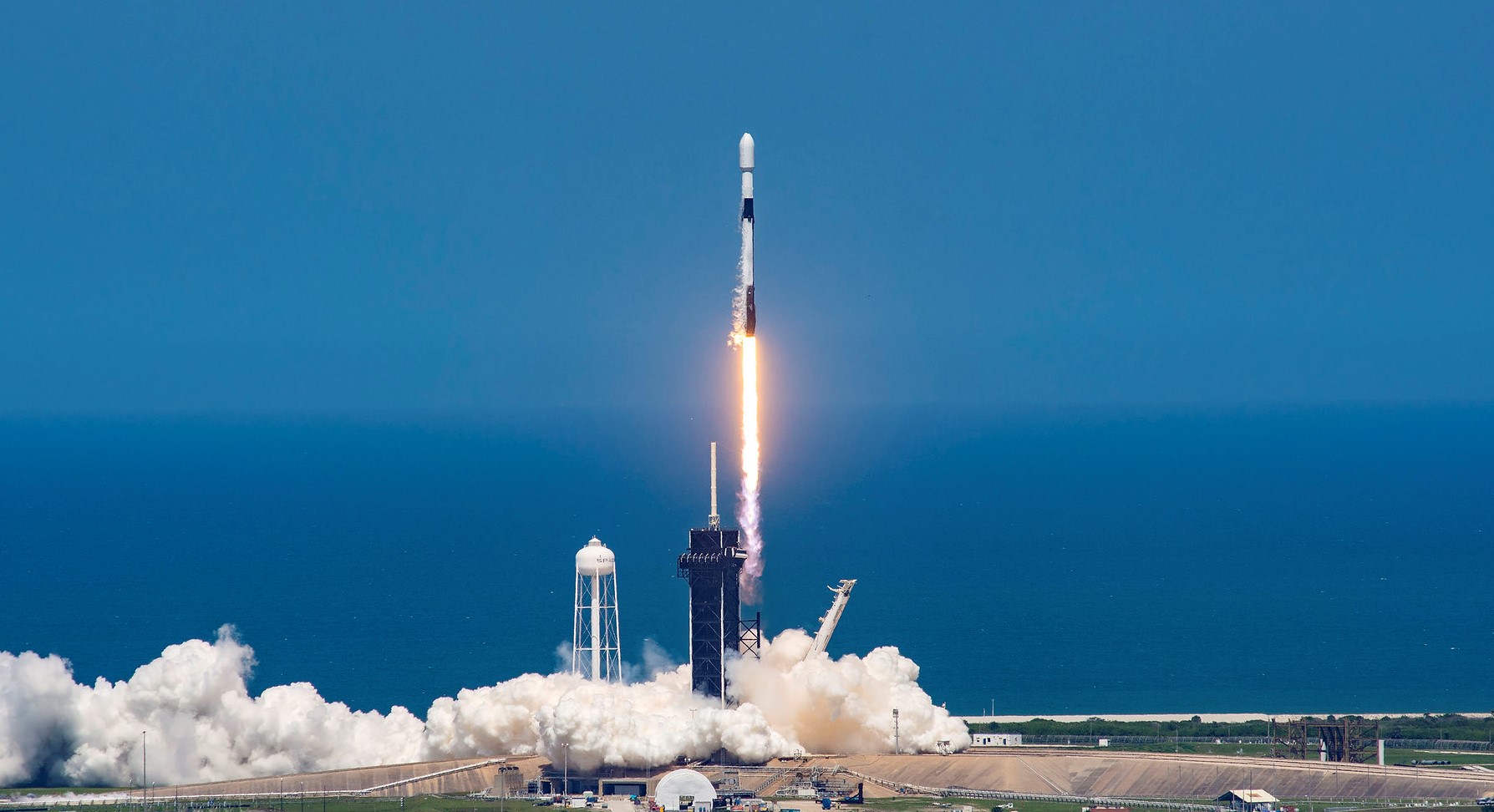
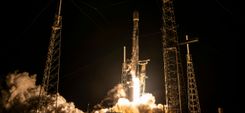
On Tuesday, June 23 at 6:53 a.m. ET, Falcon 9 launched the Starfall Demo mission to low-Earth orbit from Space Launch Complex 40 (SLC-40) at Cape Canaveral Space Force Station in Florida.
This was the 29th flight for the first stage booster supporting this mission, which previously launched Crew-6, SES O3b mPOWER-B, USSF-124, BlueBird 1-5, Nusantara Lima (PSN N5), and 23 Starlink missions. Following stage separation, the first stage landed on the A Shortfall of Gravitas droneship, which was stationed in the Atlantic Ocean.
Premium keeps the launch-by-launch change log visible so you can review slips, window edits, and status changes without waiting for an error-driven upgrade prompt.
Free-to-share photography matched to this launch. Tap a photo to view it at full resolution.
AST SpaceMobile’s Block 2 BlueBird satellites are designed to deliver up to 10 times the bandwidth capacity of the BlueBird Block 1 satellites, required to achieve 24/7 continuous cellular broadband service coverage in the United States, with beams designed to support a capacity of up to 40 MHz, enabling peak data transmission speeds up to 120 Mbps, supporting voice, full data and video applications. The Block 2 BlueBirds, featuring as large as 2400 square foot communications arrays, will be the largest satellites ever commercially deployed in Low Earth orbit once launched. This launch will feature 3 satellites.

Alternate mission URLs consolidate to this canonical launch record so exact mission timing, status, media, and source context stay on one page.
Use these internal paths to move from this exact launch record into the provider, vehicle, launch-site, schedule, and mission-family pages that own broader context.
This launch currently has no dedicated mission-family hub, so provider, vehicle, site, and canonical record links are the primary internal paths.
Some high-demand launch records carry specialized search intent. These profiles explain what can be verified from the published record without filling gaps that upstream sources have not published.
Payload and orbit evidence is shown from published launch, payload, mission, and source-link records so the page can answer spacecraft, customer, orbit, provider, and schedule intent.
Key structured fields for this launch record are grouped here so the page answers mission, payload, orbit, provider, source, and timing questions before the deeper tracking and media sections.


Premium unlocks the full source-quality provider graphic inside T-Minus Zero.


Premium unlocks the full source-quality provider graphic inside T-Minus Zero.
Stream links and embedded coverage.
A live webcast of this mission will begin about 15 minutes prior to liftoff, which you can watch here and on X @SpaceX .
Open the launch pad in Google Maps satellite mode using the pad coordinates.
AST SpaceMobile’s Block 2 BlueBird satellites are designed to deliver up to 10 times the bandwidth capacity of the BlueBird Block 1 satellites, required to achieve 24/7 continuous cellular broadband service coverage in the United States, with beams designed to support a capacity of up to 40 MHz, enabling peak data transmission speeds up to 120 Mbps, supporting voice, full data and video applications. The Block 2 BlueBirds, featuring as large as 2400 square foot communications arrays, will be the largest satellites ever commercially deployed in Low Earth orbit once launched. This launch will feature 3 satellites.

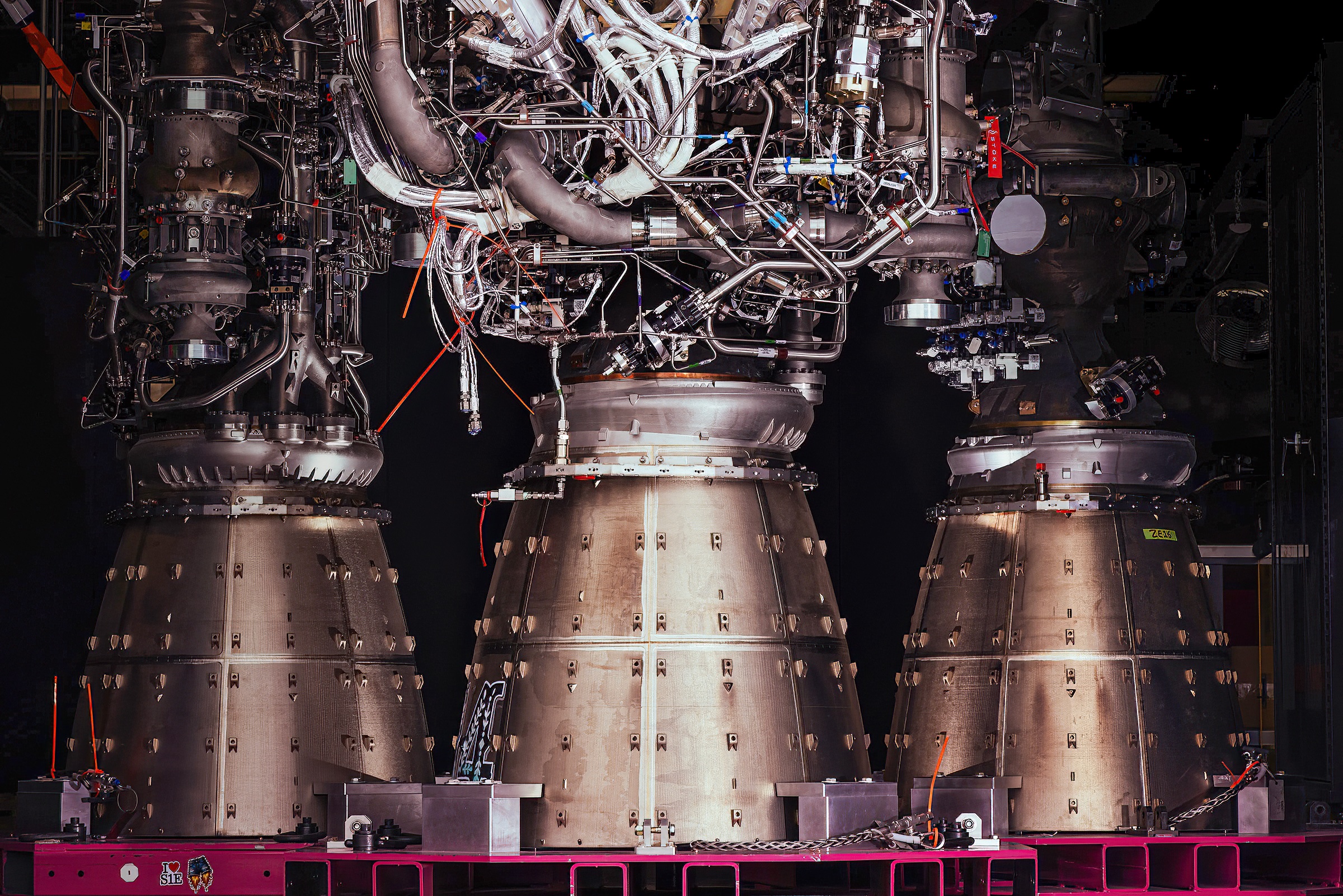
Falcon 9 is a two-stage rocket designed and manufactured by SpaceX for the reliable and safe transport of satellites and the Dragon spacecraft into orbit. The Block 5 variant is the fifth major interval aimed at improving upon the ability for rapid reusability.
All Times Approximate
Space Exploration Technologies Corp., known as SpaceX, is an American aerospace manufacturer and space transport services company headquartered in Hawthorne, California. It was founded in 2002 by entrepreneur Elon Musk with the goal of reducing space transportation costs and enabling the colonization of Mars. SpaceX operates from many pads, on the East Coast of the US they operate from SLC-40 at Cape Canaveral Space Force Station and historic LC-39A at Kennedy Space Center. They also operate from SLC-4E at Vandenberg Space Force Base, California, usually for polar launches. Another launch site is being developed at Boca Chica, Texas.
Payload and object details are usually published 1–2 days after launch.
Matched SpaceX launch-page assets and outbound media links for this launch.
Launch-stage and landing context surfaced from LL2 when it exists.
The Falcon 9 first stage will land on ASDS ASOG after its flight.
Enhanced forecast insights (select launches) plus an NWS forecast for the pad location at T-0 (api.weather.gov).
Premium adds the higher-signal weather shell for select Eastern Range launches, including the extra launch criteria and fast-read risk rows.
Temporary flight restrictions and NOTAM matches tied to this launch.
Advisory data is informational. Confirm operational constraints with official FAA publications.
A launch-area reference planning index. Use your location for a viewpoint-specific result.
A broad, sunlit jellyfish-style plume is unlikely at the launch area under the current model. The rocket may still be visible as a point.
This is a planning index, not a percent chance. Higher means the modeled viewing setup is stronger.
If needed, your browser asks permission only after you choose this. The launch-area result is not a forecast for your viewpoint.
This score uses a modeled ascent corridor rather than an exact mission path. The overall viewing setup remains useful; direction and timing are approximate.
No broad, sunlit jellyfish plume is currently expected at the modeled viewpoint.
This outlook evaluates whether a broad, sunlit ascent plume could stand out. It does not yet predict whether a specific vehicle will produce one, and an unfavorable plume outlook does not mean the rocket itself will be invisible.
Provider, rocket, pad, and booster history tied to this launch.
Core-level mission cadence associated with this launch.