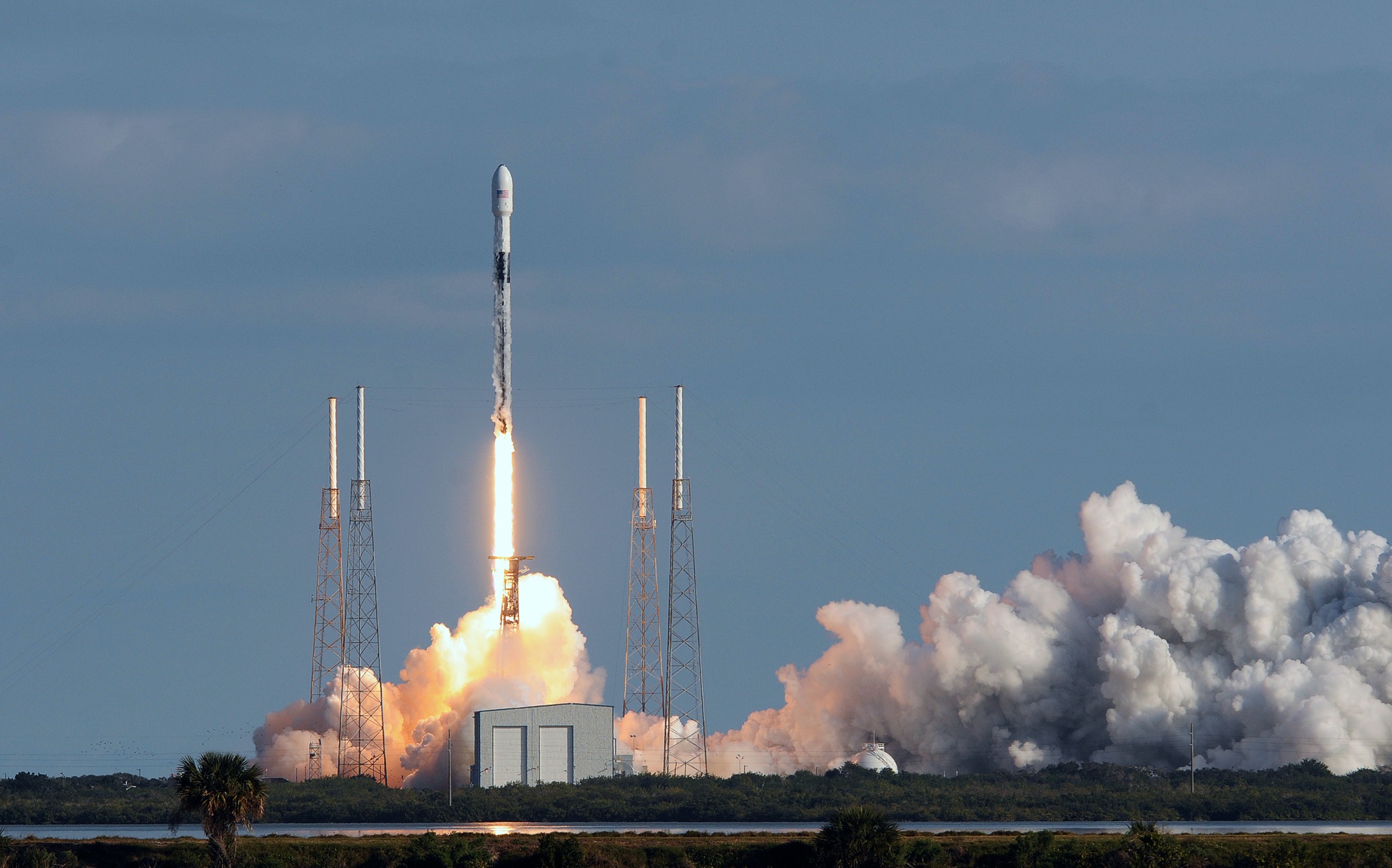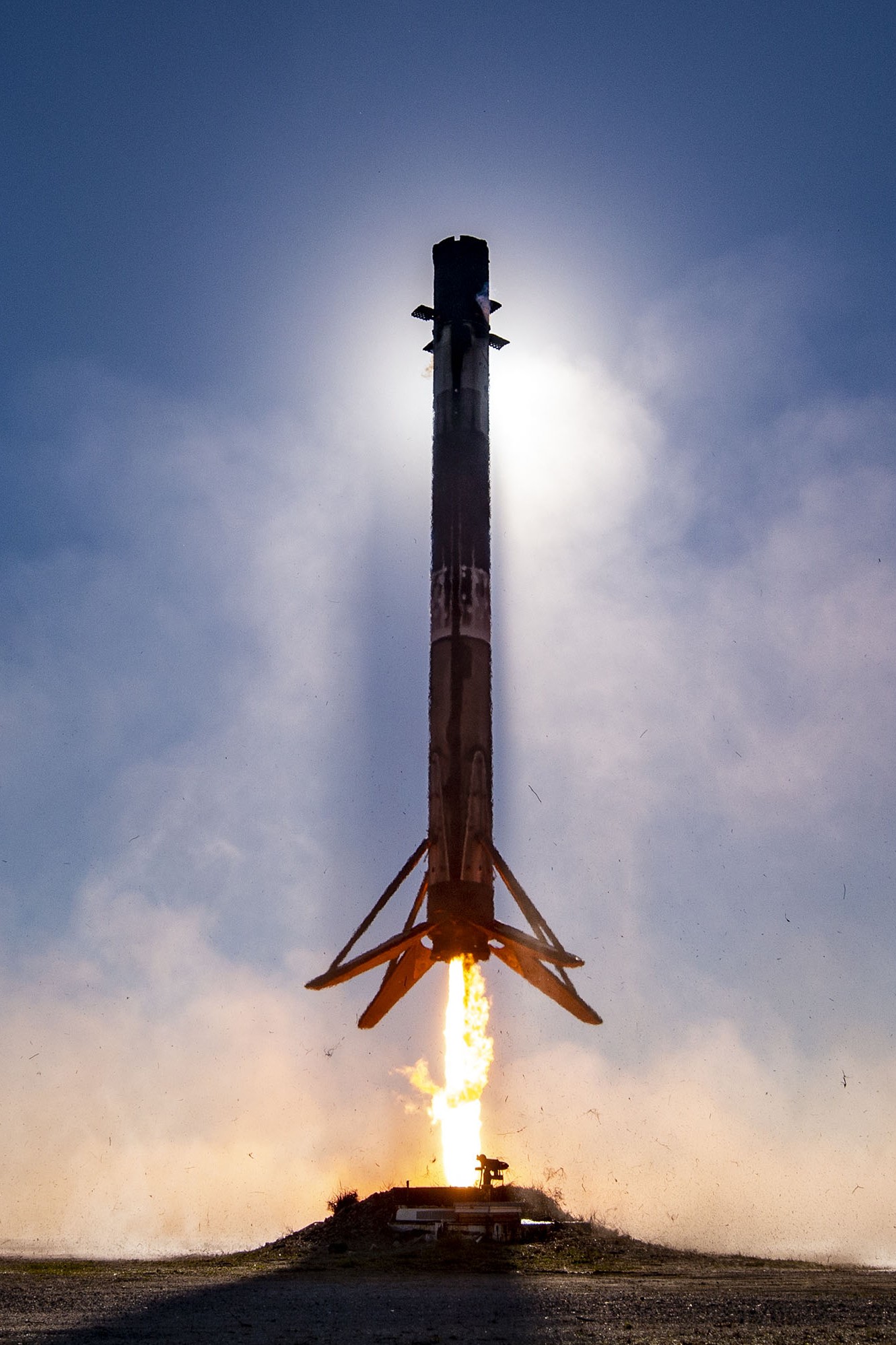
Booster recovery
Expended • Atlantic Ocean
No landing attempt • LL2
Type: Expended
Location: Atlantic Ocean
B1060 expended during this mission.
TMinusZero
Loading
Preparing the latest launch data.
Launch Detail
Loading launch detail
Pulling launch timing, vehicle context, weather signals, and mission evidence.
Launch detail
SpaceX • Falcon 9 Block 5 • Launch Complex 39A (FL)
Top answer
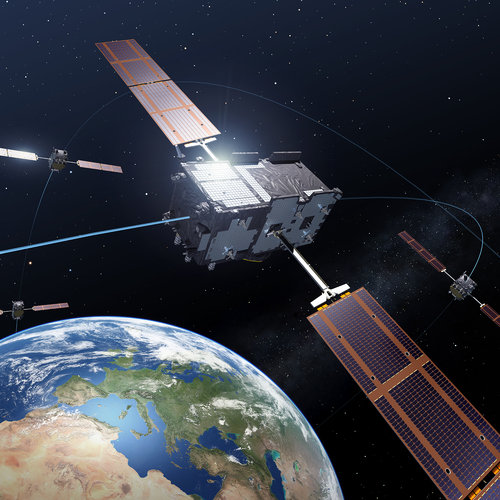
Two satellites for Europe's Galileo navigation system. Originally planned for launch on Soyuz-ST and then Ariane 6 but both were unavailable. Galileo provides Europe with an alternative to the American GPS and Russian GLONASS constellations, but will be interoperable with both systems.
Last refreshed: Oct 20, 2024, 7:03 AM EDT. T-Minus Zero keeps this as the canonical launch record and reconciles schedule, mission, payload, media, and provider signals when those records are available.
Live targets are highlighted across the sequence.
Stream links and embedded coverage.
Premium keeps the launch-by-launch change log visible so you can review slips, window edits, and status changes without waiting for an error-driven upgrade prompt.
Free-to-share photography matched to this launch. Tap a photo to view it at full resolution.
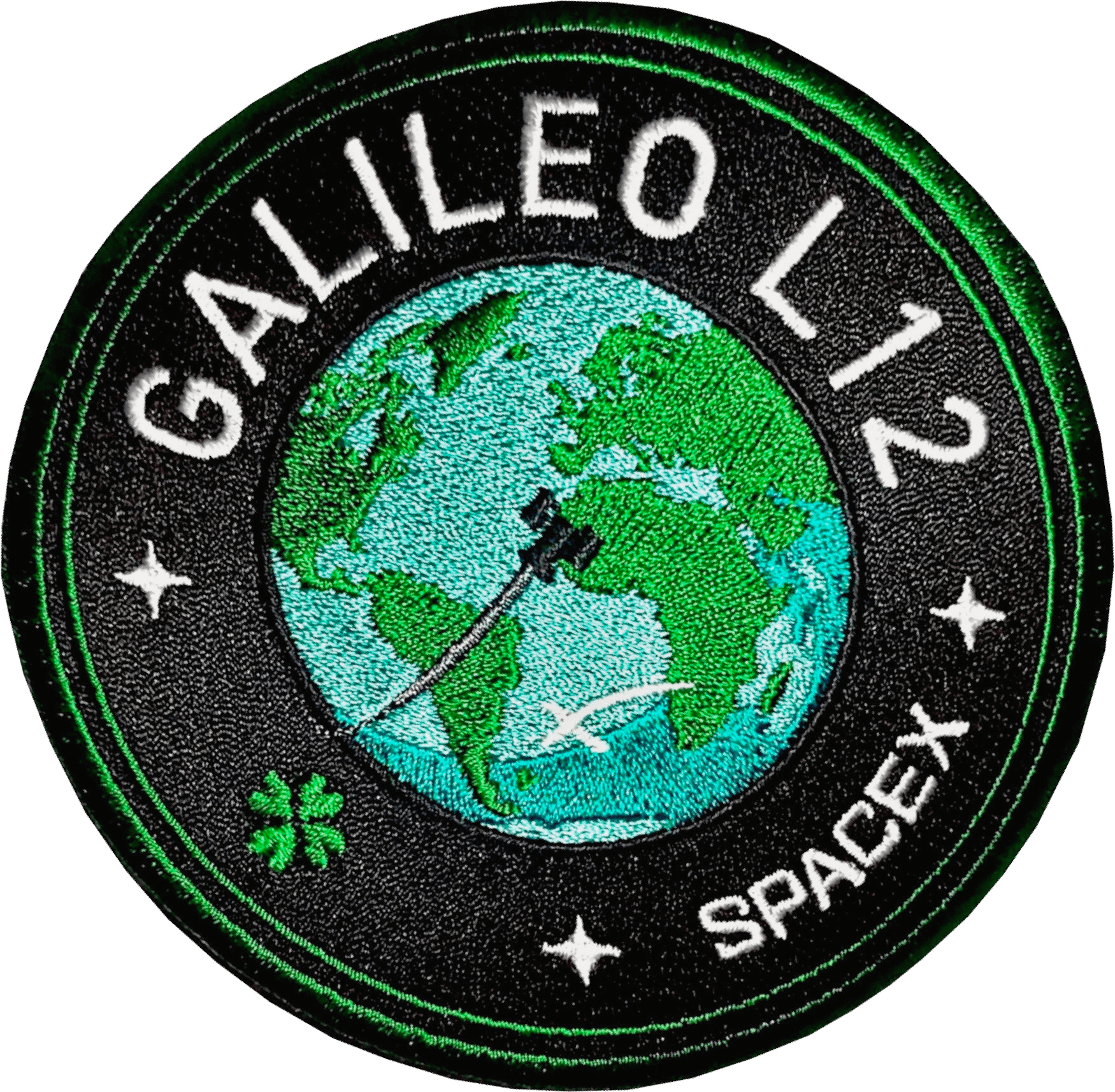 Galileo L12
Enhanced forecast insights (select launches).
Premium adds the higher-signal weather shell for select Eastern Range launches, including the extra launch criteria and fast-read risk rows.
Launch-stage and landing context surfaced from LL2 when it exists.
B1060 expended during this mission.
Two satellites for Europe's Galileo navigation system. Originally planned for launch on Soyuz-ST and then Ariane 6 but both were unavailable. Galileo provides Europe with an alternative to the American GPS and Russian GLONASS constellations, but will be interoperable with both systems.

Alternate mission URLs consolidate to this canonical launch record so exact mission timing, status, media, and source context stay on one page.
Use these internal paths to move from this exact launch record into the provider, vehicle, launch-site, schedule, and mission-family pages that own broader context.
This launch currently has no dedicated mission-family hub, so provider, vehicle, site, and canonical record links are the primary internal paths.
Some high-demand launch records carry specialized search intent. These profiles explain what can be verified from the published record without filling gaps that upstream sources have not published.
Navigation payload evidence is grouped from published launch, payload, orbit, program, and source-link records so the page can answer constellation, spacecraft, orbit, provider, and schedule intent without adding unpublished mission details.
Key structured fields for this launch record are grouped here so the page answers mission, payload, orbit, provider, source, and timing questions before the deeper tracking and media sections.
This record is preserved as historical launch context. The page emphasizes what was launched, the vehicle and pad involved, published outcome/status fields, linked programs, and source records instead of treating the mission like an upcoming countdown.
Open the launch pad in Google Maps satellite mode using the pad coordinates.
Two satellites for Europe's Galileo navigation system. Originally planned for launch on Soyuz-ST and then Ariane 6 but both were unavailable. Galileo provides Europe with an alternative to the American GPS and Russian GLONASS constellations, but will be interoperable with both systems.
Falcon 9 is a two-stage rocket designed and manufactured by SpaceX for the reliable and safe transport of satellites and the Dragon spacecraft into orbit. The Block 5 variant is the fifth major interval aimed at improving upon the ability for rapid reusability.
Space Exploration Technologies Corp., known as SpaceX, is an American aerospace manufacturer and space transport services company headquartered in Hawthorne, California. It was founded in 2002 by entrepreneur Elon Musk with the goal of reducing space transportation costs and enabling the colonization of Mars. SpaceX operates from many pads, on the East Coast of the US they operate from SLC-40 at Cape Canaveral Space Force Station and historic LC-39A at Kennedy Space Center. They also operate from SLC-4E at Vandenberg Space Force Base, California, usually for polar launches. Another launch site is being developed at Boca Chica, Texas.
39b97074733d93105326bf7bca984fcd85d430c5681340d2047d3762b894a90aLinked via Spaceflight News API (SNAPI).
 Article
The two new Galileo satellites launched in April have entered service, completing the second of three constellation planes. With every addition to the conste...
 Article
The Falcon 9 launched Saturday, May 27th, to deliver both satellites into the necessary orbit. The 2 European global navigation satellites are...
Provider, rocket, pad, and booster history tied to this launch.
Core-level mission cadence associated with this launch.