Return to Launch Site • Landing Zone 4
The Falcon 9 first stage B1103 will land on Landing Zone 4 after its 3rd flight.
TMinusZero
Loading
Preparing the latest launch data.
Launch Detail
Loading launch detail
Pulling launch timing, vehicle context, weather signals, and mission evidence.
Launch detail
SpaceX • Falcon 9 Block 5 • Space Launch Complex 4E (CA)
Fourteenth batch of satellites for a reconnaissance satellite constellation built by SpaceX and Northrop Grumman for the National Reconnaissance Office to provide imaging and other reconnaissance capabilities.
Live targets are highlighted across the sequence.
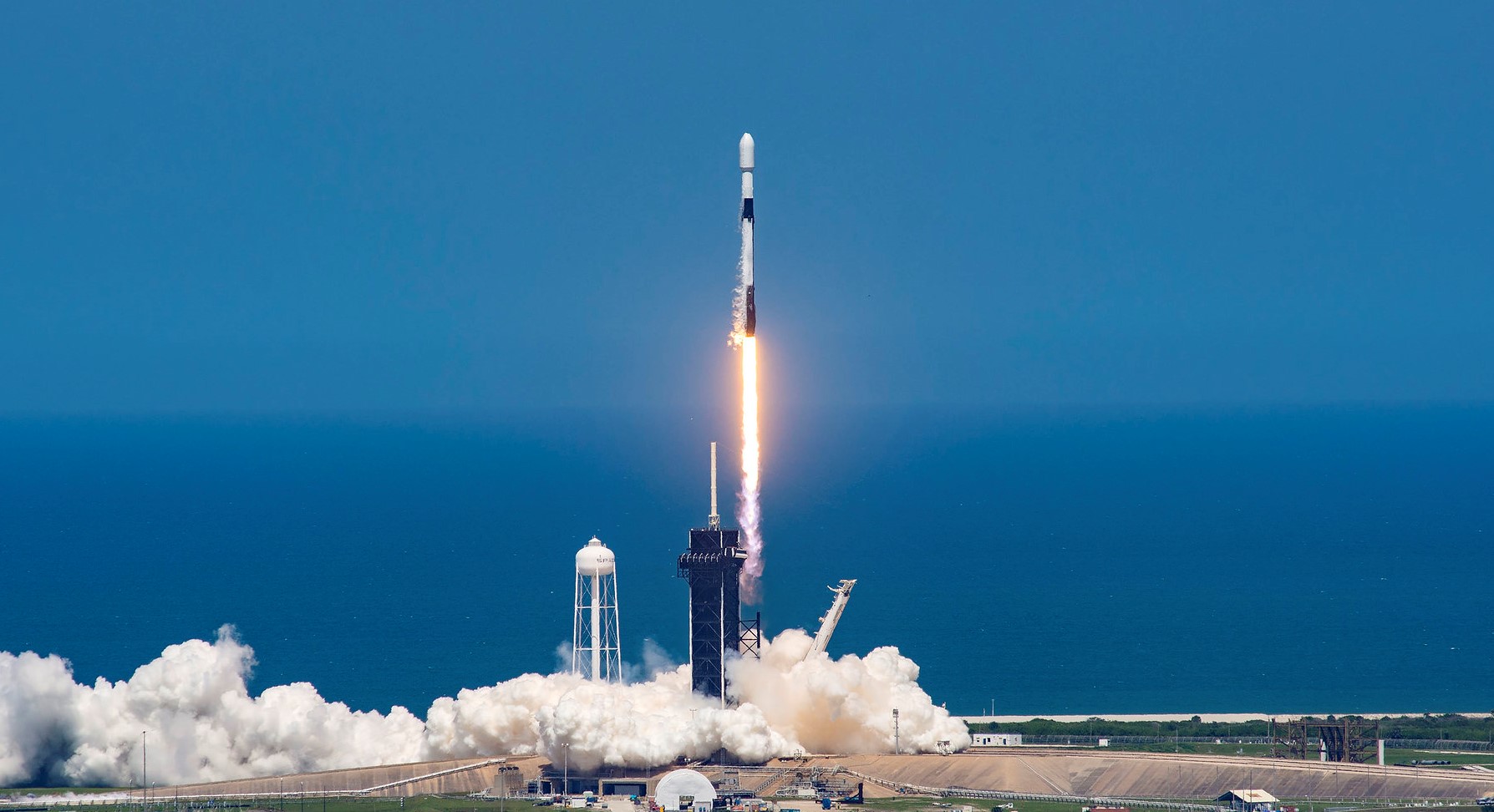
On Friday, June 19 at 1:50 a.m. PT, Falcon 9 launched the NROL-179 mission from Space Launch Complex 4E (SLC-4E) at Vandenberg Space Force Base in California.
This was the third flight for the first stage booster supporting this mission, which previously launched two Starlink missions. Following stage separation, the first stage landed on Landing Zone 4 (LZ-4) at Vandenberg Space Force Base.
There was the possibility that residents of Santa Barbara, San Luis Obispo, and Ventura counties may have heard one or more sonic booms during the launch, but what residents experienced depended on weather and other conditions.
Premium unlocks this provider resource inside T-Minus Zero.
Premium keeps the launch-by-launch change log visible so you can review slips, window edits, and status changes without waiting for an error-driven upgrade prompt.
Free-to-share photography matched to this launch. Tap a photo to view it at full resolution.
NROL-146Matched SpaceX launch-page assets and outbound media links for this launch.
Provider, rocket, pad, and booster history tied to this launch.
Core-level mission cadence associated with this launch.
Fourteenth batch of satellites for a reconnaissance satellite constellation built by SpaceX and Northrop Grumman for the National Reconnaissance Office to provide imaging and other reconnaissance capabilities.

Stream links and embedded coverage.
Official WebcastOfficial SpaceX post matched to this launch.
Open the launch pad in Google Maps satellite mode using the pad coordinates.
Fourteenth batch of satellites for a reconnaissance satellite constellation built by SpaceX and Northrop Grumman for the National Reconnaissance Office to provide imaging and other reconnaissance capabilities.
Falcon 9 is a two-stage rocket designed and manufactured by SpaceX for the reliable and safe transport of satellites and the Dragon spacecraft into orbit. The Block 5 variant is the fifth major interval aimed at improving upon the ability for rapid reusability.
All Times Approximate
Space Exploration Technologies Corp., known as SpaceX, is an American aerospace manufacturer and space transport services company headquartered in Hawthorne, California. It was founded in 2002 by entrepreneur Elon Musk with the goal of reducing space transportation costs and enabling the colonization of Mars. SpaceX operates from many pads, on the East Coast of the US they operate from SLC-40 at Cape Canaveral Space Force Station and historic LC-39A at Kennedy Space Center. They also operate from SLC-4E at Vandenberg Space Force Base, California, usually for polar launches. Another launch site is being developed at Boca Chica, Texas.
7419a78c54b3692ff3ea96d1c4a795c8c1bc9a13f222ac3bcf7766251d43af94Linked via Spaceflight News API (SNAPI).
ArticleThe Falcon 9 rocket will launch an undisclosed number of satellites, which are believed to be Starshield satellites, a government variant of Starlink. Liftof...
ArticleA very busy launch manifest is expected in the upcoming week, with 10 launches scheduled… The post Launch Preview: 10 launches scheduled from sites across t...
Launch-stage and landing context surfaced from LL2 when it exists.
The Falcon 9 first stage B1103 will land on Landing Zone 4 after its 3rd flight.
A launch-area reference. Use your location for a viewpoint-specific result.
This launch is waiting for a current solar-geometry calculation. The previous result is not shown because launch timing and sunlight geometry may have changed.
If needed, your browser asks permission only after you choose this. The launch-area result is not a forecast for your viewpoint.
This launch is waiting for a current solar-geometry calculation. The previous result is not shown because launch timing and sunlight geometry may have changed.
This outlook evaluates whether a broad, sunlit ascent plume could stand out. It does not yet predict whether a specific vehicle will produce one, and a no-jellyfish call does not mean the rocket itself will be invisible.