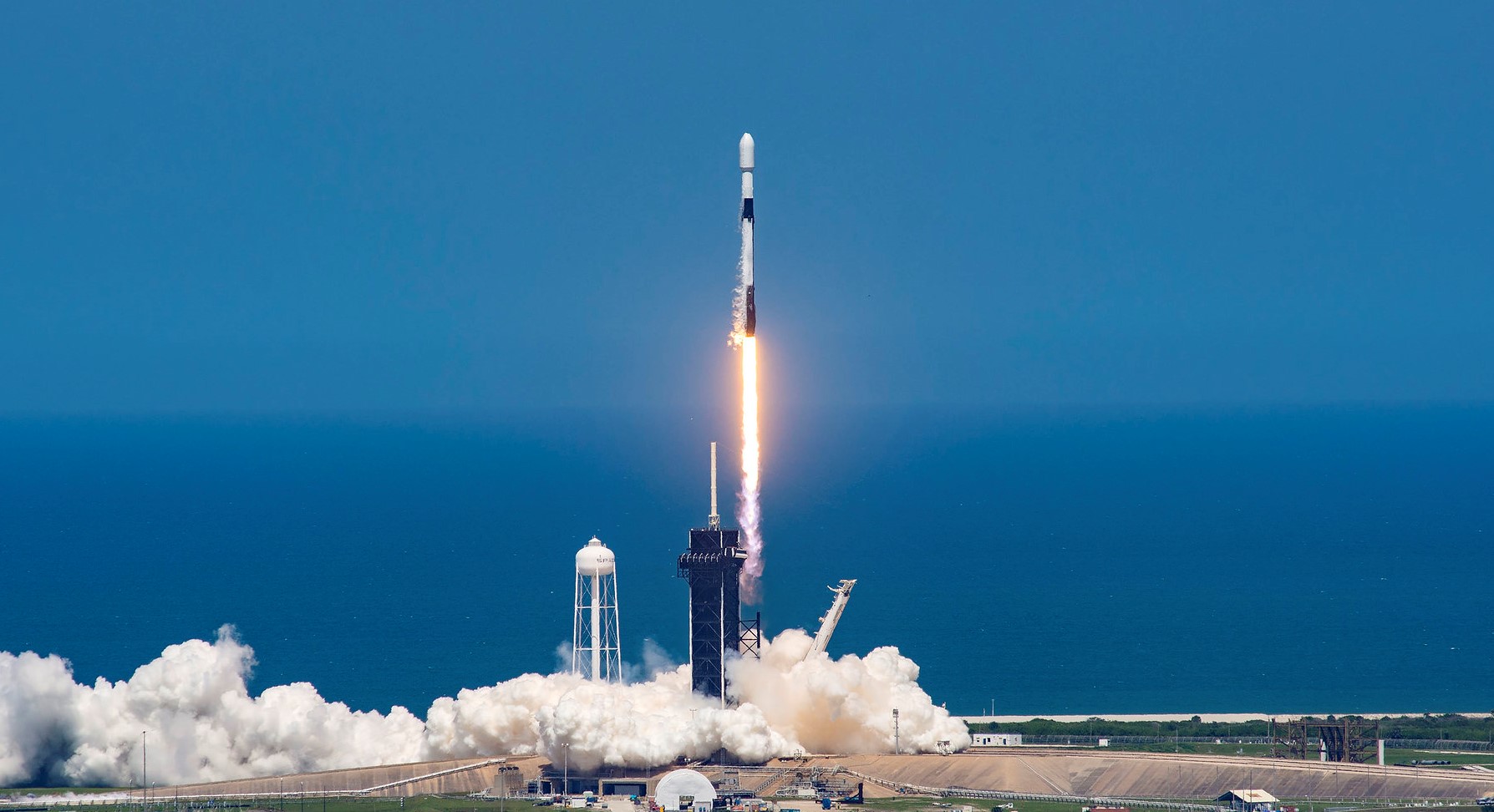
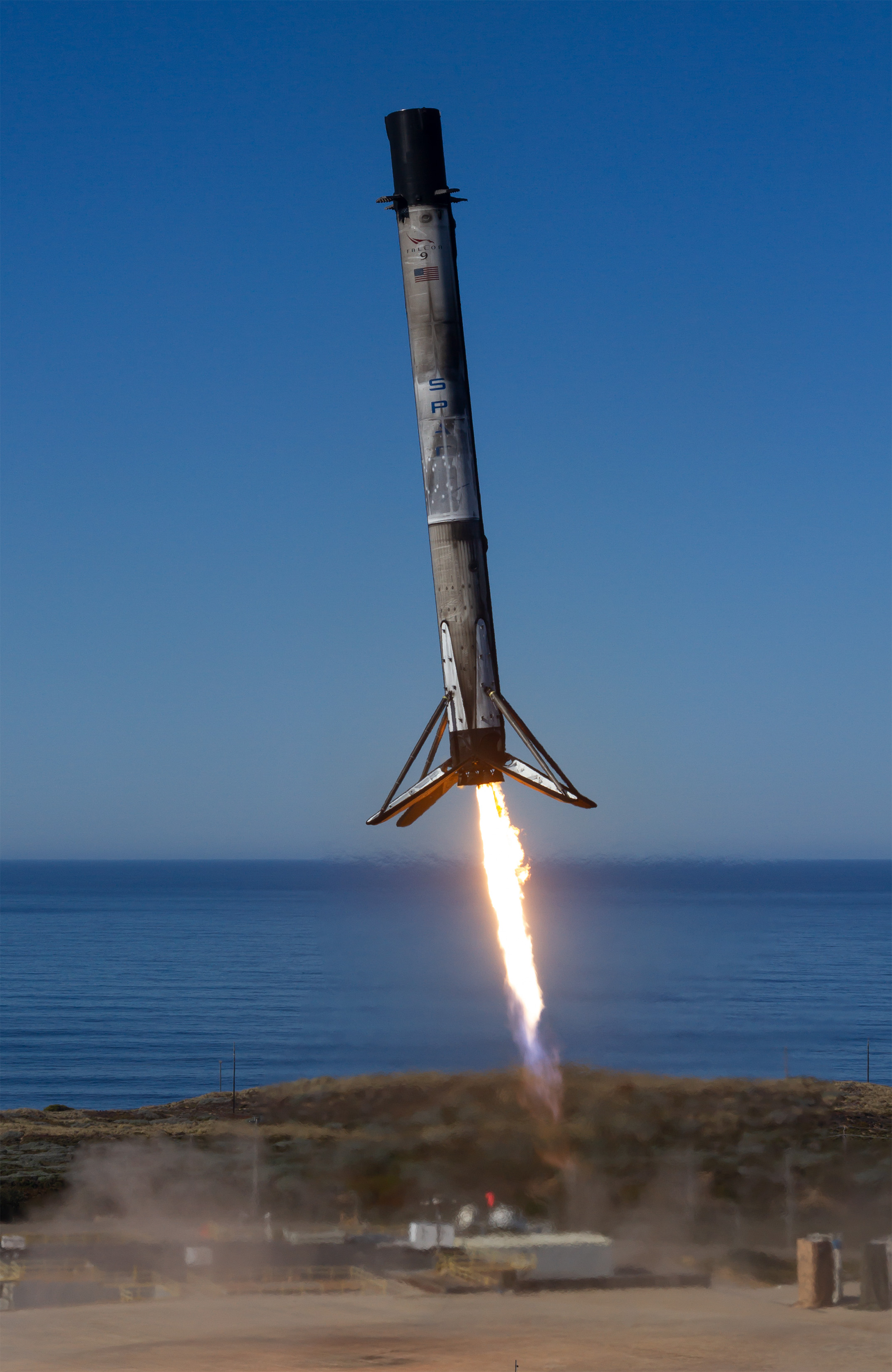
Tracked objects from this launch
23 objects
SATCAT inventory for 2026-186
Last checked: 2026-10-29T00:11:01.345+00:00
Last success: 2026-10-29T00:11:01.345+00:00
Last non-empty: 2026-10-29T00:11:01.345+00:00
Latest snapshot: 2026-10-21T00:11:01.426+00:00
Snapshot hash: 4f6ca132760bd83b1935621721bae1df5d9b6e31226e0117dec25b09b411b940
LL2 payloads: 0SATCAT payloads: 23Delta: +23RB: 0DEB: 0UNK: 0
Open SATCAT inventory
Orbit enrichment loads on demand when this section opens.
SATCAT payload objects
USA 620
2026-186ANORAD 100333PAYUnited States (US)Ops: +Data: NEA
Technical details
Orbit type: ORBOrbit center: EALaunch date: 2026-08-16Launch site: AFWTRPeriod: 91.55 min
Inc: 70.0°
348 km → 353 km
USA 621
2026-186BNORAD 100334PAYUnited States (US)Ops: +Data: NEA
Technical details
Orbit type: ORBOrbit center: EALaunch date: 2026-08-16Launch site: AFWTRPeriod: 91.55 min
Inc: 70.0°
348 km → 353 km
USA 622
2026-186CNORAD 100335PAYUnited States (US)Ops: +Data: NEA
Technical details
Orbit type: ORBOrbit center: EALaunch date: 2026-08-16Launch site: AFWTRPeriod: 91.08 min
Inc: 70.0°
312 km → 343 km
USA 623
2026-186DNORAD 100336PAYUnited States (US)Ops: +Data: NEA
Technical details
Orbit type: ORBOrbit center: EALaunch date: 2026-08-16Launch site: AFWTRPeriod: 91.55 min
Inc: 70.0°
349 km → 353 km
USA 624
2026-186ENORAD 100337PAYUnited States (US)Ops: +Data: NEA
Technical details
Orbit type: ORBOrbit center: EALaunch date: 2026-08-16Launch site: AFWTRPeriod: 91.23 min
Inc: 70.0°
310 km → 360 km
USA 625
2026-186FNORAD 100338PAYUnited States (US)Ops: +Data: NEA
Technical details
Orbit type: ORBOrbit center: EALaunch date: 2026-08-16Launch site: AFWTRPeriod: 91.55 min
Inc: 70.0°
348 km → 353 km
USA 626
2026-186GNORAD 100339PAYUnited States (US)Ops: +Data: NEA
Technical details
Orbit type: ORBOrbit center: EALaunch date: 2026-08-16Launch site: AFWTRPeriod: 91.61 min
Inc: 70.0°
342 km → 366 km
USA 627
2026-186HNORAD 100340PAYUnited States (US)Ops: +Data: NEA
Technical details
Orbit type: ORBOrbit center: EALaunch date: 2026-08-16Launch site: AFWTRPeriod: 91.38 min
Inc: 70.0°
319 km → 365 km
USA 628
2026-186JNORAD 100341PAYUnited States (US)Ops: +Data: NEA
Technical details
Orbit type: ORBOrbit center: EALaunch date: 2026-08-16Launch site: AFWTRPeriod: 91.39 min
Inc: 70.0°
319 km → 367 km
USA 629
2026-186KNORAD 100342PAYUnited States (US)Ops: +Data: NEA
Technical details
Orbit type: ORBOrbit center: EALaunch date: 2026-08-16Launch site: AFWTRPeriod: 91.55 min
Inc: 70.0°
348 km → 353 km
USA 630
2026-186LNORAD 100343PAYUnited States (US)Ops: +Data: NEA
Technical details
Orbit type: ORBOrbit center: EALaunch date: 2026-08-16Launch site: AFWTRPeriod: 91.55 min
Inc: 70.0°
348 km → 353 km
USA 631
2026-186MNORAD 100344PAYUnited States (US)Ops: +Data: NEA
Technical details
Orbit type: ORBOrbit center: EALaunch date: 2026-08-16Launch site: AFWTRPeriod: 91.45 min
Inc: 70.0°
330 km → 361 km
USA 632
2026-186NNORAD 100345PAYUnited States (US)Ops: +Data: NEA
Technical details
Orbit type: ORBOrbit center: EALaunch date: 2026-08-16Launch site: AFWTRPeriod: 91.43 min
Inc: 70.0°
315 km → 374 km
USA 633
2026-186PNORAD 100346PAYUnited States (US)Ops: +Data: NEA
Technical details
Orbit type: ORBOrbit center: EALaunch date: 2026-08-16Launch site: AFWTRPeriod: 91.56 min
Inc: 70.0°
347 km → 355 km
USA 634
2026-186QNORAD 100347PAYUnited States (US)Ops: +Data: NEA
Technical details
Orbit type: ORBOrbit center: EALaunch date: 2026-08-16Launch site: AFWTRPeriod: 91.22 min
Inc: 70.0°
308 km → 361 km
USA 635
2026-186RNORAD 100348PAYUnited States (US)Ops: +Data: NEA
Technical details
Orbit type: ORBOrbit center: EALaunch date: 2026-08-16Launch site: AFWTRPeriod: 91.55 min
Inc: 70.0°
348 km → 353 km
USA 636
2026-186SNORAD 100349PAYUnited States (US)Ops: +Data: NEA
Technical details
Orbit type: ORBOrbit center: EALaunch date: 2026-08-16Launch site: AFWTRPeriod: 91.55 min
Inc: 70.0°
348 km → 353 km
USA 637
2026-186TNORAD 100350PAYUnited States (US)Ops: +Data: NEA
Technical details
Orbit type: ORBOrbit center: EALaunch date: 2026-08-16Launch site: AFWTRPeriod: 91.39 min
Inc: 70.0°
337 km → 348 km
USA 638
2026-186UNORAD 100351PAYUnited States (US)Ops: +Data: NEA
Technical details
Orbit type: ORBOrbit center: EALaunch date: 2026-08-16Launch site: AFWTRPeriod: 91.55 min
Inc: 70.0°
348 km → 353 km
USA 639
2026-186VNORAD 100352PAYUnited States (US)Ops: +Data: NEA
Technical details
Orbit type: ORBOrbit center: EALaunch date: 2026-08-16Launch site: AFWTRPeriod: 91.55 min
Inc: 70.0°
348 km → 353 km
USA 640
2026-186WNORAD 100353PAYUnited States (US)Ops: +Data: NEA
Technical details
Orbit type: ORBOrbit center: EALaunch date: 2026-08-16Launch site: AFWTRPeriod: 91.55 min
Inc: 70.0°
348 km → 353 km
USA 641
2026-186XNORAD 100354PAYUnited States (US)Ops: +Data: NEA
Technical details
Orbit type: ORBOrbit center: EALaunch date: 2026-08-16Launch site: AFWTRPeriod: 91.54 min
Inc: 70.0°
347 km → 353 km
USA 642
2026-186YNORAD 100355PAYUnited States (US)Ops: +Data: NEA
Technical details
Orbit type: ORBOrbit center: EALaunch date: 2026-08-16Launch site: AFWTRPeriod: 91.55 min
Inc: 70.0°
348 km → 353 km