

Booster recovery
Ocean • Atlantic Ocean
No landing attempt • LL2
Type: Ocean
Location: Atlantic Ocean
Controlled water-landing, no recovery
TMinusZero
Loading
Preparing the latest launch data.
Launch Detail
Loading launch detail
Pulling launch timing, vehicle context, weather signals, and mission evidence.
Launch detail
SpaceX • Falcon 9 v1.1 • Space Launch Complex 40 (FL)
Top answer
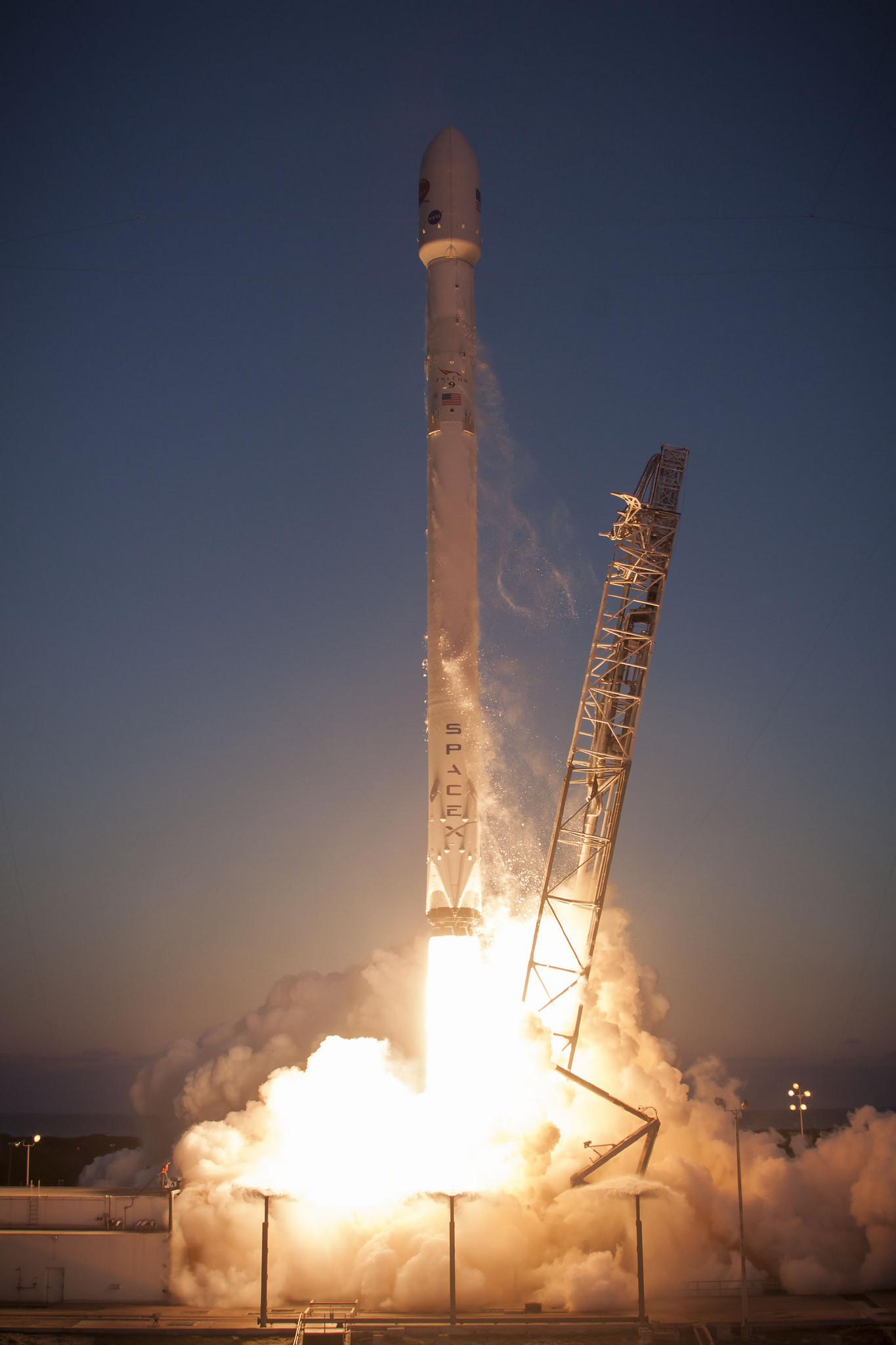
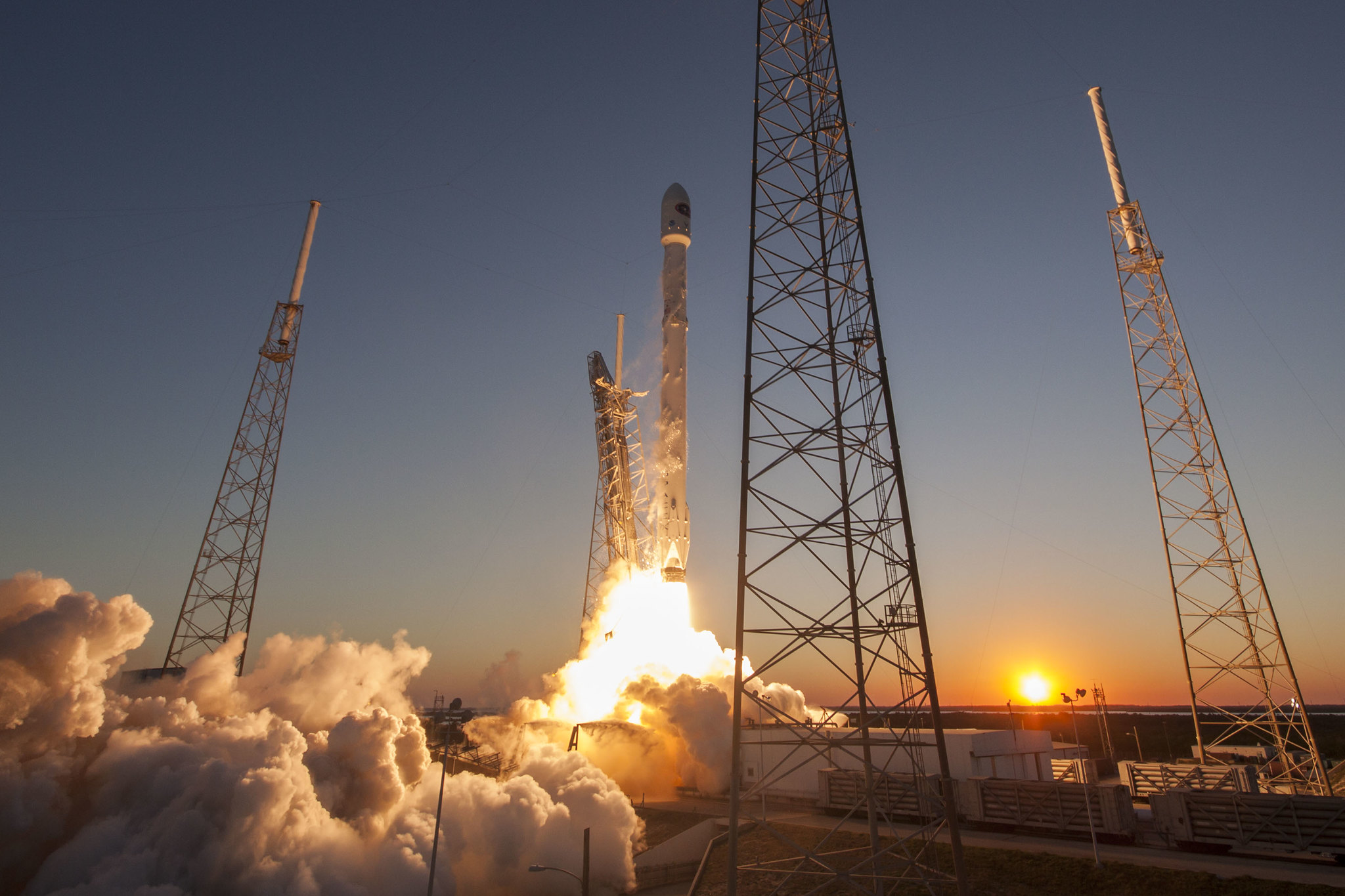
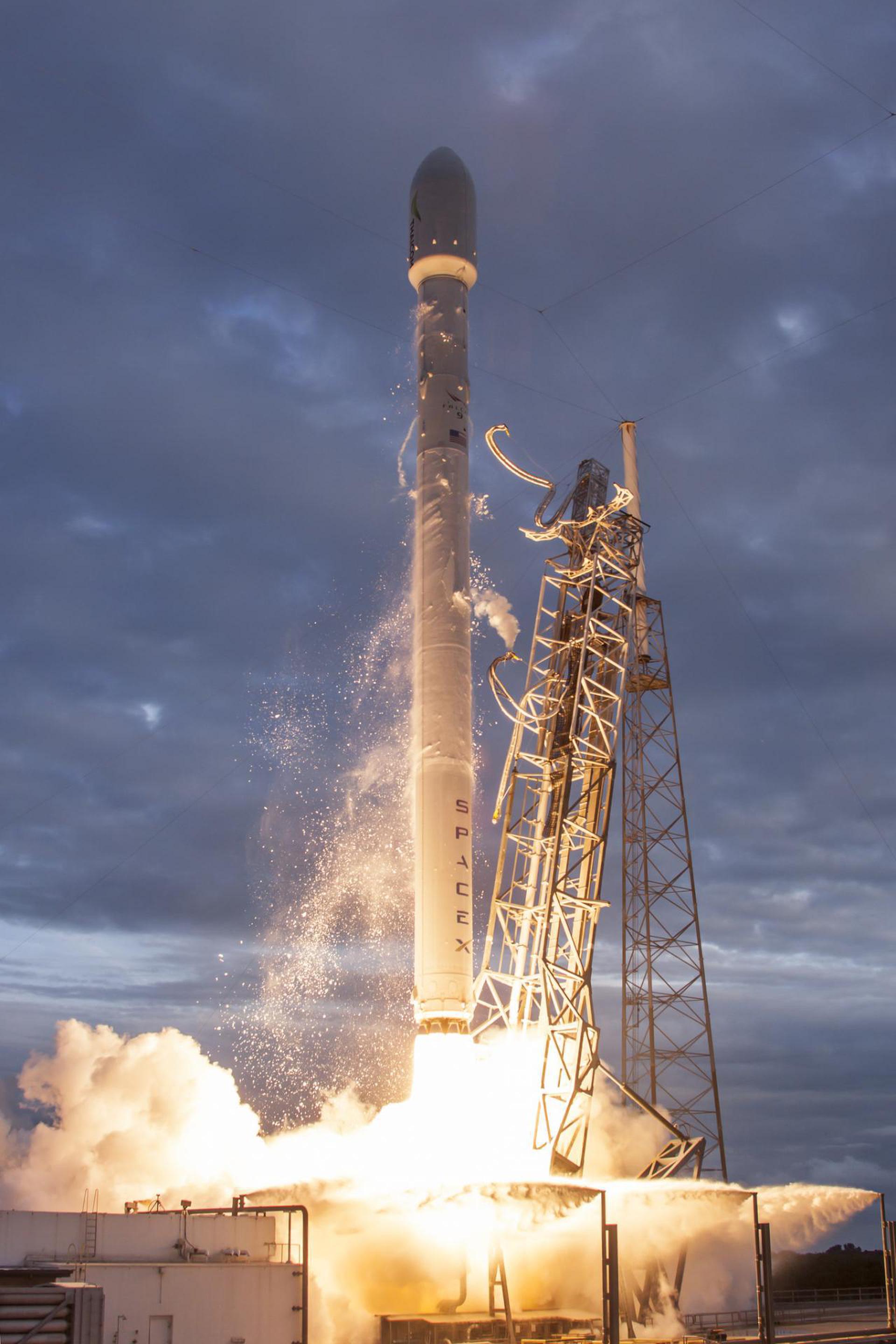
A SpaceX Falcon 9 rocket will launch the Deep Space Climate Observatory for the U.S Air Force, NOAA and NASA. DSCOVR will be positioned at the L1 libration point to monitor space weather and Earth's climate.
Last refreshed: Jun 14, 2023, 1:41 PM EDT. T-Minus Zero keeps this as the canonical launch record and reconciles schedule, mission, payload, media, and provider signals when those records are available.
Alternate mission URLs consolidate to this canonical launch record so exact mission timing, status, media, and source context stay on one page.
Stream links and embedded coverage.
Premium keeps the launch-by-launch change log visible so you can review slips, window edits, and status changes without waiting for an error-driven upgrade prompt.
Free-to-share photography matched to this launch. Tap a photo to view it at full resolution.
 DSCOVR Patch
Linked via Spaceflight News API (SNAPI).
 Article
The Pacific was buzzing with storms while the Atlantic was notably quiet.
 Article
Introduction The 10th Deep Space Climate Observatory (DSCOVR) Earth Polychromatic Camera (EPIC) and National Institute of Standards and Technology (NIST) Adv...
 Article
The impact could offer scientists a peek at the selenology of the Moon.
Enhanced forecast insights (select launches).
Premium adds the higher-signal weather shell for select Eastern Range launches, including the extra launch criteria and fast-read risk rows.
Launch-stage and landing context surfaced from LL2 when it exists.
Controlled water-landing, no recovery
A SpaceX Falcon 9 rocket will launch the Deep Space Climate Observatory for the U.S Air Force, NOAA and NASA. DSCOVR will be positioned at the L1 libration point to monitor space weather and Earth's climate.
Use these internal paths to move from this exact launch record into the provider, vehicle, launch-site, schedule, and mission-family pages that own broader context.
This launch currently has no dedicated mission-family hub, so provider, vehicle, site, and canonical record links are the primary internal paths.
Key structured fields for this launch record are grouped here so the page answers mission, payload, orbit, provider, source, and timing questions before the deeper tracking and media sections.
This record is preserved as historical launch context. The page emphasizes what was launched, the vehicle and pad involved, published outcome/status fields, linked programs, and source records instead of treating the mission like an upcoming countdown.
Open the launch pad in Google Maps satellite mode using the pad coordinates.
A SpaceX Falcon 9 rocket will launch the Deep Space Climate Observatory for the U.S Air Force, NOAA and NASA. DSCOVR will be positioned at the L1 libration point to monitor space weather and Earth's climate.
Falcon 9 v1.1 is a significantly redesigned version of the its predecessor, including a higher payload capacity. This version arranges the engines in a structural form SpaceX calls an Octaweb.
Space Exploration Technologies Corp., known as SpaceX, is an American aerospace manufacturer and space transport services company headquartered in Hawthorne, California. It was founded in 2002 by entrepreneur Elon Musk with the goal of reducing space transportation costs and enabling the colonization of Mars. SpaceX operates from many pads, on the East Coast of the US they operate from SLC-40 at Cape Canaveral Space Force Station and historic LC-39A at Kennedy Space Center. They also operate from SLC-4E at Vandenberg Space Force Base, California, usually for polar launches. Another launch site is being developed at Boca Chica, Texas.
008bc998aec1e8ed3f03e4ba6861b056f8ce5690751bf72cf50d7d86f6539b1fProvider, rocket, pad, and booster history tied to this launch.
Core-level mission cadence associated with this launch.