



Booster recovery
Expended • Atlantic Ocean
No landing attempt • LL2
Type: Expended
Location: Atlantic Ocean
The Falcon Heavy center core B1106 will be expended.
TMinusZero
Loading
Preparing the latest launch data.
Launch Detail
Loading launch detail
Pulling launch timing, vehicle context, weather signals, and mission evidence.
Launch detail
SpaceX • Falcon Heavy • Launch Complex 39A (FL)
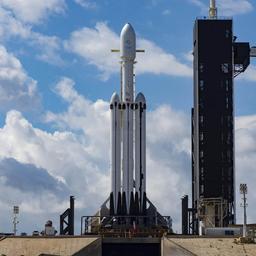
Classified payload for the US National Reconnaissance Office.
Live targets are highlighted across the sequence.
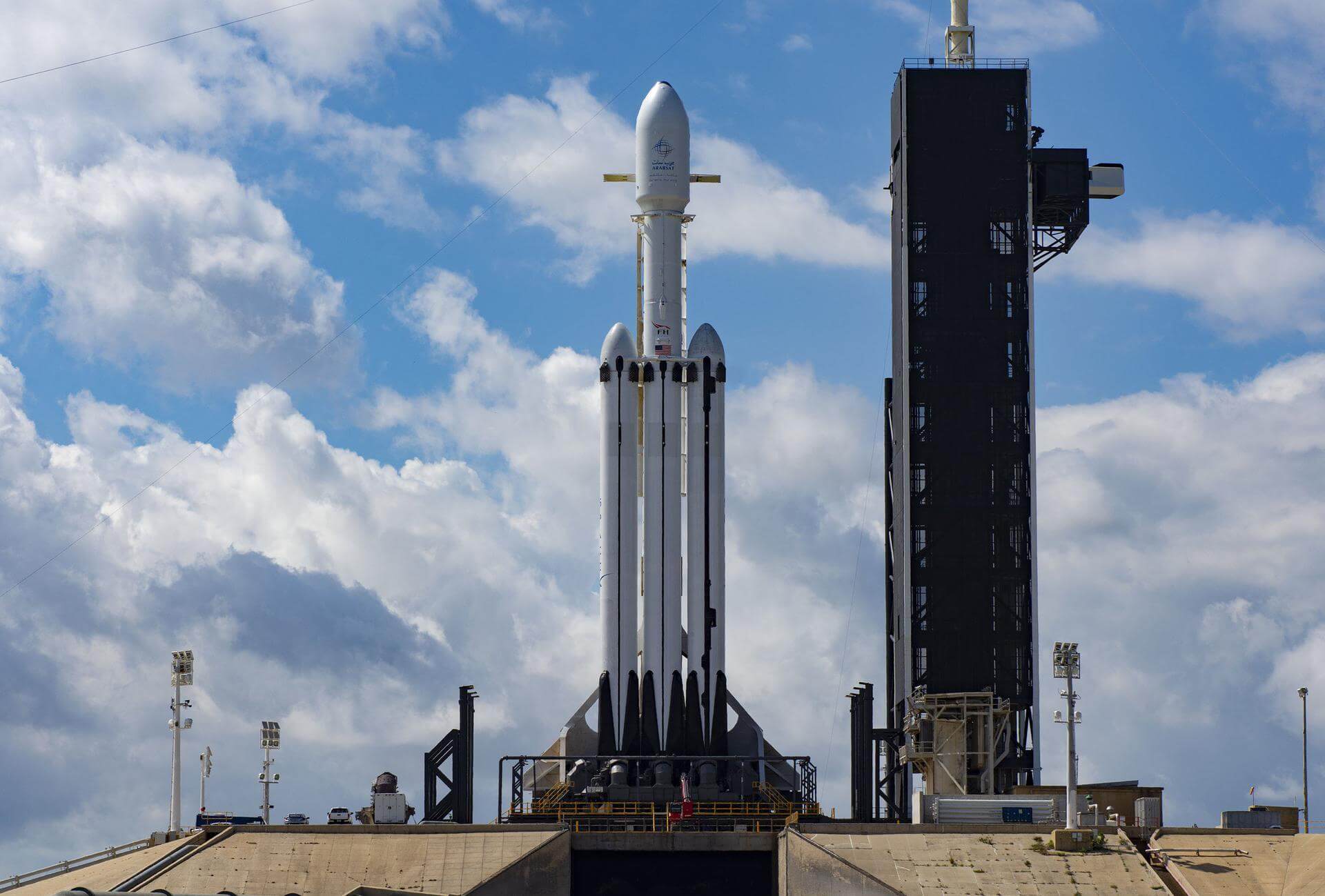
On Thursday, October 1 at 11:54 p.m. ET Falcon Heavy launched the NROL-97 mission from Launch Complex 39A (LC-39A) at NASA’s Kennedy Space Center in Florida.
This was the second and fourth flight for the two first stage side boosters supporting this mission, which previously launched the GOES-U , Viasat-3 F3 , and Roman Space Telescope missions. Following stage separation, Falcon Heavy’s two side boosters landed on SpaceX’s Landing Zones 1 and 2 (LZ-1 and LZ-2) at Cape Canaveral Space Force Station in Florida.
Premium unlocks this provider resource inside T-Minus Zero.
Premium keeps the launch-by-launch change log visible so you can review slips, window edits, and status changes without waiting for an error-driven upgrade prompt.
Free-to-share photography matched to this launch. Tap a photo to view it at full resolution.
 NROL-97 Patch
Matched SpaceX launch-page assets and outbound media links for this launch.
Classified payload for the US National Reconnaissance Office.
Stream links and embedded coverage.
 Official Webcast
Official SpaceX post matched to this launch.
Open the launch pad in Google Maps satellite mode using the pad coordinates.
Classified payload for the US National Reconnaissance Office.
The Falcon Heavy is a variant of the Falcon 9 full thrust launch vehicle and consists of a standard Falcon 9 rocket core, with two additional boosters derived from the Falcon 9 first stage.
All Times Approximate
Space Exploration Technologies Corp., known as SpaceX, is an American aerospace manufacturer and space transport services company headquartered in Hawthorne, California. It was founded in 2002 by entrepreneur Elon Musk with the goal of reducing space transportation costs and enabling the colonization of Mars. SpaceX operates from many pads, on the East Coast of the US they operate from SLC-40 at Cape Canaveral Space Force Station and historic LC-39A at Kennedy Space Center. They also operate from SLC-4E at Vandenberg Space Force Base, California, usually for polar launches. Another launch site is being developed at Boca Chica, Texas.
Enhanced forecast insights (select launches).
Premium adds the higher-signal weather shell for select Eastern Range launches, including the extra launch criteria and fast-read risk rows.
2bcc9d50dfc7bf3be150a46b356d944ddc3e3a4aea5b154c218e44faad62895fProvider, rocket, pad, and booster history tied to this launch.
Core-level mission cadence associated with this launch.
Linked via Spaceflight News API (SNAPI).
 Article
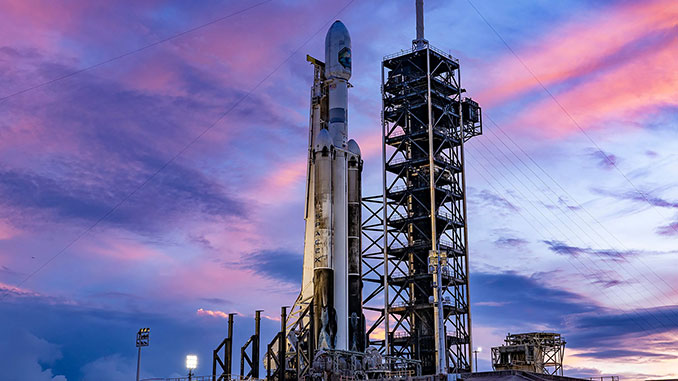
The 14th Falcon Heavy rocket is scheduled to blast off on a clandestine mission from Launch Complex 39A at NASA’s Kennedy Space Center at 11:53 p.m. EDT (035...
 Article
SpaceX’s Falcon Heavy is poised atop Launch Complex 39A once again, this time to launch… The post Falcon Heavy set to launch classified NROL-97 to high-ener...
Launch-stage and landing context surfaced from LL2 when it exists.
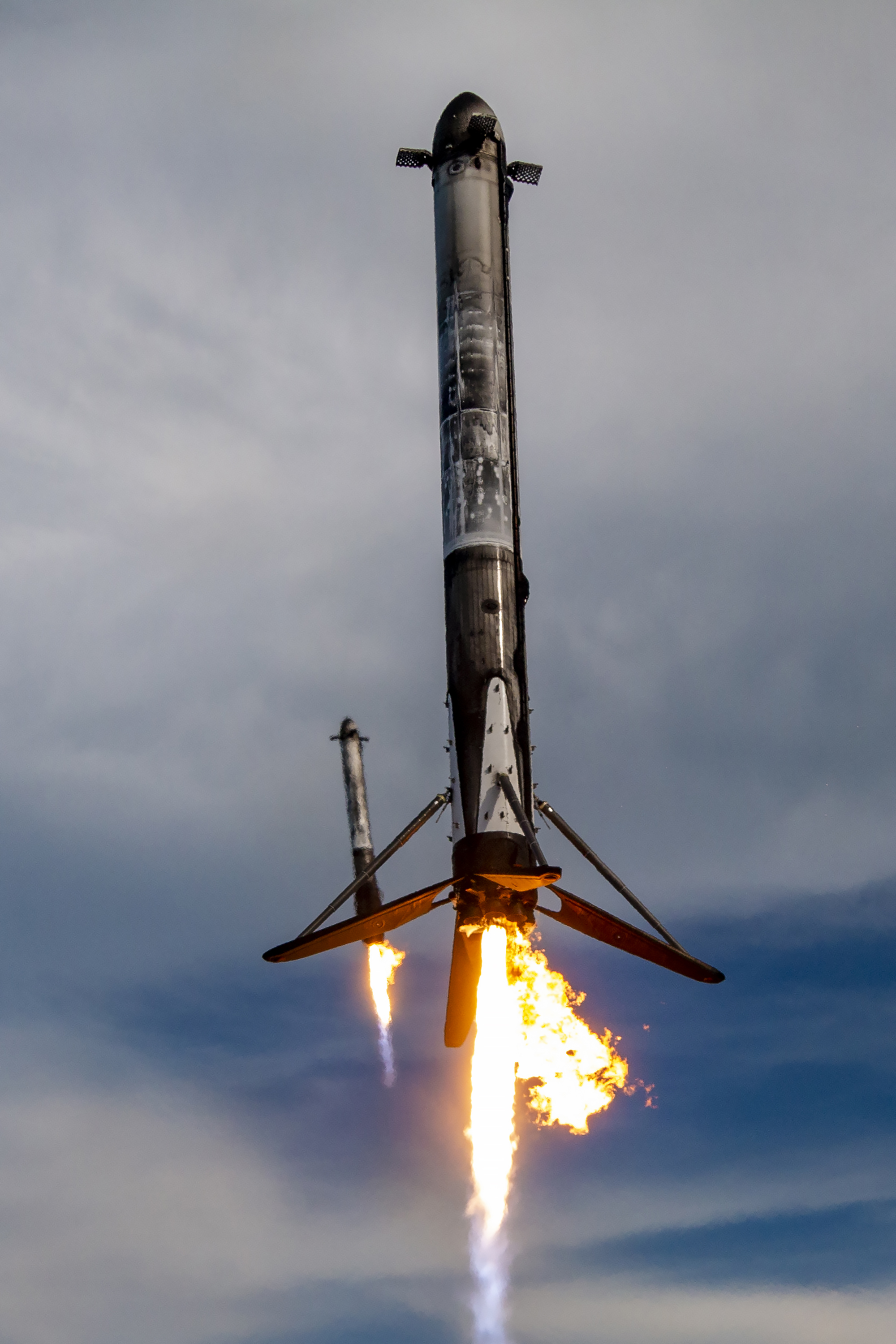
Falcon Heavy side booster first flown during the GOES-U mission.
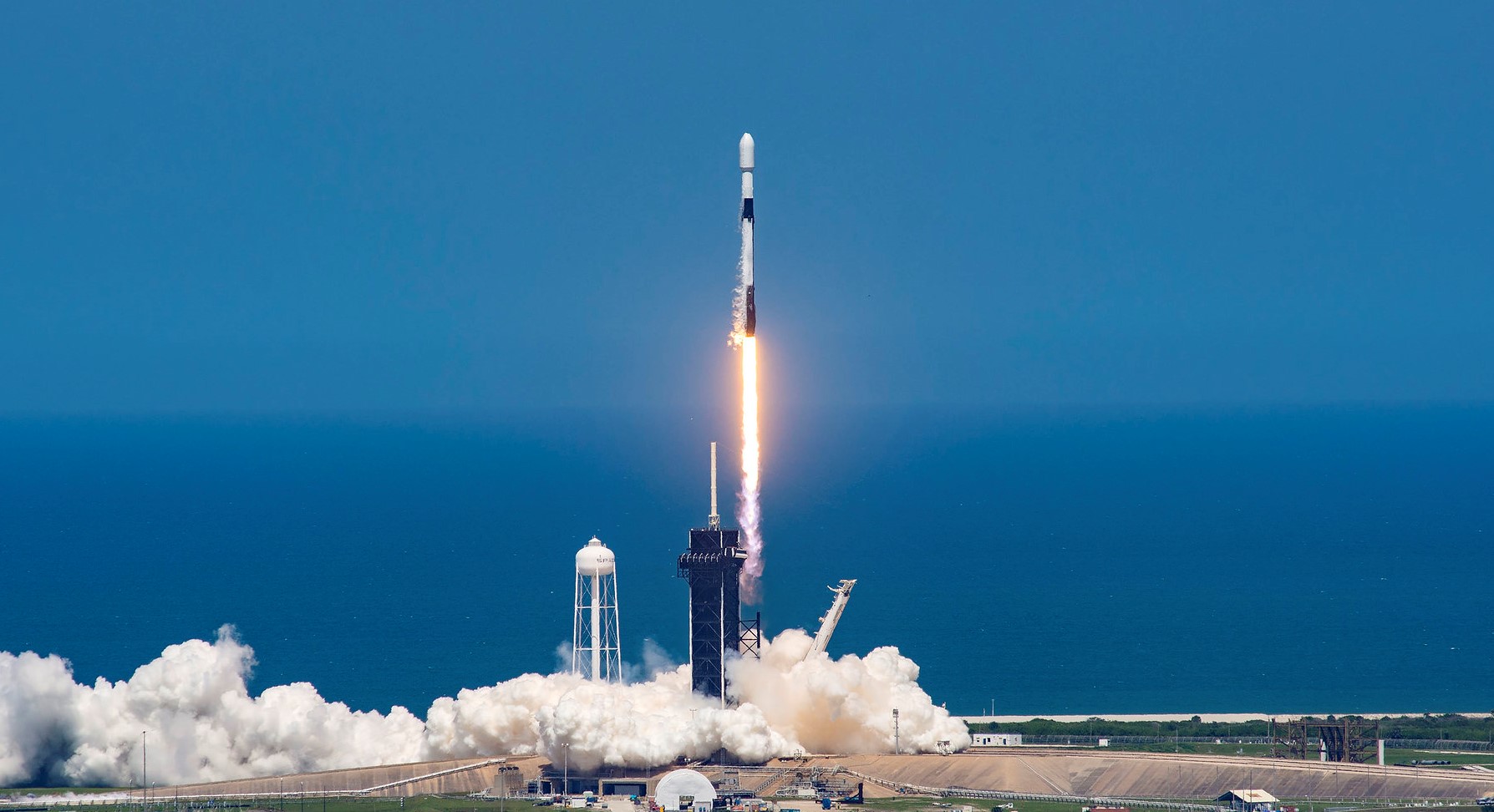
Falcon 9 booster.
The Falcon Heavy center core B1106 will be expended.
The Falcon Heavy side booster B1104 has landed back at the launch site at Landing Zone 1 after its 2nd flight.
The Falcon Heavy side booster B1072 has landed back at the launch site at Landing Zone 2 after its 4th flight.
Temporary flight restrictions and NOTAM matches tied to this launch.
Advisory data is informational. Confirm operational constraints with official FAA publications.
A launch-area reference. Use your location for a viewpoint-specific result.
The plume stays in Earth’s shadow
A broad, sunlit jellyfish-style plume is not expected at the launch area under the current model. The rocket may still be visible as a point.
A planning call from the viewing model, not a percent chance or a guarantee.
If needed, your browser asks permission only after you choose this. The launch-area result is not a forecast for your viewpoint.
This call uses a modeled ascent corridor rather than an exact mission path. The overall call remains useful; direction and timing are approximate.
No broad, sunlit jellyfish plume is currently expected at the modeled viewpoint.
This outlook evaluates whether a broad, sunlit ascent plume could stand out. It does not yet predict whether a specific vehicle will produce one, and a no-jellyfish call does not mean the rocket itself will be invisible.