

VANDENBERG SFB, CA, Tuesday, March 10, 2026 Local
Expiredmatchedconfidence 78%6/5273
1 shape
CA
Window
Mar 09, 2026, 5:00 PM PDT to Mar 10, 2026, 5:00 PM PDT
Details
ZLA • SPACE OPERATIONS
TMinusZero
Loading
Preparing the latest launch data.
Launch Detail
Loading launch detail
Pulling launch timing, vehicle context, weather signals, and mission evidence.
Launch detail
Firefly Aerospace • Firefly Alpha • Space Launch Complex 2W (CA)
Top answer
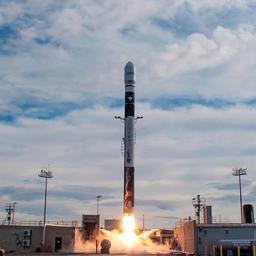
Firefly Alpha's Flight 7 is a test flight and return-To-Flight for the launch vehicle after its April 2025 launch failure. It will test and validate key systems ahead of Firefly’s Block II configuration upgrade on Flight 8 that’s designed to enhance reliability and manufacturability across the vehicle. Flight 7 is the last flown in Alpha’s current configuration and will test multiple Block II subsystems, including...
Last refreshed: Mar 13, 2026, 8:27 PM PDT. T-Minus Zero keeps this as the canonical launch record and reconciles schedule, mission, payload, media, and provider signals when those records are available.
Live targets are highlighted across the sequence.
Stream links and embedded coverage.
Premium keeps the launch-by-launch change log visible so you can review slips, window edits, and status changes without waiting for an error-driven upgrade prompt.
Free-to-share photography matched to this launch. Tap a photo to view it at full resolution.
 FLTA007_patch
Linked via Spaceflight News API (SNAPI).
 Article
Firefly Aerospace completed a successful return to flight on Wednesday, March 11, bringing their Alpha rocket back online after a mishap in April of last year.
 Article
Firefly Aerospace’s Alpha rocket successfully returned to flight March 11, launching a technology demonstration mission more than 10 months after the rocket’...
 Article
Eight launches are scheduled worldwide this week, with Falcon 9 again dominating the launch schedule.… The post Launch Preview: Falcon 9 to dominate another...
 Article
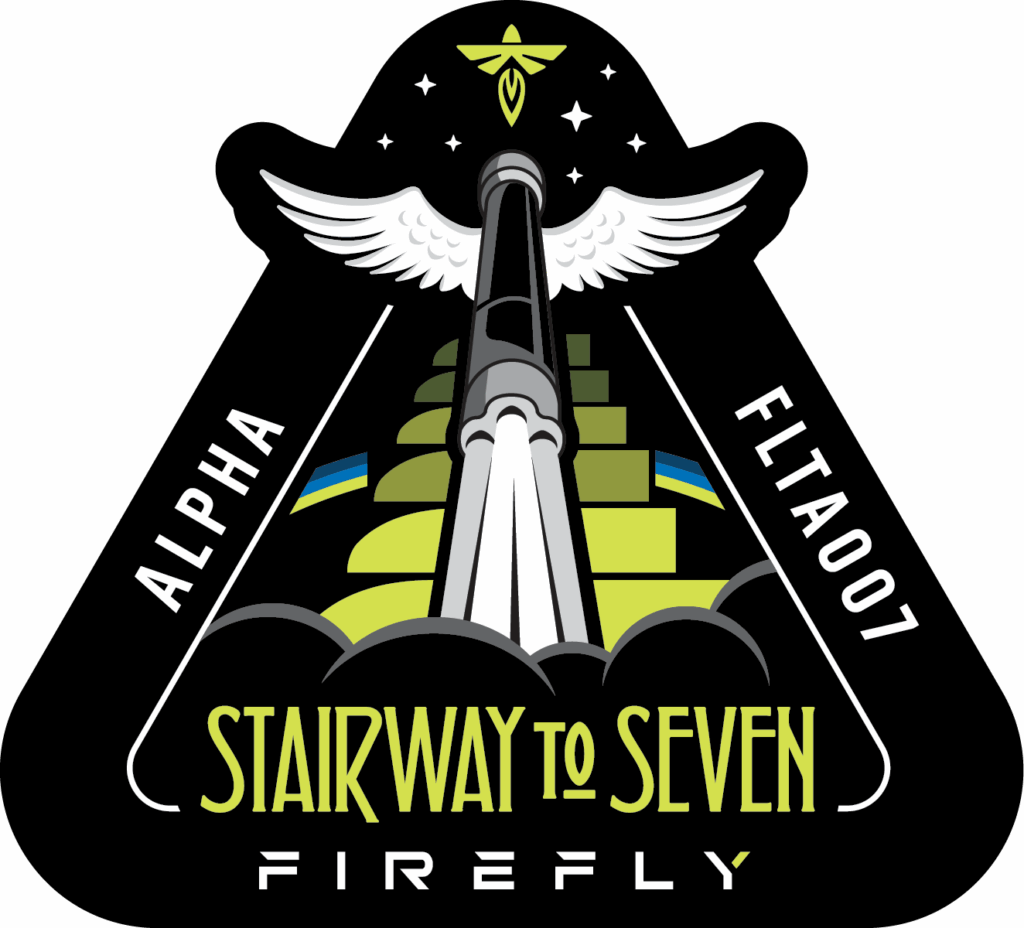
Firefly Aerospace is returning its Alpha launch vehicle to flight after a nearly 10-month stand… The post Firefly Alpha FLTA007 “Stairway to Seven” ready fo...
ArticleFirefly Aerospace is returning its Alpha launch vehicle to flight after a nearly 10-month stand… The post Firefly Alpha FLTA007 “Stairway to Seven” set for...
 Article
Following a mishap in April of 2025, Firefly Aerospace is aiming to return its Alpha rocket to launch on the 28th of February.
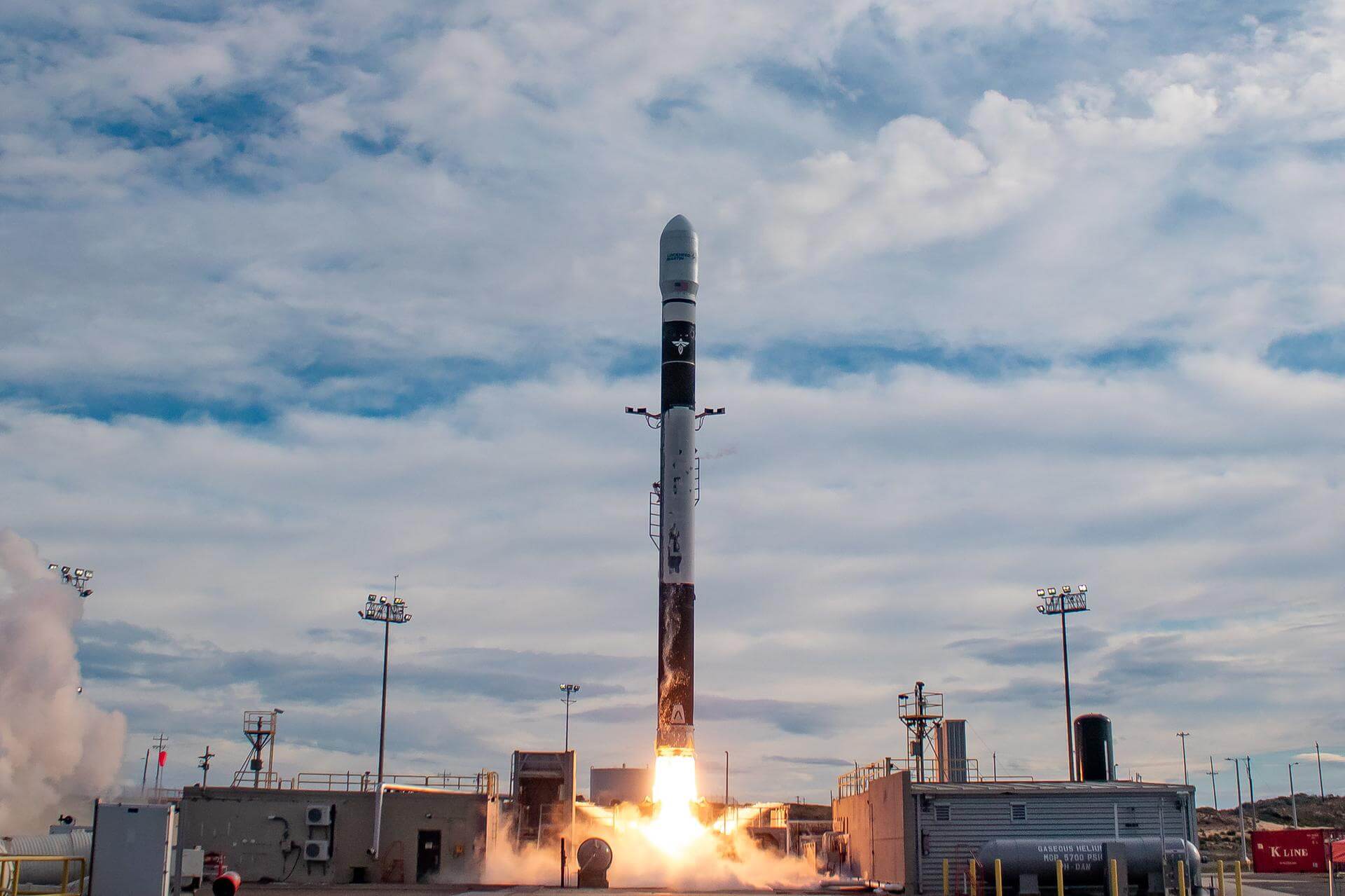
Firefly Alpha's Flight 7 is a test flight and return-To-Flight for the launch vehicle after its April 2025 launch failure. It will test and validate key systems ahead of Firefly’s Block II configuration upgrade on Flight 8 that’s designed to enhance reliability and manufacturability across the vehicle. Flight 7 is the last flown in Alpha’s current configuration and will test multiple Block II subsystems, including the in-house avionics and thermal improvements, to gain flight heritage and validate lessons learned ahead of the full configuration upgrade on Flight 8. This launch also delivered a demonstrator payload for Lockheed Martin.
Alternate mission URLs consolidate to this canonical launch record so exact mission timing, status, media, and source context stay on one page.
Use these internal paths to move from this exact launch record into the provider, vehicle, launch-site, schedule, and mission-family pages that own broader context.
This launch currently has no dedicated mission-family hub, so provider, vehicle, site, and canonical record links are the primary internal paths.
Key structured fields for this launch record are grouped here so the page answers mission, payload, orbit, provider, source, and timing questions before the deeper tracking and media sections.
This record is preserved as historical launch context. The page emphasizes what was launched, the vehicle and pad involved, published outcome/status fields, linked programs, and source records instead of treating the mission like an upcoming countdown.
Open the launch pad in Google Maps satellite mode using the pad coordinates.
Firefly Alpha's Flight 7 is a test flight and return-To-Flight for the launch vehicle after its April 2025 launch failure. It will test and validate key systems ahead of Firefly’s Block II configuration upgrade on Flight 8 that’s designed to enhance reliability and manufacturability across the vehicle. Flight 7 is the last flown in Alpha’s current configuration and will test multiple Block II subsystems, including the in-house avionics and thermal improvements, to gain flight heritage and validate lessons learned ahead of the full configuration upgrade on Flight 8. This launch also delivered a demonstrator payload for Lockheed Martin.
Firefly Alpha (Firefly α) is a two-stage orbital expendable launch vehicle developed by the American aerospace company Firefly Aerospace to cover the commercial small satellite launch market. Alpha is intended to provide launch options for both full vehicle and ride share customers.
Firefly Aerospace is an American private aerospace firm based in Austin, Texas, that develops small and medium-sized launch vehicles for commercial launches to orbit.
9eb5bf5bb3dfbbf66f7df03dafe75bbf13d8961da12b913b5176546e5f0ab2e6Provider, rocket, pad, and booster history tied to this launch.
A launch-area reference planning index. Use your location for a viewpoint-specific result.
This launch is waiting for a current solar-geometry calculation. The previous result is not shown because launch timing and sunlight geometry may have changed.
This is a planning index, not a percent chance. Higher means the modeled viewing setup is stronger.
If needed, your browser asks permission only after you choose this. The launch-area result is not a forecast for your viewpoint.
This launch is waiting for a current solar-geometry calculation. The previous result is not shown because launch timing and sunlight geometry may have changed.
This outlook evaluates whether a broad, sunlit ascent plume could stand out. It does not yet predict whether a specific vehicle will produce one, and an unfavorable plume outlook does not mean the rocket itself will be invisible.
Temporary flight restrictions and NOTAM matches tied to this launch.
Advisory data is informational. Confirm operational constraints with official FAA publications.