
Loading photos...
Loading mission resources...
Loading related events...
Loading vehicle timeline...
Loading related news...
TMinusZero
Loading
Preparing the latest launch data.
Launch Detail
Loading launch detail
Pulling launch timing, vehicle context, weather signals, and mission evidence.
Launch detail
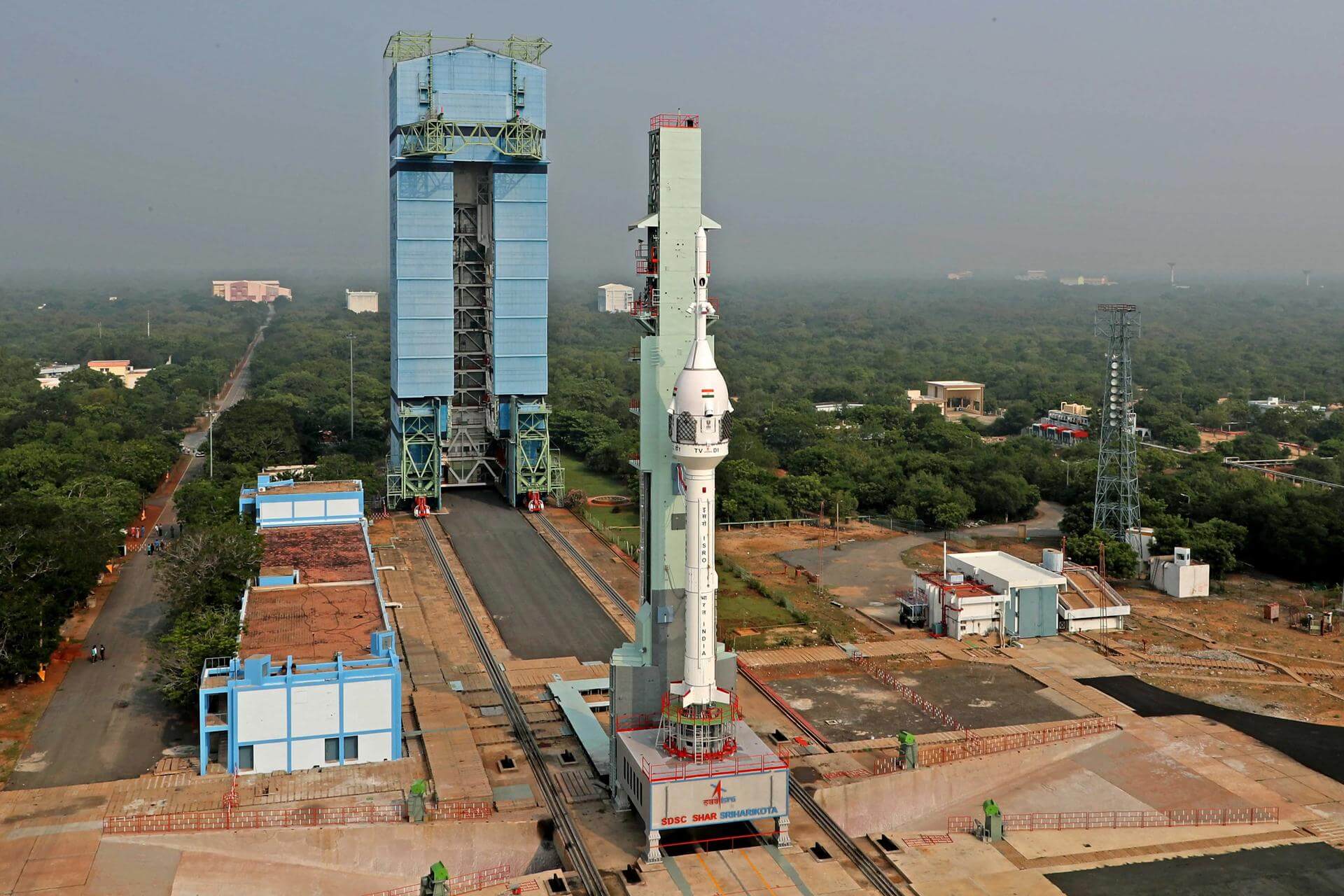
Indian Space Research Organization • Gaganyaan Abort Test Booster • Satish Dhawan Space Centre First Launch Pad (IN-AP)
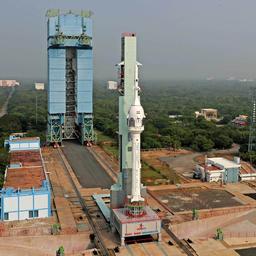
Indian Space Research Organization • Gaganyaan Abort Test Booster • Satish Dhawan Space Centre First Launch Pad
Top answer
The second inflight abort test of the Gaganyaan program.
Last refreshed: Mar 25, 2026, 10:09 AM GMT+5:30. T-Minus Zero keeps this as the canonical launch record and reconciles schedule, mission, payload, media, and provider signals when those records are available.
Alternate mission URLs consolidate to this canonical launch record so exact mission timing, status, media, and source context stay on one page.
Premium keeps the launch-by-launch change log visible so you can review slips, window edits, and status changes without waiting for an error-driven upgrade prompt.
Free-to-share photography matched to this launch. Tap a photo to view it at full resolution.
Provider, rocket, pad, and booster history tied to this launch.
The second inflight abort test of the Gaganyaan program.
Use these internal paths to move from this exact launch record into the provider, vehicle, launch-site, schedule, and mission-family pages that own broader context.
This launch currently has no dedicated mission-family hub, so provider, vehicle, site, and canonical record links are the primary internal paths.
Key structured fields for this launch record are grouped here so the page answers mission, payload, orbit, provider, source, and timing questions before the deeper tracking and media sections.
Open the launch pad in Google Maps satellite mode using the pad coordinates.
The second inflight abort test of the Gaganyaan program.
The Indian Space Research Organisation (ISRO) is the space agency of the Government of India headquartered in the city of Bangalore. Its vision is to "harness space technology for national development while pursuing space science research and planetary exploration."
Payload and object details are usually published 1–2 days after launch.