

Loading photos...
Loading mission resources...
Loading related events...
Loading vehicle timeline...
Loading related news...
TMinusZero
Loading
Preparing the latest launch data.
Launch Detail
Loading launch detail
Pulling launch timing, vehicle context, weather signals, and mission evidence.
Launch detail
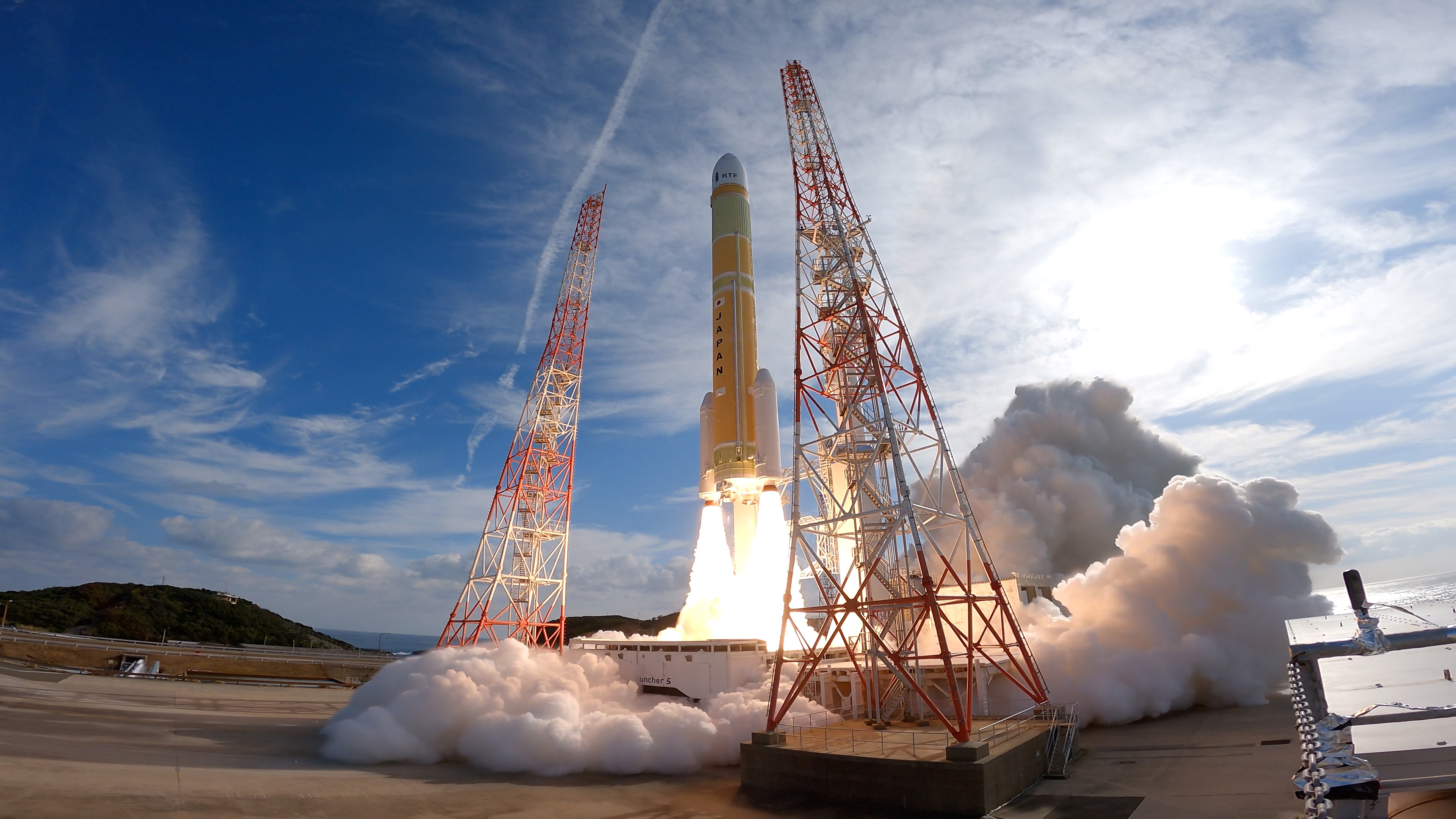
Mitsubishi Heavy Industries • H3-22 • Yoshinobu Launch Complex LP-2 (JP-46)
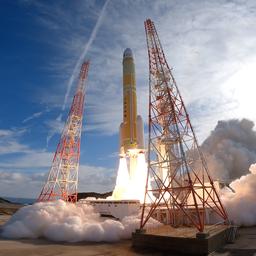
Top answer
The Engineering Test Satellite 9 (ETS-9) is a JAXA project aimed to develop an advanced satellite bus, or common model, for various high-throughput satellites (HTS) for communications. The new satellite bus by Mitsubishi Electric will focus specifically on advanced communication needs: - Up to 25kW of power to support HTS communications - Light mass, all-electric bus system achieved with 6kW high-power Hall thrust...
Last refreshed: Dec 10, 2024, 11:11 PM GMT+9. T-Minus Zero keeps this as the canonical launch record and reconciles schedule, mission, payload, media, and provider signals when those records are available.
Alternate mission URLs consolidate to this canonical launch record so exact mission timing, status, media, and source context stay on one page.
Premium keeps the launch-by-launch change log visible so you can review slips, window edits, and status changes without waiting for an error-driven upgrade prompt.
Free-to-share photography matched to this launch. Tap a photo to view it at full resolution.
The Engineering Test Satellite 9 (ETS-9) is a JAXA project aimed to develop an advanced satellite bus, or common model, for various high-throughput satellites (HTS) for communications. The new satellite bus by Mitsubishi Electric will focus specifically on advanced communication needs: - Up to 25kW of power to support HTS communications - Light mass, all-electric bus system achieved with 6kW high-power Hall thrusters (Japan-made). - High-power Hall thrusters significantly shorten delivery of orbiting satellite compared to other manufacturer’s 4.5kW-class electric-propulsion bus systems - The first Japanese geostationary satellite equipped with GPS receivers (Japan-made) for laborsaving autonomous orbital transfer and orbital maneuvering.
Use these internal paths to move from this exact launch record into the provider, vehicle, launch-site, schedule, and mission-family pages that own broader context.
This launch currently has no dedicated mission-family hub, so provider, vehicle, site, and canonical record links are the primary internal paths.
Some high-demand launch records carry specialized search intent. These profiles explain what can be verified from the published record without filling gaps that upstream sources have not published.
Payload and orbit evidence is shown from published launch, payload, mission, and source-link records so the page can answer spacecraft, customer, orbit, provider, and schedule intent.
Key structured fields for this launch record are grouped here so the page answers mission, payload, orbit, provider, source, and timing questions before the deeper tracking and media sections.
Open the launch pad in Google Maps satellite mode using the pad coordinates.
The Engineering Test Satellite 9 (ETS-9) is a JAXA project aimed to develop an advanced satellite bus, or common model, for various high-throughput satellites (HTS) for communications. The new satellite bus by Mitsubishi Electric will focus specifically on advanced communication needs: - Up to 25kW of power to support HTS communications - Light mass, all-electric bus system achieved with 6kW high-power Hall thrusters (Japan-made). - High-power Hall thrusters significantly shorten delivery of orbiting satellite compared to other manufacturer’s 4.5kW-class electric-propulsion bus systems - The first Japanese geostationary satellite equipped with GPS receivers (Japan-made) for laborsaving autonomous orbital transfer and orbital maneuvering.
The H3 Launch Vehicle is a Japanese expendable launch system. Each H3 booster configuration has a two-digit and a letter designation that indicates the features of that configuration. The first digit represents the number of LE-9 engines on the main stage, either "2" or "3". The second digit indicates the number of SRB-3 solid rocket boosters attached to the base of the rocket, and can be "0", "2" or "4". All layouts of solid boosters are symmetrical. The letter in the end shows the length of the payload fairing, either short "S" or long "L". For example, an H3-24L has two engines, four solid rocket boosters, and a long fairing, whereas an H3-30S has three engines, no solid rocket boosters, and a short fairing.
Mitsubishi Heavy Industries, Ltd. is a Japanese multinational engineering, electrical equipment and electronics company headquartered in Tokyo, Japan. MHI is one of the core companies of the Mitsubishi Group. MHI's products include aerospace components, air conditioners, aircraft, automotive components, forklift trucks, hydraulic equipment, machine tools, missiles, power generation equipment, printing machines, ships and space launch vehicles. Through its defense-related activities, it is the world's 23rd-largest defense contractor measured by 2011 defense revenues and the largest based in Japan.
Payload and object details are usually published 1–2 days after launch.
Provider, rocket, pad, and booster history tied to this launch.