
Cape Canaveral, FL, Friday, July 3, 2026 Local
Expiredambiguousconfidence 50%6/1862
1 shape
FL
Window
Jul 02, 2026, 8:00 PM EDT to Jul 03, 2026, 8:00 PM EDT
Details
ZMA • SPACE OPERATIONS
TMinusZero
Loading
Preparing the latest launch data.
Launch Detail
Loading launch detail
Pulling launch timing, vehicle context, weather signals, and mission evidence.
Launch detail
Northrop Grumman Space Systems • Pegasus XL • Kwajalein Atoll (NA)
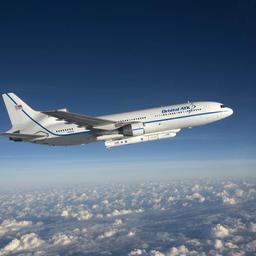
Northrop Grumman Space Systems • Pegasus XL • Kwajalein Atoll
Top answer
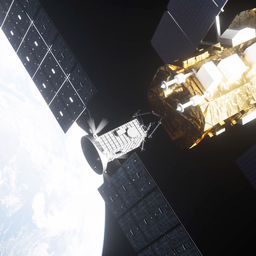
Contracted by NASA under the Small Business Innovation Research Phase 3 contract, Katalyst Space Technologies' LINK servicing spacecraft will rendezvous and attach to NASA’s Neil Gehrels Swift Observatory to re-boost its orbit. This aims to demonstrate a key capability for the future of space exploration and extending the Swift mission’s science lifetime in gamma ray astronomy.
Last refreshed: Jul 03, 2026, 7:47 PM EDT. T-Minus Zero keeps this as the canonical launch record and reconciles schedule, mission, payload, media, and provider signals when those records are available.
Live targets are highlighted across the sequence.
Premium keeps the launch-by-launch change log visible so you can review slips, window edits, and status changes without waiting for an error-driven upgrade prompt.
Free-to-share photography matched to this launch. Tap a photo to view it at full resolution.
 Swift Rescue Mission Patch
Contracted by NASA under the Small Business Innovation Research Phase 3 contract, Katalyst Space Technologies' LINK servicing spacecraft will rendezvous and attach to NASA’s Neil Gehrels Swift Observatory to re-boost its orbit. This aims to demonstrate a key capability for the future of space exploration and extending the Swift mission’s science lifetime in gamma ray astronomy.
Alternate mission URLs consolidate to this canonical launch record so exact mission timing, status, media, and source context stay on one page.
Use these internal paths to move from this exact launch record into the provider, vehicle, launch-site, schedule, and mission-family pages that own broader context.
This launch currently has no dedicated mission-family hub, so provider, vehicle, site, and canonical record links are the primary internal paths.
Key structured fields for this launch record are grouped here so the page answers mission, payload, orbit, provider, source, and timing questions before the deeper tracking and media sections.
This record is preserved as historical launch context. The page emphasizes what was launched, the vehicle and pad involved, published outcome/status fields, linked programs, and source records instead of treating the mission like an upcoming countdown.
Open the launch pad in Google Maps satellite mode using the pad coordinates.
Contracted by NASA under the Small Business Innovation Research Phase 3 contract, Katalyst Space Technologies' LINK servicing spacecraft will rendezvous and attach to NASA’s Neil Gehrels Swift Observatory to re-boost its orbit. This aims to demonstrate a key capability for the future of space exploration and extending the Swift mission’s science lifetime in gamma ray astronomy.
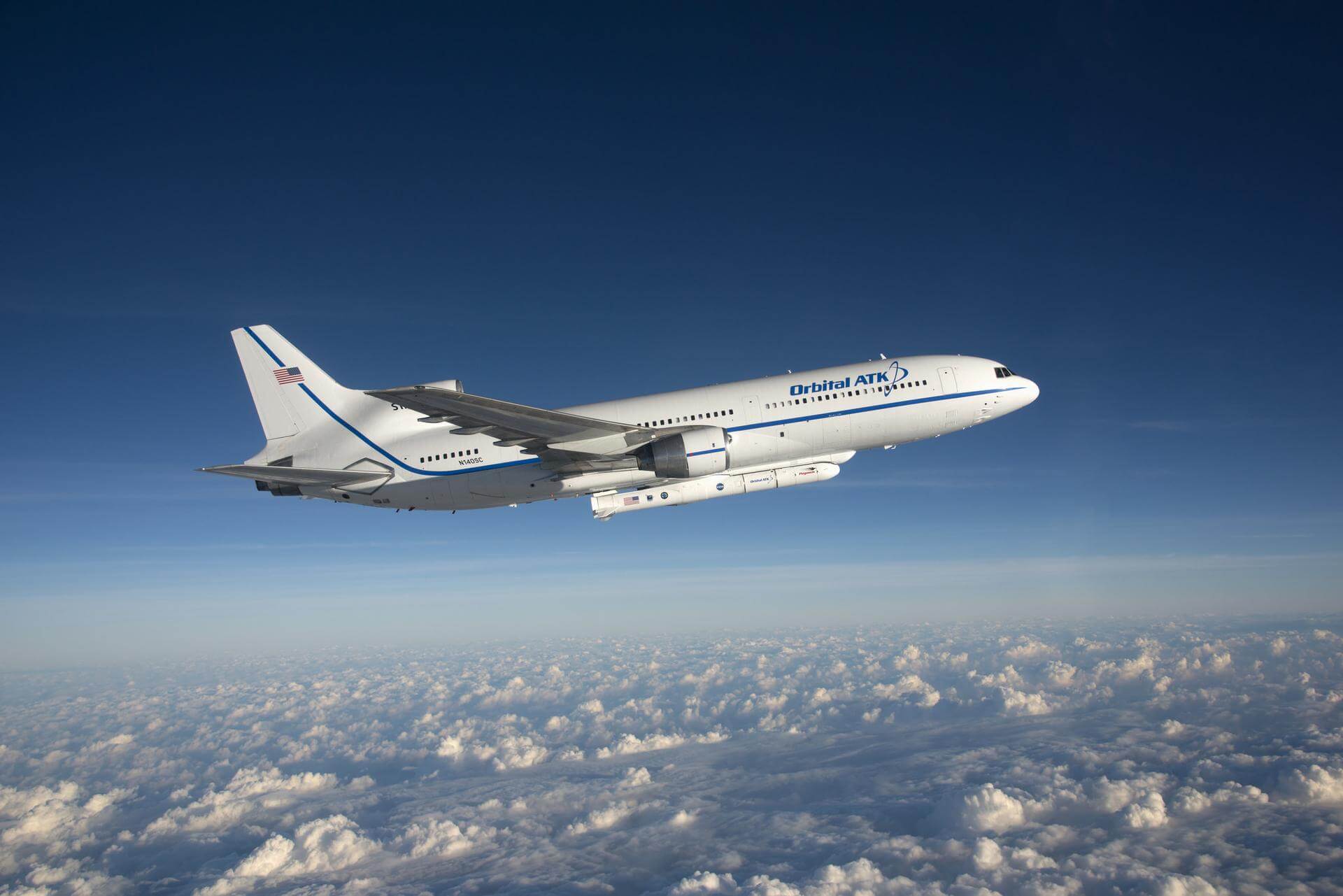
The Pegasus is an air-launched rocket developed by Orbital Sciences Corporation (now part of Northrop Grumman Innovation Systems). Capable of carrying small payloads of up to 443 kilograms (977 lb) into low Earth orbit, the vehicle consists of three solid propellant stages and an optional monopropellant fourth stage. Pegasus is released from its carrier aircraft at approximately 40,000 ft (12,000 m), and its first stage has a wing and a tail to provide lift and attitude control while in the atmosphere.
Northrup Grumman Space Systems designs, builds and delivers space, defence and aviation-related systems to customers around the world. They aquired Orbital ATK in 2018 along with its launchers and ongoing missions.
1954342f2167c1b82f3a16ff45293dab60bea4ef78e461bffc848b788272fac4Linked via Spaceflight News API (SNAPI).
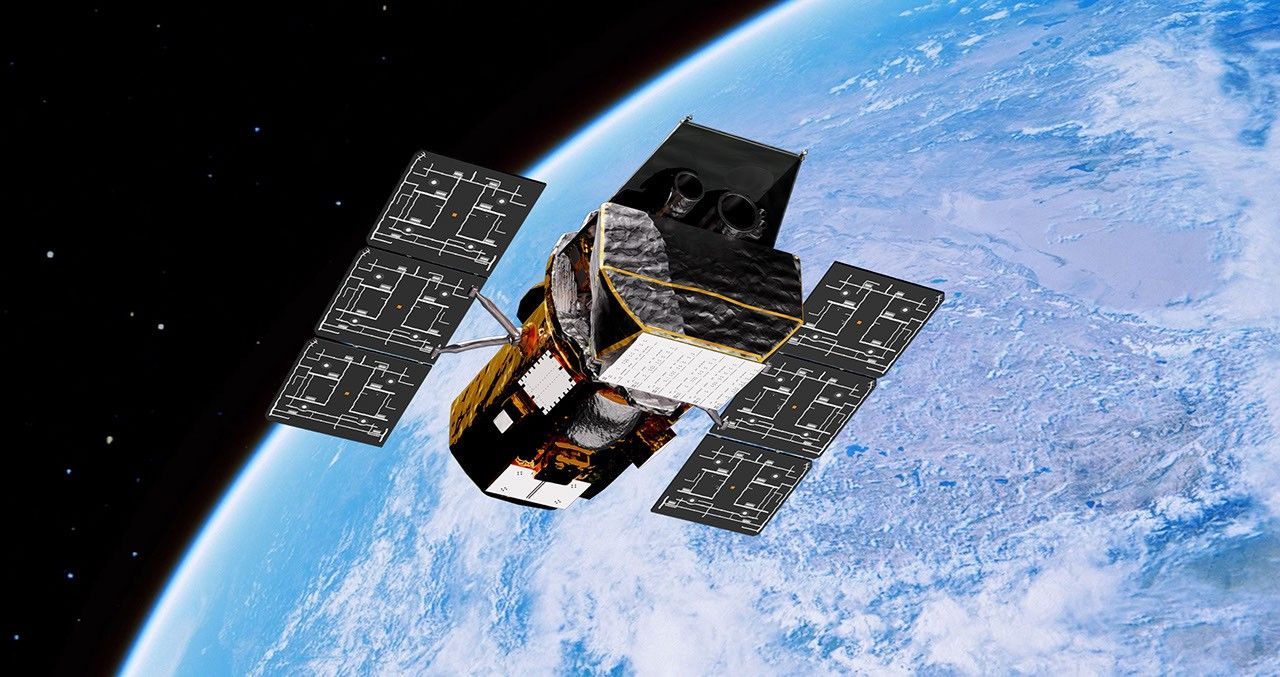 Article
A commercial mission to boost NASA’s Swift observatory concluded without raising the spacecraft’s orbit, but the agency and industry vendor gained valuable e...
 Article
The bold mission to extend the lifetime of NASA’s Swift observatory is coming to an end in the next 24 hours. Almost exactly one year after NASA signed a con...
ArticleKatalyst Space and NASA concluded today that reboosting the Swift Observatory with Katalyst’s LINK spacecraft will not be possible due to attitude control pr...
 Article
Katalyst Space and NASA have called off plans to use the company’s Link spacecraft to raise the orbit of the agency’s Swift gamma-ray observatory, citing att...
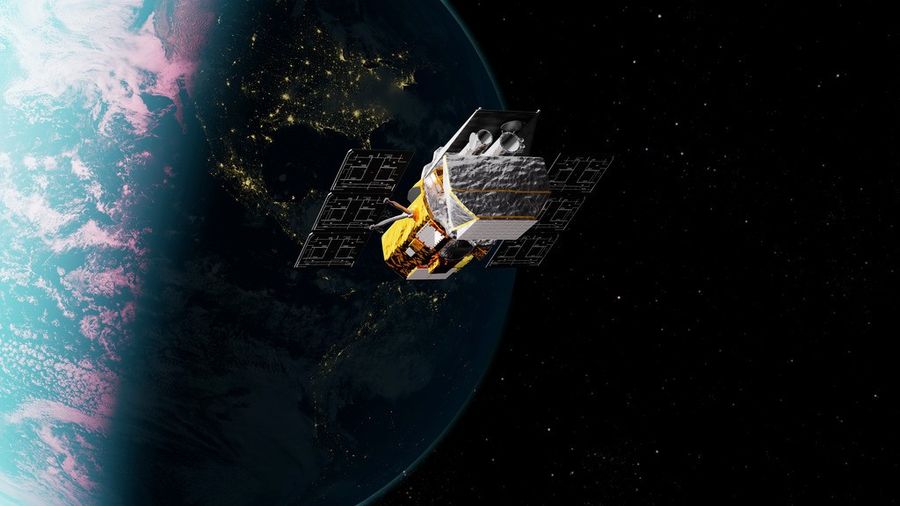 Article
Due to an ongoing commercial spacecraft attitude control issue, NASA and Katalyst Space announced Wednesday the LINK spacecraft will not capture or boost an...
 Article
The company that developed a spacecraft to boost the orbit of a NASA observatory says it is making progress in recovering from its own spacecraft’s problems....
Provider, rocket, pad, and booster history tied to this launch.
A launch-area reference planning index. Use your location for a viewpoint-specific result.
This launch is waiting for a current solar-geometry calculation. The previous result is not shown because launch timing and sunlight geometry may have changed.
This is a planning index, not a percent chance. Higher means the modeled viewing setup is stronger.
If needed, your browser asks permission only after you choose this. The launch-area result is not a forecast for your viewpoint.
This launch is waiting for a current solar-geometry calculation. The previous result is not shown because launch timing and sunlight geometry may have changed.
This outlook evaluates whether a broad, sunlit ascent plume could stand out. It does not yet predict whether a specific vehicle will produce one, and an unfavorable plume outlook does not mean the rocket itself will be invisible.
Temporary flight restrictions and NOTAM matches tied to this launch.
Advisory data is informational. Confirm operational constraints with official FAA publications.