Live coverage
Stream links and embedded coverage.
TMinusZero
Loading
Preparing the latest launch data.
Launch Detail
Loading launch detail
Pulling launch timing, vehicle context, weather signals, and mission evidence.
Launch detail
International Launch Services • Proton-M Briz-M • 200/39 (200L) (NA)

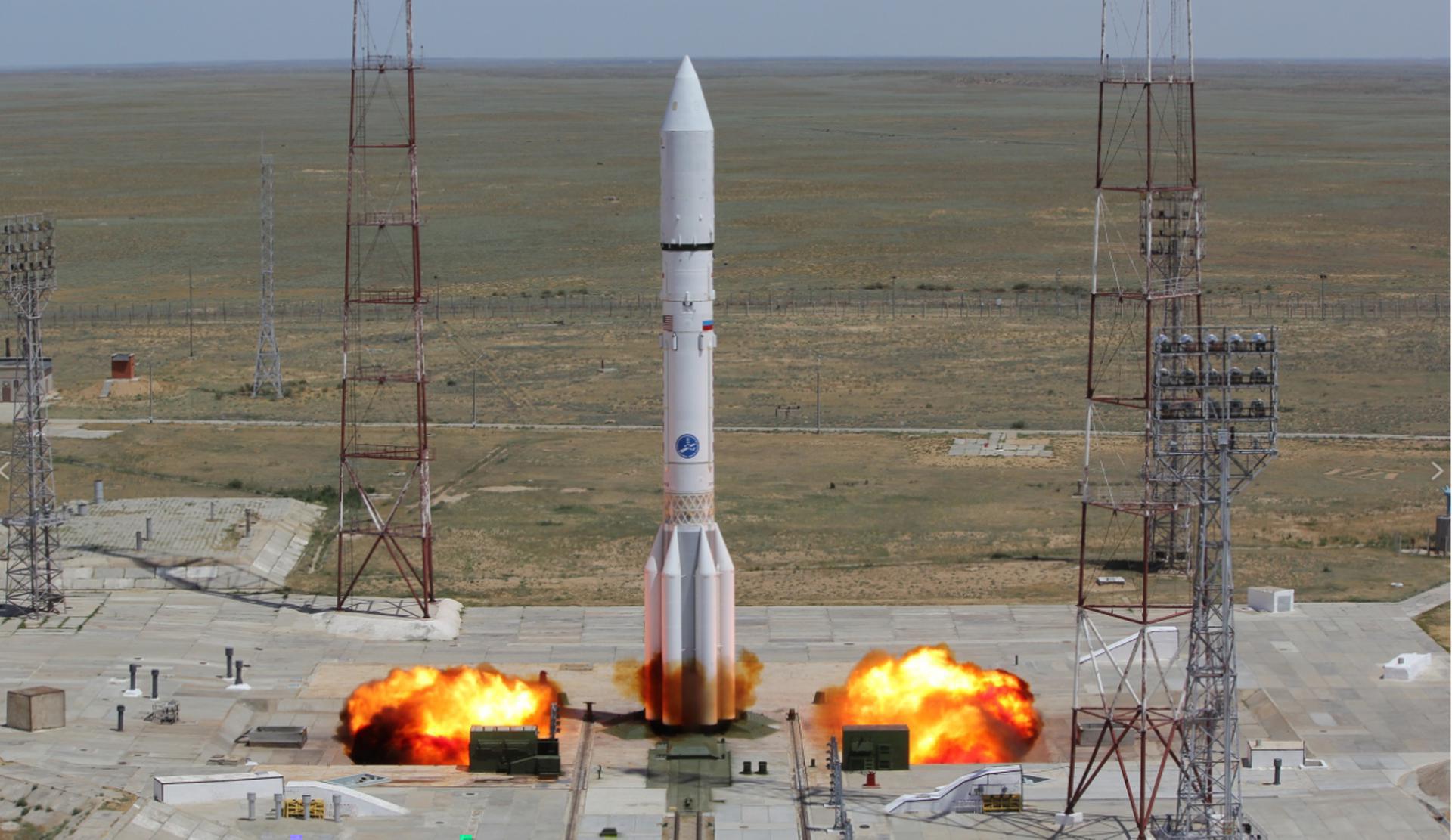
International Launch Services • Proton-M Briz-M • 200/39 (200L)
Top answer
Eutelsat 5 West B will replace the Ku-band capacity of Eutelsat 5 West A (formerly Stellat 5) satellite, a key digital infrastructure addressing predominantly French, Italian and Algerian broadcast markets. Eutelsat 5 West B will provide business continuity and improved quality for these services via a Ku-band payload. The satellite is built on Orbital ATKs GEOStar-2e bus and carries 35 equivalent 36 MHz Ku-band t...
Last refreshed: Jun 14, 2023, 8:35 AM GMT+5. T-Minus Zero keeps this as the canonical launch record and reconciles schedule, mission, payload, media, and provider signals when those records are available.
Stream links and embedded coverage.
Premium keeps the launch-by-launch change log visible so you can review slips, window edits, and status changes without waiting for an error-driven upgrade prompt.
Free-to-share photography matched to this launch. Tap a photo to view it at full resolution.
Linked via Spaceflight News API (SNAPI).
Article
Article
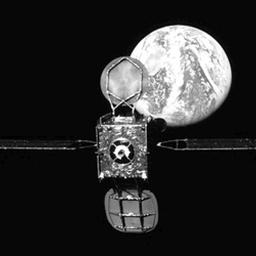
ArticleEutelsat 5 West B will replace the Ku-band capacity of Eutelsat 5 West A (formerly Stellat 5) satellite, a key digital infrastructure addressing predominantly French, Italian and Algerian broadcast markets. Eutelsat 5 West B will provide business continuity and improved quality for these services via a Ku-band payload. The satellite is built on Orbital ATKs GEOStar-2e bus and carries 35 equivalent 36 MHz Ku-band transponders connected to three service areas. Switchable transponders will also increase commercial flexibility. Co-passenger on this flight will be provided Northrop Grumman Innovation Systems. MEV-1 (Mission Extension Vehicle-1) incorporates flight-proven technologies the company has used in its commercial satellite and space logistics businesses. After successfully completing a series of in-orbit tests, the MEV-1 will begin its mission extension service for Intelsat-901 satellite in the graveyard orbit. MEV-1 will relocate the satellite scheduled for the mission extension service, which is planned for a five-year period, after which Intelsat 901 will be place back into graveyard orbit. Intelsat will also have the option to service multiple satellites using the same MEV. MEV-1 is based on the company’s GEOStar-3 spacecraft bus platform. Controlled by the company’s satellite operations team, the MEV-1 uses a reliable, low-risk docking system that attaches to existing features on a customer’s satellite. The MEV-1 provides life-extending services by taking over the propulsion and attitude control functions. The vehicle has a 15-year design life with the ability to perform numerous dockings and undockings during its life span.

Alternate mission URLs consolidate to this canonical launch record so exact mission timing, status, media, and source context stay on one page.
Use these internal paths to move from this exact launch record into the provider, vehicle, launch-site, schedule, and mission-family pages that own broader context.
This launch currently has no dedicated mission-family hub, so provider, vehicle, site, and canonical record links are the primary internal paths.
Some high-demand launch records carry specialized search intent. These profiles explain what can be verified from the published record without filling gaps that upstream sources have not published.
Payload and orbit evidence is shown from published launch, payload, mission, and source-link records so the page can answer spacecraft, customer, orbit, provider, and schedule intent.
Key structured fields for this launch record are grouped here so the page answers mission, payload, orbit, provider, source, and timing questions before the deeper tracking and media sections.
This record is preserved as historical launch context. The page emphasizes what was launched, the vehicle and pad involved, published outcome/status fields, linked programs, and source records instead of treating the mission like an upcoming countdown.
Open the launch pad in Google Maps satellite mode using the pad coordinates.
Eutelsat 5 West B will replace the Ku-band capacity of Eutelsat 5 West A (formerly Stellat 5) satellite, a key digital infrastructure addressing predominantly French, Italian and Algerian broadcast markets. Eutelsat 5 West B will provide business continuity and improved quality for these services via a Ku-band payload. The satellite is built on Orbital ATKs GEOStar-2e bus and carries 35 equivalent 36 MHz Ku-band transponders connected to three service areas. Switchable transponders will also increase commercial flexibility. Co-passenger on this flight will be provided Northrop Grumman Innovation Systems. MEV-1 (Mission Extension Vehicle-1) incorporates flight-proven technologies the company has used in its commercial satellite and space logistics businesses. After successfully completing a series of in-orbit tests, the MEV-1 will begin its mission extension service for Intelsat-901 satellite in the graveyard orbit. MEV-1 will relocate the satellite scheduled for the mission extension service, which is planned for a five-year period, after which Intelsat 901 will be place back into graveyard orbit. Intelsat will also have the option to service multiple satellites using the same MEV. MEV-1 is based on the company’s GEOStar-3 spacecraft bus platform. Controlled by the company’s satellite operations team, the MEV-1 uses a reliable, low-risk docking system that attaches to existing features on a customer’s satellite. The MEV-1 provides life-extending services by taking over the propulsion and attitude control functions. The vehicle has a 15-year design life with the ability to perform numerous dockings and undockings during its life span.
International Launch Services, Inc. (ILS) is a joint venture with exclusive rights to the worldwide sale of commercial Angara and Proton rocket launch services. Proton launches take place at the Baikonur Cosmodrome in Kazakhstan while Angara is planned to launch from the Plesetsk and Vostochny Cosmodromes in Russia.
c703f4871e655b651d31bb97e42c1b5246a5ab946cddc8fc297649db1e36fa1bProvider, rocket, pad, and booster history tied to this launch.