
Loading photos...
Loading mission resources...
Watch
Live coverage
Stream links and embedded coverage.
Loading related events...
Loading vehicle timeline...
Loading related news...
TMinusZero
Loading
Preparing the latest launch data.
Launch Detail
Loading launch detail
Pulling launch timing, vehicle context, weather signals, and mission evidence.
Launch detail
Indian Space Research Organization • PSLV XL • Satish Dhawan Space Centre First Launch Pad (IN-AP)
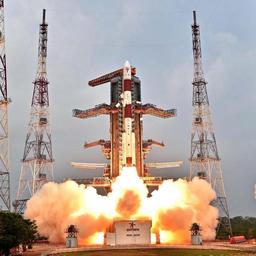
Indian Space Research Organization • PSLV XL • Satish Dhawan Space Centre First Launch Pad
Top answer
RISAT-1B is the third in the series of radar imaging RISAT-1 satellites of ISRO using an active C-band SAR (Synthetic Aperture Radar), providing all-weather as well as the day-and-night SAR observation capability in applications such as agriculture, forestry, soil moisture, geology, sea ice, coastal monitoring, object identification, and flood monitoring, in addition to military surveillance. The RISAT-1 series is...
Last refreshed: May 18, 2025, 6:18 AM GMT+5:30. T-Minus Zero keeps this as the canonical launch record and reconciles schedule, mission, payload, media, and provider signals when those records are available.
Live targets are highlighted across the sequence.
Stream links and embedded coverage.
Premium keeps the launch-by-launch change log visible so you can review slips, window edits, and status changes without waiting for an error-driven upgrade prompt.
Free-to-share photography matched to this launch. Tap a photo to view it at full resolution.
Linked via Spaceflight News API (SNAPI).
 Article
An Indian launch of a radar imaging satellite failed May 17 when a problem with the third stage prevented the payload from reaching orbit. The post PSLV lau...
 Article
On the heels of a busy April, activity is ramping up for May with launches… The post Launch Roundup: Orbital launches from five countries planned appeared f...
RISAT-1B is the third in the series of radar imaging RISAT-1 satellites of ISRO using an active C-band SAR (Synthetic Aperture Radar), providing all-weather as well as the day-and-night SAR observation capability in applications such as agriculture, forestry, soil moisture, geology, sea ice, coastal monitoring, object identification, and flood monitoring, in addition to military surveillance. The RISAT-1 series is developed, manufactured and integrated by ISRO. The 3-axis stabilized spacecraft bus consists of a hexagonal prism shape build around a central cylinder. Most of the spacecraft subsystems and the payload are integrated in the prism structure and the central cylinder. The solar panels and some subsystems are mounted on the cube-shaped section of the spacecraft.
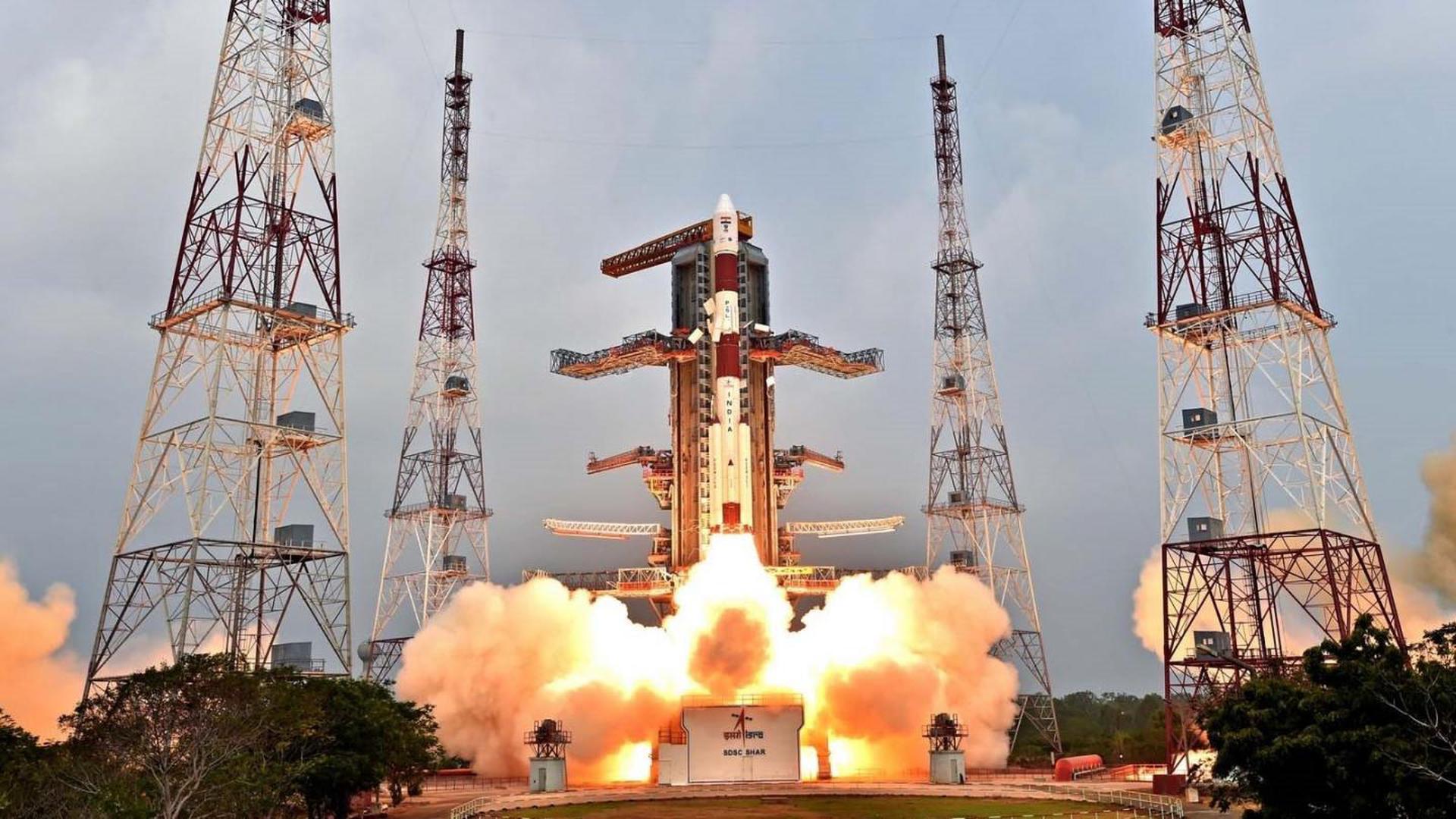
Alternate mission URLs consolidate to this canonical launch record so exact mission timing, status, media, and source context stay on one page.
Use these internal paths to move from this exact launch record into the provider, vehicle, launch-site, schedule, and mission-family pages that own broader context.
This launch currently has no dedicated mission-family hub, so provider, vehicle, site, and canonical record links are the primary internal paths.
Key structured fields for this launch record are grouped here so the page answers mission, payload, orbit, provider, source, and timing questions before the deeper tracking and media sections.
This record is preserved as historical launch context. The page emphasizes what was launched, the vehicle and pad involved, published outcome/status fields, linked programs, and source records instead of treating the mission like an upcoming countdown.
Open the launch pad in Google Maps satellite mode using the pad coordinates.
RISAT-1B is the third in the series of radar imaging RISAT-1 satellites of ISRO using an active C-band SAR (Synthetic Aperture Radar), providing all-weather as well as the day-and-night SAR observation capability in applications such as agriculture, forestry, soil moisture, geology, sea ice, coastal monitoring, object identification, and flood monitoring, in addition to military surveillance. The RISAT-1 series is developed, manufactured and integrated by ISRO. The 3-axis stabilized spacecraft bus consists of a hexagonal prism shape build around a central cylinder. Most of the spacecraft subsystems and the payload are integrated in the prism structure and the central cylinder. The solar panels and some subsystems are mounted on the cube-shaped section of the spacecraft.
PSLV-XL is the upgraded version of Polar Satellite Launch Vehicle in its standard configuration boosted by more powerful, stretched strap-on boosters with 12 tonne propellant load. Weighing 320t at lift-off, the vehicle uses larger strap-on motors (PSOM-XL or S12) to achieve higher payload capability. On 29 December 2005, ISRO successfully tested the improved version of strap-on booster for the PSLV. The first use of PSLV-XL was the launch of Chandrayaan-1 by PSLV C11. The payload capability for this variant is 1,800 kg to SSO.
The Indian Space Research Organisation (ISRO) is the space agency of the Government of India headquartered in the city of Bangalore. Its vision is to "harness space technology for national development while pursuing space science research and planetary exploration."
Provider, rocket, pad, and booster history tied to this launch.