Loading photos...
Loading mission resources...
Loading related events...
Loading vehicle timeline...
Loading related news...
TMinusZero
Loading
Preparing the latest launch data.
Launch Detail
Loading launch detail
Pulling launch timing, vehicle context, weather signals, and mission evidence.
Launch detail
Eurockot Launch Services • Rokot/Briz-KM • 133/3 (133L) (RU-ARK)
Top answer
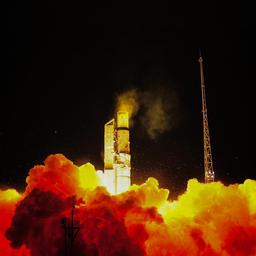
CryoSat-1 was launched from the Plesetsk Cosmodrome in Russia on October 8, 2005, using a Rockot launcher. (Rockot is a modified SS-19 rocket which was originally an ICBM designed to deliver nuclear weapons, but which Russia is now eliminating in accordance with the START treaties.) According to Mr. Yuri Bakhvalov, First Deputy Director General of the Khrunichev Space Centre, when the automatic command to switch o...
Last refreshed: Jun 14, 2023, 6:31 AM GMT+3. T-Minus Zero keeps this as the canonical launch record and reconciles schedule, mission, payload, media, and provider signals when those records are available.
Premium keeps the launch-by-launch change log visible so you can review slips, window edits, and status changes without waiting for an error-driven upgrade prompt.
Free-to-share photography matched to this launch. Tap a photo to view it at full resolution.
Linked via Spaceflight News API (SNAPI).
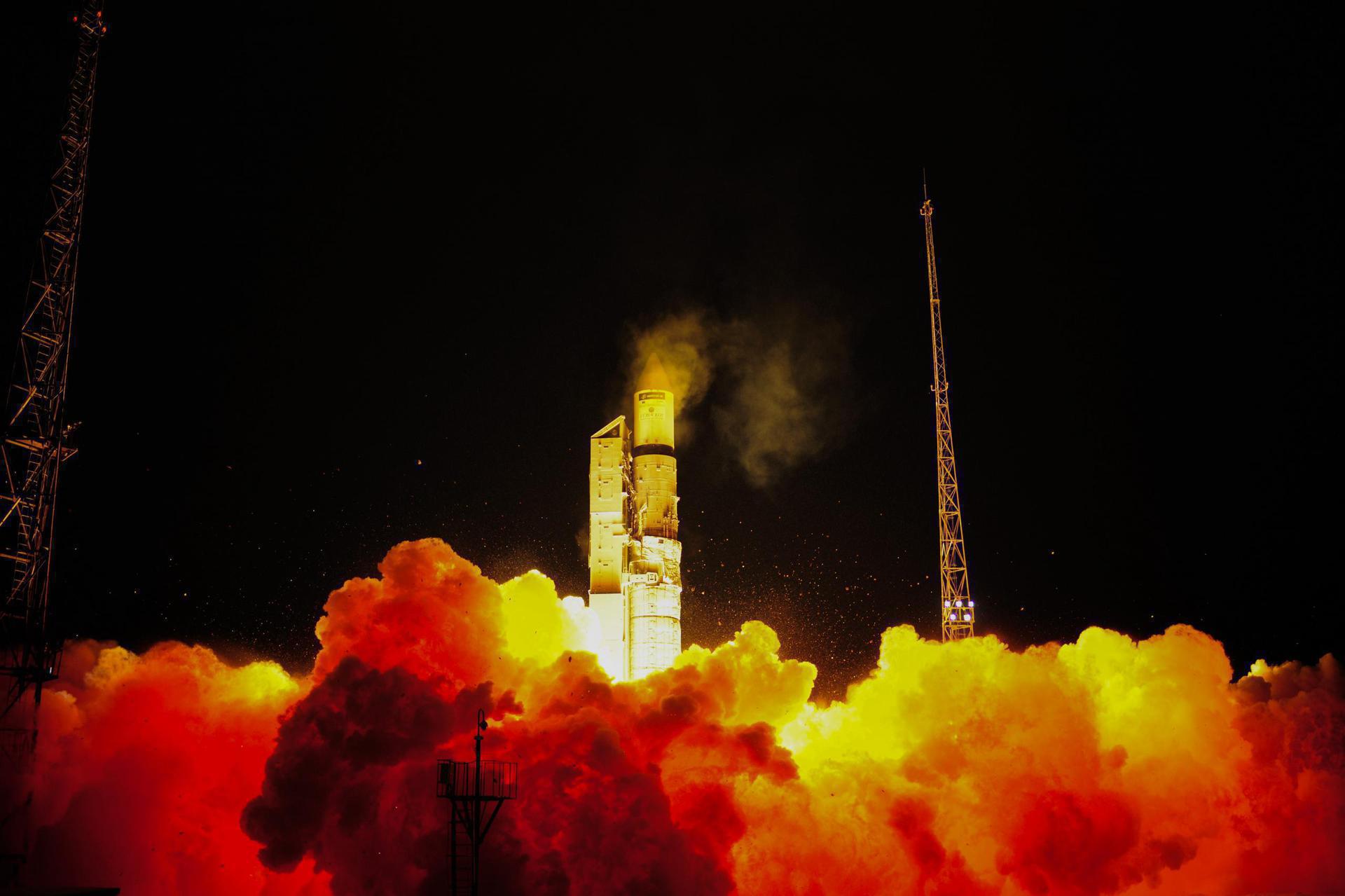
CryoSat-1 was launched from the Plesetsk Cosmodrome in Russia on October 8, 2005, using a Rockot launcher. (Rockot is a modified SS-19 rocket which was originally an ICBM designed to deliver nuclear weapons, but which Russia is now eliminating in accordance with the START treaties.) According to Mr. Yuri Bakhvalov, First Deputy Director General of the Khrunichev Space Centre, when the automatic command to switch off the second stage engine did not take effect, the second stage continued to operate until it ran out of fuel and as a consequence the planned separation of the third (Breeze-KM) stage of the rocket which carried the CryoSat satellite did not take place, and would thus have remained attached to the second stage. The upper rocket stages, together with the satellite, probably crashed in the Lincoln Sea. Analysis of the error revealed that it was caused by faults in the programming of the rocket, which had not been detected in simulations.
Alternate mission URLs consolidate to this canonical launch record so exact mission timing, status, media, and source context stay on one page.
Use these internal paths to move from this exact launch record into the provider, vehicle, launch-site, schedule, and mission-family pages that own broader context.
This launch currently has no dedicated mission-family hub, so provider, vehicle, site, and canonical record links are the primary internal paths.
Key structured fields for this launch record are grouped here so the page answers mission, payload, orbit, provider, source, and timing questions before the deeper tracking and media sections.
This record is preserved as historical launch context. The page emphasizes what was launched, the vehicle and pad involved, published outcome/status fields, linked programs, and source records instead of treating the mission like an upcoming countdown.
Open the launch pad in Google Maps satellite mode using the pad coordinates.
CryoSat-1 was launched from the Plesetsk Cosmodrome in Russia on October 8, 2005, using a Rockot launcher. (Rockot is a modified SS-19 rocket which was originally an ICBM designed to deliver nuclear weapons, but which Russia is now eliminating in accordance with the START treaties.) According to Mr. Yuri Bakhvalov, First Deputy Director General of the Khrunichev Space Centre, when the automatic command to switch off the second stage engine did not take effect, the second stage continued to operate until it ran out of fuel and as a consequence the planned separation of the third (Breeze-KM) stage of the rocket which carried the CryoSat satellite did not take place, and would thus have remained attached to the second stage. The upper rocket stages, together with the satellite, probably crashed in the Lincoln Sea. Analysis of the error revealed that it was caused by faults in the programming of the rocket, which had not been detected in simulations.
Eurockot Launch Services GmbH is a commercial spacecraft launch provider and was founded in 1995. Eurockot uses an expendable launch vehicle called the Rockot to place satellites into low Earth orbit (LEO). Eurockot is jointly owned by ArianeGroup, which holds 51 percent, and by Khrunichev State Research and Production Space Center, which holds 49 percent. Eurockot launches from dedicated launch facilities at the Plesetsk Cosmodrome in northern Russia.
Provider, rocket, pad, and booster history tied to this launch.