Spacecraft stage
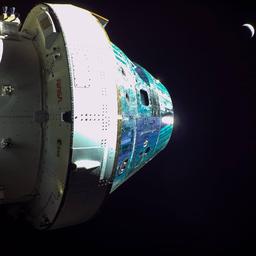
Orion Integrity
Capsule
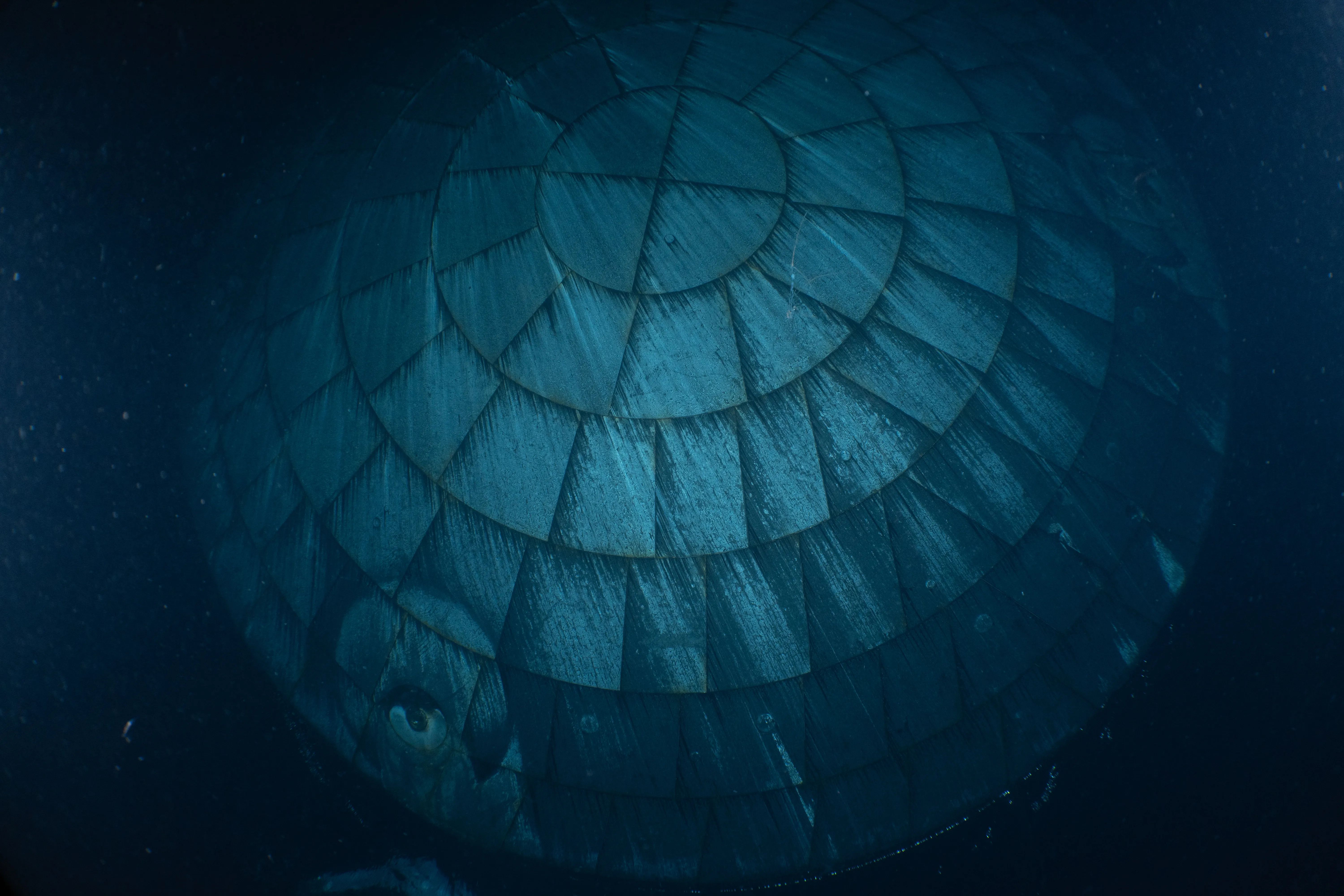
Orion spacecraft used for Artemis 2.
Successful landing • @ Pacific Ocean
TMinusZero
Loading
Preparing the latest launch data.
Launch Detail
Loading launch detail
Pulling launch timing, vehicle context, weather signals, and mission evidence.
Launch detail
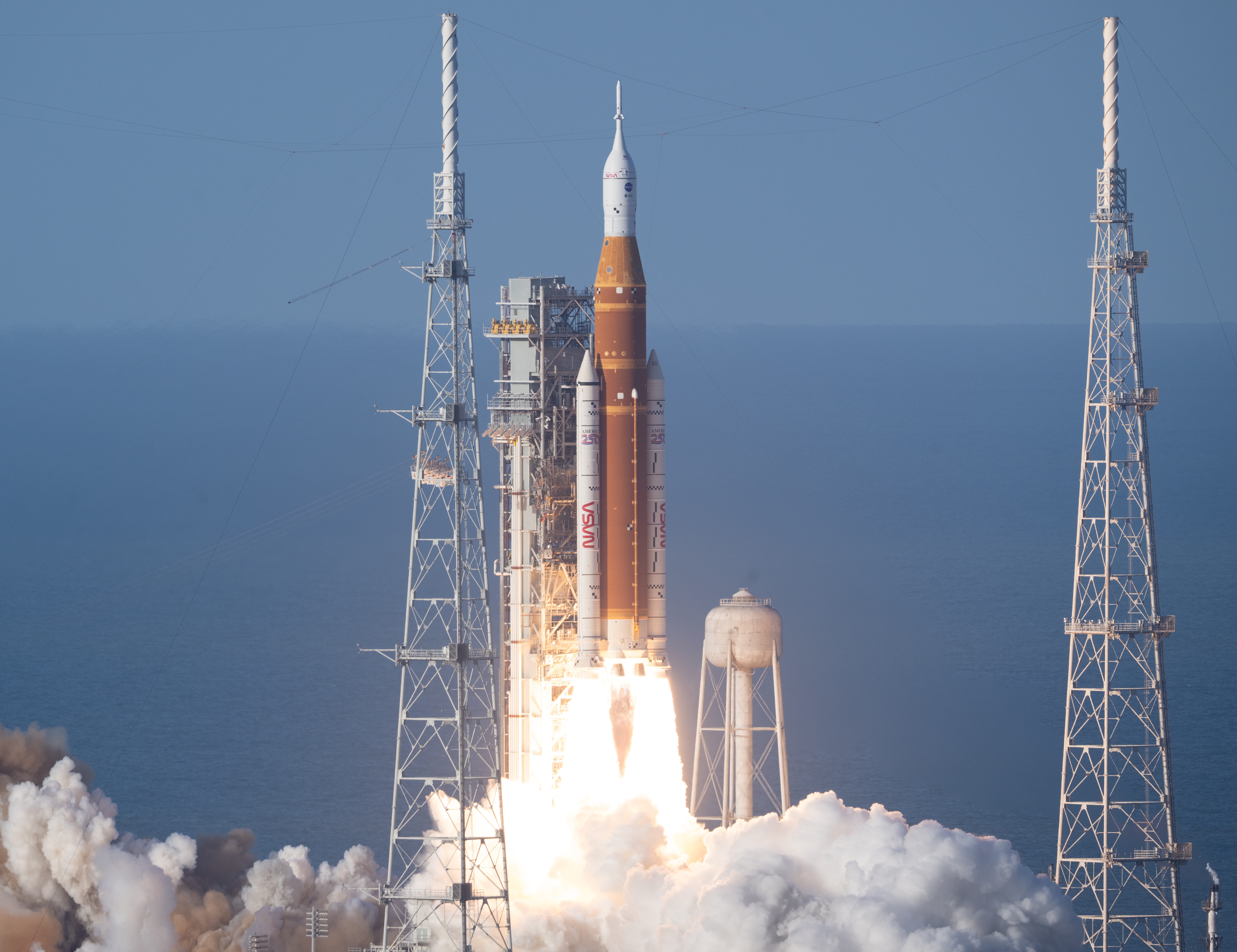
National Aeronautics and Space Administration • Space Launch System Block 1 • Launch Complex 39B (FL)
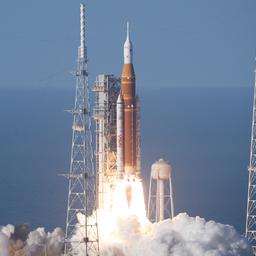

National Aeronautics and Space Administration • Space Launch System Block 1 • LC-39B
Top answer
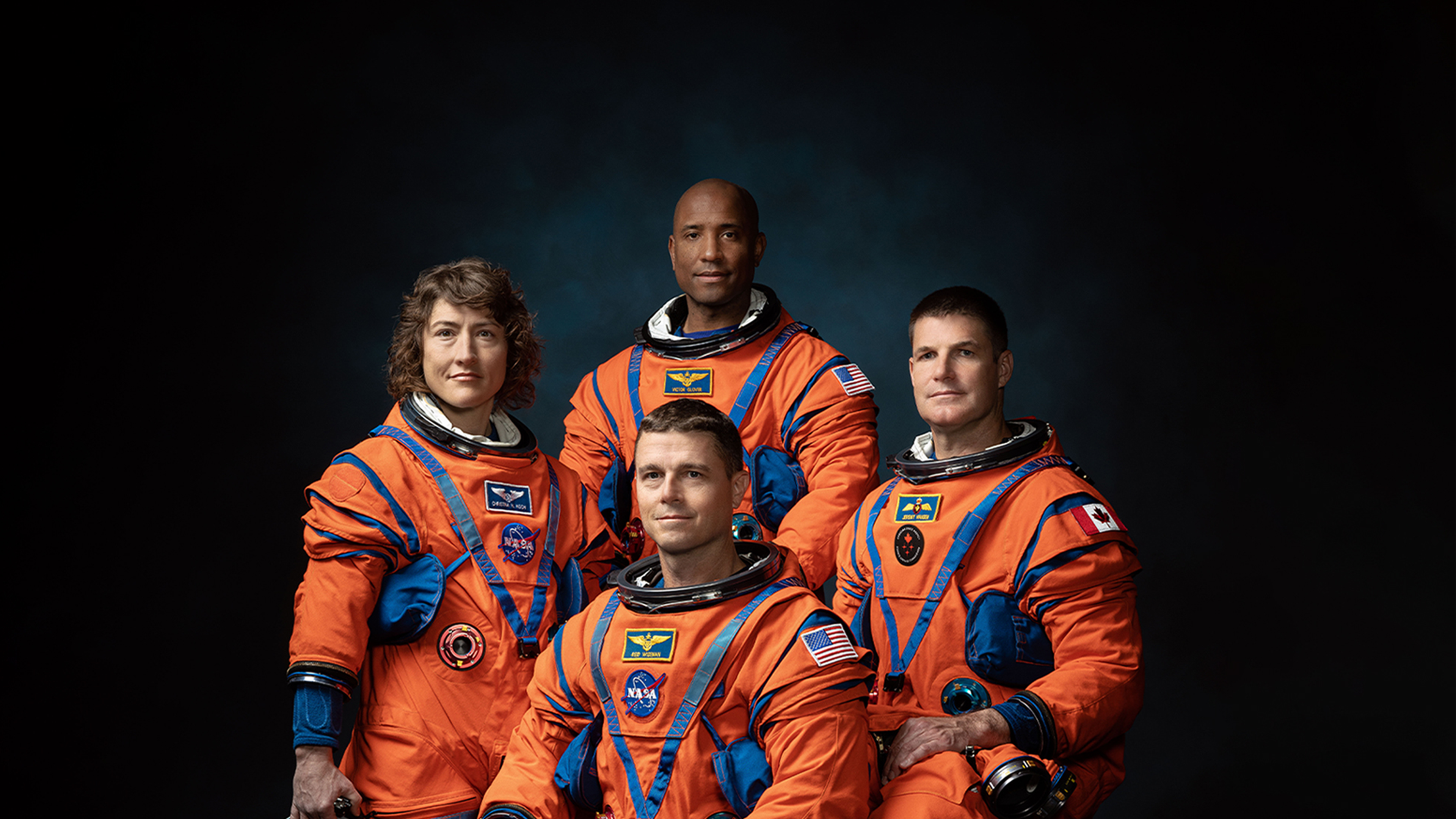
Artemis II is the first crewed mission as part of the Artemis program. Artemis II will send a crew of 4 - 3 Americans and 1 Canadian around the moon and return them back to Earth. The mission will test the core systems of NASA's Orion spacecraft including the critical life support system, among other systems which could not be tested during Artemis I due to the lack of crew onboard.
Last refreshed: Apr 02, 2026, 2:17 AM EDT. T-Minus Zero keeps this as the canonical launch record and reconciles schedule, mission, payload, media, and provider signals when those records are available.
Live targets are highlighted across the sequence.
Stream links and embedded coverage.
Premium keeps the launch-by-launch change log visible so you can review slips, window edits, and status changes without waiting for an error-driven upgrade prompt.
Free-to-share photography matched to this launch. Tap a photo to view it at full resolution.
 Artemis II Patch
Provider, rocket, pad, and booster history tied to this launch.
Artemis II is the first crewed mission as part of the Artemis program. Artemis II will send a crew of 4 - 3 Americans and 1 Canadian around the moon and return them back to Earth. The mission will test the core systems of NASA's Orion spacecraft including the critical life support system, among other systems which could not be tested during Artemis I due to the lack of crew onboard.
Alternate mission URLs consolidate to this canonical launch record so exact mission timing, status, media, and source context stay on one page.
Use these internal paths to move from this exact launch record into the provider, vehicle, launch-site, schedule, and mission-family pages that own broader context.
This launch currently has no dedicated mission-family hub, so provider, vehicle, site, and canonical record links are the primary internal paths.
Some high-demand launch records carry specialized search intent. These profiles explain what can be verified from the published record without filling gaps that upstream sources have not published.
Crew and spacecraft evidence is grouped from published launch, crew, payload, program, agency, source-link, and status records so the page can answer astronaut, spacecraft, destination, provider, and schedule intent without inventing unpublished manifest details.
Key structured fields for this launch record are grouped here so the page answers mission, payload, orbit, provider, source, and timing questions before the deeper tracking and media sections.
This record is preserved as historical launch context. The page emphasizes what was launched, the vehicle and pad involved, published outcome/status fields, linked programs, and source records instead of treating the mission like an upcoming countdown.
Open the launch pad in Google Maps satellite mode using the pad coordinates.
Artemis II is the first crewed mission as part of the Artemis program. Artemis II will send a crew of 4 - 3 Americans and 1 Canadian around the moon and return them back to Earth. The mission will test the core systems of NASA's Orion spacecraft including the critical life support system, among other systems which could not be tested during Artemis I due to the lack of crew onboard.
The Space Launch System (SLS) is an American Space Shuttle-derived heavy expendable launch vehicle. It is part of NASA's deep space exploration plans including as the main launch vehicle of the Artemis program. SLS follows the cancellation of the Constellation program, and is to replace the retired Space Shuttle.
The National Aeronautics and Space Administration is an independent agency of the executive branch of the United States federal government responsible for the civilian space program, as well as aeronautics and aerospace research. NASA have many launch facilities but most are inactive. The most commonly used pad will be LC-39B at Kennedy Space Center in Florida.
Enhanced forecast insights (select launches).
Premium adds the higher-signal weather shell for select Eastern Range launches, including the extra launch criteria and fast-read risk rows.
Launch-stage and landing context surfaced from LL2 when it exists.
Orion spacecraft used for Artemis 2.
The Orion spacecraft Integrity has splashed down in the Pacific Ocean.
9b855d2c4e997a99e495eab52a2a16e6dc3efe1d093fa814219ec0ccb6d21819Linked via Spaceflight News API (SNAPI).
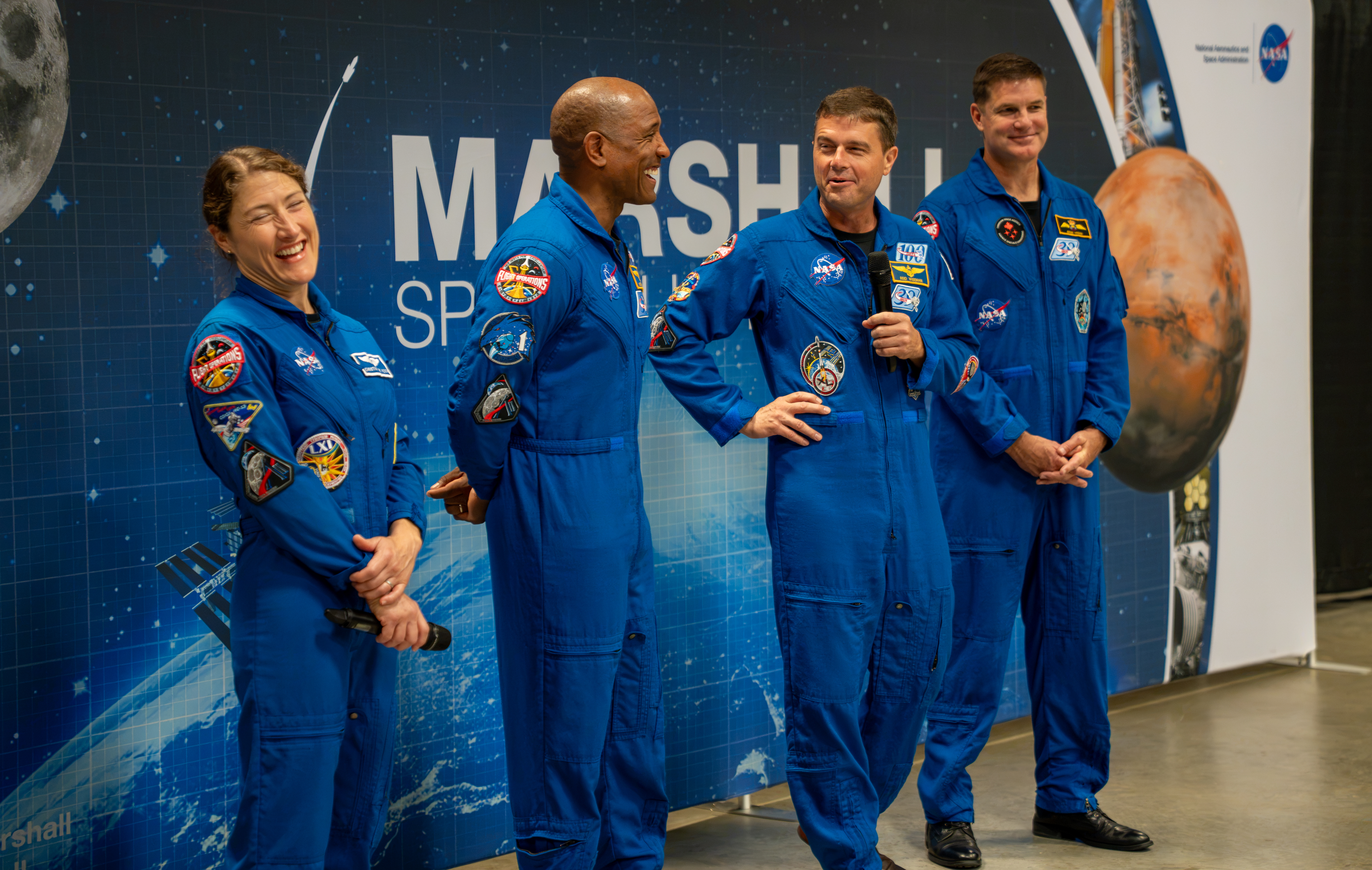 Article
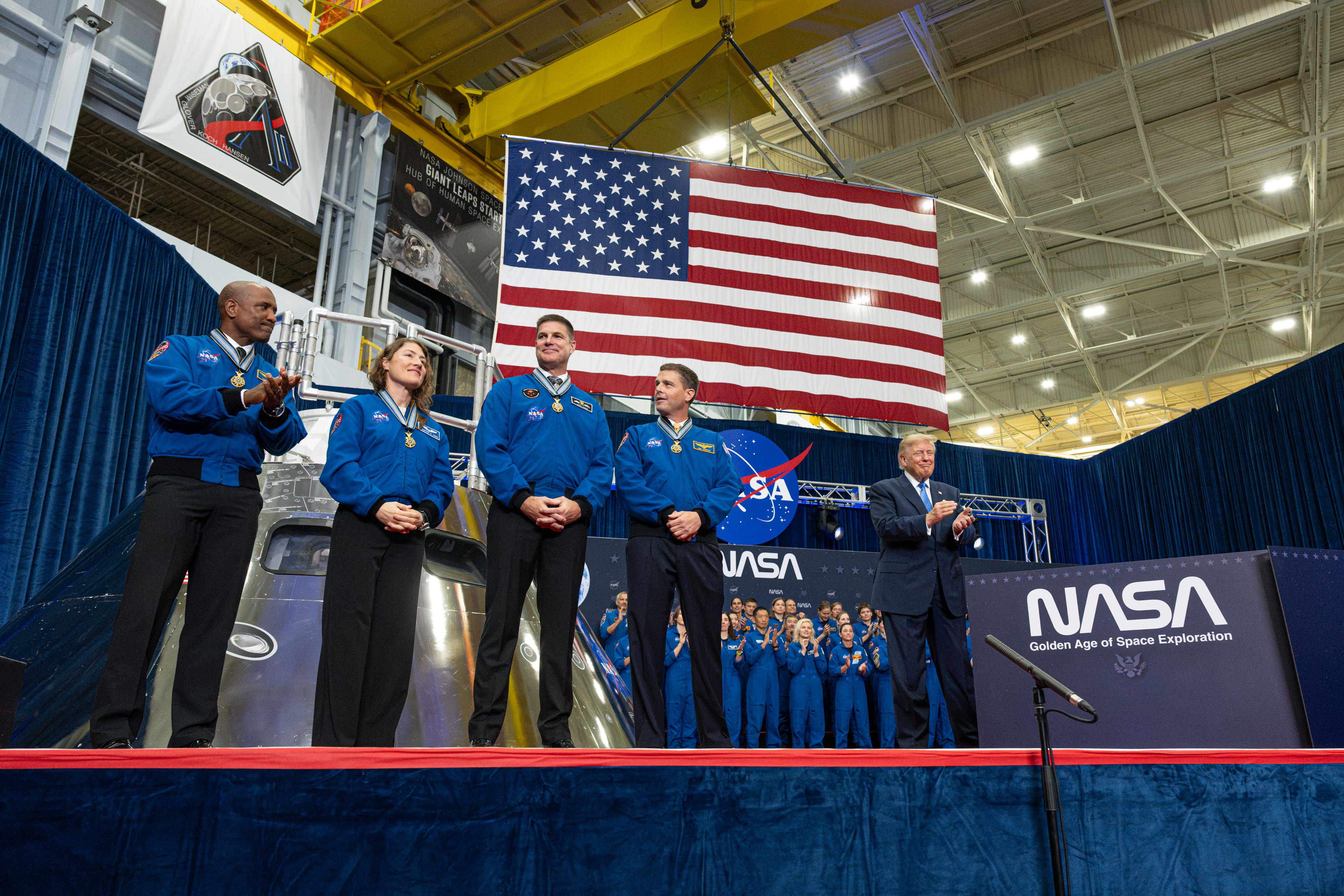
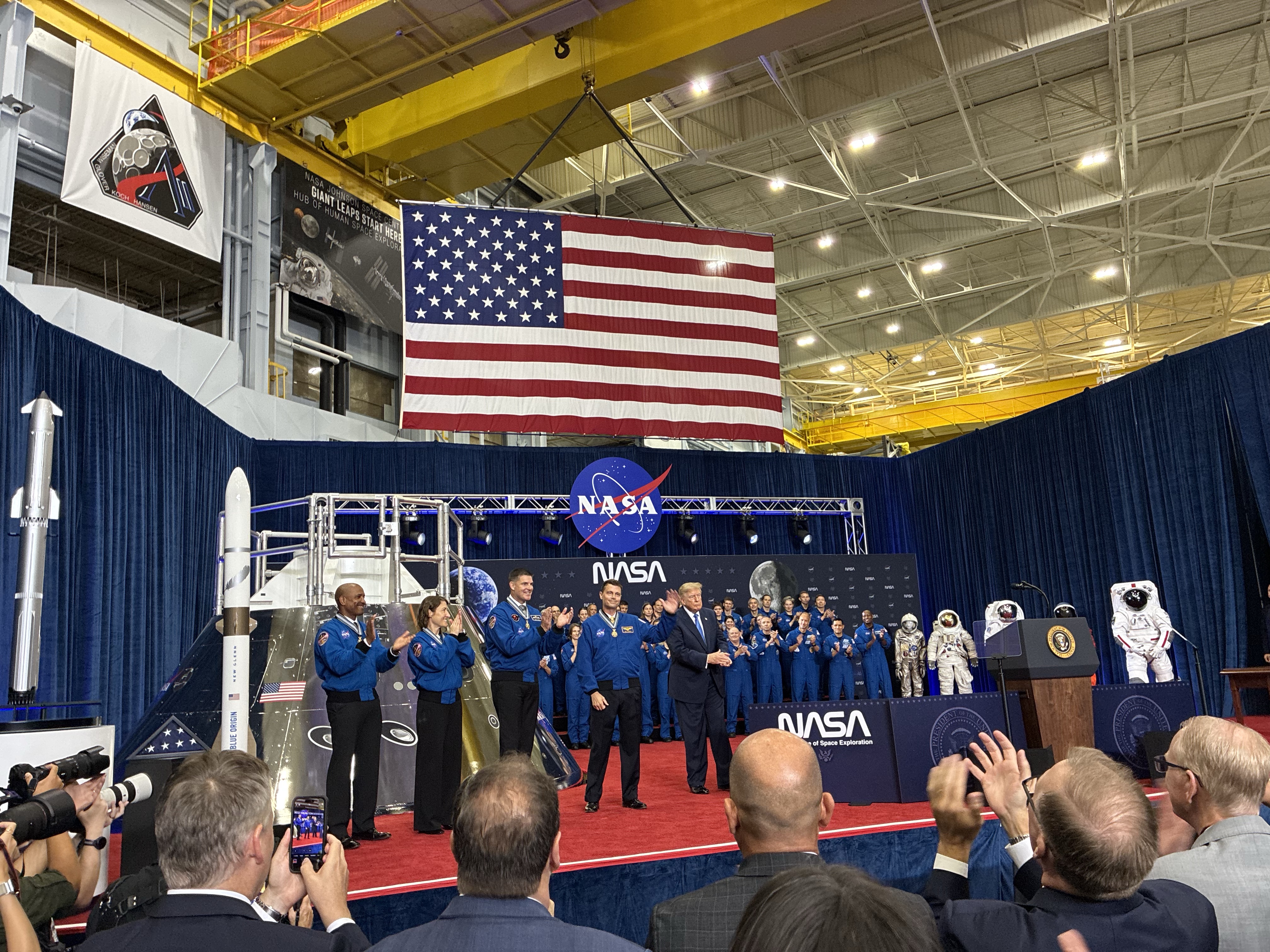
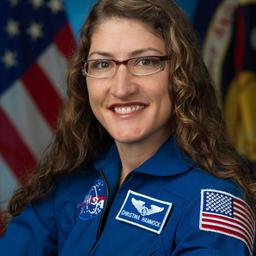
The crew of NASA’s Artemis II mission – NASA astronauts Christina Koch, Victor Glover, and Reid Wiseman and CSA (Canadian Space Agency) astronaut Jeremy Hans...
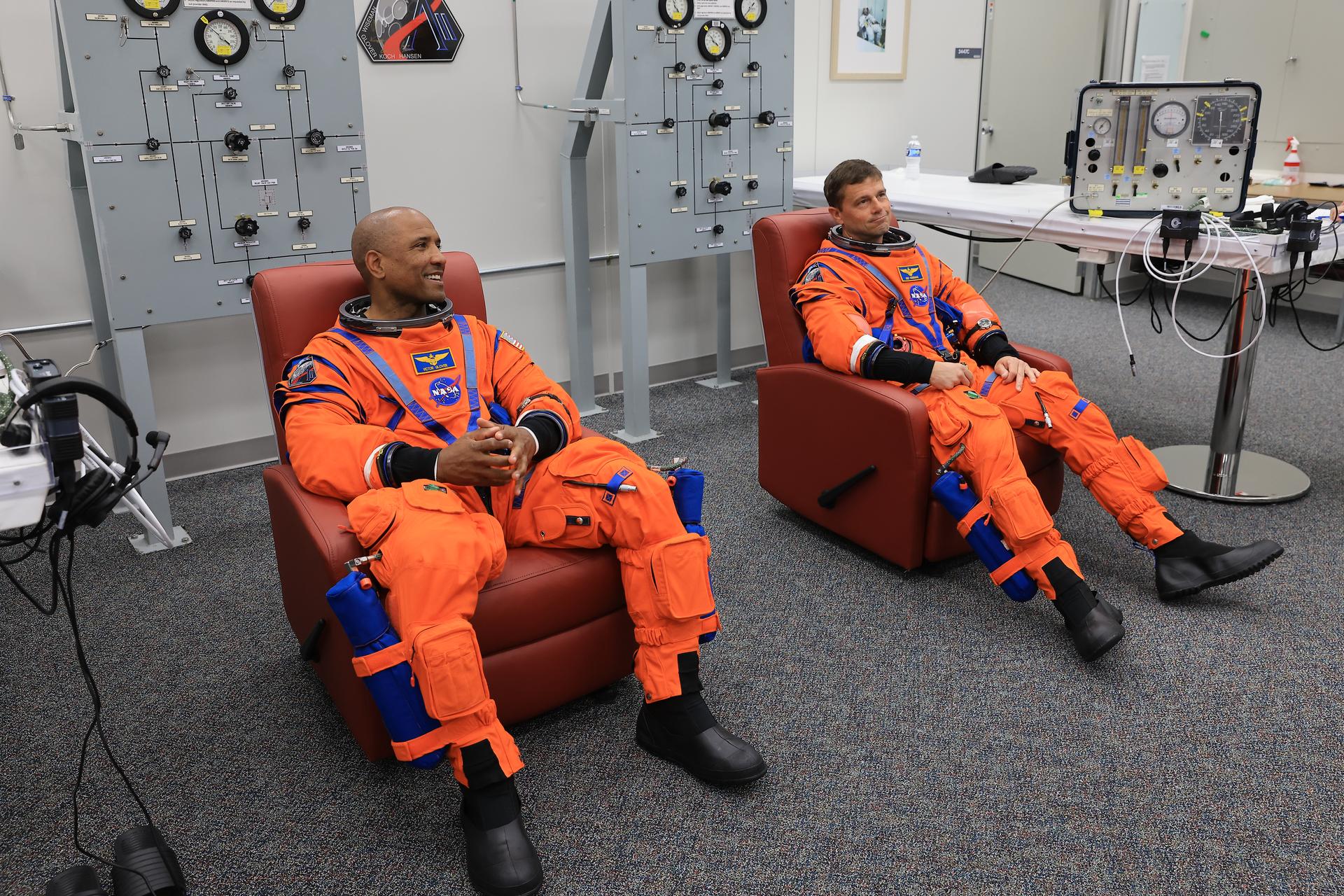 Article
Following their landmark Artemis II mission earlier this year, distinguished NASA astronauts Victor Glover and Reid Wiseman are transitioning in September to...
A launch-area reference planning index. Use your location for a viewpoint-specific result.
This launch is waiting for a current solar-geometry calculation. The previous result is not shown because launch timing and sunlight geometry may have changed.
This is a planning index, not a percent chance. Higher means the modeled viewing setup is stronger.
If needed, your browser asks permission only after you choose this. The launch-area result is not a forecast for your viewpoint.
This launch is waiting for a current solar-geometry calculation. The previous result is not shown because launch timing and sunlight geometry may have changed.
This outlook evaluates whether a broad, sunlit ascent plume could stand out. It does not yet predict whether a specific vehicle will produce one, and an unfavorable plume outlook does not mean the rocket itself will be invisible.
Broadcast Notice to Mariners hazard areas matched to this launch.
28-43-20N/080-41-00W TO 28-48-54N/080-28-40W TO 28-40-14.8N/080-22-03.8W TO 28-37-38.4N/080-20-56.1W TO 28-31-00N/080-18-15.7W TO 28-26-28.5N/080-17-53W TO 28-31-12.08N/080-33-22.63W, THEN FOLLOWING THE SHORELINE BACK TO THE POINT OF ORIGIN. B. MARINERS ARE ADVISED THAT THE AREA ENCOMPASSED BY THIS ZONE IS CLOSED TO ALL VESSELS AND PERSONS EXCEPT AS AUTHORIZED BY THE COMMANDER, SOUTHEAST COAST GU…
28-43-20N/080-41-00W TO 28-48-54N/080-28-40W TO 28-40-14.8N/080-22-03.8W TO 28-37-38.4N/080-20-56.1W TO 28-31-00N/080-18-15.7W TO 28-26-28.5N/080-17-53W TO 28-31-12.08N/080-33-22.63W, THEN FOLLOWING THE SHORELINE BACK TO THE POINT OF ORIGIN. B. MARINERS ARE ADVISED THAT THE AREA ENCOMPASSED BY THIS ZONE IS CLOSED TO ALL VESSELS AND PERSONS EXCEPT AS AUTHORIZED BY THE COMMANDER, SOUTHEAST COAST GU…
28-43-20N/080-41-00W TO 28-48-54N/080-28-40W TO 28-40-14.8N/080-22-03.8W TO 28-37-38.4N/080-20-56.1W TO 28-31-00N/080-18-15.7W TO 28-26-28.5N/080-17-53W TO 28-31-12.08N/080-33-22.63W, THEN FOLLOWING THE SHORELINE BACK TO THE POINT OF ORIGIN. B. MARINERS ARE ADVISED THAT THE AREA ENCOMPASSED BY THIS ZONE IS CLOSED TO ALL VESSELS AND PERSONS EXCEPT AS AUTHORIZED BY THE COMMANDER, SOUTHEAST COAST GU…
28-43-20N/080-41-00W TO 28-48-54N/080-28-40W TO 28-40-14.8N/080-22-03.8W TO 28-37-38.4N/080-20-56.1W TO 28-31-00N/080-18-15.7W TO 28-26-28.5N/080-17-53W TO 28-31-12.08N/080-33-22.63W, THEN FOLLOWING THE SHORELINE BACK TO THE POINT OF ORIGIN. B. MARINERS ARE ADVISED THAT THE AREA ENCOMPASSED BY THIS ZONE IS CLOSED TO ALL VESSELS AND PERSONS EXCEPT AS AUTHORIZED BY THE COMMANDER, SOUTHEAST COAST GU…
Hazard data is informational. Confirm maritime restrictions with official U.S. Coast Guard publications.
Temporary flight restrictions and NOTAM matches tied to this launch.
Advisory data is informational. Confirm operational constraints with official FAA publications.