
Loading photos...
Loading mission resources...
Watch
Live coverage
Stream links and embedded coverage.
Loading related events...
Loading vehicle timeline...
Loading related news...
TMinusZero
Loading
Preparing the latest launch data.
Launch Detail
Loading launch detail
Pulling launch timing, vehicle context, weather signals, and mission evidence.
Launch detail
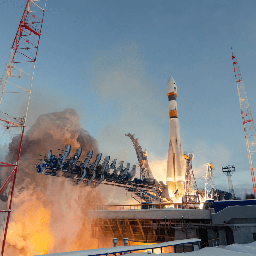
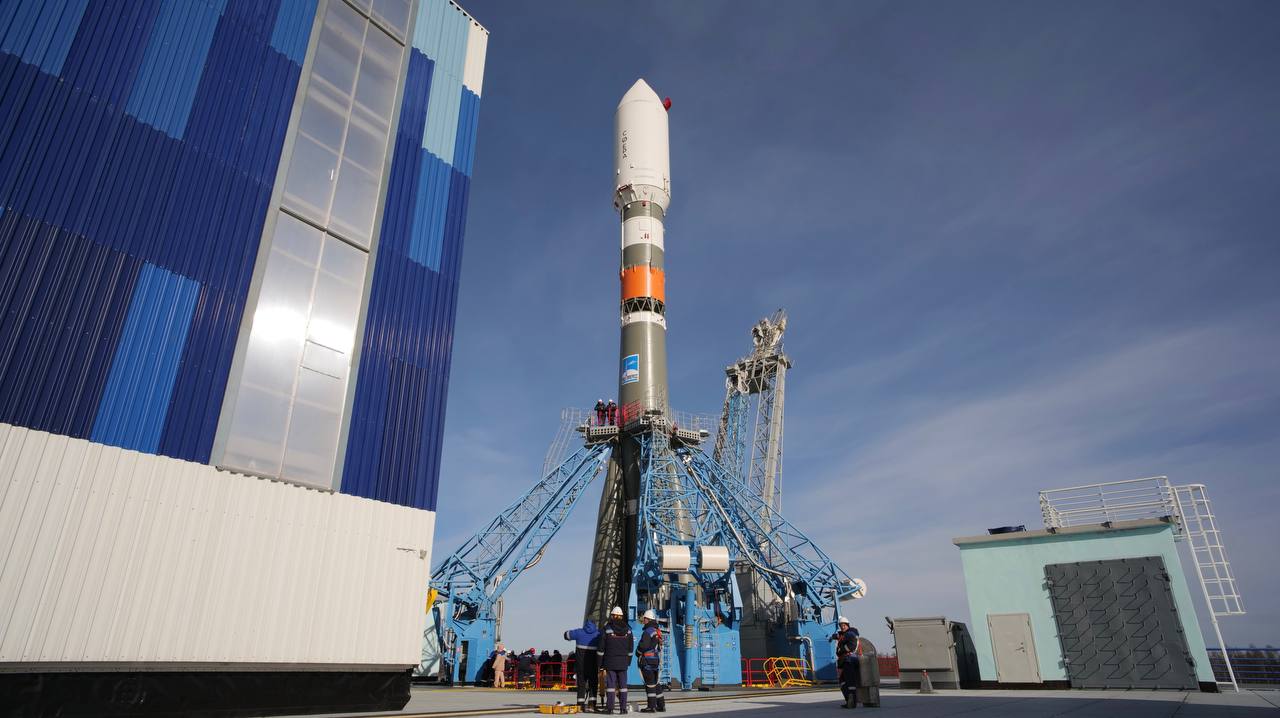
Russian Space Forces • Soyuz 2.1b • 43/4 (43R) (RU-ARK)
Top answer
Note: Payload identity uncertain, possibly Bars-M #5 or a similar satellite as the insertion orbit is similar. Bars-M is the second incarnation of the Bars project, which was started in the mid 1990ies to develop a successor for the Komtea class of area surveillance satellites. The original Bars project was halted in the early 2000s. In 2007, TsSKB-Progress was contracted for Bars-M, for which reportedly the Yanta...
Last refreshed: Jun 15, 2024, 4:24 PM GMT+3. T-Minus Zero keeps this as the canonical launch record and reconciles schedule, mission, payload, media, and provider signals when those records are available.
Stream links and embedded coverage.
Premium keeps the launch-by-launch change log visible so you can review slips, window edits, and status changes without waiting for an error-driven upgrade prompt.
Free-to-share photography matched to this launch. Tap a photo to view it at full resolution.
Note: Payload identity uncertain, possibly Bars-M #5 or a similar satellite as the insertion orbit is similar. Bars-M is the second incarnation of the Bars project, which was started in the mid 1990ies to develop a successor for the Komtea class of area surveillance satellites. The original Bars project was halted in the early 2000s. In 2007, TsSKB-Progress was contracted for Bars-M, for which reportedly the Yantar-based service module was replaced by a new developed advanced service module. The Bars-M satellites feature an electro-optical camera system called Karat, which is developed and built by the Leningrad Optical Mechanical Association (LOMO), and a dual laser altimeter instrument to deliver topographic imagery, stereo images, altimeter data and high-resolution images with a ground resolution around 1 meter.
Alternate mission URLs consolidate to this canonical launch record so exact mission timing, status, media, and source context stay on one page.
Use these internal paths to move from this exact launch record into the provider, vehicle, launch-site, schedule, and mission-family pages that own broader context.
This launch currently has no dedicated mission-family hub, so provider, vehicle, site, and canonical record links are the primary internal paths.
Key structured fields for this launch record are grouped here so the page answers mission, payload, orbit, provider, source, and timing questions before the deeper tracking and media sections.
This record is preserved as historical launch context. The page emphasizes what was launched, the vehicle and pad involved, published outcome/status fields, linked programs, and source records instead of treating the mission like an upcoming countdown.
Open the launch pad in Google Maps satellite mode using the pad coordinates.
Note: Payload identity uncertain, possibly Bars-M #5 or a similar satellite as the insertion orbit is similar. Bars-M is the second incarnation of the Bars project, which was started in the mid 1990ies to develop a successor for the Komtea class of area surveillance satellites. The original Bars project was halted in the early 2000s. In 2007, TsSKB-Progress was contracted for Bars-M, for which reportedly the Yantar-based service module was replaced by a new developed advanced service module. The Bars-M satellites feature an electro-optical camera system called Karat, which is developed and built by the Leningrad Optical Mechanical Association (LOMO), and a dual laser altimeter instrument to deliver topographic imagery, stereo images, altimeter data and high-resolution images with a ground resolution around 1 meter.
Soyuz-2 is the 21st-century version of the Russian Soyuz rocket. In its basic form, it is a three-stage carrier rocket for placing payloads into low Earth orbit. The 2.1b version adds an upgraded engine (RD-0124) with improved performance to the second stage.
The Russian Space Forces are a branch of the Russian Aerospace Forces, that provides aerospace warning, air sovereignty, and protection for Russia. Having been reestablished following August 1, 2015 merger between the Russian Air Force and the Russian Aerospace Defence Forces after a 2011 dissolving of the branch. The Russian Space Forces were originally formed on August 10, 1992 and the creation of the Russian Armed Forces.
f5d3f21f7762dcf814044f74a590d116c40d5e0d19b6d20c7952265a1c4a9347Provider, rocket, pad, and booster history tied to this launch.