Soyuz 33
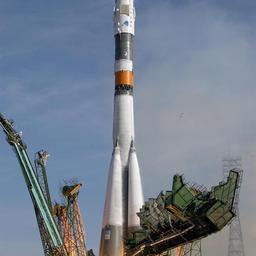
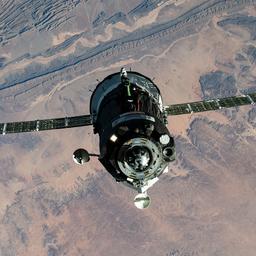
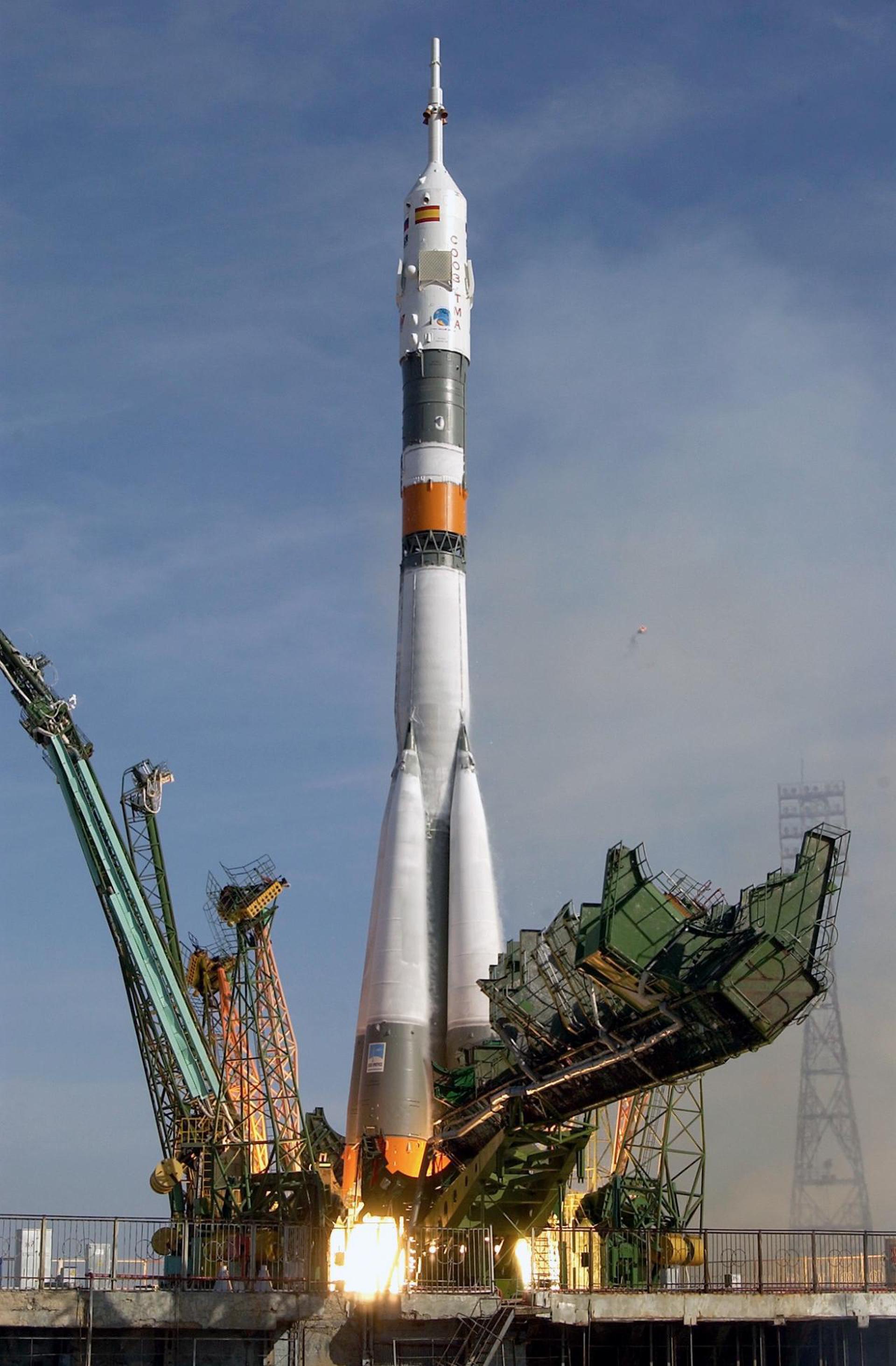
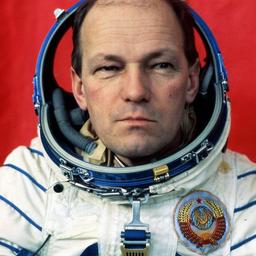
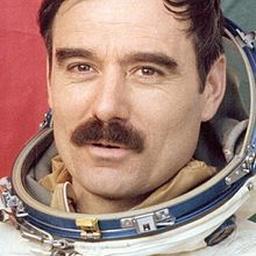
Soyuz 33 was a Soyuz spacecraft which launched on 10 April 1979 17:34 UTC. It was intended to transport two cosmonauts to Salyut 6, but docking failed. The crew was Nikolai Rukavishnikov and Georgi Ivanov.
TMinusZero
Loading
Preparing the latest launch data.
Launch Detail
Loading launch detail
Pulling launch timing, vehicle context, weather signals, and mission evidence.
Launch detail
Soviet Space Program • Soyuz U • 1/5 (NA)
Top answer
Soyuz 33 would have been the eighth crew to dock to the Salyut 6 space station and was meant to visit the long-duration resident crew of the station. The mission began on April 10, 1979, 17:34:34 UTC, launching Commander Nikolai Rukavishnikovv and Research Cosmoanut Georgi Ivanov, the first Bulgarian cosmonaut, into orbit. They were going to dock with the station the next day, but engine failure forced mission to...
Last refreshed: Jun 14, 2023, 1:55 PM GMT+5. T-Minus Zero keeps this as the canonical launch record and reconciles schedule, mission, payload, media, and provider signals when those records are available.
Premium keeps the launch-by-launch change log visible so you can review slips, window edits, and status changes without waiting for an error-driven upgrade prompt.
Free-to-share photography matched to this launch. Tap a photo to view it at full resolution.
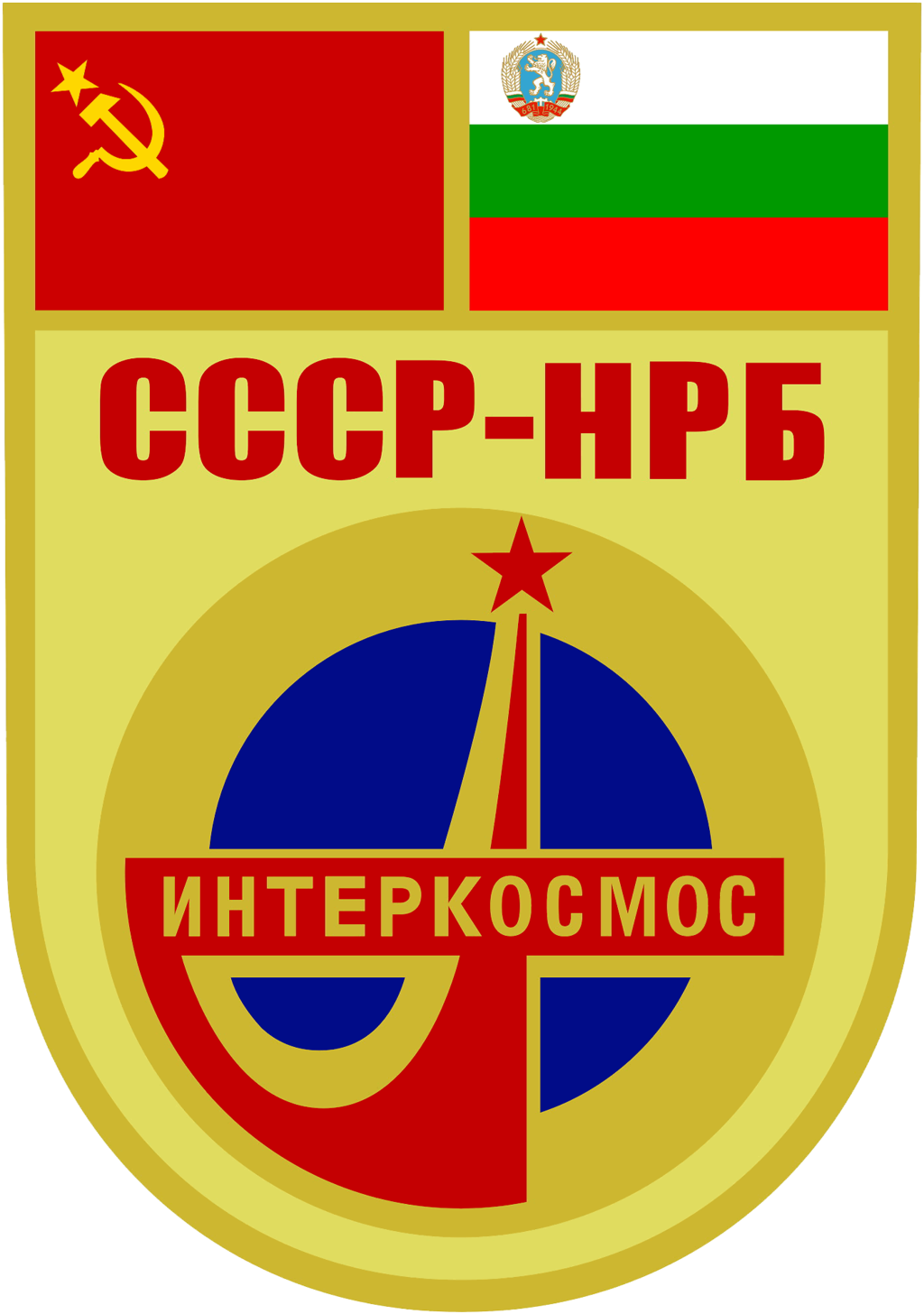
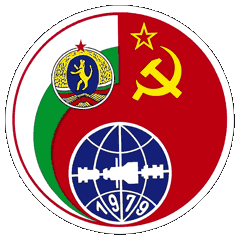
Soyuz 33 Patch
Soyuz 33 PatchLaunch-stage and landing context surfaced from LL2 when it exists.
Soyuz 33 was a Soyuz spacecraft which launched on 10 April 1979 17:34 UTC. It was intended to transport two cosmonauts to Salyut 6, but docking failed. The crew was Nikolai Rukavishnikov and Georgi Ivanov.
The Soyuz spacecraft safely landed in Kazakhstan.
Soyuz 33 would have been the eighth crew to dock to the Salyut 6 space station and was meant to visit the long-duration resident crew of the station. The mission began on April 10, 1979, 17:34:34 UTC, launching Commander Nikolai Rukavishnikovv and Research Cosmoanut Georgi Ivanov, the first Bulgarian cosmonaut, into orbit. They were going to dock with the station the next day, but engine failure forced mission to be aborted. The mission concluded with a rough return and landing back on Earth on April 12, 1979, 16:35:40 UTC.

Duplicate slugs should consolidate here so the launch detail page owns exact mission-record intent.
Some high-demand launch records carry specialized search intent. These profiles explain what can be verified from the published record without filling gaps that upstream sources have not published.
Crew and spacecraft evidence is grouped from published launch, crew, payload, program, agency, source-link, and status records so the page can answer astronaut, spacecraft, destination, provider, and schedule intent without inventing unpublished manifest details.
Key structured fields for this launch record are grouped here so the page answers mission, payload, orbit, provider, source, and timing questions before the deeper tracking and media sections.
This record is preserved as historical launch context. The page emphasizes what was launched, the vehicle and pad involved, published outcome/status fields, linked programs, and source records instead of treating the mission like an upcoming countdown.
Open the launch pad in Google Maps satellite mode using the pad coordinates.
Soyuz 33 would have been the eighth crew to dock to the Salyut 6 space station and was meant to visit the long-duration resident crew of the station. The mission began on April 10, 1979, 17:34:34 UTC, launching Commander Nikolai Rukavishnikovv and Research Cosmoanut Georgi Ivanov, the first Bulgarian cosmonaut, into orbit. They were going to dock with the station the next day, but engine failure forced mission to be aborted. The mission concluded with a rough return and landing back on Earth on April 12, 1979, 16:35:40 UTC.
The Soviet space program, was the national space program of the Union of Soviet Socialist Republics (USSR) actived from 1930s until disintegration of the Soviet Union in 1991. The Soviet Union's space program was mainly based on the cosmonautic exploration of space and the development of the expandable launch vehicles, which had been split between many design bureaus competing against each other. Over its 60-years of history, the Russian program was responsible for a number of pioneering feats and accomplishments in the human space flight, including the first intercontinental ballistic missile (R-7), first satellite (Sputnik 1), first animal in Earth orbit (the dog Laika on Sputnik 2), first human in space and Earth orbit (cosmonaut Yuri Gagarin on Vostok 1), first woman in space and Earth orbit (cosmonaut Valentina Tereshkova on Vostok 6), first spacewalk (cosmonaut Alexei Leonov on Voskhod 2), first Moon impact (Luna 2), first image of the far side of the Moon (Luna 3) and unmanned lunar soft landing (Luna 9), first space rover (Lunokhod 1), first sample of lunar soil automatically extracted and brought to Earth (Luna 16), and first space station (Salyut 1). Further notable records included the first interplanetary probes: Venera 1 and Mars 1 to fly by Venus and Mars, respectively, Venera 3 and Mars 2 to impact the respective planet surface, and Venera 7 and Mars 3 to make soft landings on these planets.
0d4cae11ebe87e51efed80237a767c0bfb49f50fd59ce428d7a5bc8be48f66cdProvider, rocket, pad, and booster history tied to this launch.